Produktbeschreibung
Produktbeschreibung
Motorcycle chain is made of excellent steel such as 40Mn, 30CrMnTi and 20Mn. After stamping, cutting, rolling, cold heading and other processes with high precision machinery and equipment, the parts are processed and strengthened by isothermal carbonitriding heat treatment and then treated with rust prevention. Finally, the chain is assembled, riveted, pre-drawn and inspected by the automatic assembly and inspection line imported from ZheJiang to ensure the qualified performance of each chain.
Motorcycle sprocket is made of 20CrMnTi, 1045 and other high quality steel. After high precision stamping, leveling, turning, milling and other processes, sprocket are strengthened by high temperature quenching process, and then electroplating, spraying and other surface treatment after shot blasting.
Detailed Photos
| BRAZIL | AX100, BIZ125, BIZ98/00, C70, C90, C100, CB250, CB400, CBR450, CBX150, CBX200, CBX250, CD100, CG125, CG150, CRYPTON, DREAM, DS80, DT100, DT125, DT200, FAN125, FD115, FR80, FS80, G7S/KW100, HUNTER125, JOG CY50, KMX125/KTZ, LB80, MAX125, MB100, NX150, NXR150, POP100, RD125, RD135, RDZ125, RDZ135, RX100, RX100/125, RX115/135, TITAN150, TITAN2000, TS100ER, TSZCN125, V80, WEB NEW, XL125, XL185, XLR125, XR200, XR200R, XR250, XRE300, XTZ125 06/07, YER115, YER125, YES125 |
| ARGENTINA | AX100, AXIS90, C70, C90, C100, C110, CB250, CBX150, CBX200, CD110, CG125 TODAY, CRYPTON, DAELTM, DAX70, DT125, ECONO C90 LUXE, ELITE50, GY6-50, GY6-60, GY6-80, GY6-100, GY6-125, GY6-150, MAX100, NXR125, NX150, RX100, SMASH, STROM125, TITAN150, TITAN99, TITAN2000, YBR125, V80, WAVE110, XLR125, XR200R, XR250, ZANELLA200 |
| COLUMBIA | ACTIVE110, AKT110, AK125, AKT125, AX100, AX125, AXIS90, BIZ, BOXER CT100, BWS125, C50, C70/CD70/JH70, C90/CD90/JH90, C100, C110, CB150, CBF150, CD100, CG125, CG150, CG200, CICLON125, CRYPTON, CT100, CRUX, DISCOVER100, DISCOVER135, DT125, DT125K, ECO, EM125, EN125, FD115, FR50, FR80, FXD125, GN125, GN125H, GRAND, GS125, GSD-16LIBERO, GSX, GY6-150, GY6-200, HERO, JD100, JL110MIX, KW100, LB80, MT90/V50, PULSAR, RX100,RX115, RX125, RX135, SMASH110, SRZ150, TIGER, TITAN99, TITAN150, TR125, TS/CN125, TS/CR125, V50, V80, WY147, XF90, XF125, XL125, XL185, XR200, YBR125 |
| AFRICA | AG100, AP125-9G, AP150, A100, AX100, BAJ100, BAJ205, BAJ3W, BS125, C50, C75, CB110, CB125, CB150, CD100, CD110, CG125, CG150, CG200, CT100, DT125, FR80, GK125, JH70, K90, KYMCO, MB100, QLINK, RC100, RE205, RX115, RX125, RX135, RZ100, V50, V80, SY125, TVS125, TVS160, YB100 |
| INDIA | ACTIVA, APACHE, BAJAJ CT100DLX, BAJAJ DISCOVER, BAJAJ PULSAR, CBZ STAR, CD100, CD-CLEL AX, CRUX, CT100, DASHAION NEW MODEL, DISCOVER135, ENT, EWIRE, FIERO F2, KB-4S, KRZIMA-R, LIBG-5, NXV, PASHAION, PLATINA100, PLATINA150, PULSAR, R15, SCOOTY PEP, SPLANDER, STAR, SYARCTS, SUPEX SPLINDG, TVS GLX, TVS VICTOR, VICTOR, VLAMEAR, XCD125, XLS |
| PHILIPPINES | AURA110, B120, BARAKO, C100, C70DD, CG125, CRYPTON, CRYPTON-Z/X1, DT125, G7S, HAWK1 50-2, HD3, MIO, MSX125S/ZESTX110-1, RAIDER150, RS100, SAP110/MSX125-1, SHOGUN PRO, SHOGUN/SHOGUN125, SMASH, STAR-X 125, STAR-X 150/155(ZS), STAR-X 155(JL), STX125, TM110S, WAVE 100R, WAVE110, WAVE125, WELL 125R, WIND125, X-120, X4/GP125, X-PLORER-Z 200 NEW, XRM, YL2 DX, YL2GF, ZEST X110-2/WELL 125S |
| INDONESIA | ABSOLUTE REVO, ALFA/FORCE-1, ASTREA/CBDDA, BEAT, BLADE, C7000, C7OMK 7 LINES, CB100, CG125, FR80, GL100, GLK, GLPRO, GL PRO CDI, GLPRO NEOTECH, GRAND, JUPITER-Z, KARISMA, KAZE, L2SN, MEGA PRO NEW 2007, MIO SOUL, MIO/JUPITER MX, NINJA, PRIMA, PX150, RC110, RC80, REVO, RG110, RX100, RXK NEW 2003, RXK/RXK NEW, RXS/RXKING |
| MIDDLE EAST | AN125, AN150, BAJAJ150, BWS50, BWS100, CG250, CB250, CB150, DIO50 ZX, DT125, GS50,GY6, JH70, JOG50, JOG70, KAB, KS4, KVB110,L110 A, MIO125, MIO150 2V, MIO150 4V, RE205, RX135, SYM125, SYM150, UZ125, UZ/V125, VINO 50,WH100, WH125, YP250, ZY100, ZY125 |
| TURKEY | ACTIVA, AN125, C110, CD70, CD100, CD110, CM125, CUB, CUB LIF3VALF, CUB110, CG125, CG150, CG200, CG250, SCT125, SCT150, CBF125, CBF150, GY6, FIZY, SPACY, WH100, WH125, WAVE110, YBR125 |
| MALAYSIA | C70, C70Z, EG110, EX5, EX5 CLASS, FR80, GBO, GBO-J, KISS II, KR150, KRISS, LC35, MZ125, RC110/RG110, RC80, RXS, RXZ, SRL110, TZM150, WAVE 100, WAVE 125, Y 100/Y110, Y 125Z, Y80 |
| THAILAND | A100SR, AX100, BEAT, BEST, C50K2, C70, DASH, DREAM, DT125, FR8ON, JR120, JUXEDO, KAZE, KR150-6, KS150-4/SERPICO, LS125, MIO, NOVAS, RC100/RC80, RXS, SMASH, SONIC, TENA, VR150, WAVE110, WAVE125, Y100, Y80M |
Company Profile
Team-Go I&E Co., Ltd.(HangZhou) is a professional company which integrates manufacturing, trading and supplying in a line. Team-Go is formerly knows as LZNF which is established in 1996, the main business is export, import and domestic trade of auto accessories part, food production and related services. It was also certified by ISO9001:2000 Quality Management System.
Team-Go is an outstanding manufacturer and exporter with a long historical standing, high specialized and strong technical force. We also have strong ability to develop new products according to customer’s sample or drawing. Now our products enjoy good popularity in many markets, such as South America, Asian African and so on.
Our company adherence to the principle “People oriented, Customers-centered, Intergrity insisted, Performance regarded”. To achieve the goal of win-win, we will do our best to save time, reduce space and win market for our clients. We expect that our rich resources and excellent services will meet your high requirements.
Trusting us and choosing us will be your most correct choice you have ever made!
Packaging & Shipping
|
Versandkosten:
Geschätzte Frachtkosten pro Einheit. |
Wird verhandelt |
|---|
| Typ: | Motorcycle Transmissions |
|---|---|
| Zertifizierung: | ISO9001: 2000 |
| Material: | Steel |
| Samples: |
US$ 4/Piece
1 Piece(Min.Order) | Order Sample |
|---|
| Anpassung: |
Verfügbar
| Kundenspezifische Anfrage |
|---|
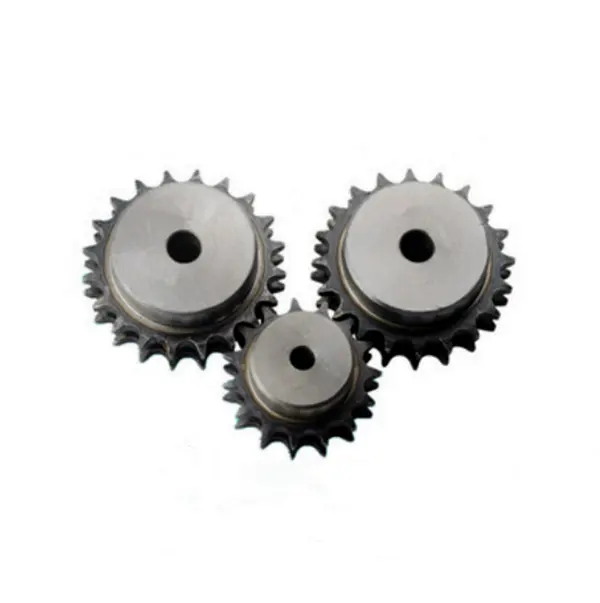
Ensuring Proper Alignment between a Wheel and its Corresponding Sprocket
Proper alignment between a wheel and its corresponding sprocket is crucial for the smooth and efficient operation of the wheel sprocket system. Misalignment can lead to increased wear, noise, and reduced performance. Here are some steps to ensure proper alignment:
- Use Precision Components: Ensure that both the wheel sprocket are high-quality, precision-manufactured components that meet the required specifications. Using well-machined components will aid in achieving better alignment.
- Check Axle Alignment: Make sure the axle or shaft on which the wheel sprocket are mounted is straight and properly aligned. Any misalignment in the axle can lead to misalignment of the wheel sprocket.
- Proper Mounting: Ensure that the wheel sprocket are securely and correctly mounted on the axle or shaft. Use appropriate fasteners and tightening techniques to prevent any movement or shifting during operation.
- Check for Parallelism: The axes of the wheel sprocket should be parallel to each other. Measure the distance between the axes at multiple points to verify parallel alignment.
- Use Alignment Tools: Alignment tools, such as laser alignment systems, can be employed to accurately align the wheel sprocket. These tools can help identify and correct misalignments effectively.
- Check Tension and Tensioner Alignment: If a tensioner is used in the system, ensure that it is properly aligned and applying the right tension to the chain or belt. Incorrect tension can cause misalignment.
- Regular Maintenance: Implement a regular maintenance schedule to check and adjust alignment as needed. Regular inspections can help identify and address alignment issues before they cause significant problems.
- Monitor Performance: Keep an eye on the performance of the wheel sprocket system. Unusual noises, vibrations, or signs of wear can indicate misalignment and should be investigated promptly.
Proper alignment is essential for the long-term performance and reliability of the wheel sprocket system. By following these steps and conducting regular maintenance, you can ensure that the wheel sprocket work together harmoniously, providing efficient power transmission and minimizing wear and tear.
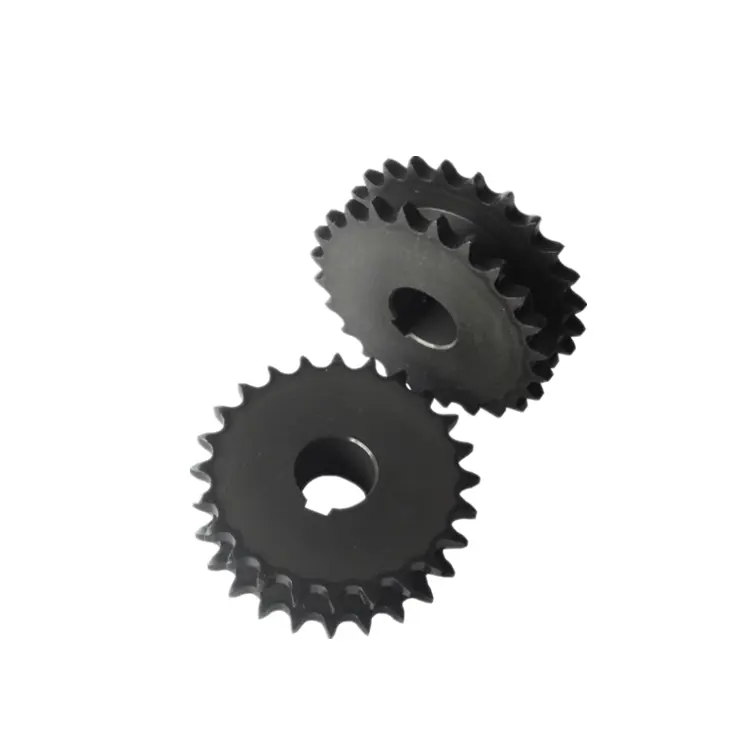
Vertikale Kraftübertragung mit Radkettenradsystem
Ja, ein Rad-Ketten-System kann zur vertikalen Kraftübertragung eingesetzt werden. In solchen Fällen ist das System so konstruiert, dass es Kraft und Bewegung zwischen vertikal ausgerichteten Wellen überträgt. Die vertikale Kraftübertragung mittels Rad-Ketten-System folgt ähnlichen Prinzipien wie die horizontale Übertragung, jedoch sind einige Faktoren zu berücksichtigen:
- Last und Drehmoment: Bei der vertikalen Kraftübertragung kann das Gewicht der Last den Drehmomentbedarf erheblich beeinflussen. Das Drehmoment muss ausreichen, um die Last unter Berücksichtigung von Reibung und anderen Widerstandskräften entgegen der Schwerkraft anzuheben.
- Kettenradauswahl: Die Wahl des richtigen Kettenrads ist für den vertikalen Antrieb entscheidend. Die Zähne des Kettenrads müssen so konstruiert sein, dass sie Kette oder Riemen effektiv in Eingriff bringen und ein Durchrutschen verhindern, insbesondere beim Heben schwerer Lasten.
- Schmierung: Eine sachgemäße Schmierung ist unerlässlich, um Reibung und Verschleiß im System zu reduzieren. Bei vertikalen Anwendungen können spezielle Schmierstoffe erforderlich sein, um einen reibungslosen Betrieb zu gewährleisten und vorzeitigen Ausfall zu verhindern.
- Spannung: Die korrekte Spannung von Kette oder Riemen ist für die vertikale Kraftübertragung entscheidend. Richtige Spannung verhindert Durchhängen und gewährleistet den korrekten Eingriff zwischen Rad und Kettenrad.
- Überhängende Last: Bei vertikalen Anordnungen kann das Gewicht der Kettenrad- und Wellenbaugruppe eine zusätzliche Last auf die Lager ausüben. Eine ausreichende Abstützung und die Wahl geeigneter Lager sind erforderlich, um diese Last aufzunehmen.
Vertikale Kraftübertragung mittels Rad-Ketten-System findet in verschiedenen Anwendungen Verwendung, darunter Förderanlagen, Aufzüge und einige Industriemaschinen. Eine fachgerechte Konstruktion, Installation und Wartung sind unerlässlich für einen sicheren und effizienten Betrieb in vertikalen Konfigurationen.

Choosing the Right Size of Sprocket to Match a Wheel
Choosing the correct size of sprocket to match a wheel is essential for ensuring efficient power transmission and proper functionality of a mechanical system. Here are the steps to help you choose the right size of sprocket:
1. Determine the Pitch Diameter of the Wheel:
Measure the diameter of the wheel from the center to the point where the teeth of the sprocket will engage with the wheel. This measurement is known as the pitch diameter of the wheel.
2. Identify the Desired Gear Ratio:
Determine the gear ratio you want to achieve for your application. The gear ratio is the ratio of the number of teeth on the sprocket to the number of teeth on the wheel and determines the speed and torque output.
3. Calculate the Number of Teeth on the Sprocket:
Once you have the pitch diameter of the wheel and the desired gear ratio, you can calculate the number of teeth on the sprocket using the formula:
Number of Teeth on Sprocket = (Desired Gear Ratio) * (Number of Teeth on Wheel)
4. Select a Standard Sprocket Size:
Based on the calculated number of teeth on the sprocket, choose a standard sprocket size that comes closest to the calculated value. Sprockets are available in various tooth counts, and you may need to choose the nearest size available.
5. Consider Chain Compatibility:
If you are using a chain drive system, ensure that the selected sprocket is compatible with the chain you plan to use. The chain pitch (distance between the centers of adjacent roller pins) should match the pitch of the sprocket.
6. Verify Center Distance:
Check that the center distance between the wheel and the sprocket is appropriate for your application. The center distance is the distance between the centers of the wheel and the sprocket and should be set to achieve the desired tension and alignment of the chain or belt.
7. Consider the Material and Tooth Profile:
Select a sprocket material suitable for your application, such as steel, stainless steel, or plastic, based on factors like load, environment, and operating conditions. Additionally, consider the tooth profile (standard or custom) to ensure smooth engagement with the chain or belt.
By following these steps and considering the specific requirements of your machinery and mechanical system, you can choose the right size of sprocket to match your wheel and achieve optimal performance and longevity of the system.


editor by CX 2023-10-07