产品描述
1) A series chains:
A) Simplex: 25-1 ~ 240-1
B) Duplex: 25-2 ~ 240-2
C) Triplex: 35-3 ~ 240-3
D) Quadruplex: 40-4 ~ 240-4
E) Quintuple: 40-5 ~ 240-5
F) Sextuple: 40-6 ~ 240-6
G) Octuple: 40-8 ~ 240-8
2) B series chains:
A) Simplex: 04B-1 ~ 48B-1
B) Duplex: 04B-2 ~ 48B-2
C) Triplex: 06B-3 ~ 48B-3
D) Quadruplex: 08B-4 ~ 48B-4
E) Quintuple: 08B-5 ~ 48B-5
F) Sextuple: 08B-6 ~ 48B-6
G) Octuple: 08B-8 ~ 48B-8
3) Colors available: Natural, yellow, blue, black
4) Materials: Alloy, Carbon steel, stainless steel
/* 2571 年 1 月 22 日 19:08:37 */!function(){function s(e,r){var a,o={};try{e&&e.split(“,”).forEach(function(e,t){e&&(a=e.match(/(.*?):(.*)$/))&&1
| Usage: | Transmission Chain |
|---|---|
| 材料: | Alloy |
| Surface Treatment: | Polishing |
| Feature: | Heat Resistant |
| Chain Size: | 1/2"*11/128" |
| Structure: | Roller Chain |
| 定制化: |
可用的
| 定制请求 |
|---|
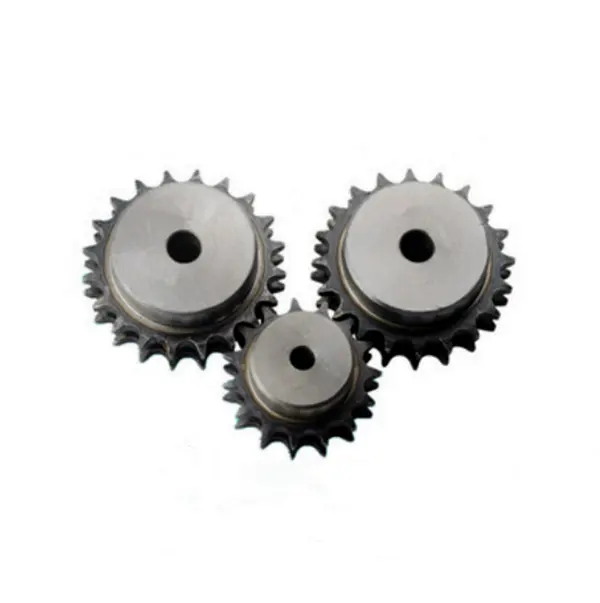
确保车轮与其对应链轮正确对齐
车轮与其对应链轮之间的正确对准对于车轮链轮系统的平稳高效运行至关重要。对准不良会导致磨损加剧、噪音增大和性能下降。以下是一些确保正确对准的步骤:
- 使用精密组件: 确保两个轮毂链轮均为高质量、精密制造的部件,并符合所需规格。使用加工精良的部件有助于实现更好的对准效果。
- 检查车轴对齐情况: 确保安装车轮链轮的车轴或轴杆笔直且正确对齐。车轴的任何错位都可能导致车轮链轮错位。
- 正确安装: 确保轮链轮牢固且正确地安装在车轴或轴杆上。使用合适的紧固件和紧固方法,以防止运转过程中发生任何移动或移位。
- 检查并行性: 车轮链轮的轴线应该彼此平行。测量多个点的轴线间距,以验证平行度是否正确。
- 使用对齐工具: 可以使用激光对准系统等对准工具来精确对准车轮链轮。这些工具可以有效地帮助识别和纠正偏差。
- 检查张力和张紧器对准情况: 如果系统中使用了张紧器,请确保其正确对准并对链条或皮带施加正确的张力。张力不正确会导致错位。
- 定期维护: 制定定期维护计划,根据需要检查和调整车轮定位。定期检查有助于在车轮定位问题造成重大损失之前发现并解决这些问题。
- 监控性能: 密切关注车轮链轮系统的运行状况。异常噪音、振动或磨损迹象可能表明车轮链轮系统未对准,应立即进行检查。
正确的对准对于车轮链轮系统的长期性能和可靠性至关重要。遵循以下步骤并进行定期维护,可以确保车轮链轮协调运转,从而实现高效的动力传输并最大限度地减少磨损。
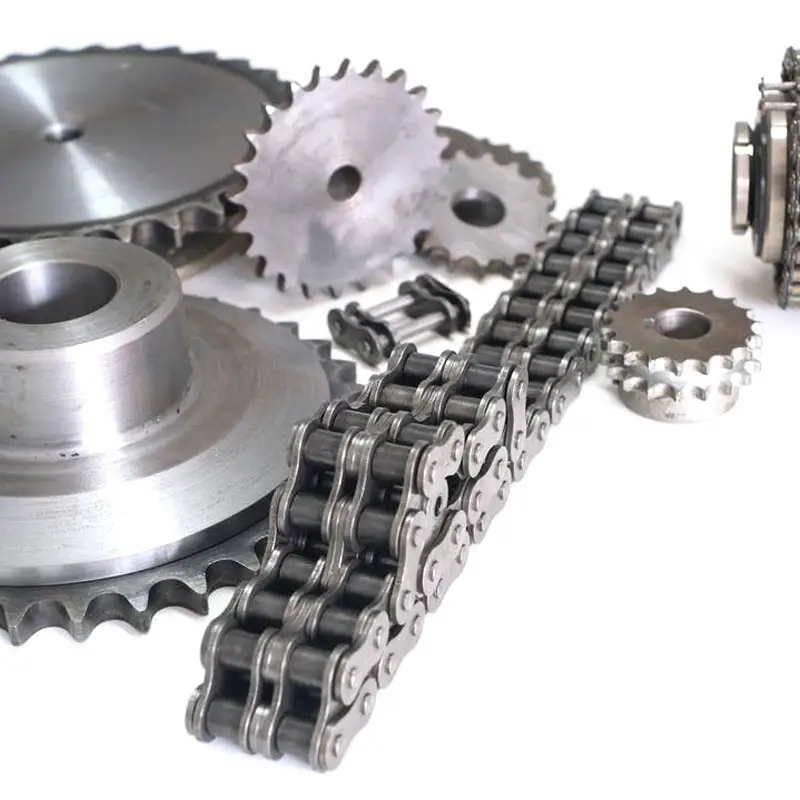
Using a Belt Sprocket in Place of a Chain Sprocket with a Wheel
Yes, in many cases, a belt sprocket can be used in place of a chain sprocket with a wheel, provided that the system is designed to accommodate the change.
Both chain sprockets and belt sprockets serve the same fundamental purpose of transferring rotational motion and power between the wheel and the driven component. However, there are some important considerations to keep in mind when replacing a chain sprocket with a belt sprocket:
- 结盟: Belt sprockets and chain sprockets must be aligned properly with the wheel to ensure smooth and efficient power transmission. Any misalignment can cause premature wear and reduce the system’s overall performance.
- Tension: Chain-driven systems require specific tension to prevent slack and maintain proper engagement between the sprockets and the chain. Belt-driven systems, on the other hand, require appropriate tension to prevent slippage. Ensuring the correct tension for the specific type of sprocket is crucial for reliable operation.
- Load Capacity: Consider the load capacity and torque requirements of the system when selecting a belt sprocket. Belt sprockets may have different load-carrying capabilities compared to chain sprockets, and using the wrong type can lead to premature wear or failure.
- Speed and RPM: Belt-driven systems may have different operating speeds and RPM limits compared to chain-driven systems. Ensure that the selected belt sprocket can handle the desired rotational speed without exceeding its design limitations.
- System Design: Changing from a chain-driven system to a belt-driven system (or vice versa) may require modifications to the overall system design, including the size of the sprockets and the layout of the system. Consult with an engineer or a qualified professional to ensure that the replacement is appropriate and safe.
Overall, replacing a chain sprocket with a belt sprocket can be a viable option in certain applications. However, it’s essential to consider the factors mentioned above and evaluate the compatibility of the new sprocket with the existing system to achieve optimal performance and longevity.
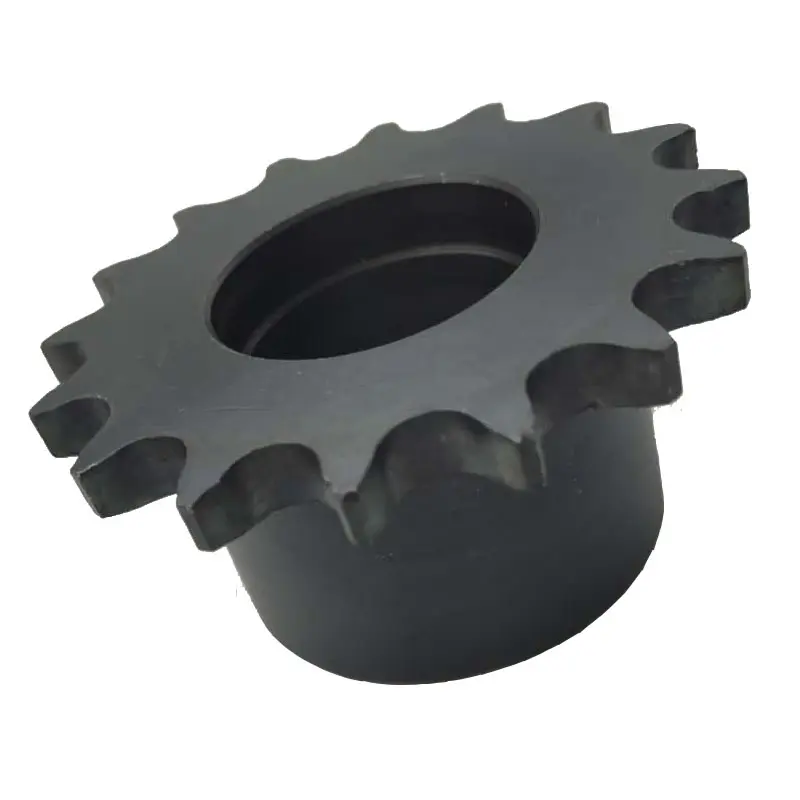
车轮链轮在机械系统中的作用
在机械系统中,轮毂在将运动和动力从一个部件传递到另一个部件的过程中起着至关重要的作用。它们是各种机器和机构的基本组成部分,例如自行车、传送系统、汽车和工业机械。让我们更详细地了解一下它们的功能:
1. 轮子:
车轮是一个圆形部件,其中心轴(轮轴)使其能够绕轮轴轴线自由旋转。其主要功能包括:
- 运动传输: 当对车轮外缘施加力时,车轮会绕轴旋转,从而将线性运动转化为旋转运动。
- 承重能力: 车轮的结构和材料经过精心设计,能够支撑和分散施加在其上的载荷,从而在各种表面上平稳移动。
- 减少摩擦: 使用轮子可以显著减少移动物体与地面之间的摩擦力,从而更容易、更轻松地移动重物。
- 方向控制: 车轮可以安装在转向机构上,以控制车辆和其他设备的移动方向。
2. 链轮:
链轮是一种带齿的轮子,设计用于与链条或皮带啮合,从而实现链轮与链条/皮带之间的动力传递。其主要功能包括:
- 动力传输: 当旋转力(扭矩)施加到链轮上时,链轮的齿会与链条或皮带的链节啮合,将运动和动力从一个链轮传递到另一个链轮。
- 速度和扭矩转换: 在机械系统中,可以使用不同尺寸的链轮来调节被驱动部件的速度和扭矩。
- 积极驱动力: 链轮上的齿和链条/皮带上的链节形成正向驱动系统,降低了运行过程中打滑或动力损失的可能性。
- 链条/皮带张紧: 链轮有助于保持链条或皮带的适当张力,从而确保动力传输系统的最佳性能和使用寿命。
车轮和链轮共同构成机械系统的重要组成部分,能够在各个行业的各种应用中实现高效的运动传输、动力传递和控制。


editor by Dream 2024-05-08