توضیحات محصول
1) A series chains:
A) Simplex: 25-1 ~ 240-1
B) Duplex: 25-2 ~ 240-2
C) Triplex: 35-3 ~ 240-3
D) Quadruplex: 40-4 ~ 240-4
E) Quintuple: 40-5 ~ 240-5
F) Sextuple: 40-6 ~ 240-6
G) Octuple: 40-8 ~ 240-8
2) B series chains:
A) Simplex: 04B-1 ~ 48B-1
B) Duplex: 04B-2 ~ 48B-2
C) Triplex: 06B-3 ~ 48B-3
D) Quadruplex: 08B-4 ~ 48B-4
E) Quintuple: 08B-5 ~ 48B-5
F) Sextuple: 08B-6 ~ 48B-6
G) Octuple: 08B-8 ~ 48B-8
3) Colors available: Natural, yellow, blue, black
4) Materials: Alloy, Carbon steel, stainless steel
/* January 22, 2571 19:08:37 */!function(){function s(e,r){var a,o={};try{e&&e.split(“,”).forEach(function(e,t){e&&(a=e.match(/(.*?):(.*)$/))&&1
| Usage: | Transmission Chain |
|---|---|
| مواد: | Alloy |
| Surface Treatment: | Polishing |
| Feature: | Heat Resistant |
| Chain Size: | 1/2"*11/128" |
| Structure: | Roller Chain |
| سفارشی سازی: |
موجود است
| درخواست سفارشی |
|---|
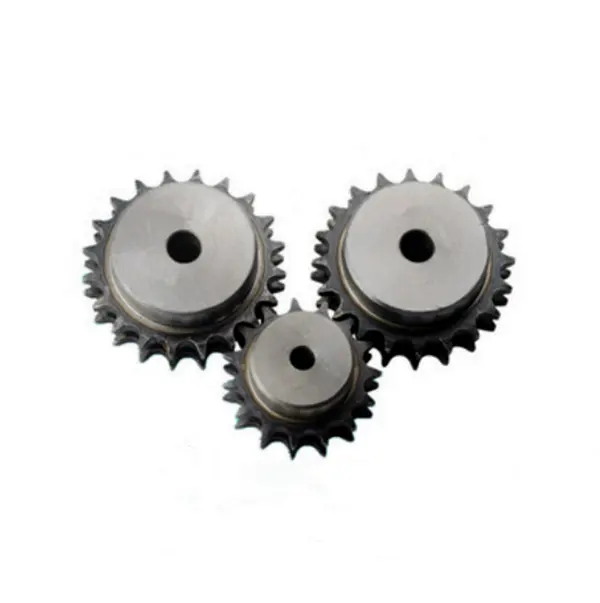
اطمینان از همترازی مناسب بین چرخ و چرخدنده مربوطه
همترازی مناسب بین چرخ و چرخدنده مربوطه برای عملکرد روان و کارآمد سیستم چرخدنده بسیار مهم است. عدم همترازی میتواند منجر به افزایش سایش، سر و صدا و کاهش عملکرد شود. در اینجا چند مرحله برای اطمینان از همترازی مناسب آورده شده است:
- استفاده از قطعات دقیق: مطمئن شوید که هر دو چرخدنده از قطعات باکیفیت و دقیق ساخته شدهاند که مشخصات مورد نیاز را برآورده میکنند. استفاده از قطعات ماشینکاری شده به ترازبندی بهتر کمک میکند.
- بررسی همترازی محورها: مطمئن شوید که محور یا شفتی که چرخدنده روی آن نصب شده است، صاف و به درستی تراز شده است. هرگونه ناهمراستایی در محور میتواند منجر به ناهمراستایی چرخدنده شود.
- نصب مناسب: مطمئن شوید که چرخدنده به طور ایمن و صحیح روی محور یا شفت نصب شده است. از بستها و تکنیکهای سفت کردن مناسب برای جلوگیری از هرگونه حرکت یا جابجایی در حین کار استفاده کنید.
- بررسی موازی بودن: محورهای چرخدنده باید با یکدیگر موازی باشند. فاصله بین محورها را در چندین نقطه اندازهگیری کنید تا از همترازی موازی اطمینان حاصل شود.
- از ابزارهای ترازبندی استفاده کنید: ابزارهای تنظیم، مانند سیستمهای تنظیم لیزری، میتوانند برای تنظیم دقیق چرخدنده استفاده شوند. این ابزارها میتوانند به شناسایی و اصلاح مؤثر ناهمراستاییها کمک کنند.
- بررسی کشش و تنظیم کششدهنده: اگر در سیستم از کشنده استفاده میشود، مطمئن شوید که به درستی تنظیم شده و کشش مناسب را به زنجیر یا تسمه اعمال میکند. کشش نادرست میتواند باعث عدم تنظیم شود.
- تعمیر و نگهداری منظم: یک برنامه تعمیر و نگهداری منظم برای بررسی و تنظیم همترازی در صورت نیاز اجرا کنید. بازرسیهای منظم میتواند به شناسایی و رفع مشکلات همترازی قبل از ایجاد مشکلات قابل توجه کمک کند.
- عملکرد مانیتور: به عملکرد سیستم چرخدنده توجه داشته باشید. صداهای غیرمعمول، لرزش یا علائم سایش میتواند نشاندهندهی عدم تنظیم باشد و باید فوراً بررسی شود.
تنظیم صحیح برای عملکرد و قابلیت اطمینان طولانی مدت سیستم چرخدنده ضروری است. با پیروی از این مراحل و انجام تعمیر و نگهداری منظم، میتوانید اطمینان حاصل کنید که چرخدندهها به طور هماهنگ با هم کار میکنند، انتقال قدرت کارآمد را فراهم میکنند و سایش و پارگی را به حداقل میرسانند.
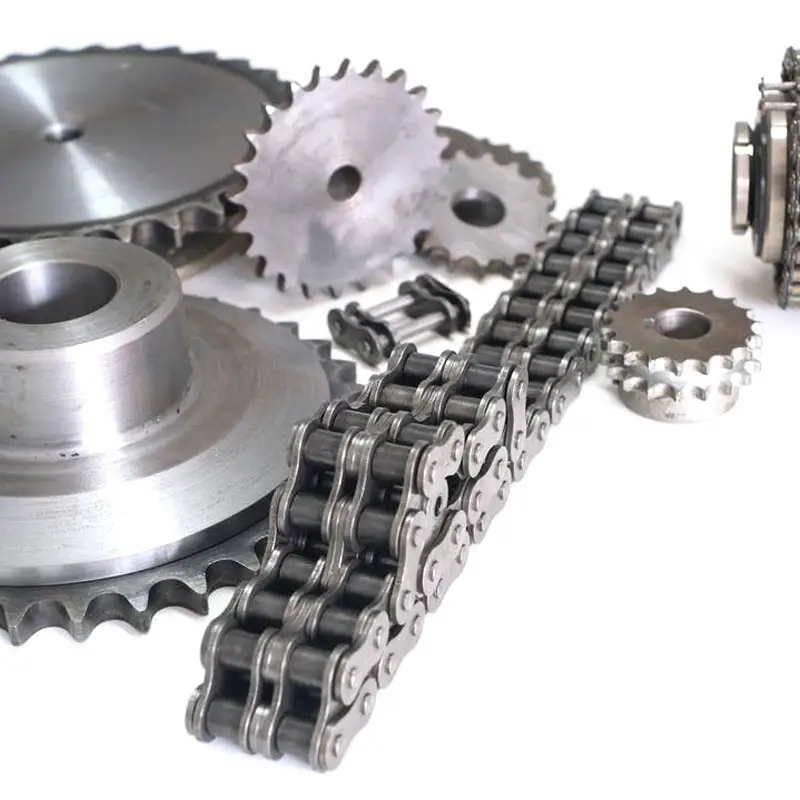
Using a Belt Sprocket in Place of a Chain Sprocket with a Wheel
Yes, in many cases, a belt sprocket can be used in place of a chain sprocket with a wheel, provided that the system is designed to accommodate the change.
Both chain sprockets and belt sprockets serve the same fundamental purpose of transferring rotational motion and power between the wheel and the driven component. However, there are some important considerations to keep in mind when replacing a chain sprocket with a belt sprocket:
- همترازی: Belt sprockets and chain sprockets must be aligned properly with the wheel to ensure smooth and efficient power transmission. Any misalignment can cause premature wear and reduce the system’s overall performance.
- Tension: Chain-driven systems require specific tension to prevent slack and maintain proper engagement between the sprockets and the chain. Belt-driven systems, on the other hand, require appropriate tension to prevent slippage. Ensuring the correct tension for the specific type of sprocket is crucial for reliable operation.
- ظرفیت بار: Consider the load capacity and torque requirements of the system when selecting a belt sprocket. Belt sprockets may have different load-carrying capabilities compared to chain sprockets, and using the wrong type can lead to premature wear or failure.
- Speed and RPM: Belt-driven systems may have different operating speeds and RPM limits compared to chain-driven systems. Ensure that the selected belt sprocket can handle the desired rotational speed without exceeding its design limitations.
- System Design: Changing from a chain-driven system to a belt-driven system (or vice versa) may require modifications to the overall system design, including the size of the sprockets and the layout of the system. Consult with an engineer or a qualified professional to ensure that the replacement is appropriate and safe.
Overall, replacing a chain sprocket with a belt sprocket can be a viable option in certain applications. However, it’s essential to consider the factors mentioned above and evaluate the compatibility of the new sprocket with the existing system to achieve optimal performance and longevity.
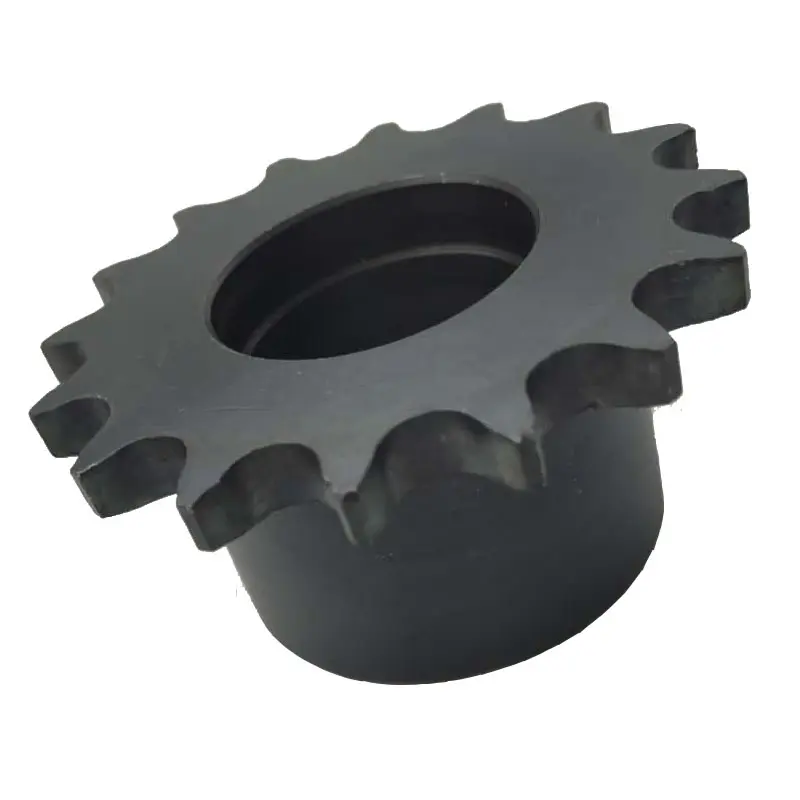
Role of a wheel sprocket in a Mechanical System
In a mechanical system, a wheel sprocket play a crucial role in transferring motion and power from one component to another. They are essential elements of various machines and mechanisms, such as bicycles, conveyor systems, automobiles, and industrial machinery. Let’s explore their functions in more detail:
1. Wheel:
The wheel is a circular component with a central shaft (axle) that allows it to rotate freely around the axle’s axis. Its primary functions include:
- Motion Transmission: When a force is applied to the wheel’s outer edge, it rotates around the axle, enabling the transfer of linear motion into rotational motion.
- Load Bearing: The wheel’s structure and material are designed to support and distribute the load placed on it, allowing smooth movement over various surfaces.
- Reduction of Friction: By using wheels, the friction between the moving object and the ground is significantly reduced, making it easier to move heavy loads with less effort.
- Directional Control: Wheels can be attached to steering mechanisms to control the direction of movement in vehicles and other equipment.
2. Sprocket:
A sprocket is a toothed wheel designed to mesh with a chain or a belt, facilitating motion transfer between the sprocket and the chain/belt. Its key functions include:
- Power Transmission: When rotational force (torque) is applied to the sprocket, the teeth engage with the links of the chain or belt, transferring motion and power from one sprocket to another.
- Speed and Torque Conversion: Different-sized sprockets can be used to adjust the speed and torque of the driven component in a mechanical system.
- Positive Drive: The teeth on the sprocket and the links on the chain/belt create a positive drive system, reducing the likelihood of slippage or loss of power during operation.
- Chain/Belt Tensioning: Sprockets help maintain proper tension in the chain or belt, ensuring optimal performance and longevity of the power transmission system.
Together, wheels and sprockets form a vital part of mechanical systems, enabling efficient motion transmission, power transfer, and control in a wide range of applications across various industries.


editor by Dream 2024-05-08