Descrizione del prodotto
1) A series chains:
A) Simplex: 25-1 ~ 240-1
B) Duplex: 25-2 ~ 240-2
C) Triplex: 35-3 ~ 240-3
D) Quadruplex: 40-4 ~ 240-4
E) Quintuple: 40-5 ~ 240-5
F) Sextuple: 40-6 ~ 240-6
G) Octuple: 40-8 ~ 240-8
2) B series chains:
A) Simplex: 04B-1 ~ 48B-1
B) Duplex: 04B-2 ~ 48B-2
C) Triplex: 06B-3 ~ 48B-3
D) Quadruplex: 08B-4 ~ 48B-4
E) Quintuple: 08B-5 ~ 48B-5
F) Sextuple: 08B-6 ~ 48B-6
G) Octuple: 08B-8 ~ 48B-8
3) Colors available: Natural, yellow, blue, black
4) Materials: Alloy, Carbon steel, stainless steel
/* 22 gennaio 2571 19:08:37 */!function(){function s(e,r){var a,o={};try{e&&e.split(“,”).forEach(function(e,t){e&&(a=e.match(/(.*?):(.*)$/))&&1
| Usage: | Transmission Chain |
|---|---|
| Materiale: | Alloy |
| Trattamento superficiale: | Polishing |
| Feature: | Heat Resistant |
| Chain Size: | 1/2"*11/128" |
| Structure: | Roller Chain |
| Personalizzazione: |
Disponibile
| Richiesta personalizzata |
|---|
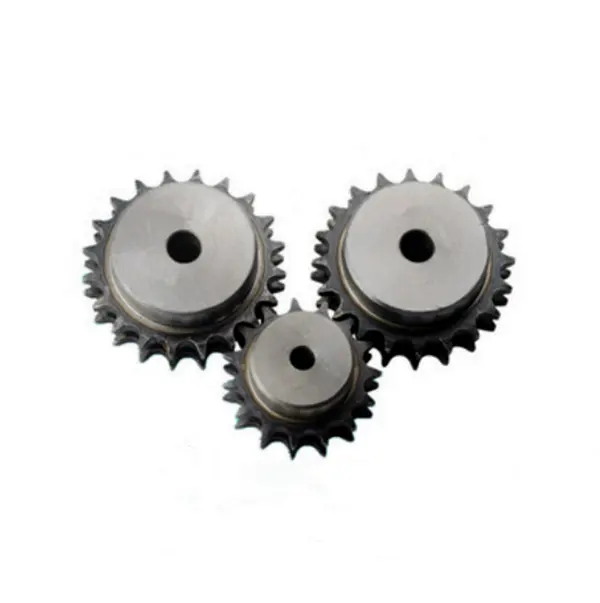
Garantire il corretto allineamento tra una ruota e il relativo pignone
Il corretto allineamento tra la ruota e il pignone corrispondente è fondamentale per il funzionamento fluido ed efficiente del sistema ruota-pignone. Un disallineamento può causare maggiore usura, rumorosità e riduzione delle prestazioni. Ecco alcuni passaggi per garantire un allineamento corretto:
- Utilizzare componenti di precisione: Assicurati che entrambi i pignoni siano componenti di alta qualità, realizzati con precisione e conformi alle specifiche richieste. L'utilizzo di componenti ben lavorati contribuirà a ottenere un migliore allineamento.
- Verifica l'allineamento degli assi: Assicurati che l'asse o l'albero su cui è montato il pignone della ruota sia dritto e correttamente allineato. Qualsiasi disallineamento dell'asse può causare un disallineamento del pignone della ruota.
- Montaggio corretto: Assicurarsi che la ruota dentata sia montata in modo sicuro e corretto sull'asse o sull'albero. Utilizzare elementi di fissaggio e tecniche di serraggio appropriati per evitare qualsiasi movimento o spostamento durante il funzionamento.
- Verifica del parallelismo: Gli assi della ruota dentata devono essere paralleli tra loro. Misurare la distanza tra gli assi in più punti per verificare l'allineamento parallelo.
- Utilizzare gli strumenti di allineamento: Strumenti di allineamento, come i sistemi di allineamento laser, possono essere utilizzati per allineare con precisione il pignone della ruota. Questi strumenti possono aiutare a identificare e correggere efficacemente i disallineamenti.
- Verificare la tensione e l'allineamento del tenditore: Se nel sistema è presente un tendicatena, assicurarsi che sia correttamente allineato e che applichi la giusta tensione alla catena o alla cinghia. Una tensione errata può causare un disallineamento.
- Manutenzione ordinaria: Implementa un programma di manutenzione regolare per controllare e regolare l'allineamento secondo necessità. Ispezioni periodiche possono aiutare a identificare e risolvere i problemi di allineamento prima che causino danni significativi.
- Monitorare le prestazioni: Monitorate attentamente il funzionamento del sistema di pignoni e ruote. Rumori insoliti, vibrazioni o segni di usura possono indicare un disallineamento e devono essere verificati tempestivamente.
Un corretto allineamento è essenziale per le prestazioni e l'affidabilità a lungo termine del sistema ruota-pignone. Seguendo questi passaggi ed eseguendo una manutenzione regolare, è possibile garantire che ruota e pignone lavorino in armonia, assicurando una trasmissione di potenza efficiente e riducendo al minimo l'usura.
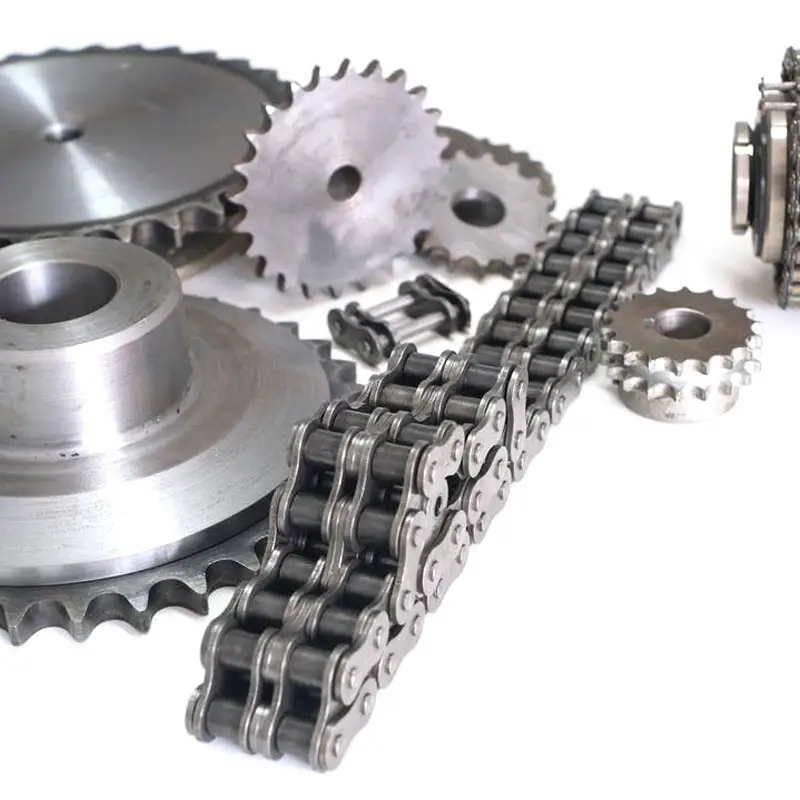
Using a Belt Sprocket in Place of a Chain Sprocket with a Wheel
Yes, in many cases, a belt sprocket can be used in place of a chain sprocket with a wheel, provided that the system is designed to accommodate the change.
Both chain sprockets and belt sprockets serve the same fundamental purpose of transferring rotational motion and power between the wheel and the driven component. However, there are some important considerations to keep in mind when replacing a chain sprocket with a belt sprocket:
- Allineamento: Belt sprockets and chain sprockets must be aligned properly with the wheel to ensure smooth and efficient power transmission. Any misalignment can cause premature wear and reduce the system’s overall performance.
- Tension: Chain-driven systems require specific tension to prevent slack and maintain proper engagement between the sprockets and the chain. Belt-driven systems, on the other hand, require appropriate tension to prevent slippage. Ensuring the correct tension for the specific type of sprocket is crucial for reliable operation.
- Load Capacity: Consider the load capacity and torque requirements of the system when selecting a belt sprocket. Belt sprockets may have different load-carrying capabilities compared to chain sprockets, and using the wrong type can lead to premature wear or failure.
- Speed and RPM: Belt-driven systems may have different operating speeds and RPM limits compared to chain-driven systems. Ensure that the selected belt sprocket can handle the desired rotational speed without exceeding its design limitations.
- System Design: Changing from a chain-driven system to a belt-driven system (or vice versa) may require modifications to the overall system design, including the size of the sprockets and the layout of the system. Consult with an engineer or a qualified professional to ensure that the replacement is appropriate and safe.
Overall, replacing a chain sprocket with a belt sprocket can be a viable option in certain applications. However, it’s essential to consider the factors mentioned above and evaluate the compatibility of the new sprocket with the existing system to achieve optimal performance and longevity.
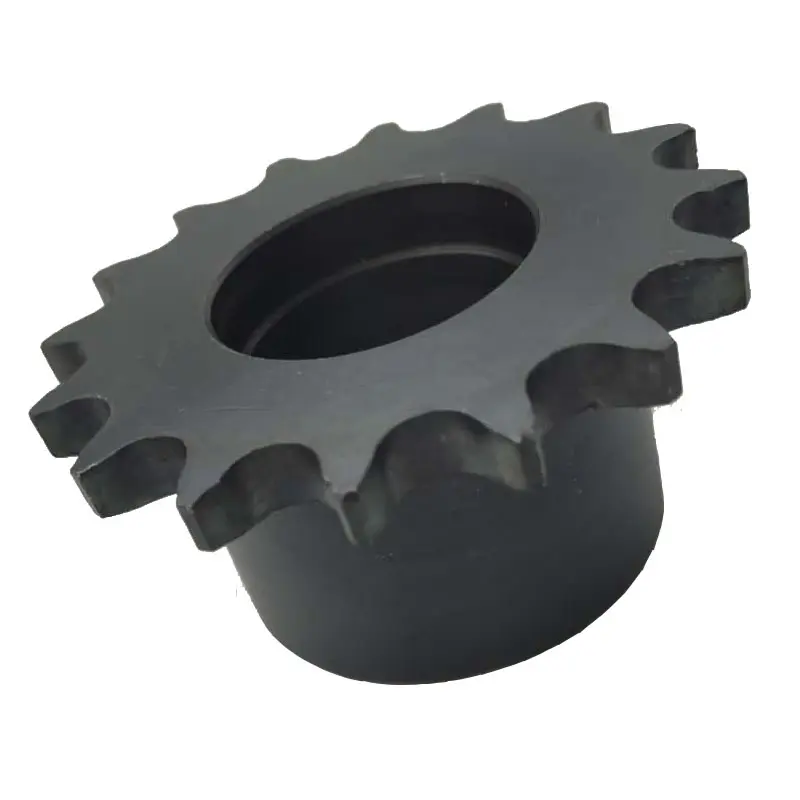
Role of a wheel sprocket in a Mechanical System
In a mechanical system, a wheel sprocket play a crucial role in transferring motion and power from one component to another. They are essential elements of various machines and mechanisms, such as bicycles, conveyor systems, automobiles, and industrial machinery. Let’s explore their functions in more detail:
1. Wheel:
The wheel is a circular component with a central shaft (axle) that allows it to rotate freely around the axle’s axis. Its primary functions include:
- Motion Transmission: When a force is applied to the wheel’s outer edge, it rotates around the axle, enabling the transfer of linear motion into rotational motion.
- Load Bearing: The wheel’s structure and material are designed to support and distribute the load placed on it, allowing smooth movement over various surfaces.
- Reduction of Friction: By using wheels, the friction between the moving object and the ground is significantly reduced, making it easier to move heavy loads with less effort.
- Directional Control: Wheels can be attached to steering mechanisms to control the direction of movement in vehicles and other equipment.
2. Sprocket:
A sprocket is a toothed wheel designed to mesh with a chain or a belt, facilitating motion transfer between the sprocket and the chain/belt. Its key functions include:
- Power Transmission: When rotational force (torque) is applied to the sprocket, the teeth engage with the links of the chain or belt, transferring motion and power from one sprocket to another.
- Speed and Torque Conversion: Different-sized sprockets can be used to adjust the speed and torque of the driven component in a mechanical system.
- Positive Drive: The teeth on the sprocket and the links on the chain/belt create a positive drive system, reducing the likelihood of slippage or loss of power during operation.
- Chain/Belt Tensioning: Sprockets help maintain proper tension in the chain or belt, ensuring optimal performance and longevity of the power transmission system.
Together, wheels and sprockets form a vital part of mechanical systems, enabling efficient motion transmission, power transfer, and control in a wide range of applications across various industries.


editor by Dream 2024-05-08