Опис продукту
1) A series chains:
A) Simplex: 25-1 ~ 240-1
B) Duplex: 25-2 ~ 240-2
C) Triplex: 35-3 ~ 240-3
D) Quadruplex: 40-4 ~ 240-4
E) Quintuple: 40-5 ~ 240-5
F) Sextuple: 40-6 ~ 240-6
G) Octuple: 40-8 ~ 240-8
2) B series chains:
A) Simplex: 04B-1 ~ 48B-1
B) Duplex: 04B-2 ~ 48B-2
C) Triplex: 06B-3 ~ 48B-3
D) Quadruplex: 08B-4 ~ 48B-4
E) Quintuple: 08B-5 ~ 48B-5
F) Sextuple: 08B-6 ~ 48B-6
G) Octuple: 08B-8 ~ 48B-8
3) Colors available: Natural, yellow, blue, black
4) Materials: Alloy, Carbon steel, stainless steel
/* 22 січня 2571 19:08:37 */!function(){function s(e,r){var a,o={};try{e&&e.split(“,”).forEach(function(e,t){e&&(a=e.match(/(.*?):(.*)$/))&&1
| Usage: | Transmission Chain |
|---|---|
| Матеріал: | Alloy |
| Surface Treatment: | Polishing |
| Feature: | Heat Resistant |
| Chain Size: | 1/2"*11/128" |
| Structure: | Roller Chain |
| Налаштування: |
Доступно
| Індивідуальний запит |
|---|
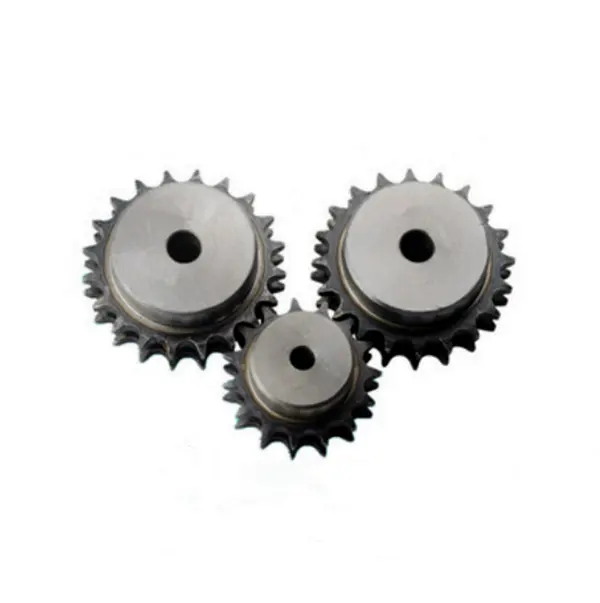
Забезпечення правильного вирівнювання між колесом та відповідною зірочкою
Правильне вирівнювання між колесом та відповідною зірочкою має вирішальне значення для безперебійної та ефективної роботи системи зірочок колеса. Неправильне вирівнювання може призвести до підвищеного зносу, шуму та зниження продуктивності. Ось кілька кроків для забезпечення правильного вирівнювання:
- Використовуйте прецизійні компоненти: Переконайтеся, що обидві зірочки колеса є високоякісними, прецизійно виготовленими компонентами, які відповідають необхідним специфікаціям. Використання добре оброблених компонентів допоможе досягти кращого вирівнювання.
- Перевірте розвал-сходження осей: Переконайтеся, що вісь або вал, на яких встановлені зірочки колеса, є рівними та правильно вирівняними. Будь-яке неспіввідношення осі може призвести до неспіввідношення зірочки колеса.
- Правильне кріплення: Переконайтеся, що зірочка колеса надійно та правильно встановлена на осі або валу. Використовуйте відповідні кріплення та методи затягування, щоб запобігти будь-якому руху або зміщенню під час роботи.
- Перевірка на паралелізм: Осі зірочки колеса повинні бути паралельними одна одній. Виміряйте відстань між осями в кількох точках, щоб перевірити паралельність вирівнювання.
- Використовуйте інструменти вирівнювання: Для точного вирівнювання зірочки колеса можна використовувати інструменти для вирівнювання, такі як лазерні системи вирівнювання. Ці інструменти можуть допомогти ефективно виявити та виправити перекоси.
- Перевірте натяг та вирівнювання натягувача: Якщо в системі використовується натягувач, переконайтеся, що він правильно вирівняний і забезпечує правильне натягнення ланцюга або ременя. Неправильне натягнення може призвести до перекосу.
- Регулярне технічне обслуговування: Впроваджуйте регулярний графік технічного обслуговування, щоб перевіряти та регулювати вирівнювання за потреби. Регулярні огляди можуть допомогти виявити та усунути проблеми з вирівнюванням, перш ніж вони спричинять серйозні проблеми.
- Продуктивність монітора: Слідкуйте за роботою системи зірочок колеса. Незвичайні шуми, вібрації або ознаки зносу можуть свідчити про неправильне розташування коліс і повинні бути негайно перевірені.
Правильне вирівнювання є важливим для довгострокової роботи та надійності системи зірочок колеса. Дотримуючись цих кроків та регулярно проводячи технічне обслуговування, ви можете забезпечити злагоджену роботу зірочок колеса, забезпечуючи ефективну передачу потужності та мінімізуючи знос.
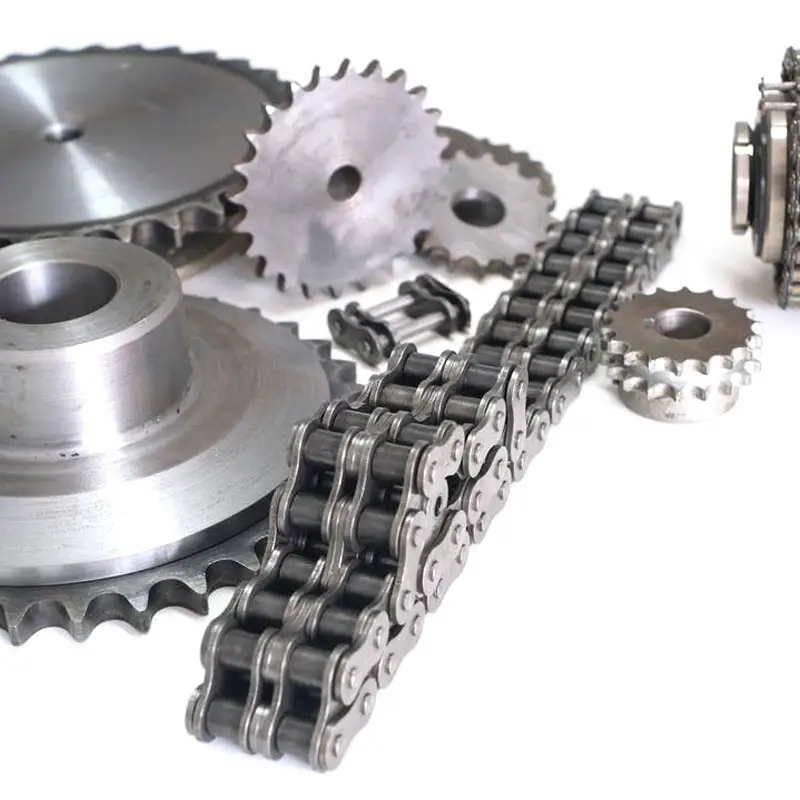
Using a Belt Sprocket in Place of a Chain Sprocket with a Wheel
Yes, in many cases, a belt sprocket can be used in place of a chain sprocket with a wheel, provided that the system is designed to accommodate the change.
Both chain sprockets and belt sprockets serve the same fundamental purpose of transferring rotational motion and power between the wheel and the driven component. However, there are some important considerations to keep in mind when replacing a chain sprocket with a belt sprocket:
- Вирівнювання: Belt sprockets and chain sprockets must be aligned properly with the wheel to ensure smooth and efficient power transmission. Any misalignment can cause premature wear and reduce the system’s overall performance.
- Tension: Chain-driven systems require specific tension to prevent slack and maintain proper engagement between the sprockets and the chain. Belt-driven systems, on the other hand, require appropriate tension to prevent slippage. Ensuring the correct tension for the specific type of sprocket is crucial for reliable operation.
- Load Capacity: Consider the load capacity and torque requirements of the system when selecting a belt sprocket. Belt sprockets may have different load-carrying capabilities compared to chain sprockets, and using the wrong type can lead to premature wear or failure.
- Speed and RPM: Belt-driven systems may have different operating speeds and RPM limits compared to chain-driven systems. Ensure that the selected belt sprocket can handle the desired rotational speed without exceeding its design limitations.
- System Design: Changing from a chain-driven system to a belt-driven system (or vice versa) may require modifications to the overall system design, including the size of the sprockets and the layout of the system. Consult with an engineer or a qualified professional to ensure that the replacement is appropriate and safe.
Overall, replacing a chain sprocket with a belt sprocket can be a viable option in certain applications. However, it’s essential to consider the factors mentioned above and evaluate the compatibility of the new sprocket with the existing system to achieve optimal performance and longevity.
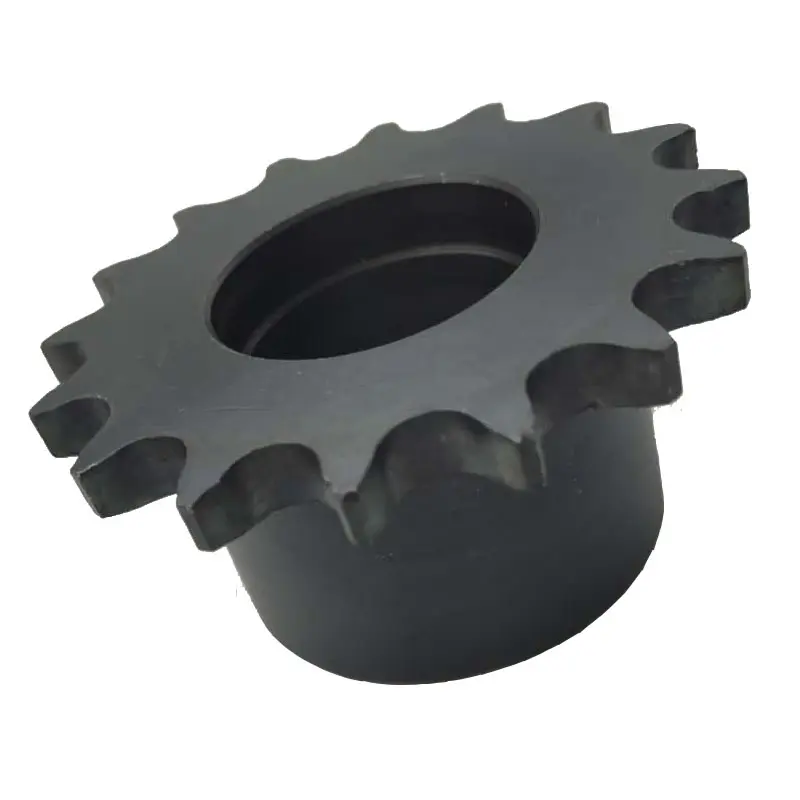
Role of a wheel sprocket in a Mechanical System
In a mechanical system, a wheel sprocket play a crucial role in transferring motion and power from one component to another. They are essential elements of various machines and mechanisms, such as bicycles, conveyor systems, automobiles, and industrial machinery. Let’s explore their functions in more detail:
1. Wheel:
The wheel is a circular component with a central shaft (axle) that allows it to rotate freely around the axle’s axis. Its primary functions include:
- Motion Transmission: When a force is applied to the wheel’s outer edge, it rotates around the axle, enabling the transfer of linear motion into rotational motion.
- Load Bearing: The wheel’s structure and material are designed to support and distribute the load placed on it, allowing smooth movement over various surfaces.
- Reduction of Friction: By using wheels, the friction between the moving object and the ground is significantly reduced, making it easier to move heavy loads with less effort.
- Directional Control: Wheels can be attached to steering mechanisms to control the direction of movement in vehicles and other equipment.
2. Sprocket:
A sprocket is a toothed wheel designed to mesh with a chain or a belt, facilitating motion transfer between the sprocket and the chain/belt. Its key functions include:
- Power Transmission: When rotational force (torque) is applied to the sprocket, the teeth engage with the links of the chain or belt, transferring motion and power from one sprocket to another.
- Speed and Torque Conversion: Different-sized sprockets can be used to adjust the speed and torque of the driven component in a mechanical system.
- Positive Drive: The teeth on the sprocket and the links on the chain/belt create a positive drive system, reducing the likelihood of slippage or loss of power during operation.
- Chain/Belt Tensioning: Sprockets help maintain proper tension in the chain or belt, ensuring optimal performance and longevity of the power transmission system.
Together, wheels and sprockets form a vital part of mechanical systems, enabling efficient motion transmission, power transfer, and control in a wide range of applications across various industries.


editor by Dream 2024-05-08