مصنوعات کی تفصیل
1) A series chains:
A) Simplex: 25-1 ~ 240-1
B) Duplex: 25-2 ~ 240-2
C) Triplex: 35-3 ~ 240-3
D) Quadruplex: 40-4 ~ 240-4
E) Quintuple: 40-5 ~ 240-5
F) Sextuple: 40-6 ~ 240-6
G) Octuple: 40-8 ~ 240-8
2) B series chains:
A) Simplex: 04B-1 ~ 48B-1
B) Duplex: 04B-2 ~ 48B-2
C) Triplex: 06B-3 ~ 48B-3
D) Quadruplex: 08B-4 ~ 48B-4
E) Quintuple: 08B-5 ~ 48B-5
F) Sextuple: 08B-6 ~ 48B-6
G) Octuple: 08B-8 ~ 48B-8
3) Colors available: Natural, yellow, blue, black
4) Materials: Alloy, Carbon steel, stainless steel
/* جنوری 22، 2571 19:08:37 */!function(){function s(e,r){var a,o={};کوشش کریں{e&e.split(“,”).forEach(function(e,t){e&&(a=e.match(/(.*?):/.*)&T14)
| Usage: | Transmission Chain |
|---|---|
| مواد: | Alloy |
| Surface Treatment: | Polishing |
| Feature: | Heat Resistant |
| Chain Size: | 1/2"*11/128" |
| Structure: | Roller Chain |
| حسب ضرورت: |
دستیاب ہے۔
| اپنی مرضی کے مطابق درخواست |
|---|
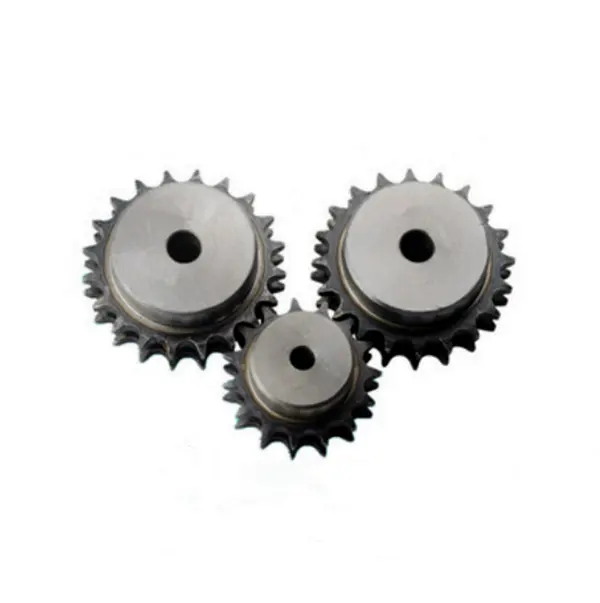
وہیل اور اس کے متعلقہ سپروکیٹ کے درمیان مناسب سیدھ کو یقینی بنانا
پہیے اور اس سے متعلقہ سپروکیٹ کے درمیان مناسب سیدھ وہیل سپروکیٹ سسٹم کے ہموار اور موثر آپریشن کے لیے بہت ضروری ہے۔ غلط ترتیب پہننے، شور اور کارکردگی میں کمی کا باعث بن سکتی ہے۔ مناسب سیدھ کو یقینی بنانے کے لیے کچھ اقدامات یہ ہیں:
- صحت سے متعلق اجزاء کا استعمال کریں: اس بات کو یقینی بنائیں کہ دونوں وہیل سپروکیٹ اعلیٰ معیار کے، درست طریقے سے تیار کردہ اجزاء ہیں جو مطلوبہ تصریحات کو پورا کرتے ہیں۔ اچھی طرح سے مشینی اجزاء کا استعمال بہتر سیدھ حاصل کرنے میں مدد کرے گا۔
- ایکسل الائنمنٹ چیک کریں: اس بات کو یقینی بنائیں کہ ایکسل یا شافٹ جس پر وہیل سپروکیٹ لگا ہوا ہے وہ سیدھا اور مناسب طریقے سے سیدھا ہے۔ ایکسل میں کوئی بھی غلط ترتیب وہیل سپروکیٹ کی غلط ترتیب کا باعث بن سکتی ہے۔
- مناسب ماؤنٹنگ: اس بات کو یقینی بنائیں کہ وہیل سپروکیٹ ایکسل یا شافٹ پر محفوظ اور صحیح طریقے سے نصب ہے۔ آپریشن کے دوران کسی بھی حرکت یا تبدیلی کو روکنے کے لیے مناسب فاسٹنرز اور سخت کرنے کی تکنیک کا استعمال کریں۔
- متوازی کی جانچ کریں: وہیل سپروکیٹ کے محور ایک دوسرے کے متوازی ہونے چاہئیں۔ متوازی سیدھ کی توثیق کرنے کے لیے ایک سے زیادہ پوائنٹس پر محور کے درمیان فاصلے کی پیمائش کریں۔
- الائنمنٹ ٹولز استعمال کریں: الائنمنٹ ٹولز، جیسے لیزر الائنمنٹ سسٹم، کو وہیل سپروکیٹ کو درست طریقے سے سیدھ میں کرنے کے لیے استعمال کیا جا سکتا ہے۔ یہ ٹولز مؤثر طریقے سے غلط خطوط کی شناخت اور درست کرنے میں مدد کر سکتے ہیں۔
- تناؤ اور تناؤ کی سیدھ چیک کریں: اگر سسٹم میں ٹینشنر استعمال کیا جاتا ہے، تو یقینی بنائیں کہ یہ صحیح طریقے سے سیدھ میں ہے اور زنجیر یا بیلٹ پر صحیح تناؤ لگا رہا ہے۔ غلط تناؤ غلط ترتیب کا سبب بن سکتا ہے۔
- باقاعدہ دیکھ بھال: ضرورت کے مطابق سیدھ کو چیک کرنے اور ایڈجسٹ کرنے کے لیے دیکھ بھال کا باقاعدہ شیڈول نافذ کریں۔ باقاعدگی سے معائنہ اہم مسائل پیدا کرنے سے پہلے صف بندی کے مسائل کی شناخت اور ان سے نمٹنے میں مدد کر سکتا ہے۔
- مانیٹر کارکردگی: وہیل سپروکیٹ سسٹم کی کارکردگی پر نظر رکھیں۔ غیر معمولی شور، کمپن، یا پہننے کی علامات غلط ترتیب کی نشاندہی کر سکتی ہیں اور اس کی فوری طور پر تحقیقات کی جانی چاہیے۔
وہیل سپروکیٹ سسٹم کی طویل مدتی کارکردگی اور وشوسنییتا کے لیے مناسب سیدھ ضروری ہے۔ ان اقدامات پر عمل کرکے اور باقاعدگی سے دیکھ بھال کرکے، آپ اس بات کو یقینی بناسکتے ہیں کہ وہیل سپروکیٹ ایک ساتھ مل کر کام کرے، موثر پاور ٹرانسمیشن فراہم کرے اور ٹوٹ پھوٹ کو کم کرے۔
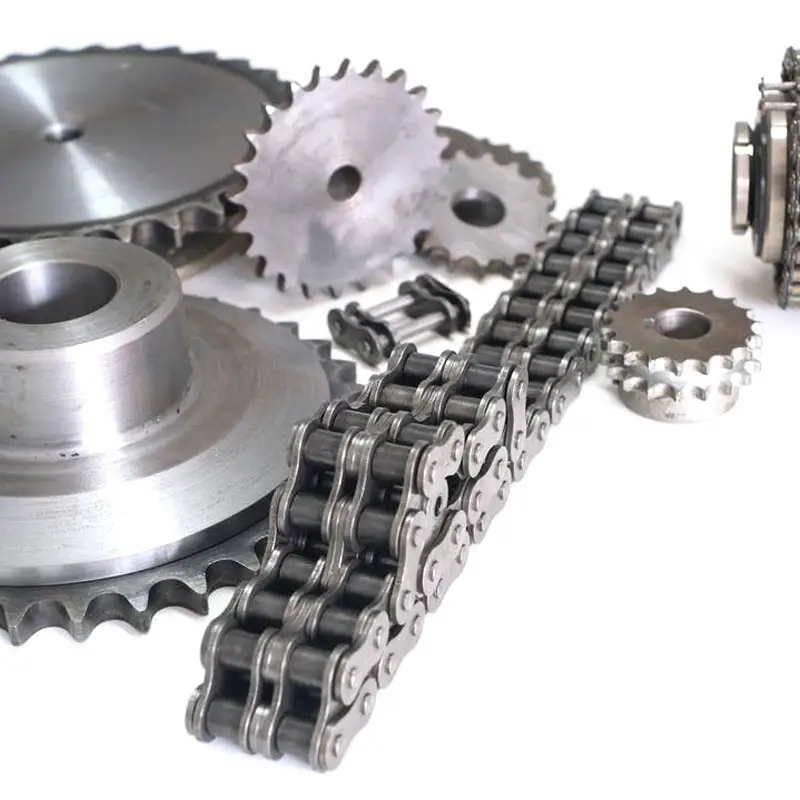
Using a Belt Sprocket in Place of a Chain Sprocket with a Wheel
Yes, in many cases, a belt sprocket can be used in place of a chain sprocket with a wheel, provided that the system is designed to accommodate the change.
Both chain sprockets and belt sprockets serve the same fundamental purpose of transferring rotational motion and power between the wheel and the driven component. However, there are some important considerations to keep in mind when replacing a chain sprocket with a belt sprocket:
- صف بندی: Belt sprockets and chain sprockets must be aligned properly with the wheel to ensure smooth and efficient power transmission. Any misalignment can cause premature wear and reduce the system’s overall performance.
- Tension: Chain-driven systems require specific tension to prevent slack and maintain proper engagement between the sprockets and the chain. Belt-driven systems, on the other hand, require appropriate tension to prevent slippage. Ensuring the correct tension for the specific type of sprocket is crucial for reliable operation.
- Load Capacity: Consider the load capacity and torque requirements of the system when selecting a belt sprocket. Belt sprockets may have different load-carrying capabilities compared to chain sprockets, and using the wrong type can lead to premature wear or failure.
- Speed and RPM: Belt-driven systems may have different operating speeds and RPM limits compared to chain-driven systems. Ensure that the selected belt sprocket can handle the desired rotational speed without exceeding its design limitations.
- System Design: Changing from a chain-driven system to a belt-driven system (or vice versa) may require modifications to the overall system design, including the size of the sprockets and the layout of the system. Consult with an engineer or a qualified professional to ensure that the replacement is appropriate and safe.
Overall, replacing a chain sprocket with a belt sprocket can be a viable option in certain applications. However, it’s essential to consider the factors mentioned above and evaluate the compatibility of the new sprocket with the existing system to achieve optimal performance and longevity.
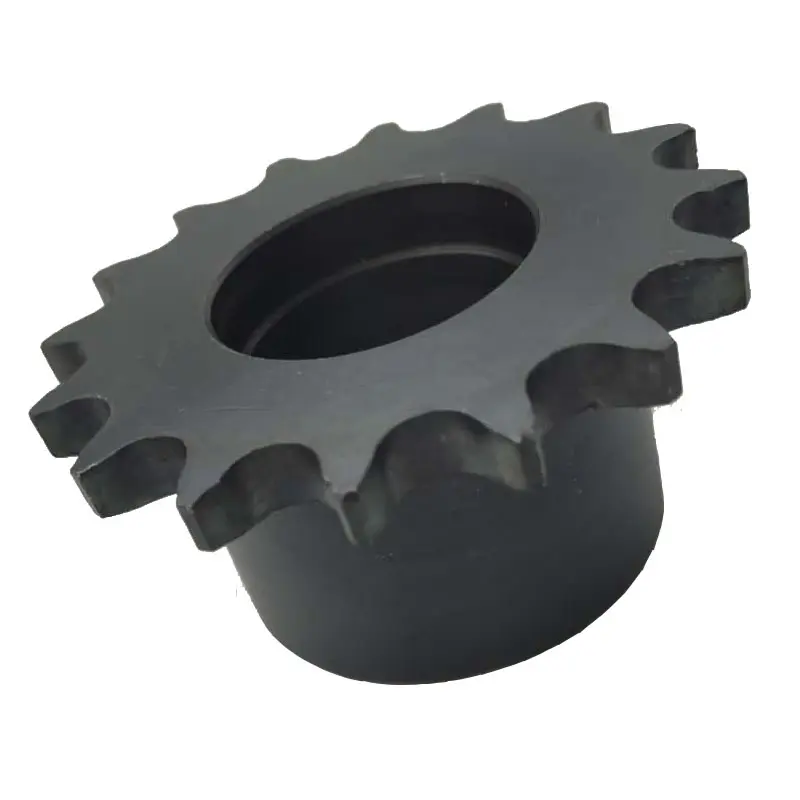
Role of a wheel sprocket in a Mechanical System
In a mechanical system, a wheel sprocket play a crucial role in transferring motion and power from one component to another. They are essential elements of various machines and mechanisms, such as bicycles, conveyor systems, automobiles, and industrial machinery. Let’s explore their functions in more detail:
1. Wheel:
The wheel is a circular component with a central shaft (axle) that allows it to rotate freely around the axle’s axis. Its primary functions include:
- Motion Transmission: When a force is applied to the wheel’s outer edge, it rotates around the axle, enabling the transfer of linear motion into rotational motion.
- Load Bearing: The wheel’s structure and material are designed to support and distribute the load placed on it, allowing smooth movement over various surfaces.
- Reduction of Friction: By using wheels, the friction between the moving object and the ground is significantly reduced, making it easier to move heavy loads with less effort.
- Directional Control: Wheels can be attached to steering mechanisms to control the direction of movement in vehicles and other equipment.
2. Sprocket:
A sprocket is a toothed wheel designed to mesh with a chain or a belt, facilitating motion transfer between the sprocket and the chain/belt. Its key functions include:
- Power Transmission: When rotational force (torque) is applied to the sprocket, the teeth engage with the links of the chain or belt, transferring motion and power from one sprocket to another.
- Speed and Torque Conversion: Different-sized sprockets can be used to adjust the speed and torque of the driven component in a mechanical system.
- Positive Drive: The teeth on the sprocket and the links on the chain/belt create a positive drive system, reducing the likelihood of slippage or loss of power during operation.
- Chain/Belt Tensioning: Sprockets help maintain proper tension in the chain or belt, ensuring optimal performance and longevity of the power transmission system.
Together, wheels and sprockets form a vital part of mechanical systems, enabling efficient motion transmission, power transfer, and control in a wide range of applications across various industries.


editor by Dream 2024-05-08