Ürün Açıklaması
1) A series chains:
A) Simplex: 25-1 ~ 240-1
B) Duplex: 25-2 ~ 240-2
C) Triplex: 35-3 ~ 240-3
D) Quadruplex: 40-4 ~ 240-4
E) Quintuple: 40-5 ~ 240-5
F) Sextuple: 40-6 ~ 240-6
G) Octuple: 40-8 ~ 240-8
2) B series chains:
A) Simplex: 04B-1 ~ 48B-1
B) Duplex: 04B-2 ~ 48B-2
C) Triplex: 06B-3 ~ 48B-3
D) Quadruplex: 08B-4 ~ 48B-4
E) Quintuple: 08B-5 ~ 48B-5
F) Sextuple: 08B-6 ~ 48B-6
G) Octuple: 08B-8 ~ 48B-8
3) Colors available: Natural, yellow, blue, black
4) Materials: Alloy, Carbon steel, stainless steel
/* 22 Ocak 2571 19:08:37 */!function(){function s(e,r){var a,o={};try{e&&e.split(“,”).forEach(function(e,t){e&&(a=e.match(/(.*?):(.*)$/))&&1
| Usage: | Transmission Chain |
|---|---|
| Malzeme: | Alloy |
| Surface Treatment: | Polishing |
| Feature: | Heat Resistant |
| Chain Size: | 1/2"*11/128" |
| Structure: | Roller Chain |
| Özelleştirme: |
Mevcut
| Özelleştirilmiş Talep |
|---|
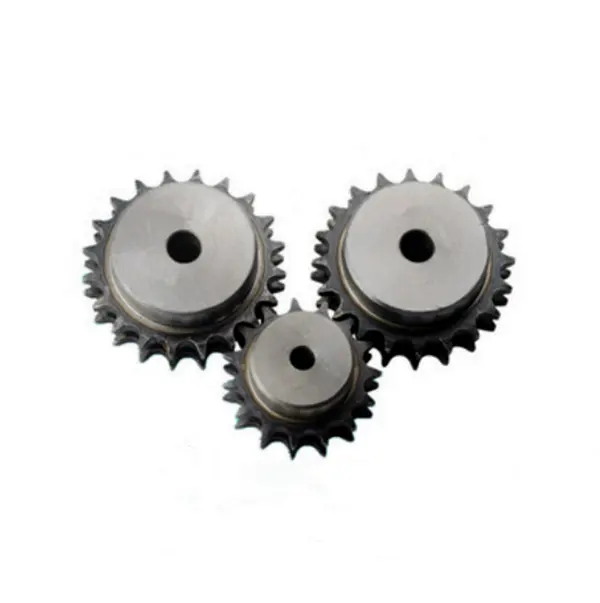
Tekerlek ile ona karşılık gelen dişli çark arasında doğru hizalamanın sağlanması
Tekerlek ile ona karşılık gelen dişli çark arasındaki doğru hizalama, tekerlek dişli sisteminin sorunsuz ve verimli çalışması için çok önemlidir. Yanlış hizalama, aşınmanın artmasına, gürültüye ve performans düşüşüne yol açabilir. Doğru hizalamayı sağlamak için bazı adımlar şunlardır:
- Hassas Bileşenler Kullanın: Tekerlek dişlisinin yüksek kaliteli, hassas bir şekilde üretilmiş ve gerekli özelliklere uygun parçalar olduğundan emin olun. İyi işlenmiş parçalar kullanmak, daha iyi hizalama elde etmenize yardımcı olacaktır.
- Aks hizalamasını kontrol edin: Tekerlek dişlisinin monte edildiği aksın veya milin düz ve doğru hizalanmış olduğundan emin olun. Akstaki herhangi bir hizalama hatası, tekerlek dişlisinin de hizalama hatasına yol açabilir.
- Doğru Montaj: Tekerlek dişlisinin aksa veya şafta güvenli ve doğru şekilde monte edildiğinden emin olun. Çalışma sırasında herhangi bir hareket veya kaymayı önlemek için uygun bağlantı elemanları ve sıkma teknikleri kullanın.
- Paralellik kontrolü: Dişli çarkın eksenleri birbirine paralel olmalıdır. Paralel hizalamayı doğrulamak için eksenler arasındaki mesafeyi birden fazla noktada ölçün.
- Hizalama Araçlarını Kullanın: Lazer hizalama sistemleri gibi hizalama araçları, tekerlek dişlisini doğru bir şekilde hizalamak için kullanılabilir. Bu araçlar, yanlış hizalamaları etkili bir şekilde tespit etmeye ve düzeltmeye yardımcı olabilir.
- Gerginliği ve gergi mekanizmasının hizalamasını kontrol edin: Sistemde gergi mekanizması kullanılıyorsa, doğru şekilde hizalandığından ve zincire veya kayışa doğru gerginliği uyguladığından emin olun. Yanlış gerginlik, hizalama sorununa neden olabilir.
- Düzenli Bakım: Düzenli bir bakım programı uygulayarak, gerektiğinde hizalamayı kontrol edin ve ayarlayın. Düzenli kontroller, hizalama sorunlarının önemli problemlere yol açmadan önce belirlenmesine ve giderilmesine yardımcı olabilir.
- Performansı İzle: Tekerlek dişli sisteminin performansını yakından takip edin. Olağandışı sesler, titreşimler veya aşınma belirtileri, hizalama sorununa işaret edebilir ve derhal incelenmelidir.
Tekerlek dişli sisteminin uzun vadeli performansı ve güvenilirliği için doğru hizalama şarttır. Bu adımları izleyerek ve düzenli bakım yaparak, tekerlek dişlilerinin uyumlu bir şekilde çalışmasını, verimli güç aktarımını sağlamasını ve aşınmayı en aza indirmesini sağlayabilirsiniz.
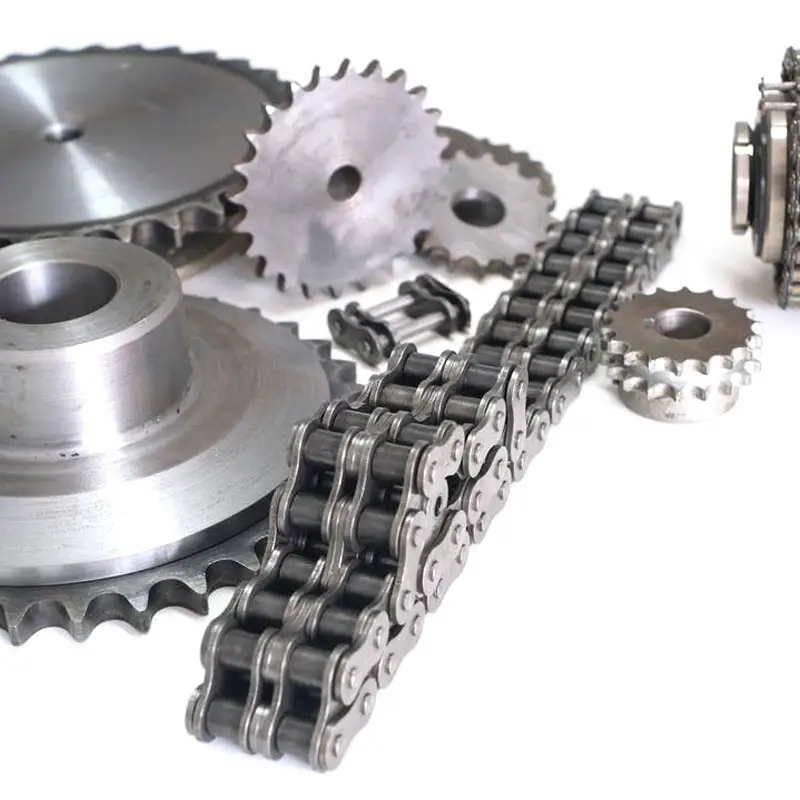
Using a Belt Sprocket in Place of a Chain Sprocket with a Wheel
Yes, in many cases, a belt sprocket can be used in place of a chain sprocket with a wheel, provided that the system is designed to accommodate the change.
Both chain sprockets and belt sprockets serve the same fundamental purpose of transferring rotational motion and power between the wheel and the driven component. However, there are some important considerations to keep in mind when replacing a chain sprocket with a belt sprocket:
- Hizalama: Belt sprockets and chain sprockets must be aligned properly with the wheel to ensure smooth and efficient power transmission. Any misalignment can cause premature wear and reduce the system’s overall performance.
- Tension: Chain-driven systems require specific tension to prevent slack and maintain proper engagement between the sprockets and the chain. Belt-driven systems, on the other hand, require appropriate tension to prevent slippage. Ensuring the correct tension for the specific type of sprocket is crucial for reliable operation.
- Load Capacity: Consider the load capacity and torque requirements of the system when selecting a belt sprocket. Belt sprockets may have different load-carrying capabilities compared to chain sprockets, and using the wrong type can lead to premature wear or failure.
- Speed and RPM: Belt-driven systems may have different operating speeds and RPM limits compared to chain-driven systems. Ensure that the selected belt sprocket can handle the desired rotational speed without exceeding its design limitations.
- System Design: Changing from a chain-driven system to a belt-driven system (or vice versa) may require modifications to the overall system design, including the size of the sprockets and the layout of the system. Consult with an engineer or a qualified professional to ensure that the replacement is appropriate and safe.
Overall, replacing a chain sprocket with a belt sprocket can be a viable option in certain applications. However, it’s essential to consider the factors mentioned above and evaluate the compatibility of the new sprocket with the existing system to achieve optimal performance and longevity.
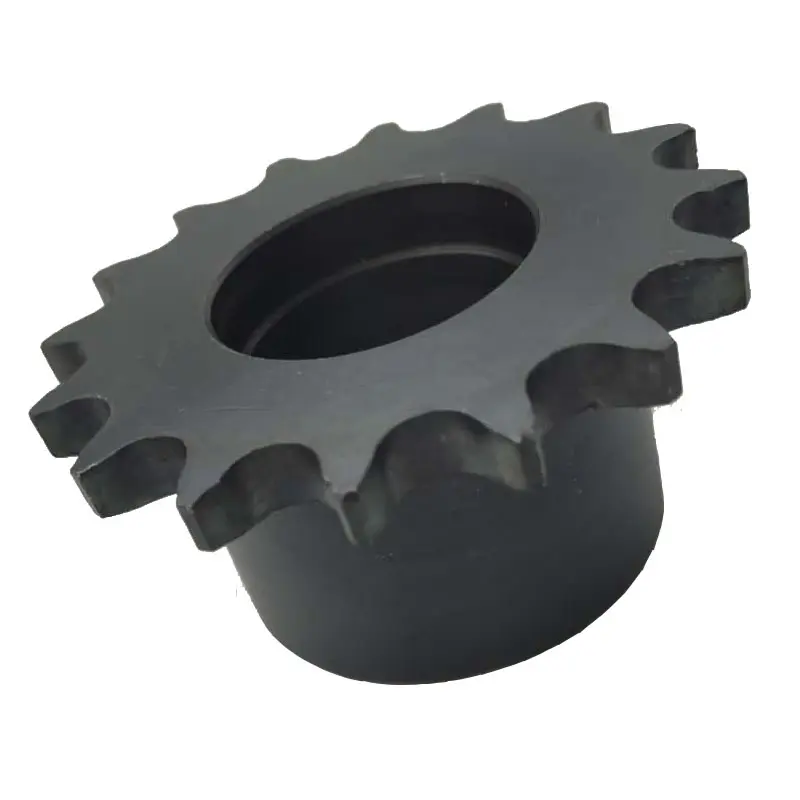
Role of a wheel sprocket in a Mechanical System
In a mechanical system, a wheel sprocket play a crucial role in transferring motion and power from one component to another. They are essential elements of various machines and mechanisms, such as bicycles, conveyor systems, automobiles, and industrial machinery. Let’s explore their functions in more detail:
1. Wheel:
The wheel is a circular component with a central shaft (axle) that allows it to rotate freely around the axle’s axis. Its primary functions include:
- Motion Transmission: When a force is applied to the wheel’s outer edge, it rotates around the axle, enabling the transfer of linear motion into rotational motion.
- Load Bearing: The wheel’s structure and material are designed to support and distribute the load placed on it, allowing smooth movement over various surfaces.
- Reduction of Friction: By using wheels, the friction between the moving object and the ground is significantly reduced, making it easier to move heavy loads with less effort.
- Directional Control: Wheels can be attached to steering mechanisms to control the direction of movement in vehicles and other equipment.
2. Sprocket:
A sprocket is a toothed wheel designed to mesh with a chain or a belt, facilitating motion transfer between the sprocket and the chain/belt. Its key functions include:
- Power Transmission: When rotational force (torque) is applied to the sprocket, the teeth engage with the links of the chain or belt, transferring motion and power from one sprocket to another.
- Speed and Torque Conversion: Different-sized sprockets can be used to adjust the speed and torque of the driven component in a mechanical system.
- Positive Drive: The teeth on the sprocket and the links on the chain/belt create a positive drive system, reducing the likelihood of slippage or loss of power during operation.
- Chain/Belt Tensioning: Sprockets help maintain proper tension in the chain or belt, ensuring optimal performance and longevity of the power transmission system.
Together, wheels and sprockets form a vital part of mechanical systems, enabling efficient motion transmission, power transfer, and control in a wide range of applications across various industries.


editor by Dream 2024-05-08