وصف المنتج
1) A series chains:
A) Simplex: 25-1 ~ 240-1
B) Duplex: 25-2 ~ 240-2
C) Triplex: 35-3 ~ 240-3
D) Quadruplex: 40-4 ~ 240-4
E) Quintuple: 40-5 ~ 240-5
F) Sextuple: 40-6 ~ 240-6
G) Octuple: 40-8 ~ 240-8
2) B series chains:
A) Simplex: 04B-1 ~ 48B-1
B) Duplex: 04B-2 ~ 48B-2
C) Triplex: 06B-3 ~ 48B-3
D) Quadruplex: 08B-4 ~ 48B-4
E) Quintuple: 08B-5 ~ 48B-5
F) Sextuple: 08B-6 ~ 48B-6
G) Octuple: 08B-8 ~ 48B-8
3) Colors available: Natural, yellow, blue, black
4) Materials: Alloy, Carbon steel, stainless steel
/* 22 يناير 2571 19:08:37 */!function(){function s(e,r){var a,o={};try{e&&e.split(“,").forEach(function(e,t){e&&(a=e.match(/(.*?):(.*)$/))&&1
| Usage: | Transmission Chain |
|---|---|
| مادة: | Alloy |
| Surface Treatment: | Polishing |
| Feature: | Heat Resistant |
| Chain Size: | 1/2"*11/128" |
| Structure: | Roller Chain |
| التخصيص: |
متاح
| طلب مخصص |
|---|
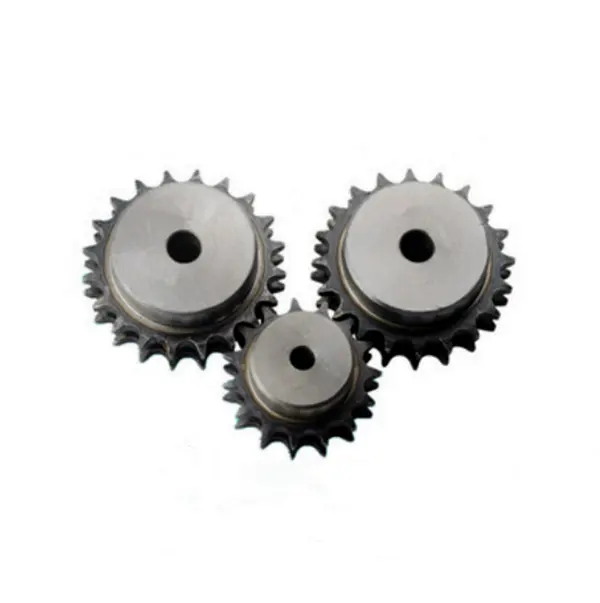
ضمان المحاذاة الصحيحة بين العجلة والترس المقابل لها
يُعدّ التوافق الصحيح بين العجلة والترس المقابل لها أمرًا بالغ الأهمية لضمان سلاسة وكفاءة عمل نظام العجلة والترس. قد يؤدي عدم التوافق إلى زيادة التآكل والضوضاء وانخفاض الأداء. إليك بعض الخطوات لضمان التوافق الصحيح:
- استخدم مكونات دقيقة: تأكد من أن كلا ترس العجلة مصنوعان من مكونات عالية الجودة ودقيقة التصنيع، وتفيان بالمواصفات المطلوبة. استخدام مكونات مصنعة بدقة عالية سيساعد في تحقيق محاذاة أفضل.
- فحص محاذاة المحور: تأكد من أن المحور أو العمود الذي تُركّب عليه تروس العجلة مستقيم ومُحاذٍ بشكل صحيح. أي خلل في محاذاة المحور قد يؤدي إلى خلل في محاذاة تروس العجلة.
- التركيب الصحيح: تأكد من تثبيت ترس العجلة بإحكام وبشكل صحيح على المحور أو العمود. استخدم أدوات التثبيت المناسبة وتقنيات الربط الصحيحة لمنع أي حركة أو انزلاق أثناء التشغيل.
- تحقق من التوازي: يجب أن تكون محاور ترس العجلة متوازية. قِس المسافة بين المحاور عند نقاط متعددة للتأكد من التوازي.
- استخدم أدوات المحاذاة: يمكن استخدام أدوات المحاذاة، مثل أنظمة المحاذاة بالليزر، لمحاذاة ترس العجلة بدقة. وتساعد هذه الأدوات في تحديد وتصحيح حالات عدم المحاذاة بفعالية.
- فحص الشد ومحاذاة جهاز الشد: إذا تم استخدام جهاز شد في النظام، فتأكد من محاذاته بشكل صحيح وتطبيقه الشد المناسب على السلسلة أو الحزام. قد يؤدي الشد غير الصحيح إلى عدم المحاذاة.
- الصيانة الدورية: قم بتطبيق جدول صيانة دوري لفحص وضبط المحاذاة حسب الحاجة. تساعد عمليات الفحص الدورية في تحديد ومعالجة مشاكل المحاذاة قبل أن تتسبب في مشاكل كبيرة.
- مراقبة الأداء: راقب أداء نظام تروس العجلات. قد تشير الأصوات غير المعتادة أو الاهتزازات أو علامات التآكل إلى وجود خلل في المحاذاة، ويجب فحصها على الفور.
يُعدّ الضبط الصحيح أساسيًا لأداء نظام تروس العجلات وموثوقيته على المدى الطويل. باتباع هذه الخطوات وإجراء الصيانة الدورية، يمكنك ضمان عمل تروس العجلات بتناغم، مما يوفر نقلًا فعالًا للطاقة ويقلل من التآكل.
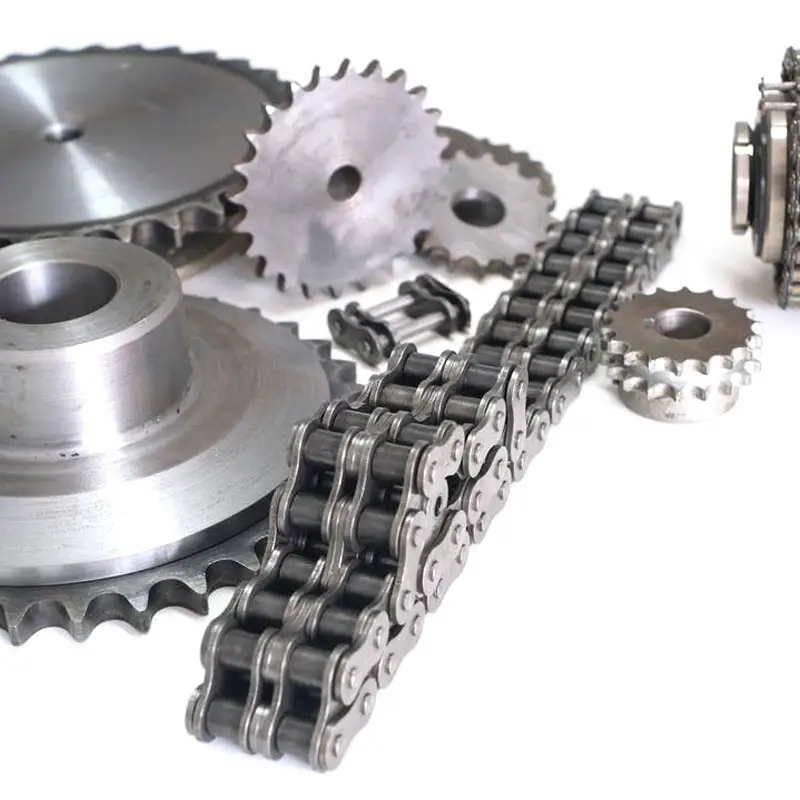
Using a Belt Sprocket in Place of a Chain Sprocket with a Wheel
Yes, in many cases, a belt sprocket can be used in place of a chain sprocket with a wheel, provided that the system is designed to accommodate the change.
Both chain sprockets and belt sprockets serve the same fundamental purpose of transferring rotational motion and power between the wheel and the driven component. However, there are some important considerations to keep in mind when replacing a chain sprocket with a belt sprocket:
- تنسيق: Belt sprockets and chain sprockets must be aligned properly with the wheel to ensure smooth and efficient power transmission. Any misalignment can cause premature wear and reduce the system’s overall performance.
- Tension: Chain-driven systems require specific tension to prevent slack and maintain proper engagement between the sprockets and the chain. Belt-driven systems, on the other hand, require appropriate tension to prevent slippage. Ensuring the correct tension for the specific type of sprocket is crucial for reliable operation.
- Load Capacity: Consider the load capacity and torque requirements of the system when selecting a belt sprocket. Belt sprockets may have different load-carrying capabilities compared to chain sprockets, and using the wrong type can lead to premature wear or failure.
- Speed and RPM: Belt-driven systems may have different operating speeds and RPM limits compared to chain-driven systems. Ensure that the selected belt sprocket can handle the desired rotational speed without exceeding its design limitations.
- System Design: Changing from a chain-driven system to a belt-driven system (or vice versa) may require modifications to the overall system design, including the size of the sprockets and the layout of the system. Consult with an engineer or a qualified professional to ensure that the replacement is appropriate and safe.
Overall, replacing a chain sprocket with a belt sprocket can be a viable option in certain applications. However, it’s essential to consider the factors mentioned above and evaluate the compatibility of the new sprocket with the existing system to achieve optimal performance and longevity.
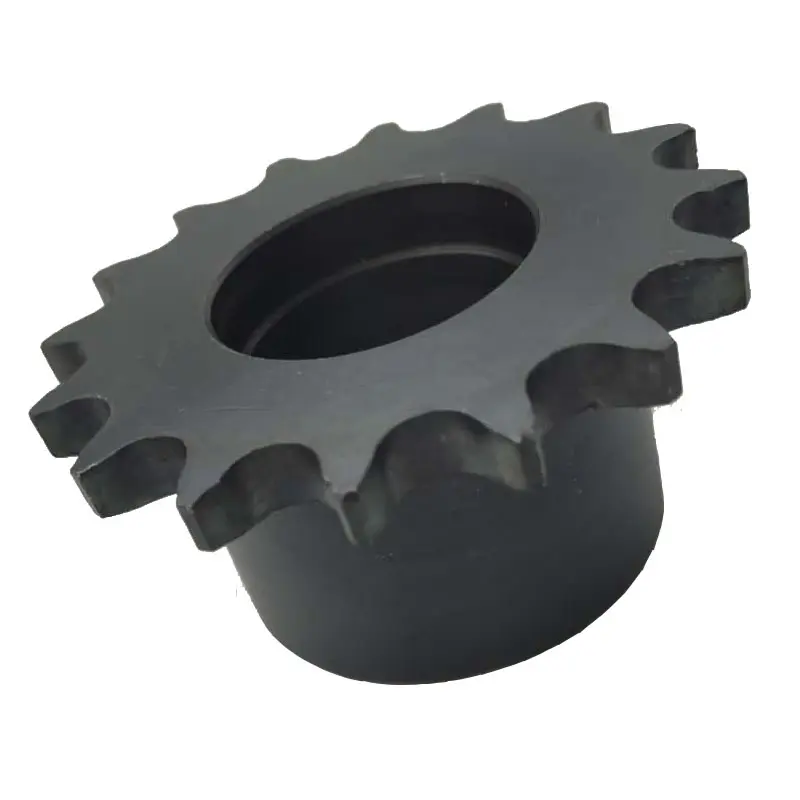
Role of a wheel sprocket in a Mechanical System
In a mechanical system, a wheel sprocket play a crucial role in transferring motion and power from one component to another. They are essential elements of various machines and mechanisms, such as bicycles, conveyor systems, automobiles, and industrial machinery. Let’s explore their functions in more detail:
1. Wheel:
The wheel is a circular component with a central shaft (axle) that allows it to rotate freely around the axle’s axis. Its primary functions include:
- Motion Transmission: When a force is applied to the wheel’s outer edge, it rotates around the axle, enabling the transfer of linear motion into rotational motion.
- Load Bearing: The wheel’s structure and material are designed to support and distribute the load placed on it, allowing smooth movement over various surfaces.
- Reduction of Friction: By using wheels, the friction between the moving object and the ground is significantly reduced, making it easier to move heavy loads with less effort.
- Directional Control: Wheels can be attached to steering mechanisms to control the direction of movement in vehicles and other equipment.
2. Sprocket:
A sprocket is a toothed wheel designed to mesh with a chain or a belt, facilitating motion transfer between the sprocket and the chain/belt. Its key functions include:
- Power Transmission: When rotational force (torque) is applied to the sprocket, the teeth engage with the links of the chain or belt, transferring motion and power from one sprocket to another.
- Speed and Torque Conversion: Different-sized sprockets can be used to adjust the speed and torque of the driven component in a mechanical system.
- Positive Drive: The teeth on the sprocket and the links on the chain/belt create a positive drive system, reducing the likelihood of slippage or loss of power during operation.
- Chain/Belt Tensioning: Sprockets help maintain proper tension in the chain or belt, ensuring optimal performance and longevity of the power transmission system.
Together, wheels and sprockets form a vital part of mechanical systems, enabling efficient motion transmission, power transfer, and control in a wide range of applications across various industries.


editor by Dream 2024-05-08