Produktbeschreibung
Produktbeschreibung
Die Motorradkette wird aus hochwertigen Stählen wie 40Mn, 30CrMnTi und 20Mn gefertigt. Nach dem Stanzen, Schneiden, Walzen, Kaltumformen und weiteren Bearbeitungsschritten mit hochpräzisen Maschinen und Anlagen werden die Teile durch isothermes Carbonitrieren gehärtet und anschließend rostgeschützt. Abschließend wird die Kette auf einer aus Zhejiang importierten automatischen Montage- und Prüflinie montiert, vernietet, vorgezogen und geprüft, um die einwandfreie Funktion jeder einzelnen Kette sicherzustellen.
Das Motorradkettenrad besteht aus 20CrMnTi, 1045 und anderen hochwertigen Stählen. Nach hochpräzisem Stanzen, Richten, Drehen, Fräsen und weiteren Bearbeitungsschritten wird das Kettenrad durch Hochtemperaturhärten gehärtet und anschließend nach dem Kugelstrahlen galvanisiert, lackiert oder anderweitig oberflächenbehandelt.
Detaillierte Fotos
| BRASILIEN | AX100, BIZ125, BIZ98/00, C70, C90, C100, CB250, CB400, CBR450, CBX150, CBX200, CBX250, CD100, CG125, CG150, CRYPTON, DREAM, DS80, DT100, DT125, DT200, FAN125, FD115, FR80, FS80, G7S/KW100, HUNTER125, JOG CY50, KMX125/KTZ, LB80, MAX125, MB100, NX150, NXR150, POP100, RD125, RD135, RDZ125, RDZ135, RX100, RX100/125 RX115/135, TITAN150, TITAN2000, TS100ER, TSZCN125, V80, WEB NEW, XL125, XL185, XLR125, XR200, XR200R, XR250, XRE300, XTZ125 06/07, YER115, YER125, YES125 |
| ARGENTINIEN | AX100, AXIS90, C70, C90, C100, C110, CB250, CBX150, CBX200, CD110, CG125 TODAY, CRYPTON, DAELTM, DAX70, DT125, ECONO C90 LUXE, ELITE50, GY6-50, GY6-60, GY6-80, GY6-100, GY6-125, GY6-150, MAX100, NXR125, NX150, RX100, SMASH, STROM125, TITAN150, TITAN99, TITAN2000, YBR125, V80, WAVE110, XLR125, XR200R, XR250, ZANELLA200 |
| COLUMBIA | ACTIVE110, AKT110, AK125, AKT125, AX100, AX125, AXIS90, BIZ, BOXER CT100, BWS125, C50, C70/CD70/JH70, C90/CD90/JH90, C100, C110, CB150, CBF150, CD100, CG125, CG150, CG200, CICLON125, CRYPTON, CT100, CRUX, DISCOVER100, DISCOVER135, DT125, DT125K, ECO, EM125, EN125, FD115, FR50, FR80, FXD125, GN125, GN125H, GRAND, GS125, GSD-16LIBERO, GSX GY6-150, GY6-200, HERO, JD100, JL110MIX, KW100, LB80, MT90/V50, PULSAR, RX100, RX115, RX125, RX135, SMASH110, SRZ150, TIGER, TITAN99, TITAN150, TR125, TS/CN125, TS/CR125, V50, V80, WY147, XF90, XF125, XL125, XL185, XR200, YBR125 |
| AFRIKA | AG100, AP125-9G, AP150, A100, AX100, BAJ100, BAJ205, BAJ3W, BS125, C50, C75, CB110, CB125, CB150, CD100, CD110, CG125, CG150, CG200, CT100, DT125, FR80, GK125, JH70, K90, KYMCO, MB100, QLINK, RC100, RE205, RX115, RX125, RX135, RZ100, V50, V80, SY125, TVS125, TVS160, YB100 |
| INDIEN | ACTIVA, APACHE, BAJAJ CT100DLX, BAJAJ DISCOVER, BAJAJ PULSAR, CBZ STAR, CD100, CD-CLEL AX, CRUX, CT100, DASHAION NEUES MODELL, DISCOVER135, ENT, EWIRE, FIERO F2, KB-4S, KRZIMA-R, LIBG-5, NXV, PASHAION, PLATINA100, PLATINA150, PULSAR, R15, SCOOTY PEP, SPLANDER, STAR, SYARCTS, SUPEX SPLINDG, TVS GLX, TVS VICTOR, VICTOR, VLAMEAR, XCD125, XLS |
| PHILIPPINEN | AURA110, B120, BARAKO, C100, C70DD, CG125, CRYPTON, CRYPTON-Z/X1, DT125, G7S, HAWK1 50-2, HD3, MIO, MSX125S/ZESTX110-1, RAIDER150, RS100, SAP110/MSX125-1, SHOGUN PRO, SHOGUN/SHOGUN125, SMASH, STAR-X 125, STAR-X 150/155(ZS), STAR-X 155(JL), STX125, TM110S, WAVE 100R, WAVE110, WAVE125, WELL 125R, WIND125, X-120, X4/GP125, X-PLORER-Z 200 NEU, XRM, YL2 DX, YL2GF, ZEST X110-2/WELL 125S |
| INDONESIEN | ABSOLUTE REVO, ALFA/FORCE-1, ASTREA/CBDDA, BEAT, BLADE, C7000, C7OMK 7 LINES, CB100, CG125, FR80, GL100, GLK, GLPRO, GL PRO CDI, GLPRO NEOTECH, GRAND, JUPITER-Z, KARISMA, KAZE, L2SN, MEGA PRO NEU 2007, MIO SOUL, MIO/JUPITER MX, NINJA, PRIMA, PX150, RC110, RC80, REVO, RG110, RX100, RXK NEW 2003, RXK/RXK NEW, RXS/RXKING |
| NAHER OSTEN | AN125, AN150, BAJAJ150, BWS50, BWS100, CG250, CB250, CB150, DIO50 ZX, DT125, GS50, GY6, JH70, JOG50, JOG70, KAB, KS4, KVB110,L110 A, MIO125, MIO150 2V, MIO150 4V, RE205, RX135, SYM125, SYM150, UZ125, UZ/V125, VINO 50, WH100, WH125, YP250, ZY100, ZY125 |
| TRUTHAHN | ACTIVA, AN125, C110, CD70, CD100, CD110, CM125, CUB, CUB LIF3VALF, CUB110, CG125, CG150, CG200, CG250, SCT125, SCT150, CBF125, CBF150, GY6, FIZY, SPACY, WH100, WH125, WAVE110, YBR125 |
| MALAYSIA | C70, C70Z, EG110, EX5, EX5 CLASS, FR80, GBO, GBO-J, KISS II, KR150, KRISS, LC35, MZ125, RC110/RG110, RC80, RXS, RXZ, SRL110, TZM150, WAVE 100, WAVE 125, Y 100/Y110, Y 125Z, Y80 |
| THAILAND | A100SR, AX100, BEAT, BEST, C50K2, C70, DASH, DREAM, DT125, FR8ON, JR120, JUXEDO, KAZE, KR150-6, KS150-4/SERPICO, LS125, MIO, NOVAS, RC100/RC80, RXS, SMASH, SONIC, TENA, VR150, WAVE110, WAVE125, Y100, Y80M |
Unternehmensprofil
Team-Go I&E Co., Ltd. (Hangzhou) ist ein professionelles Unternehmen, das Produktion, Handel und Vertrieb integriert. Team-Go, ehemals LZNF, wurde 1996 gegründet und ist hauptsächlich im Export, Import und Inlandshandel von Autozubehörteilen, der Lebensmittelproduktion und damit verbundenen Dienstleistungen tätig. Das Unternehmen ist nach ISO 9001:2000 zertifiziert.
Team-Go ist ein renommierter Hersteller und Exporteur mit langjähriger Tradition, hoher Fachkompetenz und starker technischer Kompetenz. Wir verfügen zudem über die Fähigkeit, neue Produkte nach Kundenvorgaben oder -zeichnungen zu entwickeln. Unsere Produkte erfreuen sich bereits großer Beliebtheit in zahlreichen Märkten, darunter Südamerika, Asien und Afrika.
Unser Unternehmen folgt dem Prinzip „Menschenorientiert, kundenzentriert, integer, leistungsorientiert“. Um eine Win-Win-Situation zu erreichen, setzen wir alles daran, Zeit und Aufwand zu sparen und Marktanteile für unsere Kunden zu gewinnen. Wir sind überzeugt, dass unsere umfassenden Ressourcen und exzellenten Dienstleistungen Ihren hohen Ansprüchen gerecht werden.
Wenn Sie uns Ihr Vertrauen schenken und sich für uns entscheiden, ist das die beste Entscheidung, die Sie je getroffen haben!
Verpackung & Versand
/* 22. Januar 2571 19:08:37 */!function(){function s(e,r){var a,o={};try{e&&e.split(“,”).forEach(function(e,t){e&&(a=e.match(/(.*?):(.*)$/))&&1
| Typ: | Motorradgetriebe |
|---|---|
| Zertifizierung: | ISO9001: 2000 |
| Material: | Stahl |
| Proben: |
US$ 4/Stück
1 Stück (Mindestbestellmenge) | Muster bestellen |
|---|
| Anpassung: |
Verfügbar
| Kundenspezifische Anfrage |
|---|
.shipping-cost-tm .tm-status-off{background: none;padding:0;color: #1470cc}
|
Versandkosten:
Geschätzte Frachtkosten pro Einheit. |
über Versandkosten und voraussichtliche Lieferzeit. |
|---|
| Zahlungsmethode: |
|
|---|---|
|
Erste Zahlung Vollständige Zahlung |
| Währung: | US$ |
|---|
| Rückgabe & Erstattung: | Sie können bis zu 30 Tage nach Erhalt der Produkte eine Rückerstattung beantragen. |
|---|
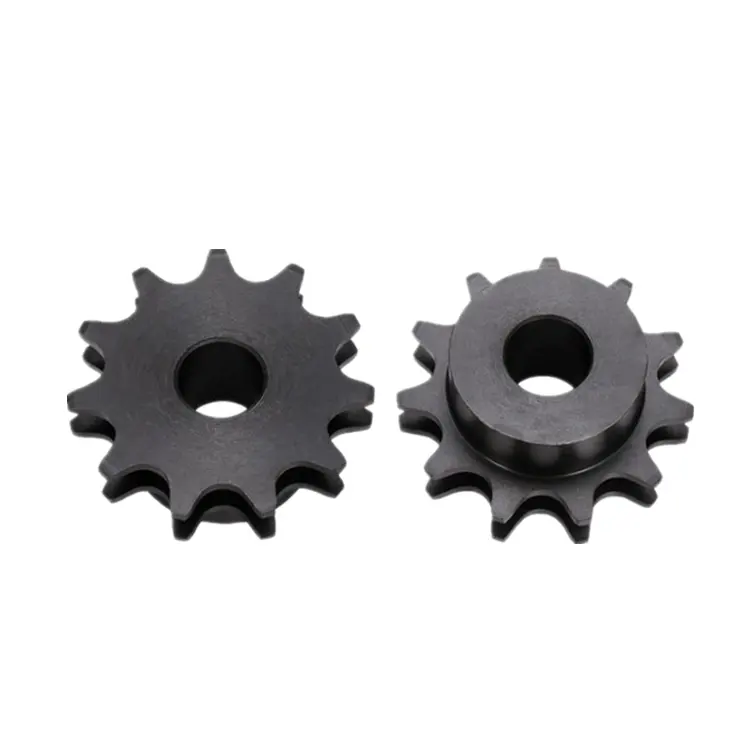
wheel sprocket System in Heavy Machinery and Industrial Equipment
Yes, a wheel sprocket system is commonly used in heavy machinery and industrial equipment for power transmission and motion control. The wheel sprocket configuration is a versatile and efficient method of transmitting rotational force between two shafts.
In heavy machinery and industrial equipment, the wheel is typically attached to one shaft, while the sprocket is mounted on another shaft. A chain or a toothed belt is wrapped around the wheel sprocket, connecting them. When the wheel is rotated, the chain or belt engages with the sprocket, causing the sprocket and the connected shaft to rotate as well. This mechanism allows the transfer of power from one shaft to the other, enabling various components and parts of the machinery to function.
Common applications of the wheel sprocket system in heavy machinery include:
- Construction Machinery: Wheel loaders, excavators, cranes, and other construction equipment often use wheel sprocket systems for efficient power transmission in various moving parts.
- Material Handling Equipment: Forklifts, conveyor systems, and other material handling equipment utilize wheel sprocket configurations to move goods and materials smoothly and reliably.
- Mining Equipment: Mining machinery, such as drilling rigs and conveyors, often incorporate wheel sprocket assemblies for power transmission in challenging environments.
- Agricultural Machinery: Tractors, combines, and other agricultural equipment use wheel sprocket systems to drive various components like wheels and harvesting mechanisms.
- Industrial Robotics: Robots and automated systems in manufacturing often utilize wheel sprocket setups for precise motion control and efficient power transmission.
One of the key advantages of the wheel sprocket system is its ability to handle heavy loads and transmit power over long distances. It is a reliable and cost-effective method of power transmission in various industrial settings. However, proper maintenance and alignment are crucial to ensuring the system’s optimal performance and longevity.
Overall, the wheel sprocket system is a widely used and effective power transmission solution in heavy machinery and industrial equipment, offering versatility and efficiency in a range of applications.
Inspecting a wheel sprocket for Wear and Tear
Regular inspection of the wheel sprocket is essential to ensure their proper functioning and to identify any signs of wear and tear. Here are the steps to inspect a wheel sprocket:
- Visual Inspection: Start by visually examining the wheel sprocket for any visible signs of wear, damage, or deformation. Look for cracks, chips, dents, or any irregularities on the surface of both components.
- Check for Misalignment: Verify that the wheel sprocket are properly aligned with each other. Misalignment can lead to accelerated wear and affect the overall performance of the system.
- Measure Wear: Use calipers or a wear gauge to measure the sprocket’s tooth profile and the wheel’s rolling surface. Compare these measurements with the original specifications to determine if significant wear has occurred.
- Inspect Teeth and Chain Engagement: If the wheel sprocket are part of a chain drive system, closely examine the sprocket teeth and chain engagement. Worn or elongated teeth can cause poor chain engagement and lead to premature failure.
- Schmierung: Check the lubrication of the wheel sprocket. Insufficient or excessive lubrication can cause increased friction, leading to wear and reduced efficiency.
- Bearing Condition: If the wheel is mounted on a shaft with bearings, inspect the bearings for any signs of wear, noise, or rough movement. Properly functioning bearings are crucial for the smooth operation of the system.
- Inspect Mounting Hardware: Ensure that all nuts, bolts, and other mounting hardware are securely tightened. Loose fasteners can cause vibration and misalignment issues.
- Check for Contaminants: Remove any debris, dirt, or foreign particles that may have accumulated on the wheel or sprocket. Contaminants can accelerate wear and damage the components.
- Replacement or Maintenance: Based on the inspection results, determine if any parts need replacement or if maintenance is required. Address any issues promptly to prevent further damage and maintain the system’s performance.
Regularly scheduled inspections and maintenance can help prolong the lifespan of the wheel sprocket assembly, optimize performance, and ensure the safety of the mechanical system.

Choosing the Right Size of Sprocket to Match a Wheel
Choosing the correct size of sprocket to match a wheel is essential for ensuring efficient power transmission and proper functionality of a mechanical system. Here are the steps to help you choose the right size of sprocket:
1. Determine the Pitch Diameter of the Wheel:
Measure the diameter of the wheel from the center to the point where the teeth of the sprocket will engage with the wheel. This measurement is known as the pitch diameter of the wheel.
2. Identify the Desired Gear Ratio:
Determine the gear ratio you want to achieve for your application. The gear ratio is the ratio of the number of teeth on the sprocket to the number of teeth on the wheel and determines the speed and torque output.
3. Calculate the Number of Teeth on the Sprocket:
Once you have the pitch diameter of the wheel and the desired gear ratio, you can calculate the number of teeth on the sprocket using the formula:
Number of Teeth on Sprocket = (Desired Gear Ratio) * (Number of Teeth on Wheel)
4. Select a Standard Sprocket Size:
Based on the calculated number of teeth on the sprocket, choose a standard sprocket size that comes closest to the calculated value. Sprockets are available in various tooth counts, and you may need to choose the nearest size available.
5. Consider Chain Compatibility:
If you are using a chain drive system, ensure that the selected sprocket is compatible with the chain you plan to use. The chain pitch (distance between the centers of adjacent roller pins) should match the pitch of the sprocket.
6. Verify Center Distance:
Check that the center distance between the wheel and the sprocket is appropriate for your application. The center distance is the distance between the centers of the wheel and the sprocket and should be set to achieve the desired tension and alignment of the chain or belt.
7. Consider the Material and Tooth Profile:
Select a sprocket material suitable for your application, such as steel, stainless steel, or plastic, based on factors like load, environment, and operating conditions. Additionally, consider the tooth profile (standard or custom) to ensure smooth engagement with the chain or belt.
By following these steps and considering the specific requirements of your machinery and mechanical system, you can choose the right size of sprocket to match your wheel and achieve optimal performance and longevity of the system.


editor by Dream 2024-05-13