Produktbeschreibung
Produktbeschreibung
American standard chain sprocket with teeth hardened
With more than 15 years’ experience, high-precision equipment and strict management system, CIMO can provide sprockets for you with stable quality and best service.
| Item | Kettenrad |
| Standard | DIN, KANA, ANSI, ISO, etc |
| Material | C45, stainless steel SS304 & SS316, Cast iron, etc |
| Bohren | Pilot bore, finished bore, taper bore |
| Oberflächenbehandlung | Black oxided, Zinc plated, Electrophoresis, etc |
| Heat treatment | Teeth inductive hardened HRC45-50 |
| Process | Forging, Cutting, Hobbing teeth, CNC Lathe machining |
| European Type | 03B, 04B, 05B, 06B, 081B, 083B/084B, 085B, 086B, 08B, 10B, 12B, 16B, 20B, 24B, 28B, 32B |
| American Type | 25, 35, 40, 50, 60, 80, 100, 120, 140, 160, 200, 240 |
|
Taper bore sprockets |
|
| Finished bore sprockets | |
|
Idler sprockets with ball bearing |
|
|
Double simplex sprockets |
|
|
Sprockets with split taper bushings |
|
|
Sprockets with QD bushings |
|
| Double sprockets for 2 single chains | |
|
Double pitch sprockets |
C2042, C2052, C2062, C2082, C2040, C2050, C2060, C2080 |
| Platewheels for Conveyor chain | 20x16mm, 30×17.02mm |
Detaillierte Fotos
Workshop
Verpackung & Versand
Export wooden box
FAQ
Q1: Are you trading company or manufacturer ?
A: We are factory.
Q2: How long is your delivery time and shipment?
1.Sample Lead-times: 10-20 days
2.Production Lead-times: 30-45 days after order confirmed.
Q3: What is your advantages?
1. The most competitive price and good quality.
2. Perfect technical engineers give you the best support.
3. OEM is available.
/* March 10, 2571 17:59:20 */!function(){function s(e,r){var a,o={};try{e&&e.split(“,”).forEach(function(e,t){e&&(a=e.match(/(.*?):(.*)$/))&&1
| Standard Or Nonstandard: | Nonstandard |
|---|---|
| Anwendung: | Motor, Electric Cars, Motorcycle, Machinery, Agricultural Machinery, Chain |
| Hardness: | Hardened Tooth Surface |
| Manufacturing Method: | Cut Gear |
| Toothed Portion Shape: | Kettenrad |
| Material: | Steel C45 |
| Anpassung: |
Verfügbar
| Kundenspezifische Anfrage |
|---|
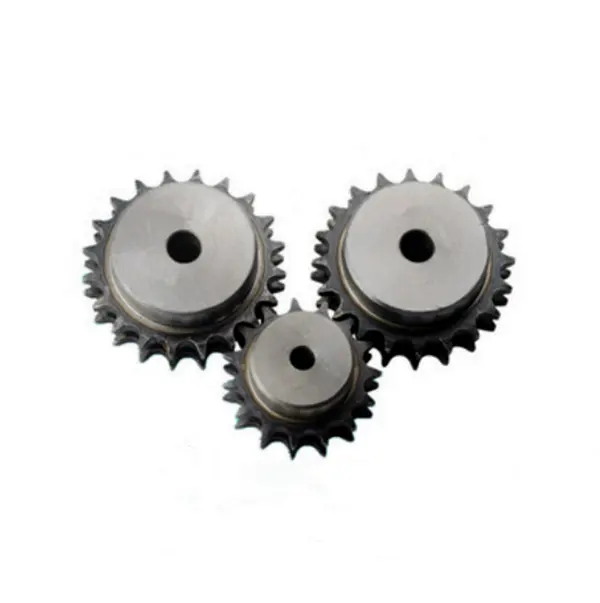
Ensuring Proper Alignment between a Wheel and its Corresponding Sprocket
Proper alignment between a wheel and its corresponding sprocket is crucial for the smooth and efficient operation of the wheel sprocket system. Misalignment can lead to increased wear, noise, and reduced performance. Here are some steps to ensure proper alignment:
- Use Precision Components: Ensure that both the wheel sprocket are high-quality, precision-manufactured components that meet the required specifications. Using well-machined components will aid in achieving better alignment.
- Check Axle Alignment: Make sure the axle or shaft on which the wheel sprocket are mounted is straight and properly aligned. Any misalignment in the axle can lead to misalignment of the wheel sprocket.
- Proper Mounting: Ensure that the wheel sprocket are securely and correctly mounted on the axle or shaft. Use appropriate fasteners and tightening techniques to prevent any movement or shifting during operation.
- Check for Parallelism: The axes of the wheel sprocket should be parallel to each other. Measure the distance between the axes at multiple points to verify parallel alignment.
- Use Alignment Tools: Alignment tools, such as laser alignment systems, can be employed to accurately align the wheel sprocket. These tools can help identify and correct misalignments effectively.
- Check Tension and Tensioner Alignment: If a tensioner is used in the system, ensure that it is properly aligned and applying the right tension to the chain or belt. Incorrect tension can cause misalignment.
- Regular Maintenance: Implement a regular maintenance schedule to check and adjust alignment as needed. Regular inspections can help identify and address alignment issues before they cause significant problems.
- Monitor Performance: Keep an eye on the performance of the wheel sprocket system. Unusual noises, vibrations, or signs of wear can indicate misalignment and should be investigated promptly.
Proper alignment is essential for the long-term performance and reliability of the wheel sprocket system. By following these steps and conducting regular maintenance, you can ensure that the wheel sprocket work together harmoniously, providing efficient power transmission and minimizing wear and tear.
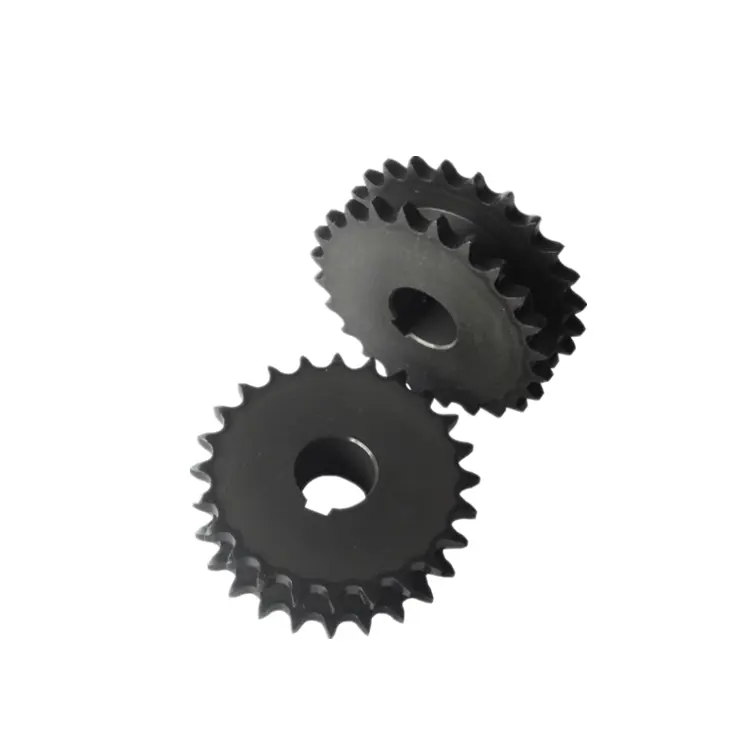
Vertikale Kraftübertragung mit Radkettenradsystem
Ja, ein Rad-Ketten-System kann zur vertikalen Kraftübertragung eingesetzt werden. In solchen Fällen ist das System so konstruiert, dass es Kraft und Bewegung zwischen vertikal ausgerichteten Wellen überträgt. Die vertikale Kraftübertragung mittels Rad-Ketten-System folgt ähnlichen Prinzipien wie die horizontale Übertragung, jedoch sind einige Faktoren zu berücksichtigen:
- Last und Drehmoment: Bei der vertikalen Kraftübertragung kann das Gewicht der Last den Drehmomentbedarf erheblich beeinflussen. Das Drehmoment muss ausreichen, um die Last unter Berücksichtigung von Reibung und anderen Widerstandskräften entgegen der Schwerkraft anzuheben.
- Kettenradauswahl: Die Wahl des richtigen Kettenrads ist für den vertikalen Antrieb entscheidend. Die Zähne des Kettenrads müssen so konstruiert sein, dass sie Kette oder Riemen effektiv in Eingriff bringen und ein Durchrutschen verhindern, insbesondere beim Heben schwerer Lasten.
- Schmierung: Eine sachgemäße Schmierung ist unerlässlich, um Reibung und Verschleiß im System zu reduzieren. Bei vertikalen Anwendungen können spezielle Schmierstoffe erforderlich sein, um einen reibungslosen Betrieb zu gewährleisten und vorzeitigen Ausfall zu verhindern.
- Spannung: Die korrekte Spannung von Kette oder Riemen ist für die vertikale Kraftübertragung entscheidend. Richtige Spannung verhindert Durchhängen und gewährleistet den korrekten Eingriff zwischen Rad und Kettenrad.
- Überhängende Last: Bei vertikalen Anordnungen kann das Gewicht der Kettenrad- und Wellenbaugruppe eine zusätzliche Last auf die Lager ausüben. Eine ausreichende Abstützung und die Wahl geeigneter Lager sind erforderlich, um diese Last aufzunehmen.
Vertikale Kraftübertragung mittels Rad-Ketten-System findet in verschiedenen Anwendungen Verwendung, darunter Förderanlagen, Aufzüge und einige Industriemaschinen. Eine fachgerechte Konstruktion, Installation und Wartung sind unerlässlich für einen sicheren und effizienten Betrieb in vertikalen Konfigurationen.
Eco-Friendly Materials for Manufacturing Wheels and Sprockets
Yes, there are eco-friendly materials used for manufacturing wheels and sprockets. As industries strive to reduce their environmental impact and promote sustainability, manufacturers are exploring alternative materials that are more environmentally friendly. Some of the eco-friendly materials used for manufacturing wheels and sprockets include:
1. Recycled Materials:
Using recycled materials, such as recycled plastic or metal, can significantly reduce the demand for virgin raw materials and lower the overall carbon footprint. These materials are obtained from post-consumer or post-industrial waste and processed to create new products, reducing the need for new resource extraction.
2. Biodegradable Materials:
Biodegradable plastics, such as PLA (polylactic acid) and PHA (polyhydroxyalkanoates), are derived from renewable plant sources and can break down naturally in the environment. These materials are gaining popularity for applications where disposal or end-of-life considerations are critical.
3. Sustainable Composites:
Manufacturers are developing sustainable composite materials that combine renewable fibers, such as bamboo, hemp, or flax, with biodegradable resins. These composites offer good strength and rigidity while being more environmentally friendly compared to traditional fiber-reinforced plastics.
4. Natural Materials:
In some cases, natural materials like wood or bamboo are used to create sprockets and wheels for specific applications. These materials are renewable and biodegradable, making them a more sustainable choice.
5. Low-Toxicity Materials:
Some eco-friendly materials focus on reducing the use of harmful chemicals during manufacturing. Low-toxicity materials are not only better for the environment but also for the health and safety of workers involved in the production process.
When selecting eco-friendly materials for wheels and sprockets, it’s essential to consider factors such as the specific application, load-bearing requirements, and the material’s end-of-life characteristics. Manufacturers and users can contribute to environmental sustainability by opting for these eco-friendly alternatives in their machinery and equipment.


editor by CX 2023-12-22