产品描述
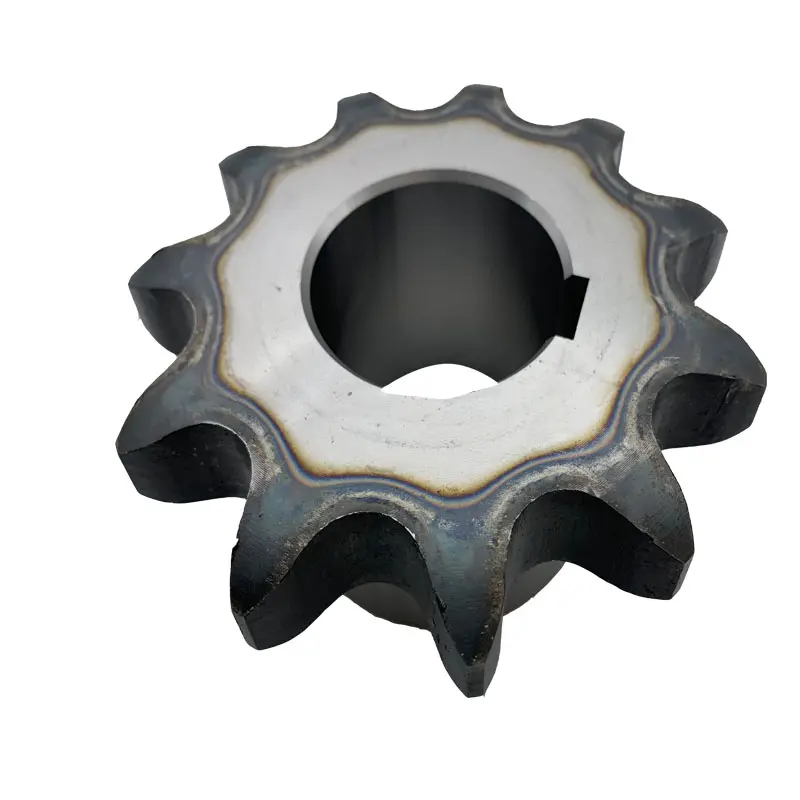
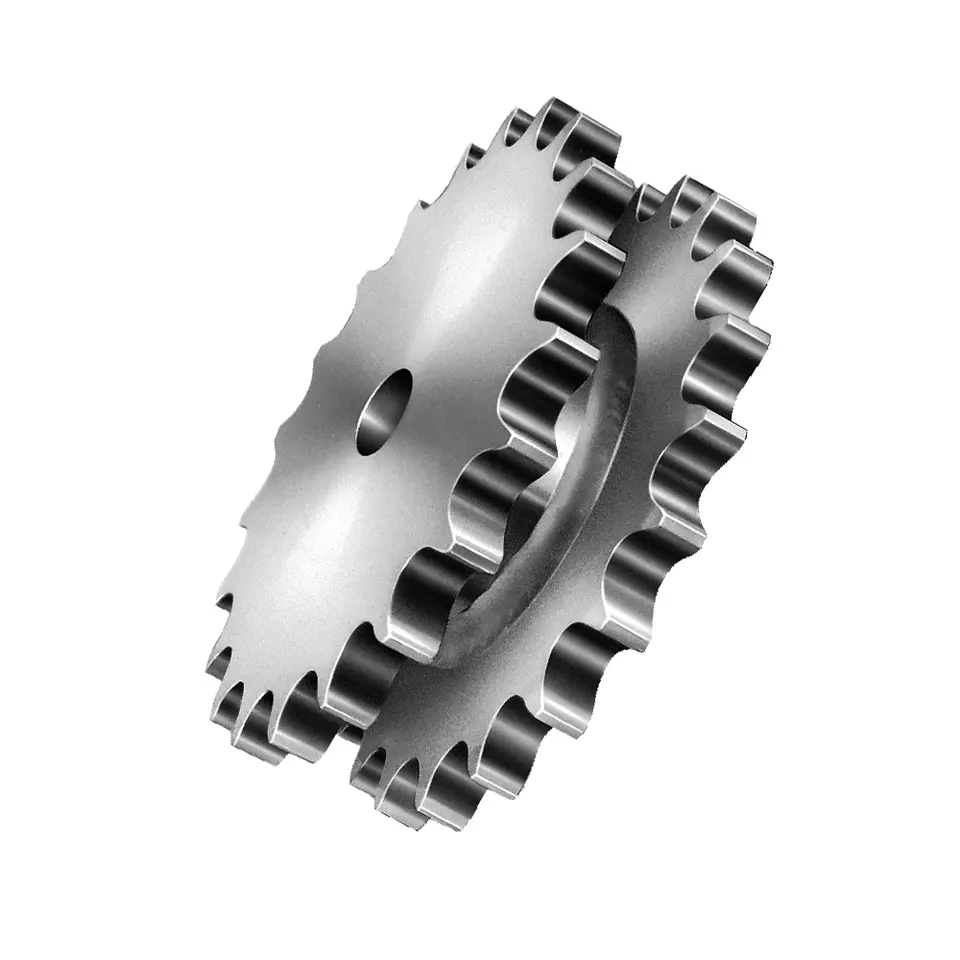
America, Kana, Europe, ANSI Standard or Made to Order Sprockets for Roller Chain and Conveyor Chain
产品描述
1. Produce strictly in accordance with standard dimension
2. Material: 1045 Steel / Alloy Steel / Stainless Steel 304 & 316
3. Standard: ANSI, DIN, JINS, ISO, KANA,Standard America or customer’s drawing
4. Pilot bore, finished bore, taper bore and special bore.
5. Bright surface / high precision / Blacking /Electrophoretic-Coated
6. Advanced heat treatment and surface treatment craft
7. Best quality and competitive price.
8. Welcome OEM / ODM
9. Processing Equipment: Hobbing machine, Slotting machine, CNC lathes and other equipment.
10. Sprocket Models: Contains special sprocket according to customer’s drawings, standard sprocket (American standard and metric).
详细照片
View more products,please click here…
公司简介
| Standard Or Nonstandard: | 标准 |
|---|---|
| 应用: | Machinery, Agricultural Machinery, Industry |
| Hardness: | 硬度 |
| 60: | 3/4" |
| 80: | 1" |
| 50: | 5/8" |
| 示例: |
US$ 0/Piece
1 件(最低订购量) | |
|---|
| 定制化: |
可用的
| 定制请求 |
|---|
Alternatives to Chain Sprockets in wheel sprocket Configuration
While chain sprockets are commonly used in wheel sprocket configurations, there are alternative methods for power transmission in various applications:
- Gear and Gear Rack: Gears are toothed wheels that mesh with each other to transmit power. Instead of using a chain and sprocket, gears can directly engage with each other, offering a smooth and efficient power transfer. Gear racks, which are linear gears, can be used in place of wheels for linear motion applications.
- Belt and Pulley: Belts and pulleys offer a flexible and quiet means of power transmission. They work similarly to chain and sprocket systems but use belts instead of chains. Pulleys have grooves that grip the belt, allowing power to be transferred between the pulleys.
- Gear Train: A gear train consists of multiple gears meshed together to achieve specific speed and torque ratios. Gear trains are often used in complex machinery and mechanical systems where precise power transmission is required.
- Direct Drive: In some applications, direct drive mechanisms can be used, where the motor or power source is directly connected to the wheel or load without any intermediate components like sprockets or gears.
- Friction Drive: Friction drive systems use the friction between two surfaces to transfer power. One surface, such as a rubber wheel, is pressed against another surface to achieve power transmission.
The choice of alternative power transmission methods depends on various factors, including the application requirements, available space, speed, torque, and efficiency considerations. Each alternative method has its advantages and limitations, and the selection should be based on the specific needs of the mechanical system.
When considering alternatives to chain sprockets, it is essential to analyze the requirements of your application and consult with engineering experts or manufacturers to determine the most suitable method of power transmission for optimal performance and longevity.
车轮链轮系统运行的温度限制
车轮链轮系统的运行温度限制取决于其部件所用材料。不同材料的耐温范围各不相同,超过这些限制会导致性能下降、过早磨损,甚至系统失效。
以下是一些车轮链轮系统中常用的材料及其一般温度限制:
- 钢: 钢制链轮和车轮广泛应用于各种领域,其耐温范围通常为-40°C至500°C(-40°F至932°F)。然而,具体的耐温范围可能因钢材等级以及所采用的涂层或处理工艺而异。
- 不锈钢: 不锈钢链轮和轮毂具有更好的耐腐蚀性,并且比普通钢材能承受更高的温度。其温度极限通常在-100°C至600°C(-148°F至1112°F)之间。
- 塑料: 塑料链轮和轮子常用于低负载、低速应用场合。塑料部件的温度极限因塑料类型而异,一般范围为-40°C至150°C(-40°F至302°F)。
- 铝: 铝制链轮和轮毂的温度范围约为-40°C至250°C(-40°F至482°F)。它们常用于对重量减轻要求极高的应用中。
务必查阅制造商提供的车轮链轮系统各部件的规格说明和材料数据表,以准确确定其温度极限。负载、速度和环境条件等因素也会影响系统的实际耐温能力。
当轮毂系统在接近其工作温度极限时,必须定期监测和维护,以确保部件的完整性和系统的整体性能。如果应用环境涉及超出材料典型工作温度极限的极端温度,则可能需要使用特殊的高温材料或采取冷却措施来维持可靠运行。
How Does a wheel sprocket Assembly Transmit Power?
In a mechanical system, a wheel sprocket assembly is a common method of power transmission, especially when dealing with rotary motion. The process of power transmission through a wheel sprocket assembly involves the following steps:
1. Input Source:
The power transmission process begins with an input source, such as an electric motor, engine, or human effort. This input source provides the necessary rotational force (torque) to drive the system.
2. Wheel Rotation:
When the input source applies rotational force to the wheel, it starts to rotate around its central axis (axle). The wheel’s design and material properties are essential to withstand the applied load and facilitate smooth rotation.
3. Sprocket Engagement:
Connected to the wheel is a sprocket, which is a toothed wheel designed to mesh with a chain. When the wheel rotates, the sprocket’s teeth engage with the links of the chain, creating a positive drive system.
4. Chain Rotation:
As the sprocket engages with the chain, the rotational force is transferred to the chain. The chain’s links transmit this rotational motion along its length.
5. Driven Component:
The other end of the chain is connected to a driven sprocket, which is attached to the component that needs to be powered or driven. This driven component could be another wheel, a conveyor belt, or any other machine part requiring motion.
6. Power Transmission:
As the chain rotates due to the engagement with the sprocket, the driven sprocket also starts to rotate, transferring the rotational force to the driven component. The driven component now receives the power and motion from the input source via the wheel, sprocket, and chain assembly.
7. Output and Operation:
The driven component performs its intended function based on the received power and motion. For example, in a bicycle, the chain and sprocket assembly transmit power from the rider’s pedaling to the rear wheel, propelling the bicycle forward.
Overall, a wheel sprocket assembly is an efficient and reliable method of power transmission, commonly used in various applications, including bicycles, motorcycles, industrial machinery, and conveyor systems.


editor by CX 2023-10-25