وصف المنتج
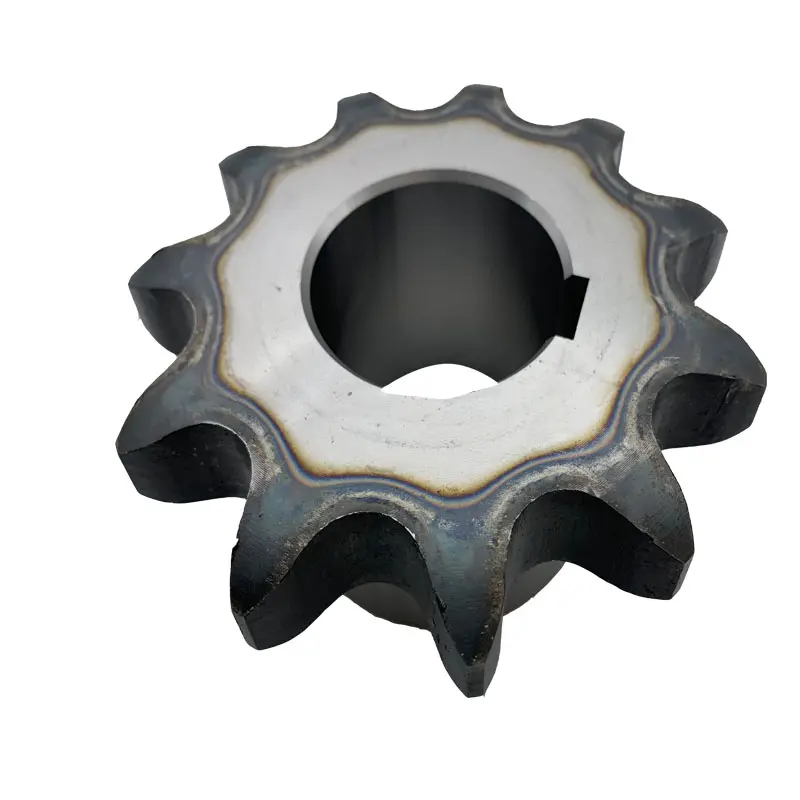
America, Kana, Europe, ANSI Standard or Made to Order Sprockets for Roller Chain and Conveyor Chain
وصف المنتج
1. Produce strictly in accordance with standard dimension
2. Material: 1045 Steel / Alloy Steel / Stainless Steel 304 & 316
3. Standard: ANSI, DIN, JINS, ISO, KANA,Standard America or customer’s drawing
4. Pilot bore, finished bore, taper bore and special bore.
5. Bright surface / high precision / Blacking /Electrophoretic-Coated
6. Advanced heat treatment and surface treatment craft
7. Best quality and competitive price.
8. Welcome OEM / ODM
9. Processing Equipment: Hobbing machine, Slotting machine, CNC lathes and other equipment.
10. Sprocket Models: Contains special sprocket according to customer’s drawings, standard sprocket (American standard and metric).
صور تفصيلية
View more products,please click here…
نبذة عن الشركة
| قياسي أم غير قياسي: | معيار |
|---|---|
| طلب: | Machinery, Agricultural Machinery, Industry |
| صلابة: | صلابة |
| 60: | 3/4" |
| 80: | 1" |
| 50: | 5/8" |
| أمثلة: |
US$ 0/Piece
قطعة واحدة (الحد الأدنى للطلب) | |
|---|
| التخصيص: |
متاح
| طلب مخصص |
|---|
Alternatives to Chain Sprockets in wheel sprocket Configuration
While chain sprockets are commonly used in wheel sprocket configurations, there are alternative methods for power transmission in various applications:
- Gear and Gear Rack: Gears are toothed wheels that mesh with each other to transmit power. Instead of using a chain and sprocket, gears can directly engage with each other, offering a smooth and efficient power transfer. Gear racks, which are linear gears, can be used in place of wheels for linear motion applications.
- Belt and Pulley: Belts and pulleys offer a flexible and quiet means of power transmission. They work similarly to chain and sprocket systems but use belts instead of chains. Pulleys have grooves that grip the belt, allowing power to be transferred between the pulleys.
- Gear Train: A gear train consists of multiple gears meshed together to achieve specific speed and torque ratios. Gear trains are often used in complex machinery and mechanical systems where precise power transmission is required.
- Direct Drive: In some applications, direct drive mechanisms can be used, where the motor or power source is directly connected to the wheel or load without any intermediate components like sprockets or gears.
- Friction Drive: Friction drive systems use the friction between two surfaces to transfer power. One surface, such as a rubber wheel, is pressed against another surface to achieve power transmission.
The choice of alternative power transmission methods depends on various factors, including the application requirements, available space, speed, torque, and efficiency considerations. Each alternative method has its advantages and limitations, and the selection should be based on the specific needs of the mechanical system.
When considering alternatives to chain sprockets, it is essential to analyze the requirements of your application and consult with engineering experts or manufacturers to determine the most suitable method of power transmission for optimal performance and longevity.
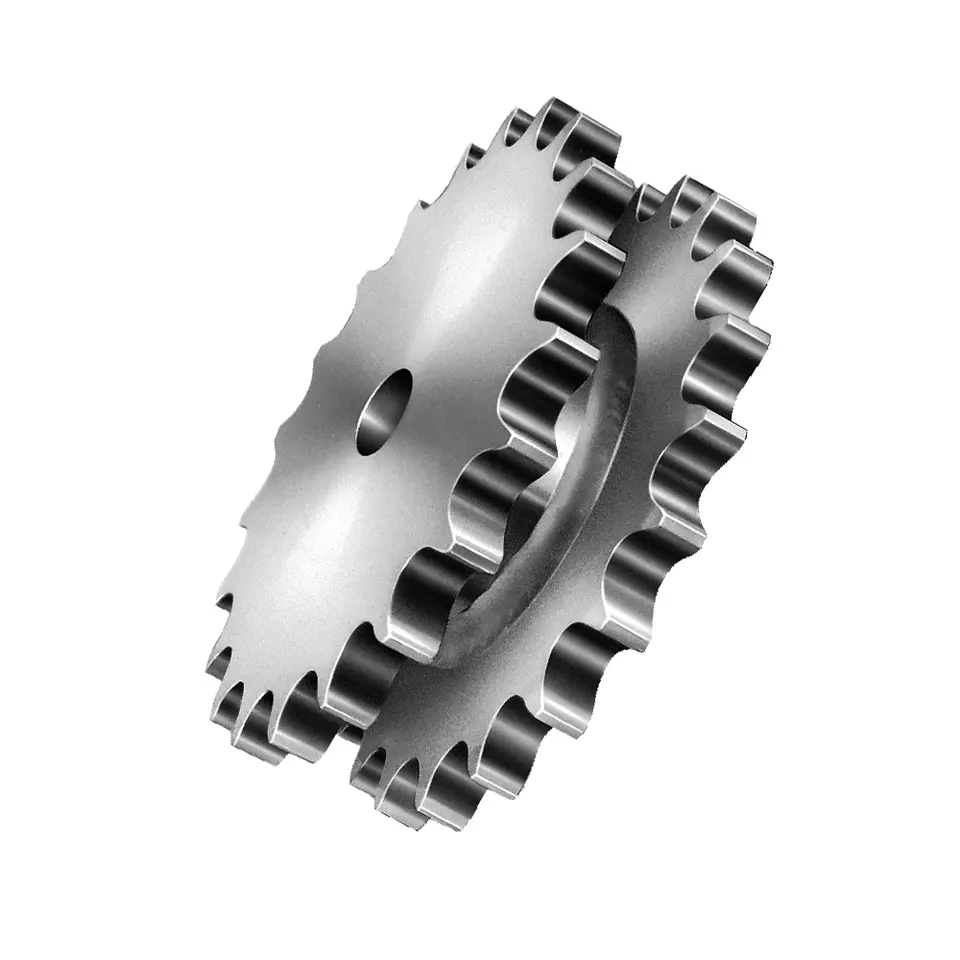
حدود درجة الحرارة لتشغيل نظام تروس العجلات
تعتمد حدود درجة الحرارة اللازمة لتشغيل نظام تروس العجلات على المواد المستخدمة في تصنيع مكوناته. وتختلف المواد المختلفة في مدى تحملها لدرجات الحرارة، وقد يؤدي تجاوز هذه الحدود إلى انخفاض الأداء، والتآكل المبكر، وحتى تعطل النظام.
فيما يلي بعض المواد الشائعة المستخدمة في أنظمة تروس العجلات وحدود درجة حرارتها العامة:
- فُولاَذ: تُستخدم عجلات التروس الفولاذية على نطاق واسع في العديد من التطبيقات، وتتراوح درجة حرارتها القصوى عادةً بين -40 درجة مئوية و500 درجة مئوية (-40 درجة فهرنهايت إلى 932 درجة فهرنهايت). ومع ذلك، قد يختلف نطاق درجة الحرارة المحدد بناءً على نوع الفولاذ وأي طلاءات أو معالجات مُطبقة.
- الفولاذ المقاوم للصدأ: تتميز عجلات ومسننات الفولاذ المقاوم للصدأ بمقاومة محسّنة للتآكل، كما أنها تتحمل درجات حرارة أعلى من الفولاذ العادي. ويتراوح حد درجة حرارتها عادةً بين -100 درجة مئوية و600 درجة مئوية (-148 درجة فهرنهايت إلى 1112 درجة فهرنهايت).
- البلاستيك: تُستخدم العجلات المسننة والبلاستيكية بشكل شائع في التطبيقات ذات الأحمال والسرعات المنخفضة. ويختلف الحد الأقصى لدرجة حرارة المكونات البلاستيكية اختلافًا كبيرًا تبعًا لنوع البلاستيك المستخدم. وبشكل عام، يتراوح هذا الحد بين -40 درجة مئوية و150 درجة مئوية (-40 درجة فهرنهايت إلى 302 درجة فهرنهايت).
- الألومنيوم: تتحمل عجلات ومسننات الألومنيوم درجات حرارة تتراوح بين -40 درجة مئوية و250 درجة مئوية (-40 درجة فهرنهايت إلى 482 درجة فهرنهايت). وتُستخدم عادةً في التطبيقات التي يكون فيها تقليل الوزن أمراً بالغ الأهمية.
من الضروري الرجوع إلى مواصفات الشركة المصنعة وبيانات المواد الخاصة بالمكونات المستخدمة في نظام تروس العجلة لتحديد حدود درجة حرارتها بدقة. كما أن عوامل مثل الحمل والسرعة والظروف البيئية قد تؤثر على مدى تحمل النظام لدرجة الحرارة.
عند تشغيل نظام تروس العجلات بالقرب من حدود درجة حرارته القصوى، يلزم إجراء مراقبة وصيانة دورية لضمان سلامة المكونات وأداء النظام ككل. إذا كان التطبيق يتضمن درجات حرارة قصوى تتجاوز الحدود النموذجية للمواد، فقد يلزم استخدام مواد متخصصة تتحمل درجات الحرارة العالية أو اتخاذ تدابير تبريد للحفاظ على التشغيل الموثوق.
How Does a wheel sprocket Assembly Transmit Power?
In a mechanical system, a wheel sprocket assembly is a common method of power transmission, especially when dealing with rotary motion. The process of power transmission through a wheel sprocket assembly involves the following steps:
1. Input Source:
The power transmission process begins with an input source, such as an electric motor, engine, or human effort. This input source provides the necessary rotational force (torque) to drive the system.
2. Wheel Rotation:
When the input source applies rotational force to the wheel, it starts to rotate around its central axis (axle). The wheel’s design and material properties are essential to withstand the applied load and facilitate smooth rotation.
3. Sprocket Engagement:
Connected to the wheel is a sprocket, which is a toothed wheel designed to mesh with a chain. When the wheel rotates, the sprocket’s teeth engage with the links of the chain, creating a positive drive system.
4. Chain Rotation:
As the sprocket engages with the chain, the rotational force is transferred to the chain. The chain’s links transmit this rotational motion along its length.
5. Driven Component:
The other end of the chain is connected to a driven sprocket, which is attached to the component that needs to be powered or driven. This driven component could be another wheel, a conveyor belt, or any other machine part requiring motion.
6. Power Transmission:
As the chain rotates due to the engagement with the sprocket, the driven sprocket also starts to rotate, transferring the rotational force to the driven component. The driven component now receives the power and motion from the input source via the wheel, sprocket, and chain assembly.
7. Output and Operation:
The driven component performs its intended function based on the received power and motion. For example, in a bicycle, the chain and sprocket assembly transmit power from the rider’s pedaling to the rear wheel, propelling the bicycle forward.
Overall, a wheel sprocket assembly is an efficient and reliable method of power transmission, commonly used in various applications, including bicycles, motorcycles, industrial machinery, and conveyor systems.


editor by CX 2023-10-25