Descripción del Producto
Descripción del Producto
Motorcycle chain is made of excellent steel such as 40Mn, 30CrMnTi and 20Mn. After stamping, cutting, rolling, cold heading and other processes with high precision machinery and equipment, the parts are processed and strengthened by isothermal carbonitriding heat treatment and then treated with rust prevention. Finally, the chain is assembled, riveted, pre-drawn and inspected by the automatic assembly and inspection line imported from ZheJiang to ensure the qualified performance of each chain.
Motorcycle sprocket is made of 20CrMnTi, 1045 and other high quality steel. After high precision stamping, leveling, turning, milling and other processes, sprocket are strengthened by high temperature quenching process, and then electroplating, spraying and other surface treatment after shot blasting.
Fotos detalladas
| BRAZIL | AX100, BIZ125, BIZ98/00, C70, C90, C100, CB250, CB400, CBR450, CBX150, CBX200, CBX250, CD100, CG125, CG150, CRYPTON, DREAM, DS80, DT100, DT125, DT200, FAN125, FD115, FR80, FS80, G7S/KW100, HUNTER125, JOG CY50, KMX125/KTZ, LB80, MAX125, MB100, NX150, NXR150, POP100, RD125, RD135, RDZ125, RDZ135, RX100, RX100/125, RX115/135, TITAN150, TITAN2000, TS100ER, TSZCN125, V80, WEB NEW, XL125, XL185, XLR125, XR200, XR200R, XR250, XRE300, XTZ125 06/07, YER115, YER125, YES125 |
| ARGENTINA | AX100, AXIS90, C70, C90, C100, C110, CB250, CBX150, CBX200, CD110, CG125 TODAY, CRYPTON, DAELTM, DAX70, DT125, ECONO C90 LUXE, ELITE50, GY6-50, GY6-60, GY6-80, GY6-100, GY6-125, GY6-150, MAX100, NXR125, NX150, RX100, SMASH, STROM125, TITAN150, TITAN99, TITAN2000, YBR125, V80, WAVE110, XLR125, XR200R, XR250, ZANELLA200 |
| COLUMBIA | ACTIVE110, AKT110, AK125, AKT125, AX100, AX125, AXIS90, BIZ, BOXER CT100, BWS125, C50, C70/CD70/JH70, C90/CD90/JH90, C100, C110, CB150, CBF150, CD100, CG125, CG150, CG200, CICLON125, CRYPTON, CT100, CRUX, DISCOVER100, DISCOVER135, DT125, DT125K, ECO, EM125, EN125, FD115, FR50, FR80, FXD125, GN125, GN125H, GRAND, GS125, GSD-16LIBERO, GSX, GY6-150, GY6-200, HERO, JD100, JL110MIX, KW100, LB80, MT90/V50, PULSAR, RX100,RX115, RX125, RX135, SMASH110, SRZ150, TIGER, TITAN99, TITAN150, TR125, TS/CN125, TS/CR125, V50, V80, WY147, XF90, XF125, XL125, XL185, XR200, YBR125 |
| AFRICA | AG100, AP125-9G, AP150, A100, AX100, BAJ100, BAJ205, BAJ3W, BS125, C50, C75, CB110, CB125, CB150, CD100, CD110, CG125, CG150, CG200, CT100, DT125, FR80, GK125, JH70, K90, KYMCO, MB100, QLINK, RC100, RE205, RX115, RX125, RX135, RZ100, V50, V80, SY125, TVS125, TVS160, YB100 |
| INDIA | ACTIVA, APACHE, BAJAJ CT100DLX, BAJAJ DISCOVER, BAJAJ PULSAR, CBZ STAR, CD100, CD-CLEL AX, CRUX, CT100, DASHAION NEW MODEL, DISCOVER135, ENT, EWIRE, FIERO F2, KB-4S, KRZIMA-R, LIBG-5, NXV, PASHAION, PLATINA100, PLATINA150, PULSAR, R15, SCOOTY PEP, SPLANDER, STAR, SYARCTS, SUPEX SPLINDG, TVS GLX, TVS VICTOR, VICTOR, VLAMEAR, XCD125, XLS |
| PHILIPPINES | AURA110, B120, BARAKO, C100, C70DD, CG125, CRYPTON, CRYPTON-Z/X1, DT125, G7S, HAWK1 50-2, HD3, MIO, MSX125S/ZESTX110-1, RAIDER150, RS100, SAP110/MSX125-1, SHOGUN PRO, SHOGUN/SHOGUN125, SMASH, STAR-X 125, STAR-X 150/155(ZS), STAR-X 155(JL), STX125, TM110S, WAVE 100R, WAVE110, WAVE125, WELL 125R, WIND125, X-120, X4/GP125, X-PLORER-Z 200 NEW, XRM, YL2 DX, YL2GF, ZEST X110-2/WELL 125S |
| INDONESIA | ABSOLUTE REVO, ALFA/FORCE-1, ASTREA/CBDDA, BEAT, BLADE, C7000, C7OMK 7 LINES, CB100, CG125, FR80, GL100, GLK, GLPRO, GL PRO CDI, GLPRO NEOTECH, GRAND, JUPITER-Z, KARISMA, KAZE, L2SN, MEGA PRO NEW 2007, MIO SOUL, MIO/JUPITER MX, NINJA, PRIMA, PX150, RC110, RC80, REVO, RG110, RX100, RXK NEW 2003, RXK/RXK NEW, RXS/RXKING |
| MIDDLE EAST | AN125, AN150, BAJAJ150, BWS50, BWS100, CG250, CB250, CB150, DIO50 ZX, DT125, GS50,GY6, JH70, JOG50, JOG70, KAB, KS4, KVB110,L110 A, MIO125, MIO150 2V, MIO150 4V, RE205, RX135, SYM125, SYM150, UZ125, UZ/V125, VINO 50,WH100, WH125, YP250, ZY100, ZY125 |
| TURKEY | ACTIVA, AN125, C110, CD70, CD100, CD110, CM125, CUB, CUB LIF3VALF, CUB110, CG125, CG150, CG200, CG250, SCT125, SCT150, CBF125, CBF150, GY6, FIZY, SPACY, WH100, WH125, WAVE110, YBR125 |
| MALAYSIA | C70, C70Z, EG110, EX5, EX5 CLASS, FR80, GBO, GBO-J, KISS II, KR150, KRISS, LC35, MZ125, RC110/RG110, RC80, RXS, RXZ, SRL110, TZM150, WAVE 100, WAVE 125, Y 100/Y110, Y 125Z, Y80 |
| THAILAND | A100SR, AX100, BEAT, BEST, C50K2, C70, DASH, DREAM, DT125, FR8ON, JR120, JUXEDO, KAZE, KR150-6, KS150-4/SERPICO, LS125, MIO, NOVAS, RC100/RC80, RXS, SMASH, SONIC, TENA, VR150, WAVE110, WAVE125, Y100, Y80M |
Company Profile
Team-Go I&E Co., Ltd.(HangZhou) is a professional company which integrates manufacturing, trading and supplying in a line. Team-Go is formerly knows as LZNF which is established in 1996, the main business is export, import and domestic trade of auto accessories part, food production and related services. It was also certified by ISO9001:2000 Quality Management System.
Team-Go is an outstanding manufacturer and exporter with a long historical standing, high specialized and strong technical force. We also have strong ability to develop new products according to customer’s sample or drawing. Now our products enjoy good popularity in many markets, such as South America, Asian African and so on.
Our company adherence to the principle “People oriented, Customers-centered, Intergrity insisted, Performance regarded”. To achieve the goal of win-win, we will do our best to save time, reduce space and win market for our clients. We expect that our rich resources and excellent services will meet your high requirements.
Trusting us and choosing us will be your most correct choice you have ever made!
Packaging & Shipping
/* 22 de enero de 2571 19:08:37 */!function(){function s(e,r){var a,o={};try{e&&e.split(“”,).forEach(function(e,t){e&&(a=e.match(/(.*?):(.*)$/))&&1
| Tipo: | Motorcycle Transmissions |
|---|---|
| Proceso de dar un título: | ISO9001: 2000 |
| Material: | Acero |
| Muestras: |
US$ 4/Piece
1 unidad (pedido mínimo) | Order Sample |
|---|
| Personalización: |
Disponible
| Solicitud personalizada |
|---|
.shipping-cost-tm .tm-status-off{background: none;padding:0;color: #1470cc}
|
Costo de envío:
Coste estimado por unidad. |
about shipping cost and estimated delivery time. |
|---|
| Payment Method: |
|
|---|---|
|
Initial Payment Full Payment |
| Currency: | US$ |
|---|
| Return&refunds: | You can apply for a refund up to 30 days after receipt of the products. |
|---|
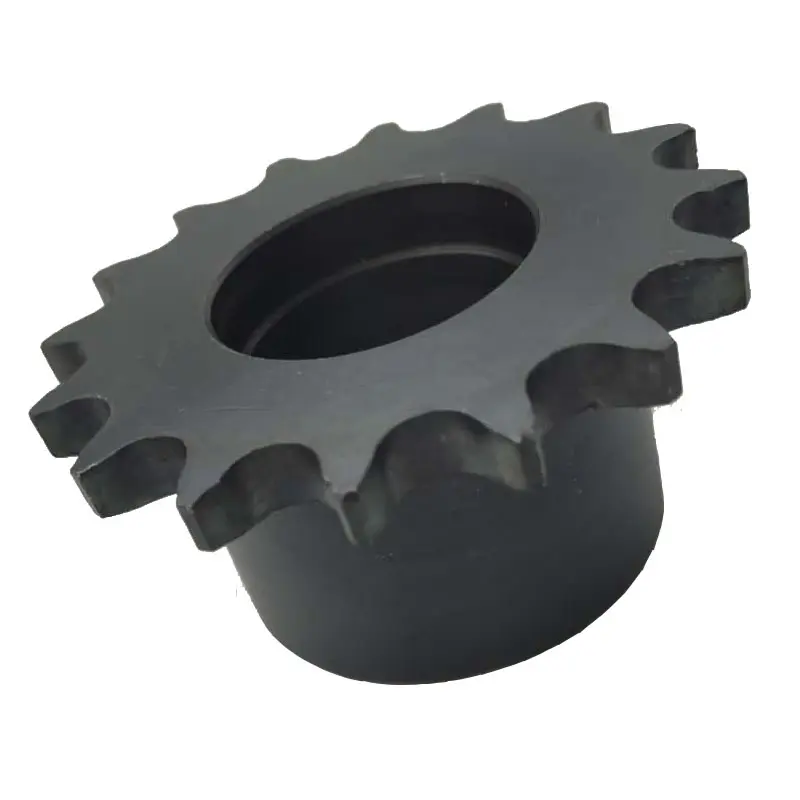
Compatibility of Chain Sprockets with Wheels
In general, chain sprockets are designed to work with specific types of wheels, and there are certain requirements for ensuring proper compatibility:
- Chain Size and Pitch: The chain sprocket must match the size and pitch of the chain it is intended to work with. For example, if you have a roller chain with a pitch of 0.625 inches, you need a sprocket with the same pitch to ensure a proper fit.
- Number of Teeth: The number of teeth on the sprocket should be compatible with the number of chain links. The chain should mesh smoothly with the sprocket without any binding or skipping.
- Tooth Profile: The tooth profile of the sprocket should match the shape of the chain’s rollers to ensure smooth engagement and minimize wear.
- Shaft Size: The center hole (bore) of the sprocket should match the diameter of the shaft it will be mounted on. Using the correct shaft size ensures a secure fit and prevents wobbling.
- Hub Configuration: Some sprockets have hubs, which are extensions on either side of the sprocket. The hub’s length and configuration should match the requirements of the specific application.
- Material and Strength: Consider the material and strength of the sprocket based on the application’s load and environmental conditions. Heavy-duty applications may require sprockets made of robust materials to withstand the forces and stresses.
It’s crucial to follow the manufacturer’s specifications and guidelines when selecting a chain sprocket for a particular wheel. Mixing incompatible sprockets and wheels can result in premature wear, inefficiencies, and potential safety hazards. If you are unsure about the compatibility, consult with the manufacturer or a knowledgeable expert to ensure you choose the right sprocket for your specific application.
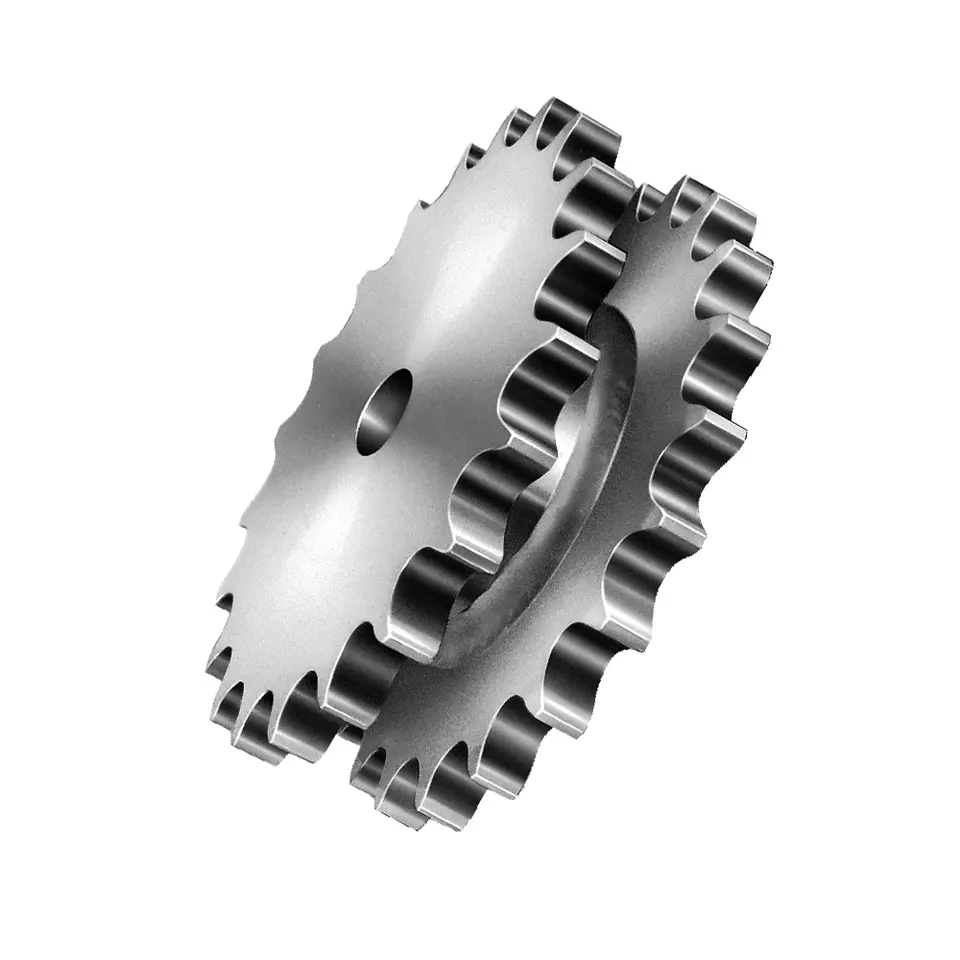
Temperature Limits for wheel sprocket System’s Operation
The temperature limits for a wheel sprocket system’s operation depend on the materials used in the construction of the components. Different materials have varying temperature tolerances, and exceeding these limits can lead to reduced performance, premature wear, and even system failure.
Here are some common materials used in wheel sprocket systems and their general temperature limits:
- Steel: Steel sprockets and wheels, which are widely used in many applications, typically have a temperature limit ranging from -40°C to 500°C (-40°F to 932°F). However, the specific temperature range may vary based on the grade of steel and any coatings or treatments applied.
- Stainless Steel: Stainless steel sprockets and wheels offer improved corrosion resistance and can withstand higher temperatures than regular steel. Their temperature limit is typically between -100°C to 600°C (-148°F to 1112°F).
- Plastics: Plastic sprockets and wheels are commonly used in low-load and low-speed applications. The temperature limit for plastic components varies widely depending on the type of plastic used. In general, it can range from -40°C to 150°C (-40°F to 302°F).
- Aluminum: Aluminum sprockets and wheels have a temperature limit of approximately -40°C to 250°C (-40°F to 482°F). They are often used in applications where weight reduction is critical.
It’s essential to consult the manufacturer’s specifications and material data sheets for the specific components used in the wheel sprocket system to determine their temperature limits accurately. Factors such as load, speed, and environmental conditions can also influence the actual temperature tolerance of the system.
When operating a wheel sprocket system near its temperature limits, regular monitoring and maintenance are necessary to ensure the components’ integrity and overall system performance. If the application involves extreme temperatures beyond the typical limits of the materials, specialized high-temperature materials or cooling measures may be required to maintain reliable operation.
Tipos de piñones utilizados con ruedas
En los sistemas mecánicos, los piñones son ruedas dentadas que engranan con una cadena o una correa para transmitir movimiento rotacional y potencia. Existen varios tipos de piñones que se utilizan con ruedas, cada uno diseñado para aplicaciones específicas:
1. Piñones de cadena de rodillos:
Estos son los piñones más comunes que se usan en ruedas y están diseñados para funcionar con cadenas de rodillos. Los piñones para cadenas de rodillos tienen dientes que coinciden con el perfil de los rodillos de la cadena, lo que garantiza un acoplamiento suave y reduce el desgaste tanto del piñón como de la cadena. Se utilizan ampliamente en bicicletas, motocicletas y maquinaria industrial.
2. Piñones de cadena silenciosos:
También conocidos como piñones de cadena de dientes invertidos, estos piñones están diseñados para funcionar con cadenas silenciosas. Las cadenas silenciosas son cadenas dentadas que funcionan de forma suave y silenciosa, lo que las hace ideales para aplicaciones donde la reducción de ruido es fundamental, como en los sistemas de distribución de motores y sistemas automotrices.
3. Piñones de la correa de distribución:
Los piñones de la correa de distribución se utilizan con las correas de distribución para garantizar una sincronización precisa entre el cigüeñal y el árbol de levas en los motores de combustión interna. Cuentan con dientes de diseño especial que se adaptan al perfil de la correa de distribución, lo que permite una sincronización precisa y un movimiento suave.
4. Piñones tensores:
Las ruedas dentadas tensoras se utilizan para guiar y tensar cadenas o correas en un sistema. No transmiten potencia por sí mismas, pero desempeñan un papel crucial en el mantenimiento de la tensión y la alineación adecuadas, lo cual es esencial para una transmisión de potencia eficiente y para evitar que la cadena o la correa se aflojen.
5. Piñones para soldar:
Los piñones soldables están diseñados para soldarse directamente al cubo o eje de una rueda, proporcionando una fijación segura y permanente. Se utilizan habitualmente en maquinaria y equipos industriales.
6. Piñones dobles-simples:
Los piñones dobles, también conocidos como piñones dúplex, tienen dos juegos de dientes en un mismo cuerpo. Se utilizan cuando se necesita accionar dos cadenas independientes a la misma velocidad y con la misma relación de transmisión, algo frecuente en aplicaciones de alta resistencia y sistemas de transporte.
7. Piñones Taper-Lock:
Los piñones con bloqueo cónico están diseñados con un cono y una chaveta para proporcionar una conexión segura y fácil de instalar al eje. Se utilizan ampliamente en sistemas de transmisión de potencia, donde el posicionamiento y desmontaje de los piñones son frecuentes.
Cada tipo de piñón se selecciona en función de los requisitos específicos de la aplicación, el tipo de cadena o correa y las características de rendimiento deseadas. La correcta selección y el mantenimiento de los piñones son esenciales para garantizar una transmisión de potencia eficiente y prolongar la vida útil de todo el sistema.


editor by Dream 2024-05-07