产品描述
|
Model NO.
|
standard/unstandard |
|
Type |
Transmission Part |
|
Customization |
绘画 |
|
Shipping |
by Sea Freight/by Land Freight/by Air Freight |
|
Service |
OEM ODM |
|
Series |
DIN,ANSI and So on |
|
Supply Ability |
20000 PCS Per Month |
|
Certification |
ISO9001 |
|
Use |
Transmission Machine |
|
Product Name |
Steel Roller Chain Sprocket |
|
Size |
Customized Size or Standard |
|
Processing |
Hobbing |
|
表面处理 |
Black Oxide,Zinc Plated,Nickel Plated |
|
Delivery Time |
Usually 20-30 Days |
|
Transport Package |
Plastic Bag+Plywood Box |
|
规格 |
40B 35A C2040 idler sprocket and so on |
|
Origin |
China |
|
Production Capacity |
30000 PCS Per Month |
|
运费:
每件商品预计运费。 |
待协商|
|
|---|
| Standard Or Nonstandard: | 标准 |
|---|---|
| 应用: | Motor, Motorcycle, Machinery, Agricultural Machinery |
| Hardness: | Hardened Tooth Surface |
| 示例: |
US$ 10/Piece
1 件(最低订购量) | 订购样品 |
|---|
| 定制化: |
可用的
| 定制请求 |
|---|
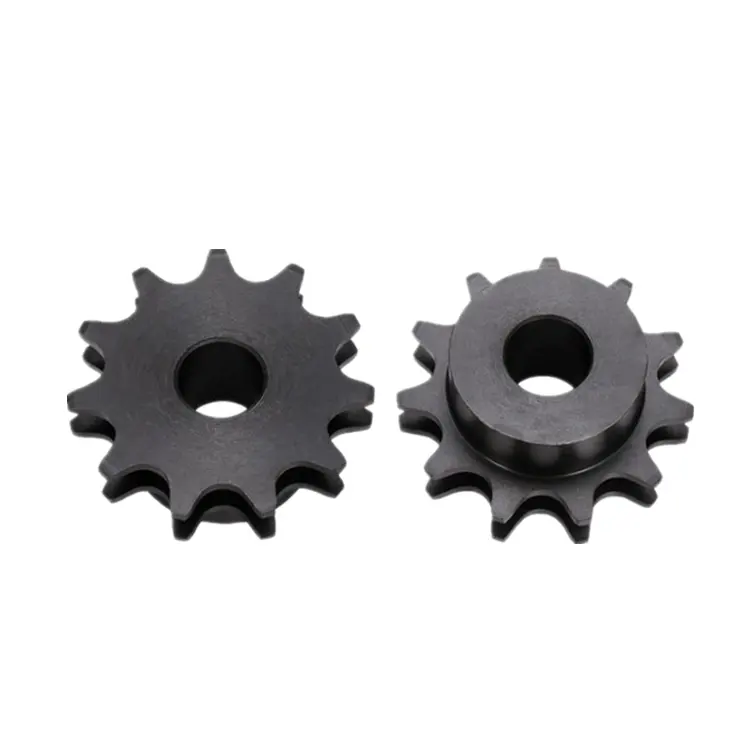
重型机械和工业设备中的轮毂链轮系统
是的,轮式链轮系统广泛应用于重型机械和工业设备中,用于动力传输和运动控制。轮式链轮结构是一种用途广泛且高效的在两轴之间传递旋转力的方法。
在重型机械和工业设备中,车轮通常安装在一根轴上,而链轮则安装在另一根轴上。链条或齿形皮带缠绕在车轮和链轮上,将它们连接起来。当车轮旋转时,链条或皮带与链轮啮合,带动链轮和连接的轴一起旋转。这种机制实现了动力从一个轴到另一个轴的传递,从而使机械的各个部件和组件都能正常运转。
重型机械中轮式链轮系统的常见应用包括:
- 工程机械: 轮式装载机、挖掘机、起重机和其他建筑设备通常使用轮式链轮系统,以便在各种运动部件中高效地传输动力。
- 物料搬运设备: 叉车、输送系统和其他物料搬运设备利用轮式链轮配置来平稳可靠地移动货物和物料。
- 采矿设备: 采矿机械,如钻机和传送带,通常会采用轮式链轮组件在恶劣环境下进行动力传输。
- 农业机械: 拖拉机、联合收割机和其他农业设备使用轮式链轮系统来驱动各种部件,如车轮和收割机构。
- 工业机器人: 制造业中的机器人和自动化系统通常利用轮式链轮装置来实现精确的运动控制和高效的动力传输。
轮式传动系统的主要优势之一是其能够承受重载并远距离传递动力。在各种工业环境中,它是一种可靠且经济高效的动力传输方式。然而,正确的维护和校准对于确保系统的最佳性能和使用寿命至关重要。
总体而言,轮式链轮系统是重型机械和工业设备中广泛使用且有效的动力传输解决方案,在各种应用中都具有多功能性和效率。
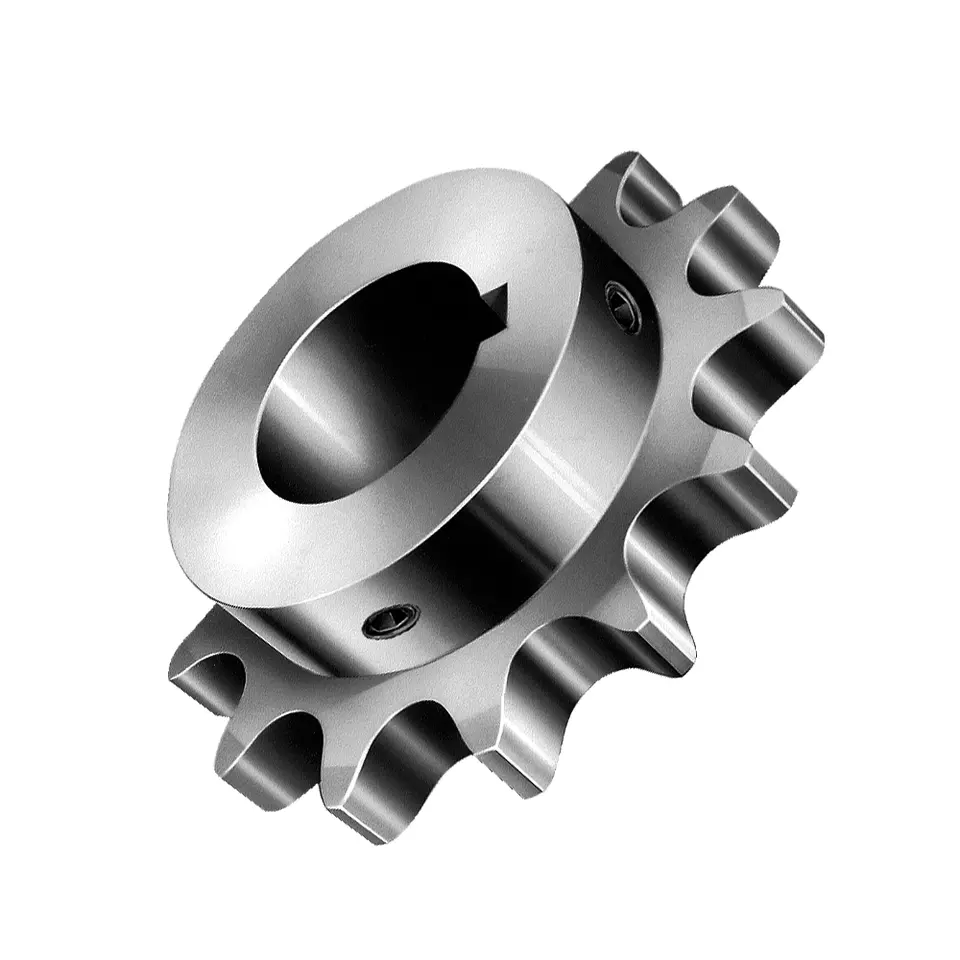
Choosing the Right Material for a Sprocket to Ensure Longevity
Choosing the right material for a sprocket is crucial to ensure its longevity and reliable performance in a given application. The material selection depends on various factors such as load, speed, operating environment, and budget. Here are some common materials used for sprockets and their considerations:
- 钢: Steel sprockets are widely used in a wide range of applications due to their excellent strength, durability, and wear resistance. They are suitable for heavy-duty and high-speed operations. Different grades of steel, such as carbon steel or alloy steel, offer varying levels of hardness and strength.
- 不锈钢: Stainless steel sprockets are preferred when corrosion resistance is essential, making them suitable for applications where the sprocket is exposed to moisture, chemicals, or outdoor elements. They are commonly used in food processing, pharmaceutical, and marine industries.
- Cast Iron: Cast iron sprockets offer good wear resistance and are often used in low to medium-speed applications. They are cost-effective and provide excellent performance in less demanding conditions.
- 塑料: Plastic sprockets are lightweight and corrosion-resistant. They are commonly used in applications where low noise, self-lubrication, and resistance to chemicals or moisture are required. However, they have limited load-carrying capacity and may not be suitable for heavy-duty applications.
- 铝: Aluminum sprockets are lightweight and commonly used in applications where weight reduction is critical, such as aerospace and certain machinery. However, they are not as durable as steel sprockets and are not suitable for high loads or harsh environments.
When choosing the right material for a sprocket, consider the following:
- Load Capacity: Select a material that can handle the expected loads in the application without deforming or wearing excessively.
- Speed: Higher speeds may require materials with better heat dissipation and wear resistance.
- Environment: Consider factors such as moisture, chemicals, temperature, and outdoor exposure. Choose a material with suitable corrosion resistance and resilience to environmental conditions.
- Maintenance: Some materials may require more frequent maintenance or lubrication to ensure longevity.
- Cost: Balance the material’s performance with the budget constraints of the project.
It’s essential to consult with sprocket manufacturers or material experts to determine the most appropriate material for your specific application. They can provide valuable insights and recommendations based on your requirements, helping to ensure the longevity and optimal performance of the sprocket in your machinery or equipment.
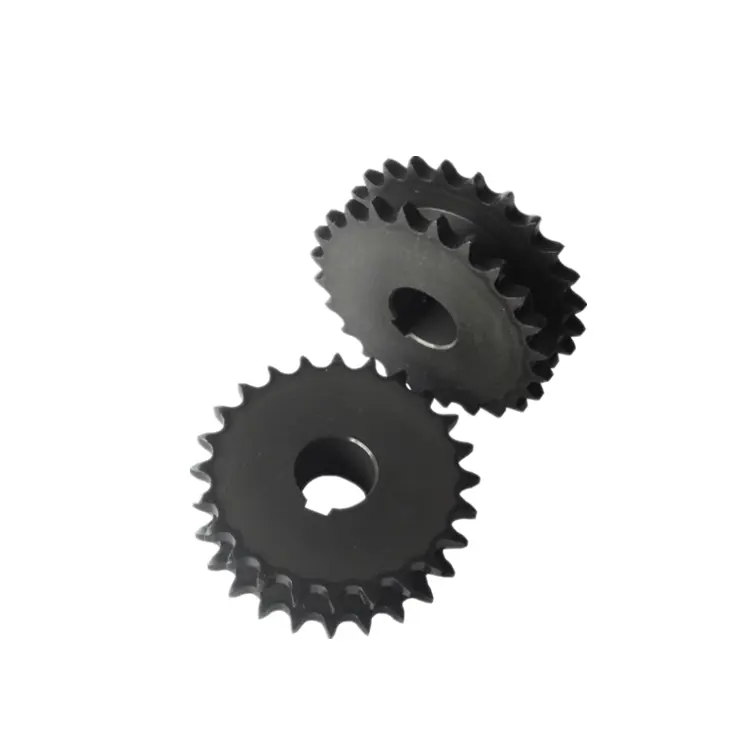
Eco-Friendly Materials for Manufacturing Wheels and Sprockets
Yes, there are eco-friendly materials used for manufacturing wheels and sprockets. As industries strive to reduce their environmental impact and promote sustainability, manufacturers are exploring alternative materials that are more environmentally friendly. Some of the eco-friendly materials used for manufacturing wheels and sprockets include:
1. Recycled Materials:
Using recycled materials, such as recycled plastic or metal, can significantly reduce the demand for virgin raw materials and lower the overall carbon footprint. These materials are obtained from post-consumer or post-industrial waste and processed to create new products, reducing the need for new resource extraction.
2. Biodegradable Materials:
Biodegradable plastics, such as PLA (polylactic acid) and PHA (polyhydroxyalkanoates), are derived from renewable plant sources and can break down naturally in the environment. These materials are gaining popularity for applications where disposal or end-of-life considerations are critical.
3. Sustainable Composites:
Manufacturers are developing sustainable composite materials that combine renewable fibers, such as bamboo, hemp, or flax, with biodegradable resins. These composites offer good strength and rigidity while being more environmentally friendly compared to traditional fiber-reinforced plastics.
4. Natural Materials:
In some cases, natural materials like wood or bamboo are used to create sprockets and wheels for specific applications. These materials are renewable and biodegradable, making them a more sustainable choice.
5. Low-Toxicity Materials:
Some eco-friendly materials focus on reducing the use of harmful chemicals during manufacturing. Low-toxicity materials are not only better for the environment but also for the health and safety of workers involved in the production process.
When selecting eco-friendly materials for wheels and sprockets, it’s essential to consider factors such as the specific application, load-bearing requirements, and the material’s end-of-life characteristics. Manufacturers and users can contribute to environmental sustainability by opting for these eco-friendly alternatives in their machinery and equipment.


editor by CX 2023-08-09