توضیحات محصول
|
Model NO.
|
standard/unstandard |
|
Type |
Transmission Part |
|
Customization |
طراحی |
|
Shipping |
by Sea Freight/by Land Freight/by Air Freight |
|
Service |
OEM ODM |
|
Series |
DIN,ANSI and So on |
|
Supply Ability |
20000 PCS Per Month |
|
Certification |
ISO9001 |
|
Use |
Transmission Machine |
|
Product Name |
Steel Roller Chain Sprocket |
|
Size |
Customized Size or Standard |
|
Processing |
Hobbing |
|
درمان سطحی |
Black Oxide,Zinc Plated,Nickel Plated |
|
Delivery Time |
Usually 20-30 Days |
|
Transport Package |
Plastic Bag+Plywood Box |
|
مشخصات |
40B 35A C2040 idler sprocket and so on |
|
Origin |
چین |
|
Production Capacity |
30000 PCS Per Month |
|
Shipping Cost:
Estimated freight per unit. |
To be negotiated|
|
|---|
| استاندارد یا غیر استاندارد: | استاندارد |
|---|---|
| کاربرد: | Motor, Motorcycle, Machinery, Agricultural Machinery |
| سختی: | سطح دندانه سخت شده |
| Samples: |
US$ 10/Piece
1 Piece(Min.Order) | Order Sample |
|---|
| سفارشی سازی: |
موجود است
| درخواست سفارشی |
|---|
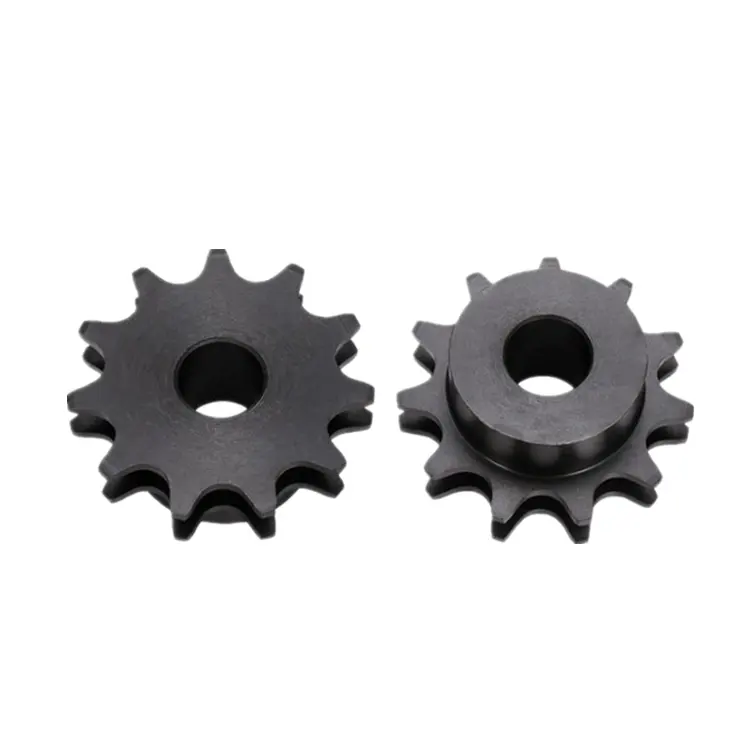
wheel sprocket System in Heavy Machinery and Industrial Equipment
Yes, a wheel sprocket system is commonly used in heavy machinery and industrial equipment for power transmission and motion control. The wheel sprocket configuration is a versatile and efficient method of transmitting rotational force between two shafts.
In heavy machinery and industrial equipment, the wheel is typically attached to one shaft, while the sprocket is mounted on another shaft. A chain or a toothed belt is wrapped around the wheel sprocket, connecting them. When the wheel is rotated, the chain or belt engages with the sprocket, causing the sprocket and the connected shaft to rotate as well. This mechanism allows the transfer of power from one shaft to the other, enabling various components and parts of the machinery to function.
Common applications of the wheel sprocket system in heavy machinery include:
- Construction Machinery: Wheel loaders, excavators, cranes, and other construction equipment often use wheel sprocket systems for efficient power transmission in various moving parts.
- Material Handling Equipment: Forklifts, conveyor systems, and other material handling equipment utilize wheel sprocket configurations to move goods and materials smoothly and reliably.
- Mining Equipment: Mining machinery, such as drilling rigs and conveyors, often incorporate wheel sprocket assemblies for power transmission in challenging environments.
- Agricultural Machinery: Tractors, combines, and other agricultural equipment use wheel sprocket systems to drive various components like wheels and harvesting mechanisms.
- Industrial Robotics: Robots and automated systems in manufacturing often utilize wheel sprocket setups for precise motion control and efficient power transmission.
One of the key advantages of the wheel sprocket system is its ability to handle heavy loads and transmit power over long distances. It is a reliable and cost-effective method of power transmission in various industrial settings. However, proper maintenance and alignment are crucial to ensuring the system’s optimal performance and longevity.
Overall, the wheel sprocket system is a widely used and effective power transmission solution in heavy machinery and industrial equipment, offering versatility and efficiency in a range of applications.
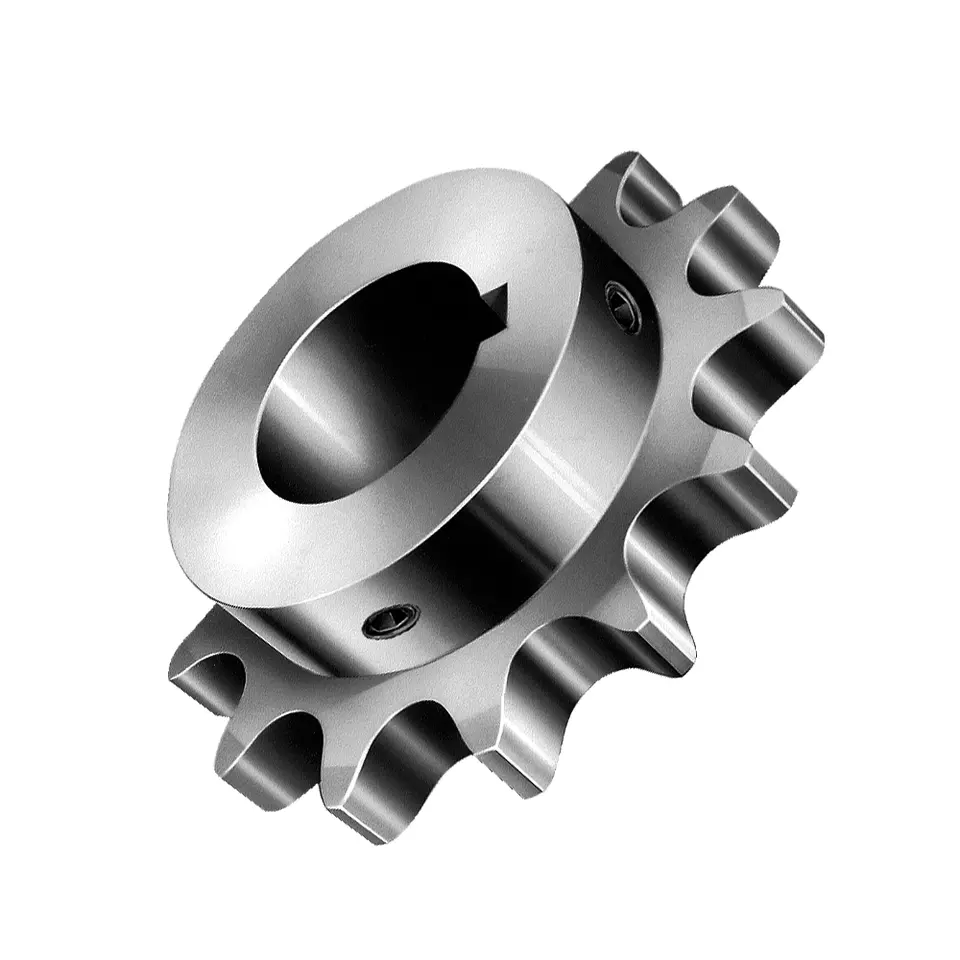
Choosing the Right Material for a Sprocket to Ensure Longevity
Choosing the right material for a sprocket is crucial to ensure its longevity and reliable performance in a given application. The material selection depends on various factors such as load, speed, operating environment, and budget. Here are some common materials used for sprockets and their considerations:
- Steel: Steel sprockets are widely used in a wide range of applications due to their excellent strength, durability, and wear resistance. They are suitable for heavy-duty and high-speed operations. Different grades of steel, such as carbon steel or alloy steel, offer varying levels of hardness and strength.
- Stainless Steel: Stainless steel sprockets are preferred when corrosion resistance is essential, making them suitable for applications where the sprocket is exposed to moisture, chemicals, or outdoor elements. They are commonly used in food processing, pharmaceutical, and marine industries.
- Cast Iron: Cast iron sprockets offer good wear resistance and are often used in low to medium-speed applications. They are cost-effective and provide excellent performance in less demanding conditions.
- Plastics: Plastic sprockets are lightweight and corrosion-resistant. They are commonly used in applications where low noise, self-lubrication, and resistance to chemicals or moisture are required. However, they have limited load-carrying capacity and may not be suitable for heavy-duty applications.
- Aluminum: Aluminum sprockets are lightweight and commonly used in applications where weight reduction is critical, such as aerospace and certain machinery. However, they are not as durable as steel sprockets and are not suitable for high loads or harsh environments.
When choosing the right material for a sprocket, consider the following:
- Load Capacity: Select a material that can handle the expected loads in the application without deforming or wearing excessively.
- Speed: Higher speeds may require materials with better heat dissipation and wear resistance.
- Environment: Consider factors such as moisture, chemicals, temperature, and outdoor exposure. Choose a material with suitable corrosion resistance and resilience to environmental conditions.
- Maintenance: Some materials may require more frequent maintenance or lubrication to ensure longevity.
- Cost: Balance the material’s performance with the budget constraints of the project.
It’s essential to consult with sprocket manufacturers or material experts to determine the most appropriate material for your specific application. They can provide valuable insights and recommendations based on your requirements, helping to ensure the longevity and optimal performance of the sprocket in your machinery or equipment.
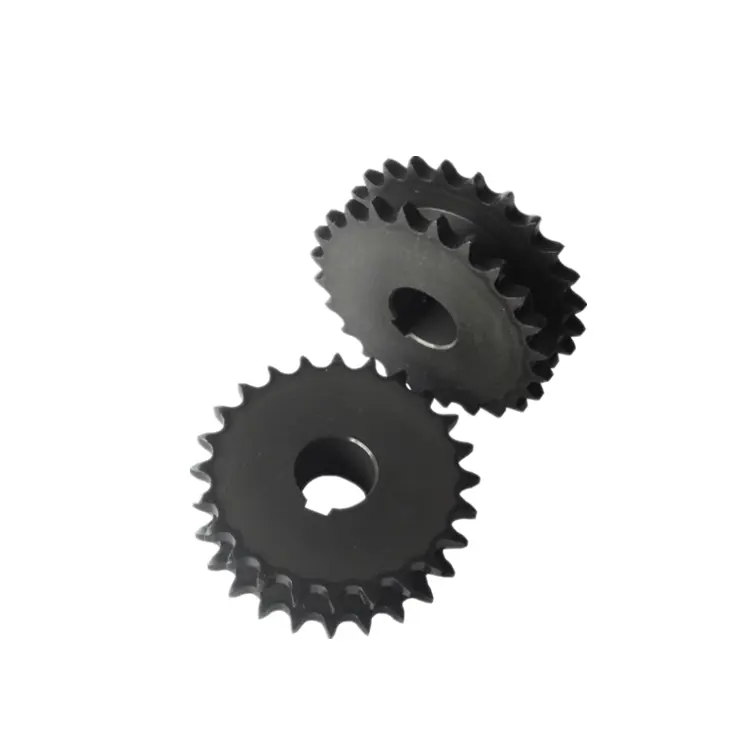
مواد سازگار با محیط زیست برای ساخت چرخ و چرخ دنده
بله، مواد سازگار با محیط زیست برای ساخت چرخ و چرخدنده استفاده میشوند. از آنجایی که صنایع در تلاش برای کاهش اثرات زیستمحیطی و ترویج پایداری هستند، تولیدکنندگان در حال بررسی مواد جایگزینی هستند که سازگارتر با محیط زیست باشند. برخی از مواد سازگار با محیط زیست که برای ساخت چرخ و چرخدنده استفاده میشوند عبارتند از:
۱. مواد بازیافتی:
استفاده از مواد بازیافتی، مانند پلاستیک یا فلز بازیافتی، میتواند تقاضا برای مواد اولیه بکر را به میزان قابل توجهی کاهش داده و ردپای کلی کربن را پایین بیاورد. این مواد از زبالههای پس از مصرف یا پس از صنعت به دست میآیند و برای تولید محصولات جدید فرآوری میشوند و نیاز به استخراج منابع جدید را کاهش میدهند.
۲. مواد زیست تخریبپذیر:
پلاستیکهای زیستتخریبپذیر، مانند PLA (پلیلاکتیک اسید) و PHA (پلیهیدروکسیآلکانوئاتها)، از منابع گیاهی تجدیدپذیر مشتق میشوند و میتوانند به طور طبیعی در محیط تجزیه شوند. این مواد برای کاربردهایی که در آنها ملاحظات مربوط به دفع یا پایان عمر حیاتی است، محبوبیت بیشتری پیدا میکنند.
۳. کامپوزیتهای پایدار:
تولیدکنندگان در حال توسعه مواد کامپوزیتی پایداری هستند که الیاف تجدیدپذیر مانند بامبو، کنف یا کتان را با رزینهای زیستتخریبپذیر ترکیب میکنند. این کامپوزیتها در مقایسه با پلاستیکهای تقویتشده با الیاف سنتی، استحکام و سختی خوبی دارند و در عین حال سازگارتر با محیط زیست هستند.
۴. مواد طبیعی:
در برخی موارد، از مواد طبیعی مانند چوب یا بامبو برای ساخت چرخدندهها و چرخها برای کاربردهای خاص استفاده میشود. این مواد تجدیدپذیر و زیستتخریبپذیر هستند و آنها را به انتخابی پایدارتر تبدیل میکنند.
۵. مواد با سمیت کم:
برخی از مواد سازگار با محیط زیست بر کاهش استفاده از مواد شیمیایی مضر در طول تولید تمرکز دارند. مواد کم سمیت نه تنها برای محیط زیست بهتر هستند، بلکه برای سلامت و ایمنی کارگران درگیر در فرآیند تولید نیز مفیدند.
هنگام انتخاب مواد سازگار با محیط زیست برای چرخها و چرخدندهها، در نظر گرفتن عواملی مانند کاربرد خاص، الزامات تحمل بار و ویژگیهای پایان عمر مواد ضروری است. تولیدکنندگان و کاربران میتوانند با انتخاب این جایگزینهای سازگار با محیط زیست در ماشینآلات و تجهیزات خود، به پایداری محیط زیست کمک کنند.


editor by CX 2023-08-09