وصف المنتج
|
Model NO.
|
standard/unstandard |
|
Type |
Transmission Part |
|
Customization |
Drawing |
|
Shipping |
by Sea Freight/by Land Freight/by Air Freight |
|
Service |
OEM ODM |
|
Series |
DIN,ANSI and So on |
|
Supply Ability |
20000 PCS Per Month |
|
Certification |
ISO9001 |
|
Use |
Transmission Machine |
|
Product Name |
Steel Roller Chain Sprocket |
|
Size |
Customized Size or Standard |
|
Processing |
Hobbing |
|
معالجة السطح |
Black Oxide,Zinc Plated,Nickel Plated |
|
Delivery Time |
Usually 20-30 Days |
|
Transport Package |
Plastic Bag+Plywood Box |
|
مواصفة |
40B 35A C2040 idler sprocket and so on |
|
Origin |
الصين |
|
Production Capacity |
30000 PCS Per Month |
|
تكلفة الشحن:
تكلفة الشحن المقدرة لكل وحدة. |
سيتم التفاوض عليه|
|
|---|
| قياسي أم غير قياسي: | معيار |
|---|---|
| طلب: | Motor, Motorcycle, Machinery, Agricultural Machinery |
| صلابة: | سطح السن المقوى |
| أمثلة: |
US$ 10/Piece
قطعة واحدة (الحد الأدنى للطلب) | اطلب عينة |
|---|
| التخصيص: |
متاح
| طلب مخصص |
|---|
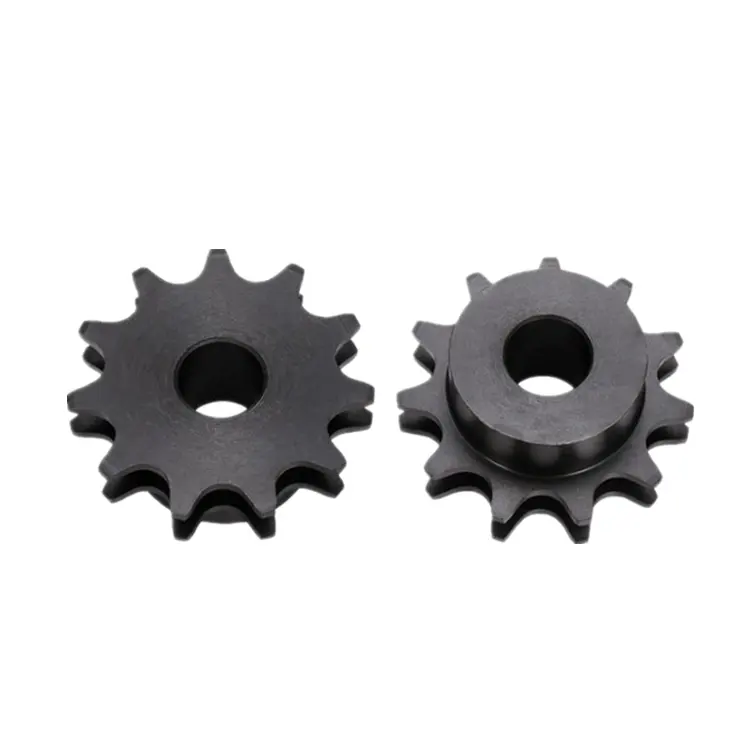
wheel sprocket System in Heavy Machinery and Industrial Equipment
Yes, a wheel sprocket system is commonly used in heavy machinery and industrial equipment for power transmission and motion control. The wheel sprocket configuration is a versatile and efficient method of transmitting rotational force between two shafts.
In heavy machinery and industrial equipment, the wheel is typically attached to one shaft, while the sprocket is mounted on another shaft. A chain or a toothed belt is wrapped around the wheel sprocket, connecting them. When the wheel is rotated, the chain or belt engages with the sprocket, causing the sprocket and the connected shaft to rotate as well. This mechanism allows the transfer of power from one shaft to the other, enabling various components and parts of the machinery to function.
Common applications of the wheel sprocket system in heavy machinery include:
- Construction Machinery: Wheel loaders, excavators, cranes, and other construction equipment often use wheel sprocket systems for efficient power transmission in various moving parts.
- Material Handling Equipment: Forklifts, conveyor systems, and other material handling equipment utilize wheel sprocket configurations to move goods and materials smoothly and reliably.
- Mining Equipment: Mining machinery, such as drilling rigs and conveyors, often incorporate wheel sprocket assemblies for power transmission in challenging environments.
- Agricultural Machinery: Tractors, combines, and other agricultural equipment use wheel sprocket systems to drive various components like wheels and harvesting mechanisms.
- Industrial Robotics: Robots and automated systems in manufacturing often utilize wheel sprocket setups for precise motion control and efficient power transmission.
One of the key advantages of the wheel sprocket system is its ability to handle heavy loads and transmit power over long distances. It is a reliable and cost-effective method of power transmission in various industrial settings. However, proper maintenance and alignment are crucial to ensuring the system’s optimal performance and longevity.
Overall, the wheel sprocket system is a widely used and effective power transmission solution in heavy machinery and industrial equipment, offering versatility and efficiency in a range of applications.
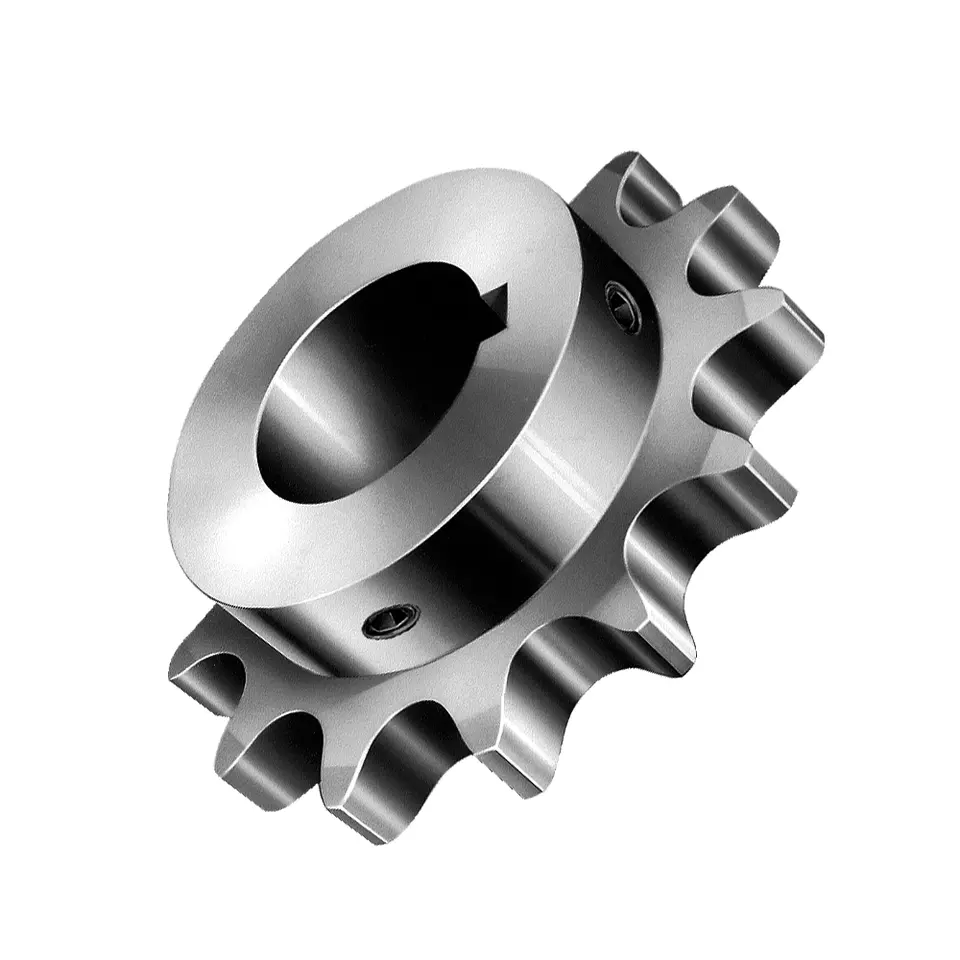
Choosing the Right Material for a Sprocket to Ensure Longevity
Choosing the right material for a sprocket is crucial to ensure its longevity and reliable performance in a given application. The material selection depends on various factors such as load, speed, operating environment, and budget. Here are some common materials used for sprockets and their considerations:
- فُولاَذ: Steel sprockets are widely used in a wide range of applications due to their excellent strength, durability, and wear resistance. They are suitable for heavy-duty and high-speed operations. Different grades of steel, such as carbon steel or alloy steel, offer varying levels of hardness and strength.
- الفولاذ المقاوم للصدأ: Stainless steel sprockets are preferred when corrosion resistance is essential, making them suitable for applications where the sprocket is exposed to moisture, chemicals, or outdoor elements. They are commonly used in food processing, pharmaceutical, and marine industries.
- Cast Iron: Cast iron sprockets offer good wear resistance and are often used in low to medium-speed applications. They are cost-effective and provide excellent performance in less demanding conditions.
- البلاستيك: Plastic sprockets are lightweight and corrosion-resistant. They are commonly used in applications where low noise, self-lubrication, and resistance to chemicals or moisture are required. However, they have limited load-carrying capacity and may not be suitable for heavy-duty applications.
- الألومنيوم: Aluminum sprockets are lightweight and commonly used in applications where weight reduction is critical, such as aerospace and certain machinery. However, they are not as durable as steel sprockets and are not suitable for high loads or harsh environments.
When choosing the right material for a sprocket, consider the following:
- Load Capacity: Select a material that can handle the expected loads in the application without deforming or wearing excessively.
- Speed: Higher speeds may require materials with better heat dissipation and wear resistance.
- Environment: Consider factors such as moisture, chemicals, temperature, and outdoor exposure. Choose a material with suitable corrosion resistance and resilience to environmental conditions.
- Maintenance: Some materials may require more frequent maintenance or lubrication to ensure longevity.
- Cost: Balance the material’s performance with the budget constraints of the project.
It’s essential to consult with sprocket manufacturers or material experts to determine the most appropriate material for your specific application. They can provide valuable insights and recommendations based on your requirements, helping to ensure the longevity and optimal performance of the sprocket in your machinery or equipment.
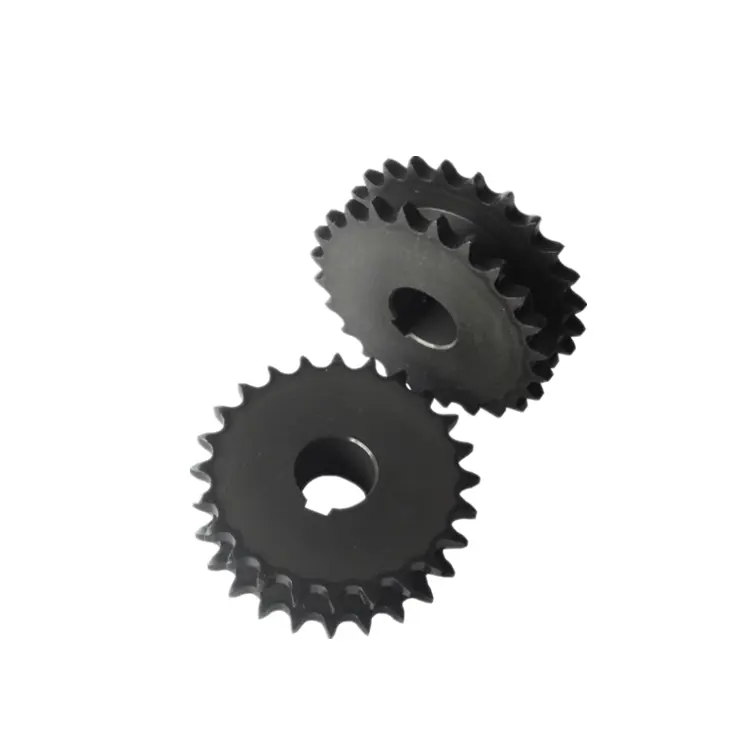
مواد صديقة للبيئة لتصنيع العجلات والتروس
نعم، تُستخدم مواد صديقة للبيئة في تصنيع العجلات والتروس. فمع سعي الصناعات إلى تقليل أثرها البيئي وتعزيز الاستدامة، يبحث المصنّعون عن مواد بديلة أكثر ملاءمة للبيئة. ومن بين هذه المواد الصديقة للبيئة المستخدمة في تصنيع العجلات والتروس ما يلي:
1. المواد المعاد تدويرها:
يُمكن أن يُساهم استخدام المواد المُعاد تدويرها، مثل البلاستيك أو المعادن المُعاد تدويرها، في تقليل الطلب على المواد الخام الجديدة بشكلٍ ملحوظ، وخفض البصمة الكربونية الإجمالية. تُستخلص هذه المواد من النفايات الاستهلاكية أو الصناعية، وتُعالج لإنتاج منتجات جديدة، مما يُقلل الحاجة إلى استخراج موارد جديدة.
2. المواد القابلة للتحلل الحيوي:
تُستخلص المواد البلاستيكية القابلة للتحلل الحيوي، مثل حمض البوليلاكتيك (PLA) وبولي هيدروكسي ألكانوات (PHA)، من مصادر نباتية متجددة، ويمكنها أن تتحلل طبيعياً في البيئة. وتكتسب هذه المواد شعبية متزايدة في التطبيقات التي تُعد فيها اعتبارات التخلص منها أو نهاية عمرها الافتراضي أمراً بالغ الأهمية.
3. المواد المركبة المستدامة:
يعمل المصنّعون على تطوير مواد مركبة مستدامة تجمع بين الألياف المتجددة، مثل الخيزران والقنب والكتان، مع الراتنجات القابلة للتحلل الحيوي. تتميز هذه المواد المركبة بقوة وصلابة عاليتين، فضلاً عن كونها أكثر ملاءمة للبيئة مقارنةً بالبلاستيك التقليدي المقوى بالألياف.
4. المواد الطبيعية:
في بعض الحالات، تُستخدم مواد طبيعية مثل الخشب أو الخيزران لصنع التروس والعجلات لتطبيقات محددة. هذه المواد متجددة وقابلة للتحلل الحيوي، مما يجعلها خيارًا أكثر استدامة.
5. مواد منخفضة السمية:
تركز بعض المواد الصديقة للبيئة على تقليل استخدام المواد الكيميائية الضارة أثناء التصنيع. فالمواد منخفضة السمية ليست أفضل للبيئة فحسب، بل هي أيضاً أفضل لصحة وسلامة العمال المشاركين في عملية الإنتاج.
عند اختيار مواد صديقة للبيئة للعجلات والتروس، من الضروري مراعاة عوامل مثل الاستخدام المحدد، ومتطلبات تحمل الأحمال، وخصائص المادة عند انتهاء عمرها الافتراضي. ويمكن للمصنعين والمستخدمين المساهمة في الاستدامة البيئية باختيار هذه البدائل الصديقة للبيئة في آلاتهم ومعداتهم.


editor by CX 2023-08-09