Mô tả sản phẩm
ZHangZhoug CZPT Machinery Co., Ltd
(DIN/ANSI/JIS Standard or made to drawing)
Product Description:
ZHangZhoug CZPT Machinery Co., Ltd. Is the vice chairman of chain Transmission Branch of China Machinery General parts Industry Association and a member of China chain Transmission Standardization Technical Committee.
Founded in 1954, mainly engaged in sprocket, gear, timing belt pulley, coupling production and sales, It is a large sprocket manufacturing enterprise in China, and it is also 1 of the largest standard sprocket manufacturers in the world at present. The product structure of the company has been developed from the single pattern of standard sprocket to non-standard transmission parts. Products are mainly sold in North America, South America, Europe, Africa and Japan, South Korea, the Middle East, Russia and Southeast Asia and other countries and regions, sales network all over the world.
The company has passed ISO 9002 quality assurance system certification for the first time in 1999, ISO9001: 2000 quality management system certification in 2003, ISO/TS16949 quality management system certification for the first time in 2009, ISO14001: 2004 environmental management system certification for the first time in 2571, ISO14001: 2015 environmental management system certification for 2017, and ISO9001: 2015 and IATF16949: 2016 quality management system certification for 2018. It lays a CZPT foundation for perfecting the internal management of the enterprise and opening up the external market.
The company adheres to the business philosophy of “Quality is life, technology is physique, delivery is moral, quantity is credit, service is kindred, cost is lifetime”, implementing “innovation-driven, twinning integration” upgrading strategy, promoting chain transmission products to excellence, and making every effort to create “harmonious cenfit, good quality cenfit, hundred years of cenfit”
| Tiêu chuẩn hay không tiêu chuẩn: | Tiêu chuẩn |
|---|---|
| Ứng dụng: | Motor, Machinery, Agricultural Machinery, Car |
| Độ cứng: | Soft Tooth Surface |
| Phương pháp sản xuất: | Rolling Gear |
| Hình dạng phần răng cưa: | Spur Gear |
| Vật liệu: | C45 |
| Tùy chỉnh: |
Có sẵn
| Yêu cầu tùy chỉnh |
|---|
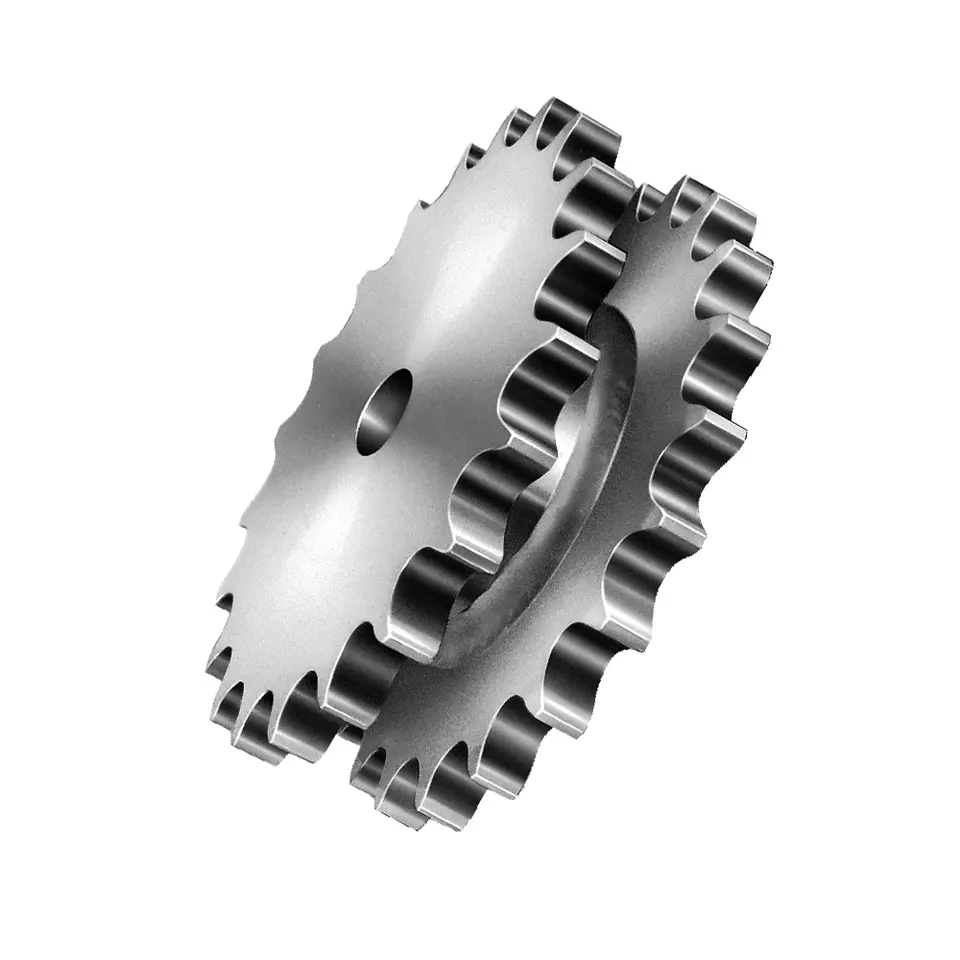
How to Identify and Troubleshoot Common Issues with Wheels and Sprockets
Identifying and troubleshooting common issues with wheels and sprockets can help you maintain their proper functioning and prevent potential problems. Here are some steps to follow:
- Abnormal Noise: If you notice unusual noise during operation, it could indicate misalignment, worn sprockets, or a loose chain. Check for any loose bolts or fasteners and ensure proper alignment of the sprockets.
- Chain Slippage: Chain slippage can occur due to insufficient tension or worn-out sprocket teeth. Check the chain tension and adjust it to the recommended level. Inspect the sprocket teeth for signs of wear and replace them if necessary.
- Uneven Wear: Uneven wear on the sprocket teeth can be a result of misalignment or a worn-out chain. Check the alignment of the sprockets and adjust as needed. If the chain is stretched or has damaged links, replace it with a new one.
- Excessive Vibration: Excessive vibration may be caused by imbalanced wheels or misaligned sprockets. Check for any bent or damaged wheels and ensure proper alignment of the sprockets.
- Chain Skipping: If the chain skips over the sprocket teeth during operation, it could be due to worn sprocket teeth or a loose chain. Inspect the sprocket teeth for signs of wear and replace them if necessary. Adjust the chain tension to the proper level.
- Chain Jamming: Chain jamming can occur if there is debris or dirt between the chain and sprockets. Clean the chain and sprockets thoroughly to remove any obstructions.
- Excessive Chain Wear: Regularly inspect the chain for signs of wear, such as elongation, damaged links, or rust. Replace the chain if it is significantly worn to avoid damage to the sprockets.
- Overheating: Overheating can be caused by high friction between the chain and sprockets or improper lubrication. Ensure proper lubrication and check for any misalignment or tight spots in the system.
By identifying these common issues and performing regular inspections, you can troubleshoot problems early on and take appropriate corrective measures, ensuring the smooth operation and longevity of the wheel sprocket assembly.
Inspecting a wheel sprocket for Wear and Tear
Regular inspection of the wheel sprocket is essential to ensure their proper functioning and to identify any signs of wear and tear. Here are the steps to inspect a wheel sprocket:
- Visual Inspection: Start by visually examining the wheel sprocket for any visible signs of wear, damage, or deformation. Look for cracks, chips, dents, or any irregularities on the surface of both components.
- Check for Misalignment: Verify that the wheel sprocket are properly aligned with each other. Misalignment can lead to accelerated wear and affect the overall performance of the system.
- Measure Wear: Use calipers or a wear gauge to measure the sprocket’s tooth profile and the wheel’s rolling surface. Compare these measurements with the original specifications to determine if significant wear has occurred.
- Inspect Teeth and Chain Engagement: If the wheel sprocket are part of a chain drive system, closely examine the sprocket teeth and chain engagement. Worn or elongated teeth can cause poor chain engagement and lead to premature failure.
- Bôi trơn: Check the lubrication of the wheel sprocket. Insufficient or excessive lubrication can cause increased friction, leading to wear and reduced efficiency.
- Bearing Condition: If the wheel is mounted on a shaft with bearings, inspect the bearings for any signs of wear, noise, or rough movement. Properly functioning bearings are crucial for the smooth operation of the system.
- Inspect Mounting Hardware: Ensure that all nuts, bolts, and other mounting hardware are securely tightened. Loose fasteners can cause vibration and misalignment issues.
- Check for Contaminants: Remove any debris, dirt, or foreign particles that may have accumulated on the wheel or sprocket. Contaminants can accelerate wear and damage the components.
- Replacement or Maintenance: Based on the inspection results, determine if any parts need replacement or if maintenance is required. Address any issues promptly to prevent further damage and maintain the system’s performance.
Regularly scheduled inspections and maintenance can help prolong the lifespan of the wheel sprocket assembly, optimize performance, and ensure the safety of the mechanical system.
Các loại đĩa xích được sử dụng với bánh xe
Trong các hệ thống cơ khí, đĩa xích là những bánh răng có răng ăn khớp với xích hoặc dây đai để truyền chuyển động quay và công suất. Có nhiều loại đĩa xích được sử dụng với bánh xe, mỗi loại được thiết kế cho các ứng dụng cụ thể:
1. Nhông xích con lăn:
Đây là loại đĩa xích phổ biến nhất được sử dụng với bánh xe và được thiết kế để hoạt động với xích con lăn. Đĩa xích con lăn có răng khớp với hình dạng của các con lăn trên xích, đảm bảo sự ăn khớp trơn tru và giảm mài mòn cho cả đĩa xích và xích. Chúng được sử dụng rộng rãi trong xe đạp, xe máy và máy móc công nghiệp.
2. Nhông xích giảm tiếng ồn:
Còn được gọi là nhông xích răng ngược, những nhông xích này được thiết kế để hoạt động với xích giảm tiếng ồn. Xích giảm tiếng ồn là loại xích có răng chạy êm ái và trơn tru, lý tưởng cho các ứng dụng cần giảm tiếng ồn, chẳng hạn như hệ thống truyền động định thời trong động cơ và hệ thống ô tô.
3. Bánh răng truyền động đai cam:
Các bánh răng truyền động đai cam được sử dụng cùng với đai cam để đảm bảo sự đồng bộ chính xác giữa trục khuỷu và trục cam trong động cơ đốt trong. Chúng có các răng được thiết kế đặc biệt để phù hợp với hình dạng của đai cam, cho phép định thời chính xác và chuyển động trơn tru.
4. Bánh răng dẫn hướng:
Các bánh răng dẫn hướng được sử dụng để dẫn hướng và căng xích hoặc dây đai trong một hệ thống. Chúng không tự truyền lực nhưng đóng vai trò quan trọng trong việc duy trì độ căng và sự thẳng hàng thích hợp, điều cần thiết cho việc truyền tải năng lượng hiệu quả và ngăn ngừa hiện tượng chùng xích hoặc dây đai.
5. Nhông xích hàn:
Các loại nhông hàn được thiết kế để hàn trực tiếp vào moay ốc hoặc trục bánh xe, tạo ra sự gắn kết chắc chắn và vĩnh viễn. Chúng thường được sử dụng trong máy móc và thiết bị công nghiệp.
6. Nhông đơn kép:
Nhông kép đơn, còn được gọi là nhông đôi, có hai bộ răng trên cùng một thân nhông. Chúng được sử dụng khi cần dẫn động hai xích riêng biệt với cùng tốc độ và cùng tỷ số truyền nhông, thường thấy trong các ứng dụng tải nặng và hệ thống băng tải.
7. Nhông xích kiểu Taper-Lock:
Các bánh răng côn khóa được thiết kế với hình dạng côn và rãnh then để tạo ra kết nối chắc chắn và dễ dàng lắp đặt với trục. Chúng được sử dụng rộng rãi trong các hệ thống truyền động, nơi việc định vị và tháo bánh răng diễn ra thường xuyên.
Mỗi loại nhông xích được lựa chọn dựa trên các yêu cầu cụ thể của ứng dụng, loại xích hoặc dây đai, và các đặc tính hiệu suất mong muốn. Việc lựa chọn và bảo dưỡng nhông xích đúng cách là rất cần thiết để đảm bảo truyền tải điện năng hiệu quả và kéo dài tuổi thọ của toàn bộ hệ thống.


editor by CX 2023-09-05