Opis produktu
ZHangZhoug CZPT Machinery Co., Ltd
(DIN/ANSI/JIS Standard or made to drawing)
Product Description:
ZHangZhoug CZPT Machinery Co., Ltd. Is the vice chairman of chain Transmission Branch of China Machinery General parts Industry Association and a member of China chain Transmission Standardization Technical Committee.
Founded in 1954, mainly engaged in sprocket, gear, timing belt pulley, coupling production and sales, It is a large sprocket manufacturing enterprise in China, and it is also 1 of the largest standard sprocket manufacturers in the world at present. The product structure of the company has been developed from the single pattern of standard sprocket to non-standard transmission parts. Products are mainly sold in North America, South America, Europe, Africa and Japan, South Korea, the Middle East, Russia and Southeast Asia and other countries and regions, sales network all over the world.
The company has passed ISO 9002 quality assurance system certification for the first time in 1999, ISO9001: 2000 quality management system certification in 2003, ISO/TS16949 quality management system certification for the first time in 2009, ISO14001: 2004 environmental management system certification for the first time in 2571, ISO14001: 2015 environmental management system certification for 2017, and ISO9001: 2015 and IATF16949: 2016 quality management system certification for 2018. It lays a CZPT foundation for perfecting the internal management of the enterprise and opening up the external market.
The company adheres to the business philosophy of “Quality is life, technology is physique, delivery is moral, quantity is credit, service is kindred, cost is lifetime”, implementing “innovation-driven, twinning integration” upgrading strategy, promoting chain transmission products to excellence, and making every effort to create “harmonious cenfit, good quality cenfit, hundred years of cenfit”
| Standard Or Nonstandard: | Standard |
|---|---|
| Application: | Motor, Machinery, Agricultural Machinery, Car |
| Hardness: | Soft Tooth Surface |
| Manufacturing Method: | Rolling Gear |
| Toothed Portion Shape: | Spur Gear |
| Tworzywo: | C45 |
| Personalizacja: |
Dostępny
| Spersonalizowane żądanie |
|---|
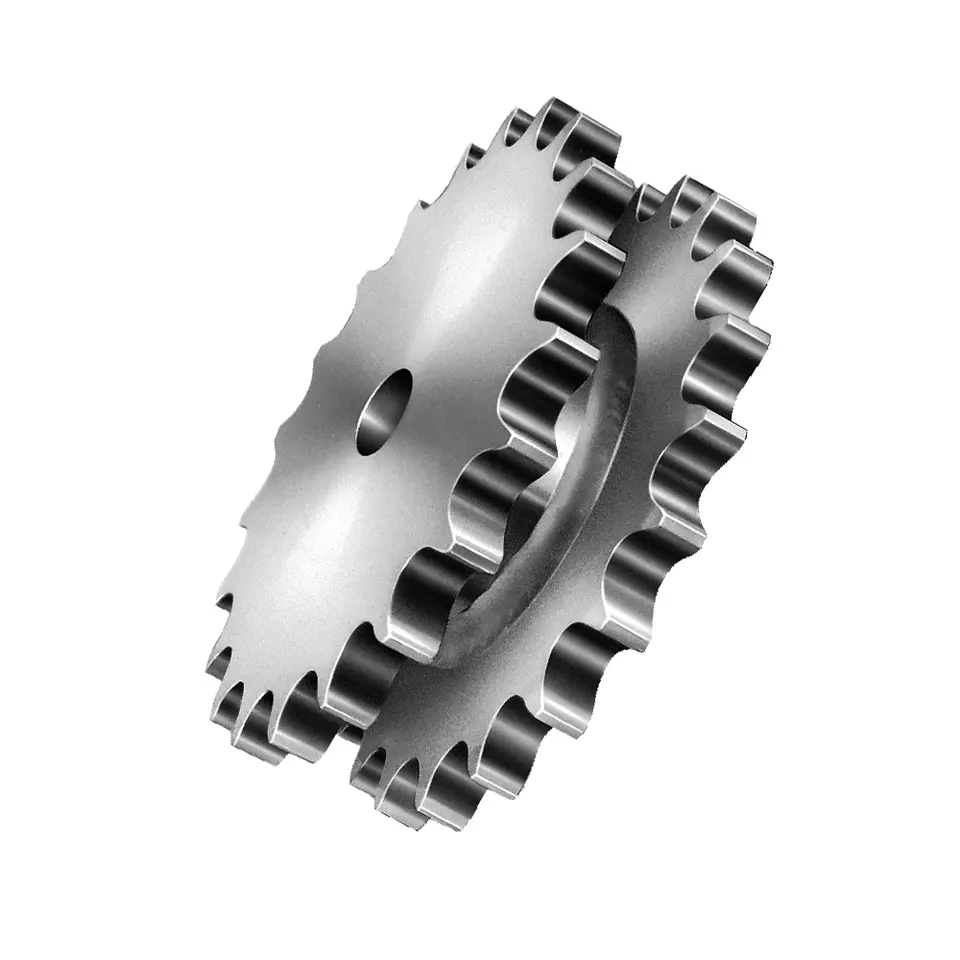
How to Identify and Troubleshoot Common Issues with Wheels and Sprockets
Identifying and troubleshooting common issues with wheels and sprockets can help you maintain their proper functioning and prevent potential problems. Here are some steps to follow:
- Abnormal Noise: If you notice unusual noise during operation, it could indicate misalignment, worn sprockets, or a loose chain. Check for any loose bolts or fasteners and ensure proper alignment of the sprockets.
- Chain Slippage: Chain slippage can occur due to insufficient tension or worn-out sprocket teeth. Check the chain tension and adjust it to the recommended level. Inspect the sprocket teeth for signs of wear and replace them if necessary.
- Uneven Wear: Uneven wear on the sprocket teeth can be a result of misalignment or a worn-out chain. Check the alignment of the sprockets and adjust as needed. If the chain is stretched or has damaged links, replace it with a new one.
- Excessive Vibration: Excessive vibration may be caused by imbalanced wheels or misaligned sprockets. Check for any bent or damaged wheels and ensure proper alignment of the sprockets.
- Chain Skipping: If the chain skips over the sprocket teeth during operation, it could be due to worn sprocket teeth or a loose chain. Inspect the sprocket teeth for signs of wear and replace them if necessary. Adjust the chain tension to the proper level.
- Chain Jamming: Chain jamming can occur if there is debris or dirt between the chain and sprockets. Clean the chain and sprockets thoroughly to remove any obstructions.
- Excessive Chain Wear: Regularly inspect the chain for signs of wear, such as elongation, damaged links, or rust. Replace the chain if it is significantly worn to avoid damage to the sprockets.
- Overheating: Overheating can be caused by high friction between the chain and sprockets or improper lubrication. Ensure proper lubrication and check for any misalignment or tight spots in the system.
By identifying these common issues and performing regular inspections, you can troubleshoot problems early on and take appropriate corrective measures, ensuring the smooth operation and longevity of the wheel sprocket assembly.
Sprawdzanie zużycia koła zębatego
Regularna kontrola zębatki koła jest niezbędna, aby zapewnić jej prawidłowe działanie i zidentyfikować wszelkie oznaki zużycia. Oto kroki kontroli zębatki koła:
- Kontrola wizualna: Zacznij od wizualnej oceny zębatki koła zębatego pod kątem widocznych śladów zużycia, uszkodzeń lub odkształceń. Poszukaj pęknięć, odprysków, wgnieceń lub innych nierówności na powierzchni obu elementów.
- Sprawdź, czy nie ma rozbieżności: Sprawdź, czy koła zębate są prawidłowo ustawione względem siebie. Nieprawidłowe ustawienie może prowadzić do przyspieszonego zużycia i wpłynąć na ogólną wydajność układu.
- Zmierz zużycie: Za pomocą suwmiarki lub miernika zużycia zmierz profil zęba zębatki i powierzchnię toczną koła. Porównaj te pomiary z oryginalnymi specyfikacjami, aby określić, czy nastąpiło znaczne zużycie.
- Kontrola zębów i zazębienia łańcucha: Jeśli koło zębate jest częścią układu napędowego łańcucha, należy dokładnie sprawdzić zęby koła zębatego i zazębienie łańcucha. Zużyte lub wydłużone zęby mogą powodować słabe zazębienie łańcucha i prowadzić do jego przedwczesnej awarii.
- Smarowanie: Sprawdź smarowanie koła zębatego. Niedostateczne lub nadmierne smarowanie może powodować zwiększone tarcie, co prowadzi do zużycia i obniżenia wydajności.
- Stan łożyska: Jeśli koło jest zamontowane na wale z łożyskami, sprawdź łożyska pod kątem oznak zużycia, hałasu lub nierównego ruchu. Prawidłowo działające łożyska są kluczowe dla płynnej pracy układu.
- Sprawdź elementy montażowe: Upewnij się, że wszystkie nakrętki, śruby i inne elementy montażowe są solidnie dokręcone. Luźne elementy złączne mogą powodować wibracje i problemy z ustawieniem współosiowości.
- Sprawdź, czy nie ma zanieczyszczeń: Usuń wszelkie zanieczyszczenia, brud i ciała obce, które mogły nagromadzić się na kole lub zębatce. Zanieczyszczenia mogą przyspieszyć zużycie i uszkodzić podzespoły.
- Wymiana lub konserwacja: Na podstawie wyników inspekcji określ, czy jakiekolwiek części wymagają wymiany lub konserwacji. Niezwłocznie rozwiąż wszelkie problemy, aby zapobiec dalszym uszkodzeniom i utrzymać wydajność systemu.
Regularne kontrole i konserwacje mogą pomóc przedłużyć żywotność zespołu kół zębatych, zoptymalizować wydajność i zagwarantować bezpieczeństwo układu mechanicznego.
Types of Sprockets Used with Wheels
In mechanical systems, sprockets are toothed wheels that mesh with a chain or a belt to transmit rotational motion and power. There are several types of sprockets used with wheels, each designed for specific applications:
1. Roller Chain Sprockets:
These are the most common type of sprockets used with wheels and are designed to work with roller chains. Roller chain sprockets have teeth that match the profile of the chain’s rollers, ensuring smooth engagement and reducing wear on both the sprocket and the chain. They are widely used in bicycles, motorcycles, and industrial machinery.
2. Silent Chain Sprockets:
Also known as inverted-tooth chain sprockets, these sprockets are designed to work with silent chains. Silent chains are toothed chains that run quietly and smoothly, making them ideal for applications where noise reduction is essential, such as timing drives in engines and automotive systems.
3. Timing Belt Sprockets:
Timing belt sprockets are used with timing belts to ensure precise synchronization between the crankshaft and camshaft in internal combustion engines. They have specially designed teeth that fit the profile of the timing belt, allowing for accurate timing and smooth motion.
4. Idler Sprockets:
Idler sprockets are used to guide and tension chains or belts in a system. They do not transmit power themselves but play a crucial role in maintaining proper tension and alignment, which is essential for efficient power transmission and to prevent chain or belt slack.
5. Weld-On Sprockets:
Weld-on sprockets are designed to be welded directly onto a wheel hub or shaft, providing a secure and permanent attachment. They are commonly used in industrial machinery and equipment.
6. Double-Single Sprockets:
Double-single sprockets, also known as duplex sprockets, have two sets of teeth on one sprocket body. They are used when two separate chains need to be driven at the same speed and with the same sprocket ratio, often found in heavy-duty applications and conveyor systems.
7. Taper-Lock Sprockets:
Taper-lock sprockets are designed with a taper and keyway to provide a secure and easy-to-install connection to the shaft. They are widely used in power transmission systems, where sprocket positioning and removal are frequent.
Each type of sprocket is selected based on the specific application’s requirements, chain or belt type, and the desired performance characteristics. Proper selection and maintenance of sprockets are essential for ensuring efficient power transmission and extending the life of the entire system.


editor by CX 2023-09-05