Опис продукту
Stainless Steel Roller Chain Sprocket (All Types)
DETAILS ABOUT CZPT CHAIN
Опис продукту
| Product Name | Chain Sprockets |
| Process | Forging, hobbing, precision machining, etc. |
| Сертифікати | ISO 9001: 2008, GB/T19001-2000IDT, Test Report |
| Стандартний | GB1244-85, DIN8187,8188, OEM, ANSI or DIN |
| Обробка поверхні | Blacken or Galvanized as You Required |
| Матеріал | Stainless steel, carbon steel, aluminum, copper, brass |
| Термічна обробка | 45 – 55 HRC |
| Упаковка | Plastic bag+paper case+wooden pallet |
| Applications | Building Material Shops, Machinery, Industrial, etc. |
More Products
Advantage
DETAILS ABOUT CZPT CHAIN
Exhibition
Сертифікати
Workshop
Застосування
Packaging Details & Shipping
FAQ
1. Are you a manufacturer or trade Company?
We are a factory founded in 1997 with a trade team for international service.
2. What terms of payment do you usually use?
T/T 30% deposit and 70% against document, Western Union, L/C at sight
3. What is your lead time for your goods?
Normally 35 days after confirmed order. 30 days could be available in the low season for some items (during May to July), and 45 days during the new year and hot season ( Jan to March).
4. Samples
For customers who need sample confirmation before ordering, please bear in mind that the following policy will be adopted:
1) All samples are free of charge with a maximum value not exceeding USD 100.
2) The courier cost for the first-time sample sending will be charged by the consignee. We will send the samples with freight to be collected. So please inform your account with FedEx, UPS, DHL, or TNT so that we can proceed promptly.
3) The first-time courier cost will be totally deducted from the contract value of the trial cooperation.
/* 22 січня 2571 19:08:37 */!function(){function s(e,r){var a,o={};try{e&&e.split(“,”).forEach(function(e,t){e&&(a=e.match(/(.*?):(.*)$/))&&1
| Standard Or Nonstandard: | Стандартний |
|---|---|
| Application: | Motor, Electric Cars, Motorcycle, Machinery, Marine, Agricultural Machinery |
| Hardness: | Hardened Tooth Surface |
| Налаштування: |
Доступно
| Індивідуальний запит |
|---|
.shipping-cost-tm .tm-status-off{фон: немає; padding:0; колір: #1470cc}
| Вартість доставки:
Орієнтовна вартість перевезення за одиницю. |
щодо вартості доставки та орієнтовного часу доставки. |
|---|
| Спосіб оплати: |
|
|---|---|
|
Початковий платіж Повна оплата |
| Валюта: | US$ |
|---|
| Повернення та відшкодування: | Ви можете подати заявку на повернення коштів протягом 30 днів з моменту отримання товарів. |
|---|
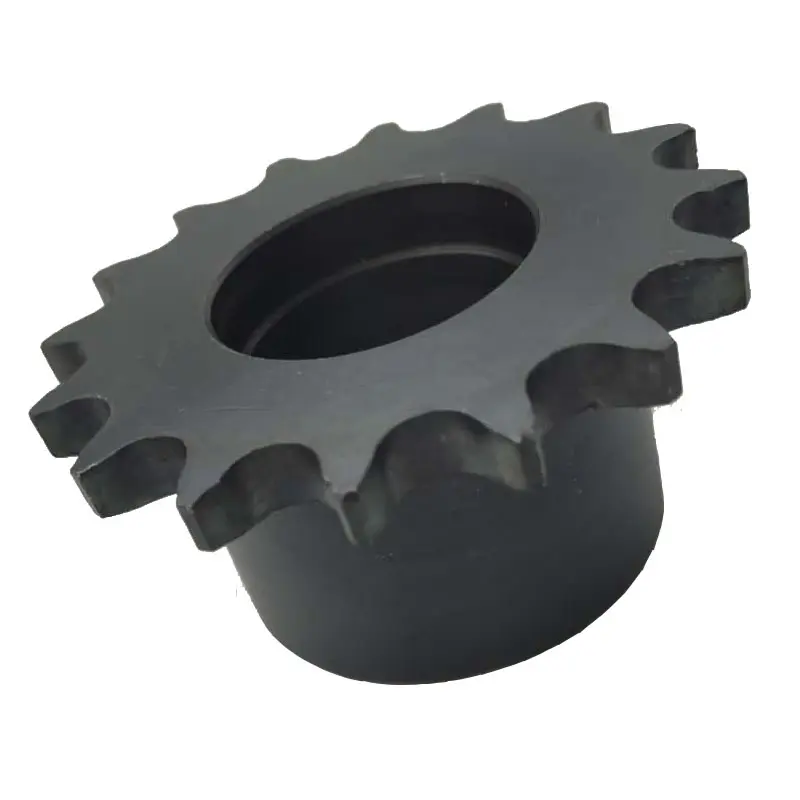
Compatibility of Chain Sprockets with Wheels
In general, chain sprockets are designed to work with specific types of wheels, and there are certain requirements for ensuring proper compatibility:
- Chain Size and Pitch: The chain sprocket must match the size and pitch of the chain it is intended to work with. For example, if you have a roller chain with a pitch of 0.625 inches, you need a sprocket with the same pitch to ensure a proper fit.
- Number of Teeth: The number of teeth on the sprocket should be compatible with the number of chain links. The chain should mesh smoothly with the sprocket without any binding or skipping.
- Tooth Profile: The tooth profile of the sprocket should match the shape of the chain’s rollers to ensure smooth engagement and minimize wear.
- Shaft Size: The center hole (bore) of the sprocket should match the diameter of the shaft it will be mounted on. Using the correct shaft size ensures a secure fit and prevents wobbling.
- Hub Configuration: Some sprockets have hubs, which are extensions on either side of the sprocket. The hub’s length and configuration should match the requirements of the specific application.
- Material and Strength: Consider the material and strength of the sprocket based on the application’s load and environmental conditions. Heavy-duty applications may require sprockets made of robust materials to withstand the forces and stresses.
It’s crucial to follow the manufacturer’s specifications and guidelines when selecting a chain sprocket for a particular wheel. Mixing incompatible sprockets and wheels can result in premature wear, inefficiencies, and potential safety hazards. If you are unsure about the compatibility, consult with the manufacturer or a knowledgeable expert to ensure you choose the right sprocket for your specific application.
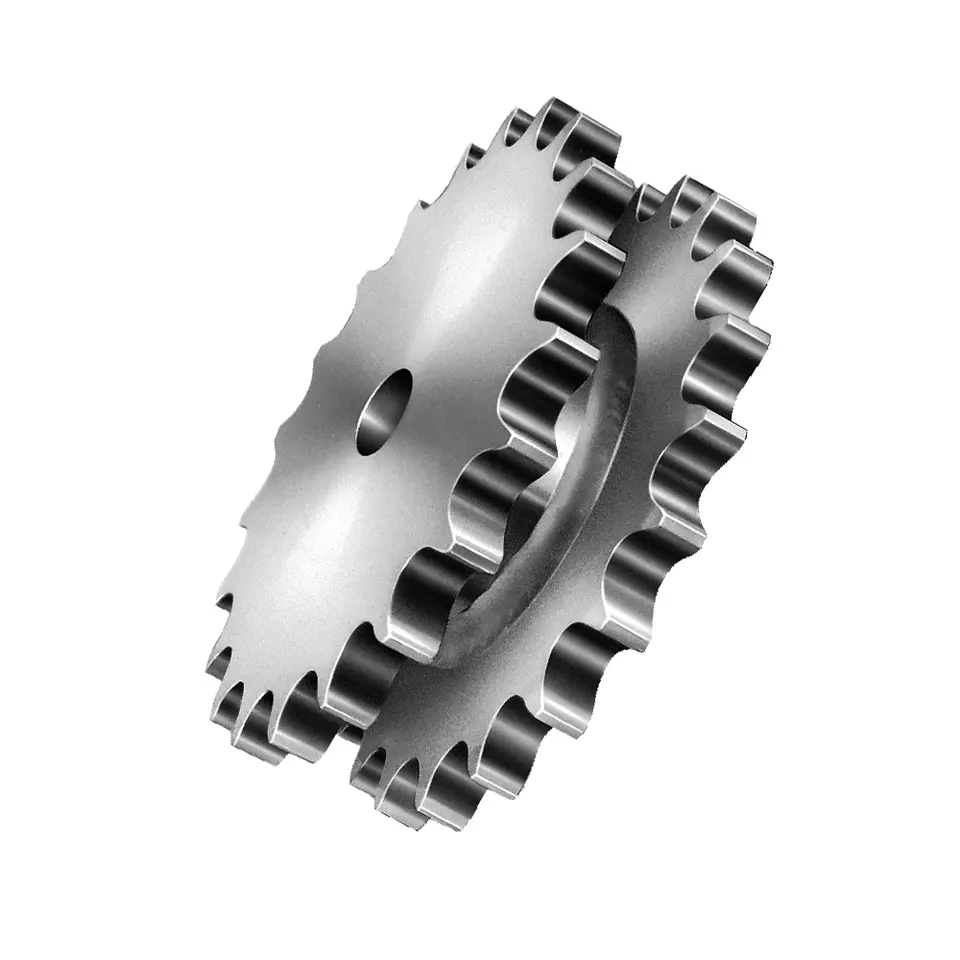
Температурні обмеження для роботи системи зірочки колеса
Температурні обмеження для роботи системи зірочки колеса залежать від матеріалів, що використовуються у виробництві компонентів. Різні матеріали мають різні температурні допуски, і перевищення цих обмежень може призвести до зниження продуктивності, передчасного зносу та навіть виходу системи з ладу.
Ось деякі поширені матеріали, що використовуються в системах зірочок коліс, та їхні загальні температурні обмеження:
- Сталь: Сталеві зірочки та колеса, які широко використовуються в багатьох сферах застосування, зазвичай мають температурний діапазон від -40°C до 500°C (від -40°F до 932°F). Однак конкретний температурний діапазон може змінюватися залежно від марки сталі та будь-яких застосованих покриттів або обробок.
- Нержавіюча сталь: Зірочки та колеса з нержавіючої сталі мають покращену стійкість до корозії та можуть витримувати вищі температури, ніж звичайна сталь. Їх температурний ліміт зазвичай становить від -100°C до 600°C (від -148°F до 1112°F).
- Пластмаси: Пластикові зірочки та колеса зазвичай використовуються в умовах низького навантаження та низької швидкості. Температурне обмеження для пластикових компонентів значно варіюється залежно від типу використовуваного пластику. Загалом, воно може коливатися від -40°C до 150°C (від -40°F до 302°F).
- Алюміній: Алюмінієві зірочки та колеса мають температурний ліміт приблизно від -40°C до 250°C (від -40°F до 482°F). Вони часто використовуються в тих випадках, коли зниження ваги є критичним.
Важливо ознайомитися зі специфікаціями виробника та паспортами матеріалів для конкретних компонентів, що використовуються в системі зірочки колеса, щоб точно визначити їхні температурні межі. Такі фактори, як навантаження, швидкість та умови навколишнього середовища, також можуть впливати на фактичну температурну допустимість системи.
Під час експлуатації системи зірочки колеса поблизу температурних граничних значень необхідний регулярний моніторинг та технічне обслуговування, щоб забезпечити цілісність компонентів та загальну продуктивність системи. Якщо застосування передбачає екстремальні температури, що перевищують типові межі матеріалів, для підтримки надійної роботи можуть знадобитися спеціальні високотемпературні матеріали або заходи охолодження.
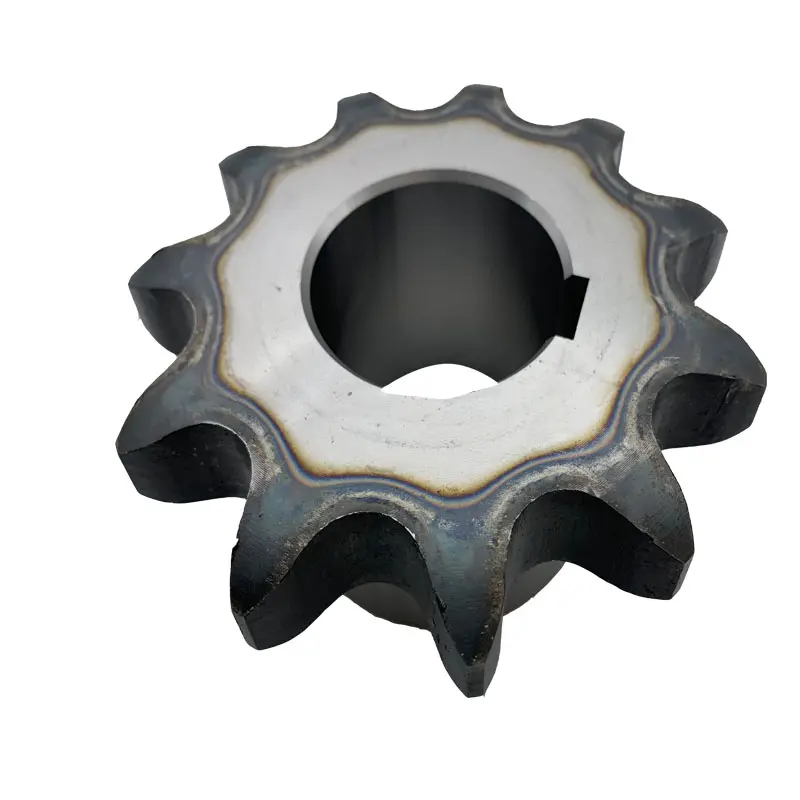
How Does a wheel sprocket Assembly Transmit Power?
In a mechanical system, a wheel sprocket assembly is a common method of power transmission, especially when dealing with rotary motion. The process of power transmission through a wheel sprocket assembly involves the following steps:
1. Input Source:
The power transmission process begins with an input source, such as an electric motor, engine, or human effort. This input source provides the necessary rotational force (torque) to drive the system.
2. Wheel Rotation:
When the input source applies rotational force to the wheel, it starts to rotate around its central axis (axle). The wheel’s design and material properties are essential to withstand the applied load and facilitate smooth rotation.
3. Sprocket Engagement:
Connected to the wheel is a sprocket, which is a toothed wheel designed to mesh with a chain. When the wheel rotates, the sprocket’s teeth engage with the links of the chain, creating a positive drive system.
4. Chain Rotation:
As the sprocket engages with the chain, the rotational force is transferred to the chain. The chain’s links transmit this rotational motion along its length.
5. Driven Component:
The other end of the chain is connected to a driven sprocket, which is attached to the component that needs to be powered or driven. This driven component could be another wheel, a conveyor belt, or any other machine part requiring motion.
6. Power Transmission:
As the chain rotates due to the engagement with the sprocket, the driven sprocket also starts to rotate, transferring the rotational force to the driven component. The driven component now receives the power and motion from the input source via the wheel, sprocket, and chain assembly.
7. Output and Operation:
The driven component performs its intended function based on the received power and motion. For example, in a bicycle, the chain and sprocket assembly transmit power from the rider’s pedaling to the rear wheel, propelling the bicycle forward.
Overall, a wheel sprocket assembly is an efficient and reliable method of power transmission, commonly used in various applications, including bicycles, motorcycles, industrial machinery, and conveyor systems.


editor by CX 2024-04-16