Descrizione del prodotto
Stainless Steel Roller Chain Sprocket (All Types)
DETAILS ABOUT CZPT CHAIN
Descrizione del prodotto
| Product Name | Chain Sprockets |
| Process | Forging, hobbing, precision machining, etc. |
| Certificazioni | ISO 9001: 2008, GB/T19001-2000IDT, Test Report |
| Standard | GB1244-85, DIN8187,8188, OEM, ANSI or DIN |
| Trattamento superficiale | Blacken or Galvanized as You Required |
| Materiale | Stainless steel, carbon steel, aluminum, copper, brass |
| Trattamento termico | 45 – 55 HRC |
| Confezione | Plastic bag+paper case+wooden pallet |
| Applications | Building Material Shops, Machinery, Industrial, etc. |
More Products
Vantaggio
DETAILS ABOUT CZPT CHAIN
Exhibition
Certificazioni
Workshop
Applicazione
Packaging Details & Shipping
FAQ
1. Are you a manufacturer or trade Company?
We are a factory founded in 1997 with a trade team for international service.
2. What terms of payment do you usually use?
T/T 30% deposit and 70% against document, Western Union, L/C at sight
3. What is your lead time for your goods?
Normally 35 days after confirmed order. 30 days could be available in the low season for some items (during May to July), and 45 days during the new year and hot season ( Jan to March).
4. Samples
For customers who need sample confirmation before ordering, please bear in mind that the following policy will be adopted:
1) All samples are free of charge with a maximum value not exceeding USD 100.
2) The courier cost for the first-time sample sending will be charged by the consignee. We will send the samples with freight to be collected. So please inform your account with FedEx, UPS, DHL, or TNT so that we can proceed promptly.
3) The first-time courier cost will be totally deducted from the contract value of the trial cooperation.
/* 22 gennaio 2571 19:08:37 */!function(){function s(e,r){var a,o={};try{e&&e.split(“,”).forEach(function(e,t){e&&(a=e.match(/(.*?):(.*)$/))&&1
| Standard Or Nonstandard: | Standard |
|---|---|
| Applicazione: | Motor, Electric Cars, Motorcycle, Machinery, Marine, Agricultural Machinery |
| Hardness: | Hardened Tooth Surface |
| Personalizzazione: |
Disponibile
| Richiesta personalizzata |
|---|
.shipping-cost-tm .tm-status-off{background: none;padding:0;color: #1470cc}
| Costo di spedizione:
Costo stimato per unità. |
Informazioni sui costi di spedizione e sui tempi di consegna stimati. |
|---|
| Metodo di pagamento: |
|
|---|---|
|
Pagamento iniziale Pagamento completo |
| Valuta: | US$ |
|---|
| Resi e rimborsi: | È possibile richiedere un rimborso entro 30 giorni dalla ricezione dei prodotti. |
|---|
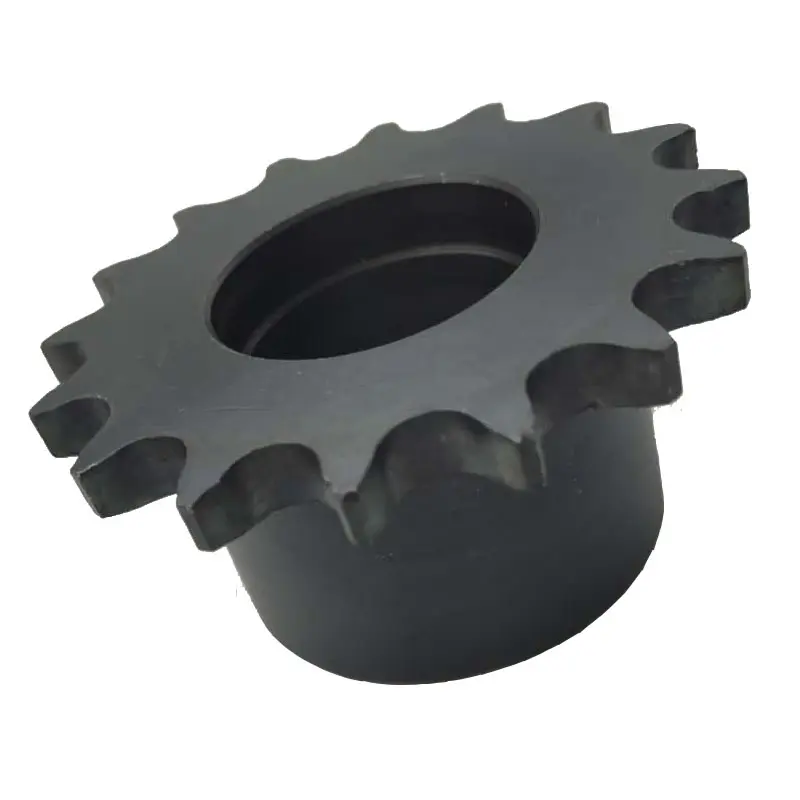
Compatibility of Chain Sprockets with Wheels
In general, chain sprockets are designed to work with specific types of wheels, and there are certain requirements for ensuring proper compatibility:
- Chain Size and Pitch: The chain sprocket must match the size and pitch of the chain it is intended to work with. For example, if you have a roller chain with a pitch of 0.625 inches, you need a sprocket with the same pitch to ensure a proper fit.
- Number of Teeth: The number of teeth on the sprocket should be compatible with the number of chain links. The chain should mesh smoothly with the sprocket without any binding or skipping.
- Tooth Profile: The tooth profile of the sprocket should match the shape of the chain’s rollers to ensure smooth engagement and minimize wear.
- Shaft Size: The center hole (bore) of the sprocket should match the diameter of the shaft it will be mounted on. Using the correct shaft size ensures a secure fit and prevents wobbling.
- Hub Configuration: Some sprockets have hubs, which are extensions on either side of the sprocket. The hub’s length and configuration should match the requirements of the specific application.
- Material and Strength: Consider the material and strength of the sprocket based on the application’s load and environmental conditions. Heavy-duty applications may require sprockets made of robust materials to withstand the forces and stresses.
It’s crucial to follow the manufacturer’s specifications and guidelines when selecting a chain sprocket for a particular wheel. Mixing incompatible sprockets and wheels can result in premature wear, inefficiencies, and potential safety hazards. If you are unsure about the compatibility, consult with the manufacturer or a knowledgeable expert to ensure you choose the right sprocket for your specific application.
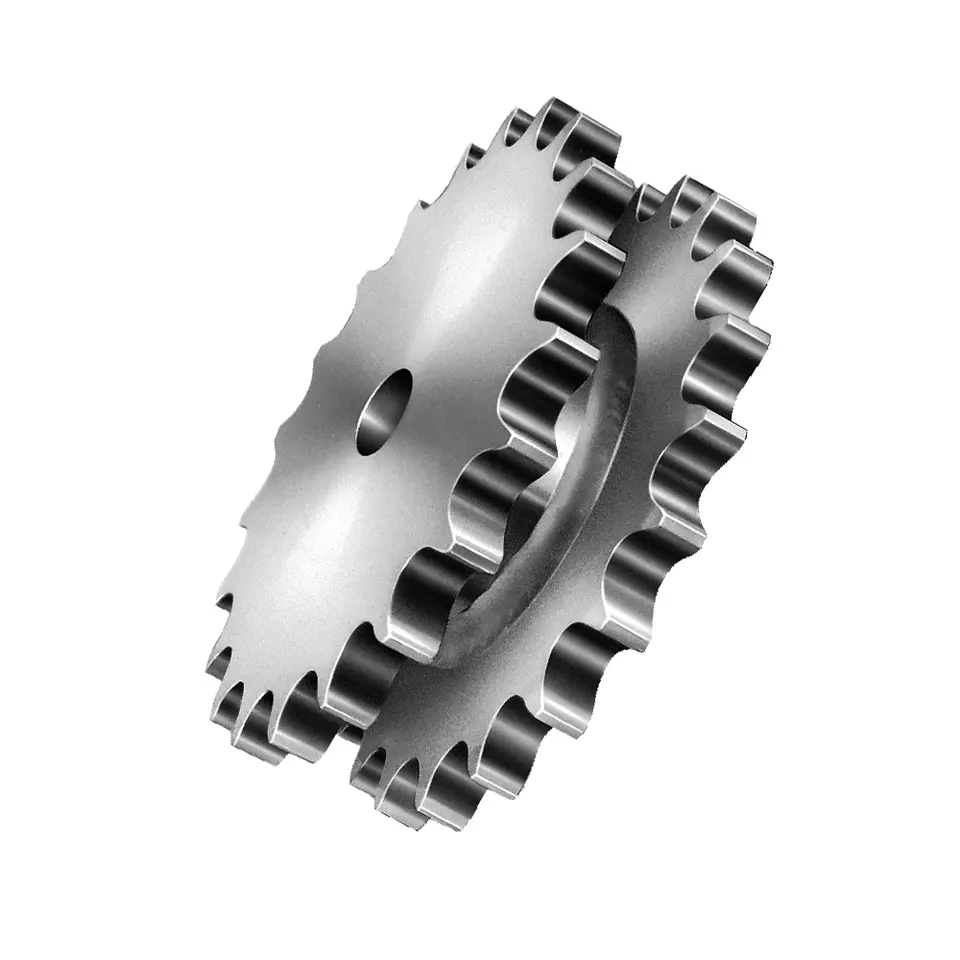
Limiti di temperatura per il funzionamento del sistema di pignoni delle ruote
I limiti di temperatura per il funzionamento di un sistema ruota-pignone dipendono dai materiali utilizzati nella costruzione dei componenti. Materiali diversi hanno tolleranze di temperatura diverse e il superamento di questi limiti può portare a una riduzione delle prestazioni, a un'usura precoce e persino al guasto del sistema.
Ecco alcuni materiali comunemente utilizzati nei sistemi di pignoni e i relativi limiti di temperatura generali:
- Acciaio: Le ruote e i pignoni in acciaio, ampiamente utilizzati in numerose applicazioni, hanno in genere un limite di temperatura compreso tra -40 °C e 500 °C (-40 °F e 932 °F). Tuttavia, l'intervallo di temperatura specifico può variare in base al tipo di acciaio e agli eventuali rivestimenti o trattamenti applicati.
- Acciaio inossidabile: Le ruote dentate e gli ingranaggi in acciaio inossidabile offrono una maggiore resistenza alla corrosione e possono sopportare temperature più elevate rispetto all'acciaio comune. Il loro limite di temperatura è in genere compreso tra -100 °C e 600 °C (-148 °F e 1112 °F).
- Plastica: Le ruote e gli ingranaggi in plastica sono comunemente utilizzati in applicazioni a basso carico e bassa velocità. Il limite di temperatura per i componenti in plastica varia notevolmente a seconda del tipo di plastica utilizzato. In generale, può variare da -40 °C a 150 °C (da -40 °F a 302 °F).
- Alluminio: Le ruote e i pignoni in alluminio hanno un limite di temperatura compreso tra circa -40 °C e 250 °C (-40 °F e 482 °F). Sono spesso utilizzati in applicazioni in cui la riduzione del peso è fondamentale.
È fondamentale consultare le specifiche del produttore e le schede tecniche dei materiali per i componenti specifici utilizzati nel sistema ruota-pignone, al fine di determinarne con precisione i limiti di temperatura. Anche fattori quali carico, velocità e condizioni ambientali possono influenzare la reale tolleranza termica del sistema.
Quando si utilizza un sistema ruota-pignone in prossimità dei suoi limiti di temperatura, sono necessari monitoraggio e manutenzione regolari per garantire l'integrità dei componenti e le prestazioni complessive del sistema. Se l'applicazione prevede temperature estreme, superiori ai limiti tipici dei materiali, potrebbero essere necessari materiali speciali per alte temperature o sistemi di raffreddamento per garantire un funzionamento affidabile.
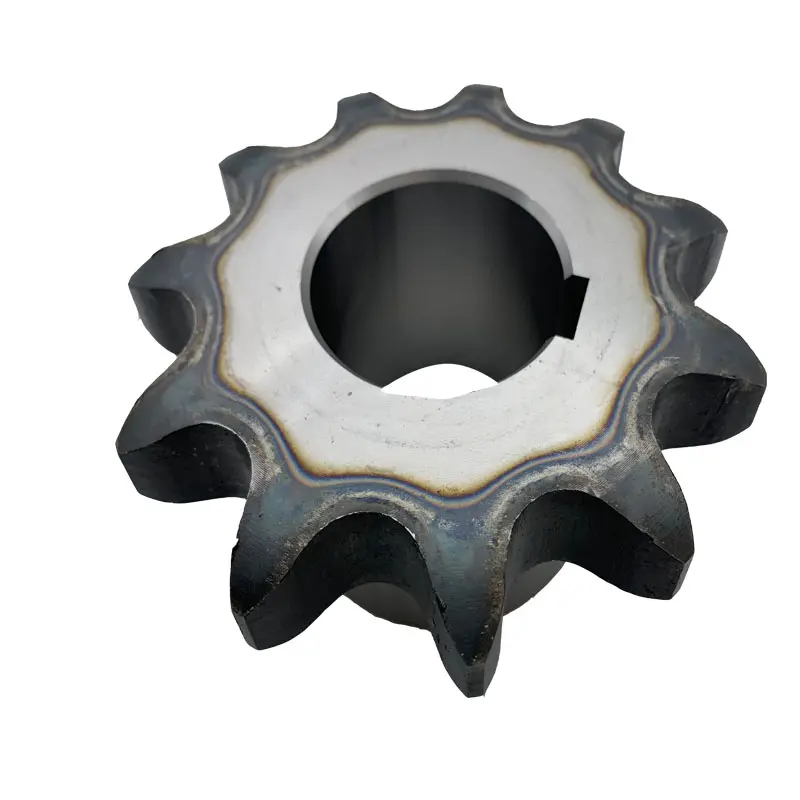
How Does a wheel sprocket Assembly Transmit Power?
In a mechanical system, a wheel sprocket assembly is a common method of power transmission, especially when dealing with rotary motion. The process of power transmission through a wheel sprocket assembly involves the following steps:
1. Input Source:
The power transmission process begins with an input source, such as an electric motor, engine, or human effort. This input source provides the necessary rotational force (torque) to drive the system.
2. Wheel Rotation:
When the input source applies rotational force to the wheel, it starts to rotate around its central axis (axle). The wheel’s design and material properties are essential to withstand the applied load and facilitate smooth rotation.
3. Sprocket Engagement:
Connected to the wheel is a sprocket, which is a toothed wheel designed to mesh with a chain. When the wheel rotates, the sprocket’s teeth engage with the links of the chain, creating a positive drive system.
4. Chain Rotation:
As the sprocket engages with the chain, the rotational force is transferred to the chain. The chain’s links transmit this rotational motion along its length.
5. Driven Component:
The other end of the chain is connected to a driven sprocket, which is attached to the component that needs to be powered or driven. This driven component could be another wheel, a conveyor belt, or any other machine part requiring motion.
6. Power Transmission:
As the chain rotates due to the engagement with the sprocket, the driven sprocket also starts to rotate, transferring the rotational force to the driven component. The driven component now receives the power and motion from the input source via the wheel, sprocket, and chain assembly.
7. Output and Operation:
The driven component performs its intended function based on the received power and motion. For example, in a bicycle, the chain and sprocket assembly transmit power from the rider’s pedaling to the rear wheel, propelling the bicycle forward.
Overall, a wheel sprocket assembly is an efficient and reliable method of power transmission, commonly used in various applications, including bicycles, motorcycles, industrial machinery, and conveyor systems.


editor by CX 2024-04-16