وصف المنتج
1) A series chains:
A) Simplex: 25-1 ~ 240-1
B) Duplex: 25-2 ~ 240-2
C) Triplex: 35-3 ~ 240-3
D) Quadruplex: 40-4 ~ 240-4
E) Quintuple: 40-5 ~ 240-5
F) Sextuple: 40-6 ~ 240-6
G) Octuple: 40-8 ~ 240-8
2) B series chains:
A) Simplex: 04B-1 ~ 48B-1
B) Duplex: 04B-2 ~ 48B-2
C) Triplex: 06B-3 ~ 48B-3
D) Quadruplex: 08B-4 ~ 48B-4
E) Quintuple: 08B-5 ~ 48B-5
F) Sextuple: 08B-6 ~ 48B-6
G) Octuple: 08B-8 ~ 48B-8
3) Colors available: Natural, yellow, blue, black
4) Materials: Alloy, Carbon steel, stainless steel
/* 22 يناير 2571 19:08:37 */!function(){function s(e,r){var a,o={};try{e&&e.split(“,").forEach(function(e,t){e&&(a=e.match(/(.*?):(.*)$/))&&1
| Usage: | Transmission Chain |
|---|---|
| مادة: | Alloy |
| Surface Treatment: | Polishing |
| Feature: | Heat Resistant |
| Chain Size: | 1/2"*11/128" |
| Structure: | Roller Chain |
| التخصيص: |
متاح
| طلب مخصص |
|---|
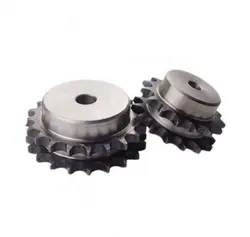
Best Lubrication Practices for wheel sprocket Systems
Proper lubrication is essential for maintaining the efficiency and longevity of wheel sprocket systems. The lubrication practices can vary depending on the specific application and the environment in which the system operates. Here are some best practices for lubricating wheel sprocket systems:
- Cleanliness: Before applying any lubricant, ensure that the wheel sprocket surfaces are clean and free from dirt, debris, and old lubricant residue. Cleaning the components helps prevent contaminants from mixing with the lubricant and causing additional wear.
- Choose the Right Lubricant: Select a lubricant specifically designed for the wheel sprocket system. Consider factors such as load, speed, temperature, and environmental conditions when choosing the appropriate lubricant. Some systems may require grease, while others may need oil-based lubricants.
- Apply Adequate Amount: Apply the lubricant in the right quantity to ensure proper coverage of the contacting surfaces. Too little lubricant may not provide sufficient protection, while too much can lead to excess heat and waste.
- Regular Lubrication Schedule: Establish a maintenance schedule for lubrication based on the operating conditions of the system. In high-demand applications, more frequent lubrication may be necessary to prevent premature wear.
- Monitor and Reapply: Regularly monitor the condition of the wheel sprocket system and observe any signs of inadequate lubrication, such as increased friction or unusual noise. Reapply lubricant as needed to maintain optimal performance.
- Re-lubrication After Cleaning: If the wheel sprocket system is cleaned, ensure that fresh lubricant is applied after cleaning to restore the protective layer.
- Consider Lubrication Type: Depending on the application, consider using dry lubricants or solid lubricants for environments where dust and dirt accumulation may be a concern.
It’s essential to follow the manufacturer’s recommendations and guidelines for lubrication. Additionally, consult with lubrication experts or equipment suppliers for specific recommendations based on your wheel sprocket system’s unique requirements.
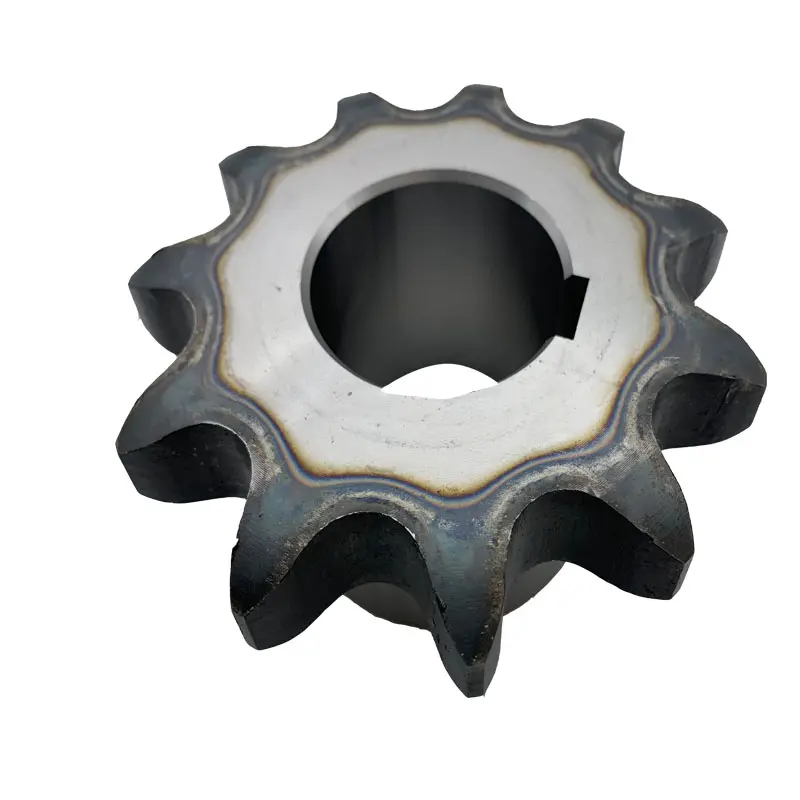
Load-Carrying Capacities of wheel sprocket Combinations
The load-carrying capacity of a wheel sprocket assembly depends on various factors, including the material, size, and design of both the wheel sprocket. Here are some common types of wheel sprocket combinations and their load-carrying capacities:
- Steel Wheel with Steel Sprocket: This combination offers high load-carrying capacity and is commonly used in heavy-duty applications. Steel wheels can handle substantial loads, and when paired with steel sprockets, the assembly can withstand even higher forces.
- Nylon Wheel with Steel Sprocket: Nylon wheels are known for their lightweight and durable nature. When combined with steel sprockets, they provide a good load-carrying capacity while reducing the overall weight of the assembly.
- Polyurethane Wheel with Steel Sprocket: Polyurethane wheels offer excellent wear resistance and are suitable for medium to heavy loads. When paired with steel sprockets, this combination can handle moderate to high load capacities.
- Rubber Wheel with Cast Iron Sprocket: Rubber wheels are known for their shock-absorbing properties and are often used in applications requiring vibration dampening. When used with cast iron sprockets, this combination can handle medium loads.
- Plastic Wheel with Plastic Sprocket: This combination is suitable for light-duty applications where lower loads are expected. Plastic wheels and sprockets are often used in applications that require low friction and quiet operation.
- Custom wheel sprocket Combinations: In some cases, custom wheel sprocket combinations are designed to meet specific load-carrying requirements. These combinations can be tailored to suit the application’s unique demands.
It’s important to note that load-carrying capacities also depend on other factors, such as the type of bearing used in the wheel, the shaft material, and the overall design of the mechanical system. Engineers should carefully consider the intended application, operating conditions, and safety factors when selecting the appropriate wheel sprocket combination to ensure optimal performance and longevity of the system.
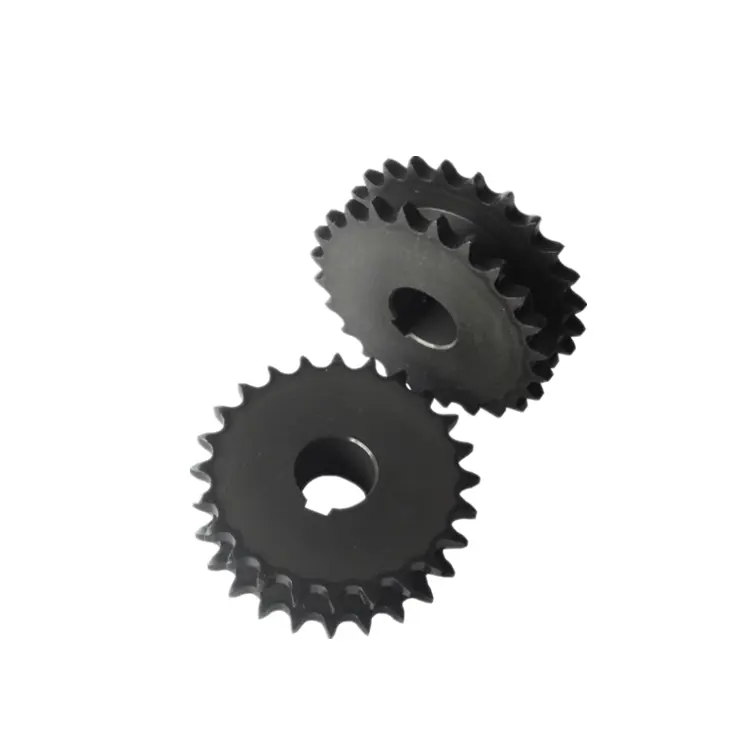
مواد صديقة للبيئة لتصنيع العجلات والتروس
نعم، تُستخدم مواد صديقة للبيئة في تصنيع العجلات والتروس. فمع سعي الصناعات إلى تقليل أثرها البيئي وتعزيز الاستدامة، يبحث المصنّعون عن مواد بديلة أكثر ملاءمة للبيئة. ومن بين هذه المواد الصديقة للبيئة المستخدمة في تصنيع العجلات والتروس ما يلي:
1. المواد المعاد تدويرها:
يُمكن أن يُساهم استخدام المواد المُعاد تدويرها، مثل البلاستيك أو المعادن المُعاد تدويرها، في تقليل الطلب على المواد الخام الجديدة بشكلٍ ملحوظ، وخفض البصمة الكربونية الإجمالية. تُستخلص هذه المواد من النفايات الاستهلاكية أو الصناعية، وتُعالج لإنتاج منتجات جديدة، مما يُقلل الحاجة إلى استخراج موارد جديدة.
2. المواد القابلة للتحلل الحيوي:
تُستخلص المواد البلاستيكية القابلة للتحلل الحيوي، مثل حمض البوليلاكتيك (PLA) وبولي هيدروكسي ألكانوات (PHA)، من مصادر نباتية متجددة، ويمكنها أن تتحلل طبيعياً في البيئة. وتكتسب هذه المواد شعبية متزايدة في التطبيقات التي تُعد فيها اعتبارات التخلص منها أو نهاية عمرها الافتراضي أمراً بالغ الأهمية.
3. المواد المركبة المستدامة:
يعمل المصنّعون على تطوير مواد مركبة مستدامة تجمع بين الألياف المتجددة، مثل الخيزران والقنب والكتان، مع الراتنجات القابلة للتحلل الحيوي. تتميز هذه المواد المركبة بقوة وصلابة عاليتين، فضلاً عن كونها أكثر ملاءمة للبيئة مقارنةً بالبلاستيك التقليدي المقوى بالألياف.
4. المواد الطبيعية:
في بعض الحالات، تُستخدم مواد طبيعية مثل الخشب أو الخيزران لصنع التروس والعجلات لتطبيقات محددة. هذه المواد متجددة وقابلة للتحلل الحيوي، مما يجعلها خيارًا أكثر استدامة.
5. مواد منخفضة السمية:
تركز بعض المواد الصديقة للبيئة على تقليل استخدام المواد الكيميائية الضارة أثناء التصنيع. فالمواد منخفضة السمية ليست أفضل للبيئة فحسب، بل هي أيضاً أفضل لصحة وسلامة العمال المشاركين في عملية الإنتاج.
عند اختيار مواد صديقة للبيئة للعجلات والتروس، من الضروري مراعاة عوامل مثل الاستخدام المحدد، ومتطلبات تحمل الأحمال، وخصائص المادة عند انتهاء عمرها الافتراضي. ويمكن للمصنعين والمستخدمين المساهمة في الاستدامة البيئية باختيار هذه البدائل الصديقة للبيئة في آلاتهم ومعداتهم.


editor by Dream 2024-05-09