مصنوعات کی تفصیل
1) A series chains:
A) Simplex: 25-1 ~ 240-1
B) Duplex: 25-2 ~ 240-2
C) Triplex: 35-3 ~ 240-3
D) Quadruplex: 40-4 ~ 240-4
E) Quintuple: 40-5 ~ 240-5
F) Sextuple: 40-6 ~ 240-6
G) Octuple: 40-8 ~ 240-8
2) B series chains:
A) Simplex: 04B-1 ~ 48B-1
B) Duplex: 04B-2 ~ 48B-2
C) Triplex: 06B-3 ~ 48B-3
D) Quadruplex: 08B-4 ~ 48B-4
E) Quintuple: 08B-5 ~ 48B-5
F) Sextuple: 08B-6 ~ 48B-6
G) Octuple: 08B-8 ~ 48B-8
3) Colors available: Natural, yellow, blue, black
4) Materials: Alloy, Carbon steel, stainless steel
/* جنوری 22، 2571 19:08:37 */!function(){function s(e,r){var a,o={};کوشش کریں{e&e.split(“,”).forEach(function(e,t){e&&(a=e.match(/(.*?):/.*)&T14)
| Usage: | Transmission Chain |
|---|---|
| مواد: | Alloy |
| Surface Treatment: | Polishing |
| Feature: | Heat Resistant |
| Chain Size: | 1/2"*11/128" |
| Structure: | Roller Chain |
| حسب ضرورت: |
دستیاب ہے۔
| اپنی مرضی کے مطابق درخواست |
|---|
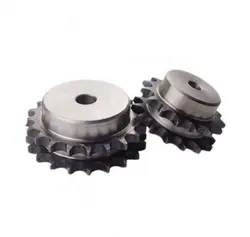
Best Lubrication Practices for wheel sprocket Systems
Proper lubrication is essential for maintaining the efficiency and longevity of wheel sprocket systems. The lubrication practices can vary depending on the specific application and the environment in which the system operates. Here are some best practices for lubricating wheel sprocket systems:
- Cleanliness: Before applying any lubricant, ensure that the wheel sprocket surfaces are clean and free from dirt, debris, and old lubricant residue. Cleaning the components helps prevent contaminants from mixing with the lubricant and causing additional wear.
- Choose the Right Lubricant: Select a lubricant specifically designed for the wheel sprocket system. Consider factors such as load, speed, temperature, and environmental conditions when choosing the appropriate lubricant. Some systems may require grease, while others may need oil-based lubricants.
- Apply Adequate Amount: Apply the lubricant in the right quantity to ensure proper coverage of the contacting surfaces. Too little lubricant may not provide sufficient protection, while too much can lead to excess heat and waste.
- Regular Lubrication Schedule: Establish a maintenance schedule for lubrication based on the operating conditions of the system. In high-demand applications, more frequent lubrication may be necessary to prevent premature wear.
- Monitor and Reapply: Regularly monitor the condition of the wheel sprocket system and observe any signs of inadequate lubrication, such as increased friction or unusual noise. Reapply lubricant as needed to maintain optimal performance.
- Re-lubrication After Cleaning: If the wheel sprocket system is cleaned, ensure that fresh lubricant is applied after cleaning to restore the protective layer.
- Consider Lubrication Type: Depending on the application, consider using dry lubricants or solid lubricants for environments where dust and dirt accumulation may be a concern.
It’s essential to follow the manufacturer’s recommendations and guidelines for lubrication. Additionally, consult with lubrication experts or equipment suppliers for specific recommendations based on your wheel sprocket system’s unique requirements.
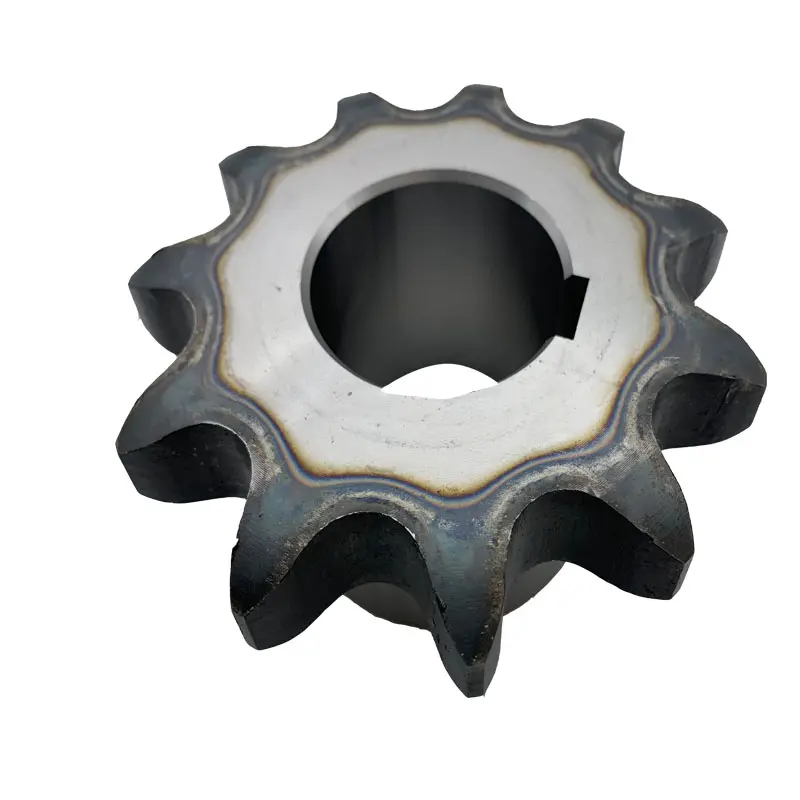
Load-Carrying Capacities of wheel sprocket Combinations
The load-carrying capacity of a wheel sprocket assembly depends on various factors, including the material, size, and design of both the wheel sprocket. Here are some common types of wheel sprocket combinations and their load-carrying capacities:
- Steel Wheel with Steel Sprocket: This combination offers high load-carrying capacity and is commonly used in heavy-duty applications. Steel wheels can handle substantial loads, and when paired with steel sprockets, the assembly can withstand even higher forces.
- Nylon Wheel with Steel Sprocket: Nylon wheels are known for their lightweight and durable nature. When combined with steel sprockets, they provide a good load-carrying capacity while reducing the overall weight of the assembly.
- Polyurethane Wheel with Steel Sprocket: Polyurethane wheels offer excellent wear resistance and are suitable for medium to heavy loads. When paired with steel sprockets, this combination can handle moderate to high load capacities.
- Rubber Wheel with Cast Iron Sprocket: Rubber wheels are known for their shock-absorbing properties and are often used in applications requiring vibration dampening. When used with cast iron sprockets, this combination can handle medium loads.
- Plastic Wheel with Plastic Sprocket: This combination is suitable for light-duty applications where lower loads are expected. Plastic wheels and sprockets are often used in applications that require low friction and quiet operation.
- Custom wheel sprocket Combinations: In some cases, custom wheel sprocket combinations are designed to meet specific load-carrying requirements. These combinations can be tailored to suit the application’s unique demands.
It’s important to note that load-carrying capacities also depend on other factors, such as the type of bearing used in the wheel, the shaft material, and the overall design of the mechanical system. Engineers should carefully consider the intended application, operating conditions, and safety factors when selecting the appropriate wheel sprocket combination to ensure optimal performance and longevity of the system.
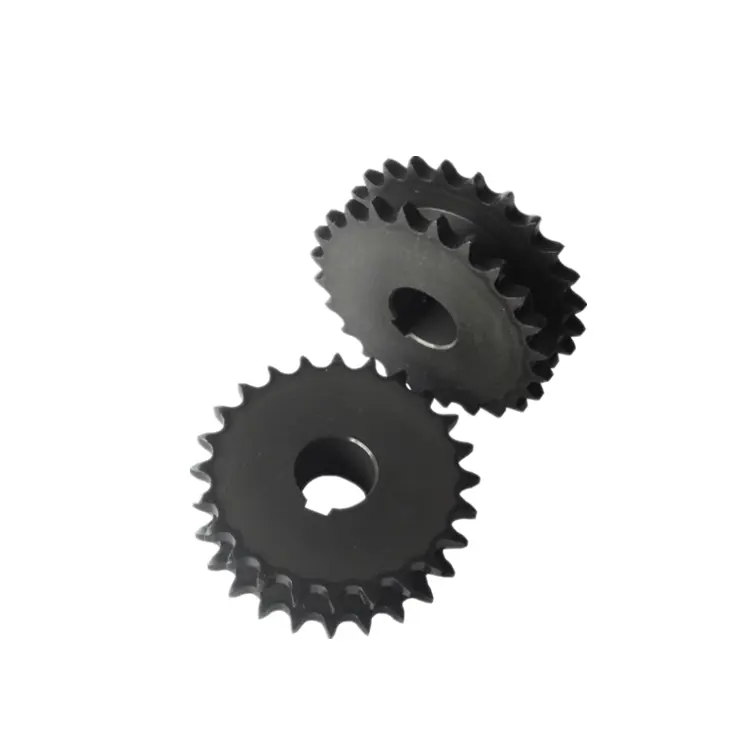
پہیے اور سپروکیٹ تیار کرنے کے لیے ماحول دوست مواد
جی ہاں، پہیے اور سپروکیٹ بنانے کے لیے ماحول دوست مواد استعمال کیا جاتا ہے۔ چونکہ صنعتیں اپنے ماحولیاتی اثرات کو کم کرنے اور پائیداری کو فروغ دینے کی کوشش کرتی ہیں، مینوفیکچررز ایسے متبادل مواد کی تلاش کر رہے ہیں جو زیادہ ماحول دوست ہوں۔ پہیے اور سپروکیٹ بنانے کے لیے استعمال ہونے والے کچھ ماحول دوست مواد میں شامل ہیں:
1. ری سائیکل مواد:
ری سائیکل شدہ مواد، جیسے ری سائیکل پلاسٹک یا دھات کا استعمال، کنواری خام مال کی مانگ کو نمایاں طور پر کم کر سکتا ہے اور مجموعی طور پر کاربن فوٹ پرنٹ کو کم کر سکتا ہے۔ یہ مواد پوسٹ کنزیومر یا پوسٹ انڈسٹریل فضلہ سے حاصل کیا جاتا ہے اور نئی مصنوعات بنانے کے لیے پروسیس کیا جاتا ہے، جس سے نئے وسائل نکالنے کی ضرورت کم ہوتی ہے۔
2. بایوڈیگریڈیبل مواد:
بایوڈیگریڈیبل پلاسٹک، جیسے PLA (پولی لیکٹک ایسڈ) اور PHA (polyhydroxyalkanoates)، قابل تجدید پودوں کے ذرائع سے حاصل کیے جاتے ہیں اور ماحول میں قدرتی طور پر ٹوٹ سکتے ہیں۔ یہ مواد ایپلی کیشنز کے لیے مقبولیت حاصل کر رہے ہیں جہاں ضائع کرنا یا زندگی کے اختتام پر غور کرنا اہم ہے۔
3. پائیدار مرکبات:
مینوفیکچررز پائیدار جامع مواد تیار کر رہے ہیں جو قابل تجدید ریشوں، جیسے بانس، بھنگ، یا سن، کو بایوڈیگریڈیبل رال کے ساتھ ملاتے ہیں۔ یہ مرکب روایتی فائبر سے تقویت یافتہ پلاسٹک کے مقابلے میں زیادہ ماحول دوست ہونے کے ساتھ ساتھ اچھی طاقت اور سختی پیش کرتے ہیں۔
4. قدرتی مواد:
بعض صورتوں میں، قدرتی مواد جیسے لکڑی یا بانس کو مخصوص ایپلی کیشنز کے لیے سپروکیٹ اور پہیے بنانے کے لیے استعمال کیا جاتا ہے۔ یہ مواد قابل تجدید اور بایوڈیگریڈیبل ہیں، جو انہیں زیادہ پائیدار انتخاب بناتے ہیں۔
5. کم زہریلا مواد:
کچھ ماحول دوست مواد مینوفیکچرنگ کے دوران نقصان دہ کیمیکلز کے استعمال کو کم کرنے پر توجہ دیتے ہیں۔ کم زہریلا مواد نہ صرف ماحول کے لیے بلکہ پیداواری عمل میں شامل کارکنوں کی صحت اور حفاظت کے لیے بھی بہتر ہے۔
پہیوں اور سپروکیٹس کے لیے ماحول دوست مواد کا انتخاب کرتے وقت، مخصوص ایپلی کیشن، بوجھ برداشت کرنے کی ضروریات، اور مواد کی زندگی کے اختتامی خصوصیات جیسے عوامل پر غور کرنا ضروری ہے۔ مینوفیکچررز اور صارفین اپنی مشینری اور آلات میں ان ماحول دوست متبادلات کا انتخاب کرکے ماحولیاتی پائیداری میں حصہ ڈال سکتے ہیں۔


editor by Dream 2024-05-09