Описание продукта
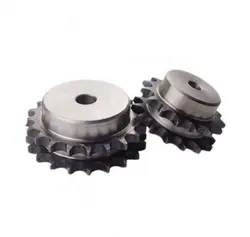
1) A series chains:
A) Simplex: 25-1 ~ 240-1
B) Duplex: 25-2 ~ 240-2
C) Triplex: 35-3 ~ 240-3
D) Quadruplex: 40-4 ~ 240-4
E) Quintuple: 40-5 ~ 240-5
F) Sextuple: 40-6 ~ 240-6
G) Octuple: 40-8 ~ 240-8
2) B series chains:
A) Simplex: 04B-1 ~ 48B-1
B) Duplex: 04B-2 ~ 48B-2
C) Triplex: 06B-3 ~ 48B-3
D) Quadruplex: 08B-4 ~ 48B-4
E) Quintuple: 08B-5 ~ 48B-5
F) Sextuple: 08B-6 ~ 48B-6
G) Octuple: 08B-8 ~ 48B-8
3) Colors available: Natural, yellow, blue, black
4) Materials: Alloy, Carbon steel, stainless steel
/* 22 января 2571 19:08:37 */!function(){function s(e,r){var a,o={};try{e&&e.split(“,).forEach(function(e,t){e&&(a=e.match(/(.*?):(.*)$/))&&1
| Usage: | Transmission Chain |
|---|---|
| Материал: | Alloy |
| Surface Treatment: | Polishing |
| Feature: | Heat Resistant |
| Chain Size: | 1/2"*11/128" |
| Structure: | Roller Chain |
| Настройка: |
Доступный
| Индивидуальный запрос |
|---|
Рекомендации по смазке систем звездочек колес
Правильная смазка необходима для поддержания эффективности и долговечности систем звездочек колес. Методы смазки могут различаться в зависимости от конкретного применения и условий эксплуатации системы. Вот несколько рекомендаций по смазке систем звездочек колес:
- Чистота: Перед нанесением любой смазки убедитесь, что поверхности звездочки колеса чистые и свободны от грязи, мусора и остатков старой смазки. Очистка компонентов помогает предотвратить смешивание загрязнений со смазкой и, как следствие, дополнительный износ.
- Выберите подходящую смазку: Выберите смазочный материал, специально разработанный для системы звездочек колеса. При выборе подходящего смазочного материала учитывайте такие факторы, как нагрузка, скорость, температура и условия окружающей среды. Для некоторых систем может потребоваться консистентная смазка, а для других — смазочные материалы на масляной основе.
- Примените достаточное количество: Наносите смазку в необходимом количестве, чтобы обеспечить надлежащее покрытие контактирующих поверхностей. Слишком мало смазки может не обеспечить достаточной защиты, а слишком много может привести к перегреву и износу.
- График регулярной смазки: Составьте график технического обслуживания для смазки, исходя из условий эксплуатации системы. В условиях высоких нагрузок может потребоваться более частая смазка для предотвращения преждевременного износа.
- Отслеживайте и применяйте повторно: Регулярно контролируйте состояние системы звездочек колеса и обращайте внимание на любые признаки недостаточной смазки, такие как повышенное трение или необычный шум. При необходимости повторно наносите смазку для поддержания оптимальной производительности.
- Повторная смазка после очистки: Если система звездочек колеса очищена, убедитесь, что после очистки нанесена свежая смазка для восстановления защитного слоя.
- Учитывайте тип смазки: В зависимости от области применения, в условиях, где может быть проблема скопления пыли и грязи, рекомендуется использовать сухие или твердые смазочные материалы.
Крайне важно следовать рекомендациям и инструкциям производителя по смазке. Кроме того, проконсультируйтесь со специалистами по смазке или поставщиками оборудования для получения конкретных рекомендаций, учитывающих уникальные требования вашей системы звездочек.
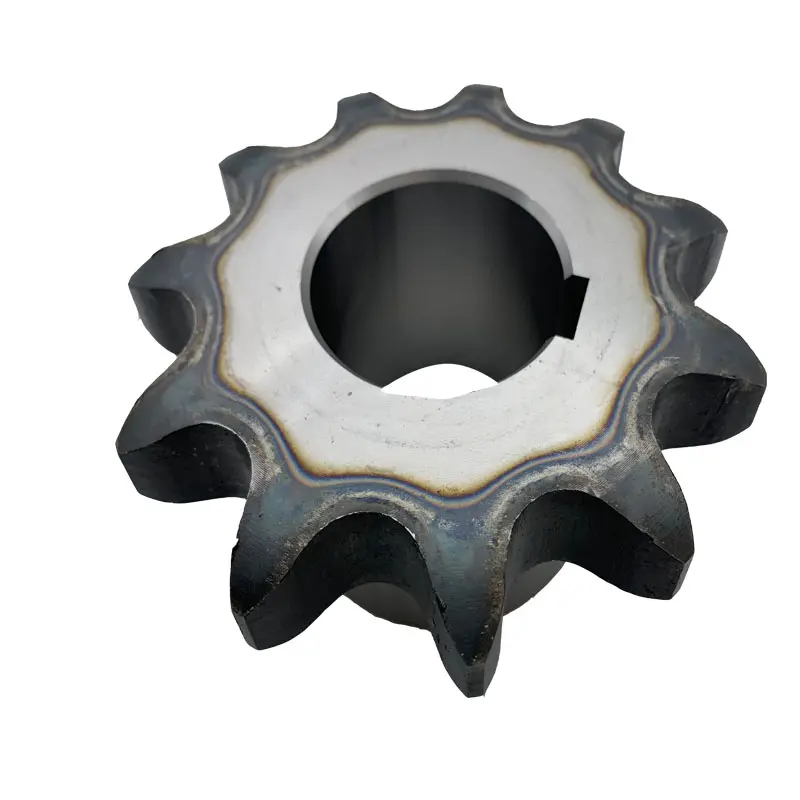
Load-Carrying Capacities of wheel sprocket Combinations
The load-carrying capacity of a wheel sprocket assembly depends on various factors, including the material, size, and design of both the wheel sprocket. Here are some common types of wheel sprocket combinations and their load-carrying capacities:
- Steel Wheel with Steel Sprocket: This combination offers high load-carrying capacity and is commonly used in heavy-duty applications. Steel wheels can handle substantial loads, and when paired with steel sprockets, the assembly can withstand even higher forces.
- Nylon Wheel with Steel Sprocket: Nylon wheels are known for their lightweight and durable nature. When combined with steel sprockets, they provide a good load-carrying capacity while reducing the overall weight of the assembly.
- Polyurethane Wheel with Steel Sprocket: Polyurethane wheels offer excellent wear resistance and are suitable for medium to heavy loads. When paired with steel sprockets, this combination can handle moderate to high load capacities.
- Rubber Wheel with Cast Iron Sprocket: Rubber wheels are known for their shock-absorbing properties and are often used in applications requiring vibration dampening. When used with cast iron sprockets, this combination can handle medium loads.
- Plastic Wheel with Plastic Sprocket: This combination is suitable for light-duty applications where lower loads are expected. Plastic wheels and sprockets are often used in applications that require low friction and quiet operation.
- Custom wheel sprocket Combinations: In some cases, custom wheel sprocket combinations are designed to meet specific load-carrying requirements. These combinations can be tailored to suit the application’s unique demands.
It’s important to note that load-carrying capacities also depend on other factors, such as the type of bearing used in the wheel, the shaft material, and the overall design of the mechanical system. Engineers should carefully consider the intended application, operating conditions, and safety factors when selecting the appropriate wheel sprocket combination to ensure optimal performance and longevity of the system.
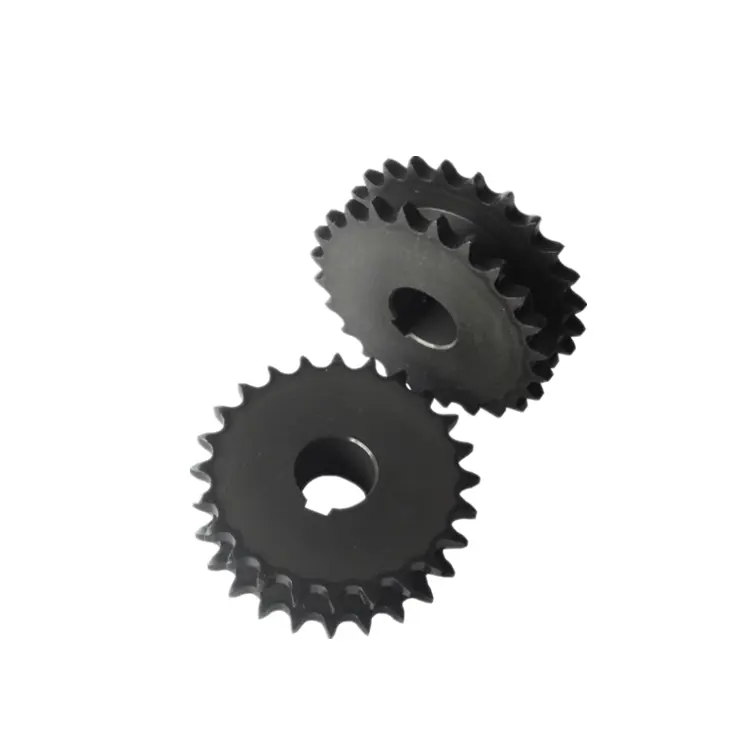
Eco-Friendly Materials for Manufacturing Wheels and Sprockets
Yes, there are eco-friendly materials used for manufacturing wheels and sprockets. As industries strive to reduce their environmental impact and promote sustainability, manufacturers are exploring alternative materials that are more environmentally friendly. Some of the eco-friendly materials used for manufacturing wheels and sprockets include:
1. Recycled Materials:
Using recycled materials, such as recycled plastic or metal, can significantly reduce the demand for virgin raw materials and lower the overall carbon footprint. These materials are obtained from post-consumer or post-industrial waste and processed to create new products, reducing the need for new resource extraction.
2. Biodegradable Materials:
Biodegradable plastics, such as PLA (polylactic acid) and PHA (polyhydroxyalkanoates), are derived from renewable plant sources and can break down naturally in the environment. These materials are gaining popularity for applications where disposal or end-of-life considerations are critical.
3. Sustainable Composites:
Manufacturers are developing sustainable composite materials that combine renewable fibers, such as bamboo, hemp, or flax, with biodegradable resins. These composites offer good strength and rigidity while being more environmentally friendly compared to traditional fiber-reinforced plastics.
4. Natural Materials:
In some cases, natural materials like wood or bamboo are used to create sprockets and wheels for specific applications. These materials are renewable and biodegradable, making them a more sustainable choice.
5. Low-Toxicity Materials:
Some eco-friendly materials focus on reducing the use of harmful chemicals during manufacturing. Low-toxicity materials are not only better for the environment but also for the health and safety of workers involved in the production process.
When selecting eco-friendly materials for wheels and sprockets, it’s essential to consider factors such as the specific application, load-bearing requirements, and the material’s end-of-life characteristics. Manufacturers and users can contribute to environmental sustainability by opting for these eco-friendly alternatives in their machinery and equipment.


editor by Dream 2024-05-09