توضیحات محصول
1) A series chains:
A) Simplex: 25-1 ~ 240-1
B) Duplex: 25-2 ~ 240-2
C) Triplex: 35-3 ~ 240-3
D) Quadruplex: 40-4 ~ 240-4
E) Quintuple: 40-5 ~ 240-5
F) Sextuple: 40-6 ~ 240-6
G) Octuple: 40-8 ~ 240-8
2) B series chains:
A) Simplex: 04B-1 ~ 48B-1
B) Duplex: 04B-2 ~ 48B-2
C) Triplex: 06B-3 ~ 48B-3
D) Quadruplex: 08B-4 ~ 48B-4
E) Quintuple: 08B-5 ~ 48B-5
F) Sextuple: 08B-6 ~ 48B-6
G) Octuple: 08B-8 ~ 48B-8
3) Colors available: Natural, yellow, blue, black
4) Materials: Alloy, Carbon steel, stainless steel
/* January 22, 2571 19:08:37 */!function(){function s(e,r){var a,o={};try{e&&e.split(“,”).forEach(function(e,t){e&&(a=e.match(/(.*?):(.*)$/))&&1
| Usage: | Transmission Chain |
|---|---|
| مواد: | Alloy |
| Surface Treatment: | Polishing |
| Feature: | Heat Resistant |
| Chain Size: | 1/2"*11/128" |
| Structure: | Roller Chain |
| سفارشی سازی: |
موجود است
| درخواست سفارشی |
|---|
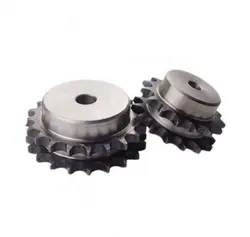
Best Lubrication Practices for wheel sprocket Systems
Proper lubrication is essential for maintaining the efficiency and longevity of wheel sprocket systems. The lubrication practices can vary depending on the specific application and the environment in which the system operates. Here are some best practices for lubricating wheel sprocket systems:
- Cleanliness: Before applying any lubricant, ensure that the wheel sprocket surfaces are clean and free from dirt, debris, and old lubricant residue. Cleaning the components helps prevent contaminants from mixing with the lubricant and causing additional wear.
- Choose the Right Lubricant: Select a lubricant specifically designed for the wheel sprocket system. Consider factors such as load, speed, temperature, and environmental conditions when choosing the appropriate lubricant. Some systems may require grease, while others may need oil-based lubricants.
- Apply Adequate Amount: Apply the lubricant in the right quantity to ensure proper coverage of the contacting surfaces. Too little lubricant may not provide sufficient protection, while too much can lead to excess heat and waste.
- Regular Lubrication Schedule: Establish a maintenance schedule for lubrication based on the operating conditions of the system. In high-demand applications, more frequent lubrication may be necessary to prevent premature wear.
- Monitor and Reapply: Regularly monitor the condition of the wheel sprocket system and observe any signs of inadequate lubrication, such as increased friction or unusual noise. Reapply lubricant as needed to maintain optimal performance.
- Re-lubrication After Cleaning: If the wheel sprocket system is cleaned, ensure that fresh lubricant is applied after cleaning to restore the protective layer.
- Consider Lubrication Type: Depending on the application, consider using dry lubricants or solid lubricants for environments where dust and dirt accumulation may be a concern.
It’s essential to follow the manufacturer’s recommendations and guidelines for lubrication. Additionally, consult with lubrication experts or equipment suppliers for specific recommendations based on your wheel sprocket system’s unique requirements.
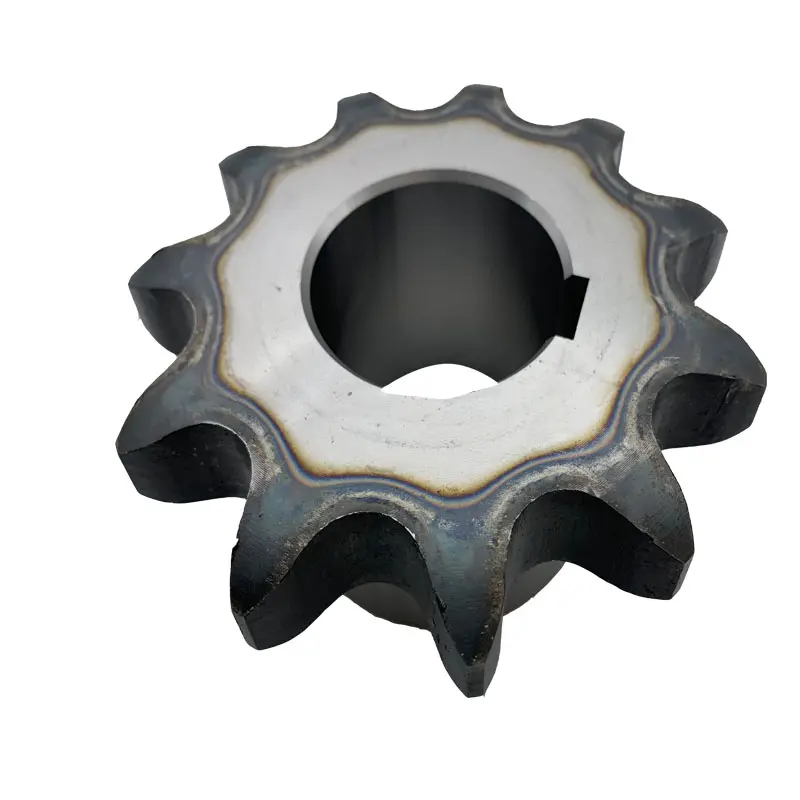
Load-Carrying Capacities of wheel sprocket Combinations
The load-carrying capacity of a wheel sprocket assembly depends on various factors, including the material, size, and design of both the wheel sprocket. Here are some common types of wheel sprocket combinations and their load-carrying capacities:
- Steel Wheel with Steel Sprocket: This combination offers high load-carrying capacity and is commonly used in heavy-duty applications. Steel wheels can handle substantial loads, and when paired with steel sprockets, the assembly can withstand even higher forces.
- Nylon Wheel with Steel Sprocket: Nylon wheels are known for their lightweight and durable nature. When combined with steel sprockets, they provide a good load-carrying capacity while reducing the overall weight of the assembly.
- Polyurethane Wheel with Steel Sprocket: Polyurethane wheels offer excellent wear resistance and are suitable for medium to heavy loads. When paired with steel sprockets, this combination can handle moderate to high load capacities.
- Rubber Wheel with Cast Iron Sprocket: Rubber wheels are known for their shock-absorbing properties and are often used in applications requiring vibration dampening. When used with cast iron sprockets, this combination can handle medium loads.
- Plastic Wheel with Plastic Sprocket: This combination is suitable for light-duty applications where lower loads are expected. Plastic wheels and sprockets are often used in applications that require low friction and quiet operation.
- Custom wheel sprocket Combinations: In some cases, custom wheel sprocket combinations are designed to meet specific load-carrying requirements. These combinations can be tailored to suit the application’s unique demands.
It’s important to note that load-carrying capacities also depend on other factors, such as the type of bearing used in the wheel, the shaft material, and the overall design of the mechanical system. Engineers should carefully consider the intended application, operating conditions, and safety factors when selecting the appropriate wheel sprocket combination to ensure optimal performance and longevity of the system.
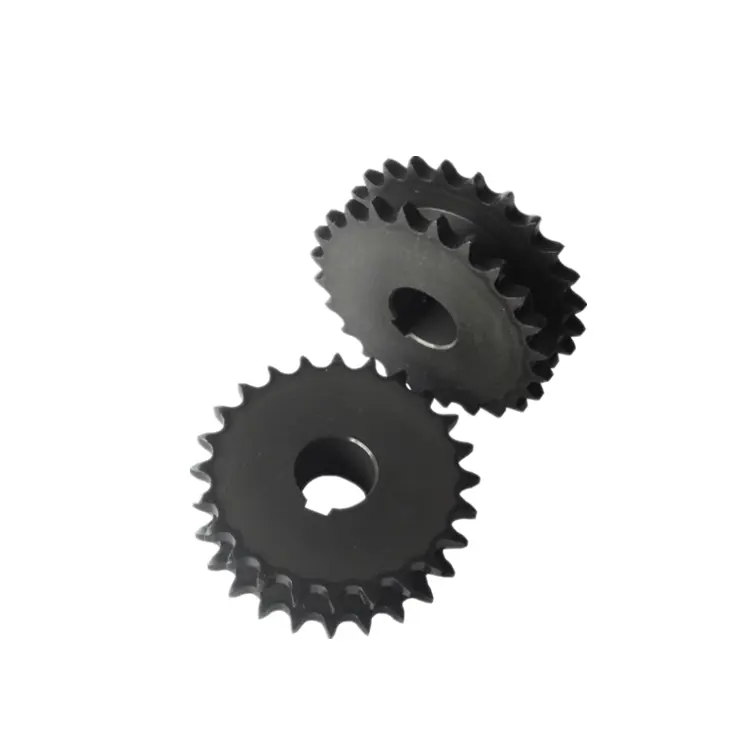
مواد سازگار با محیط زیست برای ساخت چرخ و چرخ دنده
بله، مواد سازگار با محیط زیست برای ساخت چرخ و چرخدنده استفاده میشوند. از آنجایی که صنایع در تلاش برای کاهش اثرات زیستمحیطی و ترویج پایداری هستند، تولیدکنندگان در حال بررسی مواد جایگزینی هستند که سازگارتر با محیط زیست باشند. برخی از مواد سازگار با محیط زیست که برای ساخت چرخ و چرخدنده استفاده میشوند عبارتند از:
۱. مواد بازیافتی:
استفاده از مواد بازیافتی، مانند پلاستیک یا فلز بازیافتی، میتواند تقاضا برای مواد اولیه بکر را به میزان قابل توجهی کاهش داده و ردپای کلی کربن را پایین بیاورد. این مواد از زبالههای پس از مصرف یا پس از صنعت به دست میآیند و برای تولید محصولات جدید فرآوری میشوند و نیاز به استخراج منابع جدید را کاهش میدهند.
۲. مواد زیست تخریبپذیر:
پلاستیکهای زیستتخریبپذیر، مانند PLA (پلیلاکتیک اسید) و PHA (پلیهیدروکسیآلکانوئاتها)، از منابع گیاهی تجدیدپذیر مشتق میشوند و میتوانند به طور طبیعی در محیط تجزیه شوند. این مواد برای کاربردهایی که در آنها ملاحظات مربوط به دفع یا پایان عمر حیاتی است، محبوبیت بیشتری پیدا میکنند.
۳. کامپوزیتهای پایدار:
تولیدکنندگان در حال توسعه مواد کامپوزیتی پایداری هستند که الیاف تجدیدپذیر مانند بامبو، کنف یا کتان را با رزینهای زیستتخریبپذیر ترکیب میکنند. این کامپوزیتها در مقایسه با پلاستیکهای تقویتشده با الیاف سنتی، استحکام و سختی خوبی دارند و در عین حال سازگارتر با محیط زیست هستند.
۴. مواد طبیعی:
در برخی موارد، از مواد طبیعی مانند چوب یا بامبو برای ساخت چرخدندهها و چرخها برای کاربردهای خاص استفاده میشود. این مواد تجدیدپذیر و زیستتخریبپذیر هستند و آنها را به انتخابی پایدارتر تبدیل میکنند.
۵. مواد با سمیت کم:
برخی از مواد سازگار با محیط زیست بر کاهش استفاده از مواد شیمیایی مضر در طول تولید تمرکز دارند. مواد کم سمیت نه تنها برای محیط زیست بهتر هستند، بلکه برای سلامت و ایمنی کارگران درگیر در فرآیند تولید نیز مفیدند.
هنگام انتخاب مواد سازگار با محیط زیست برای چرخها و چرخدندهها، در نظر گرفتن عواملی مانند کاربرد خاص، الزامات تحمل بار و ویژگیهای پایان عمر مواد ضروری است. تولیدکنندگان و کاربران میتوانند با انتخاب این جایگزینهای سازگار با محیط زیست در ماشینآلات و تجهیزات خود، به پایداری محیط زیست کمک کنند.


editor by Dream 2024-05-09