وصف المنتج
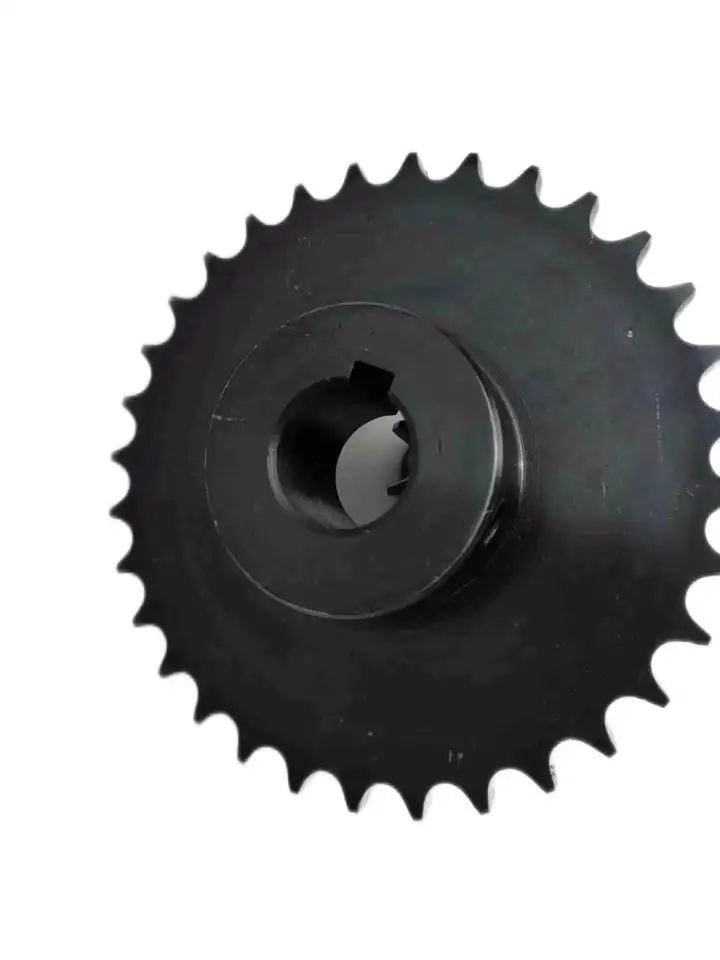
Nonstandard Industry MADE-TO-ORDER Or PLW Plywood Case Chain Sprocket Motorcycle Parts
وصف المنتج
1. Produce strictly in accordance with ANSI or DIN standard dimension
2. Material: 1045 steel / Stainless Steel 304 & 316
3. Standard: ANSI, DIN, JINS, ISO, Standard America or customer drawing
4. Pilot bore, finished bore, taper bore and special bore
5. Bright surface and high precision
6. Advanced heat treatment and surface treatment craft
7. Best quality and competitive price
8. Welcome OEM / ODM
9. Processing equipment: Hobbing machine, Slotting machine, CNC lathes and other equipment.
10. Sprocket models: Contains special sprocket according to customer’s drawings, standard sprocket (American standard and metric).
| Product name | Zinc-Plated Driving Sprocket From China (05B16T-1) |
| Materials Available | 1. Stainless Steel: SS304, SS316, etc |
| 2. Alloy Steel: C45, 45Mn, 42CrMo, 20CrMo, etc | |
| 3. OEM according to your request | |
| معالجة السطح | Heat treatment, Quenching treatment, High frequency normalizing treatment, Polishing, Electrophoresis paint processing, Anodic oxidation treatment, etc |
| Characteristic | Fire resistant, Oil resistant, Heat resistant, CZPT resistance, Oxidative resistance, Corrosion resistance, etc |
| Design criterion | ISO DIN ANSI & Customer’s Drawing |
| Size | Customer’s Drawing & ISO standard |
| Application | Industrial transmission equipment |
| Package | Wooden Case / Container and pallet, or made-to-order |
| Certificate | ISO9001: 2008 |
| Advantage | Quality first, Service first, Competitive price, Fast delivery |
| Delivery Time | 20 days for samples. 45 days for official order. |
View more products,please click here…
صور تفصيلية
نبذة عن الشركة
| قياسي أم غير قياسي: | غير قياسي |
|---|---|
| طلب: | Motorcycle, Machinery, Marine, Agricultural Machinery, Car, Industry |
| صلابة: | سطح السن المقوى |
| مادة: | Alloy Steel/Stainless Steel |
| يكتب: | ضرس |
| Sample: | for Free |
| أمثلة: |
US$ 0/Piece
قطعة واحدة (الحد الأدنى للطلب) | |
|---|
| التخصيص: |
متاح
| طلب مخصص |
|---|
حساب متطلبات عزم الدوران لمجموعة تروس العجلة
يتطلب حساب عزم الدوران المطلوب لمجموعة تروس العجلة مراعاة عوامل مختلفة تُسهم في حمل عزم الدوران. يُعدّ عزم الدوران المطلوب عاملاً حاسماً لاختيار المحرك أو مصدر الطاقة المناسب لتشغيل النظام بكفاءة. إليك دليلاً تفصيلياً خطوة بخطوة:
- 1. تحديد عزم الحمل: حدد عزم الدوران المطلوب للتغلب على المقاومة أو الحمل في النظام. يشمل ذلك عزم الدوران اللازم لتحريك الحمل، والتغلب على الاحتكاك، وتسريع الحمل إن أمكن.
- 2. تحديد نصف قطر العجلة المسننة: قم بقياس نصف قطر العجلة المسننة (المسافة من مركز العجلة المسننة إلى نقطة التلامس مع السلسلة أو الحزام).
- 3. احسب قوة الشد في السلسلة أو الحزام: في حال استخدام نظام نقل الحركة بالسلسلة أو الحزام، احسب مقدار الشد في السلسلة أو الحزام. يؤثر الشد على عزم الدوران المطلوب لنقل الطاقة.
- 4. احتساب خسائر الكفاءة: ضع في اعتبارك كفاءة النظام. لن يتم تحويل كل الطاقة المدخلة إلى طاقة مخرجة بسبب الاحتكاك والخسائر الأخرى. ضع هذه الكفاءة في حساباتك.
- 5. استخدم معادلة عزم الدوران: يمكن حساب عزم الدوران (T) باستخدام المعادلة التالية:
T = (عزم الحمل × نصف قطر العجلة المسننة) ÷ (الكفاءة × الشد)
من الضروري استخدام وحدات قياس متسقة (مثل نيوتن متر أو قدم-رطل) لجميع القيم في المعادلة.
تذكر أن ظروف العالم الحقيقي قد تختلف، ومن المستحسن إضافة عامل أمان إلى متطلبات عزم الدوران المحسوبة لضمان قدرة النظام على التعامل مع أحمال الذروة غير المتوقعة أو الاختلافات في ظروف التشغيل.
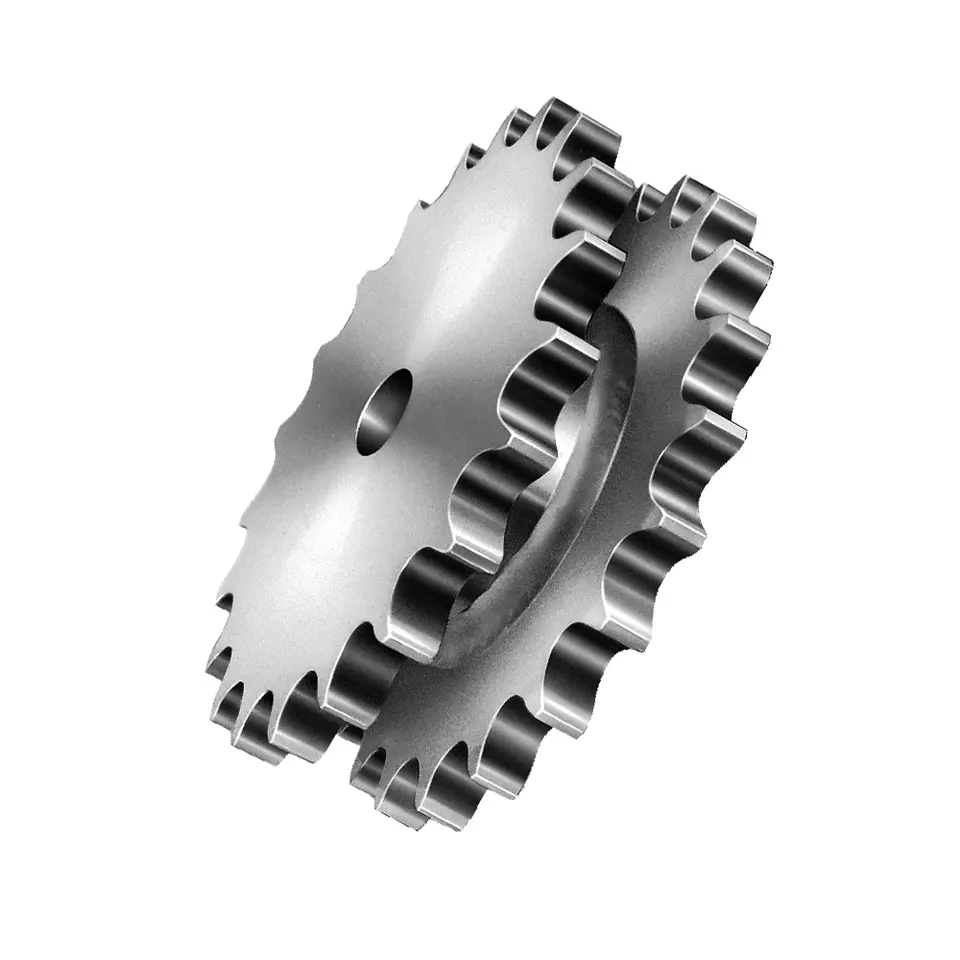
حدود درجة الحرارة لتشغيل نظام تروس العجلات
تعتمد حدود درجة الحرارة اللازمة لتشغيل نظام تروس العجلات على المواد المستخدمة في تصنيع مكوناته. وتختلف المواد المختلفة في مدى تحملها لدرجات الحرارة، وقد يؤدي تجاوز هذه الحدود إلى انخفاض الأداء، والتآكل المبكر، وحتى تعطل النظام.
فيما يلي بعض المواد الشائعة المستخدمة في أنظمة تروس العجلات وحدود درجة حرارتها العامة:
- فُولاَذ: تُستخدم عجلات التروس الفولاذية على نطاق واسع في العديد من التطبيقات، وتتراوح درجة حرارتها القصوى عادةً بين -40 درجة مئوية و500 درجة مئوية (-40 درجة فهرنهايت إلى 932 درجة فهرنهايت). ومع ذلك، قد يختلف نطاق درجة الحرارة المحدد بناءً على نوع الفولاذ وأي طلاءات أو معالجات مُطبقة.
- الفولاذ المقاوم للصدأ: تتميز عجلات ومسننات الفولاذ المقاوم للصدأ بمقاومة محسّنة للتآكل، كما أنها تتحمل درجات حرارة أعلى من الفولاذ العادي. ويتراوح حد درجة حرارتها عادةً بين -100 درجة مئوية و600 درجة مئوية (-148 درجة فهرنهايت إلى 1112 درجة فهرنهايت).
- البلاستيك: تُستخدم العجلات المسننة والبلاستيكية بشكل شائع في التطبيقات ذات الأحمال والسرعات المنخفضة. ويختلف الحد الأقصى لدرجة حرارة المكونات البلاستيكية اختلافًا كبيرًا تبعًا لنوع البلاستيك المستخدم. وبشكل عام، يتراوح هذا الحد بين -40 درجة مئوية و150 درجة مئوية (-40 درجة فهرنهايت إلى 302 درجة فهرنهايت).
- الألومنيوم: تتحمل عجلات ومسننات الألومنيوم درجات حرارة تتراوح بين -40 درجة مئوية و250 درجة مئوية (-40 درجة فهرنهايت إلى 482 درجة فهرنهايت). وتُستخدم عادةً في التطبيقات التي يكون فيها تقليل الوزن أمراً بالغ الأهمية.
من الضروري الرجوع إلى مواصفات الشركة المصنعة وبيانات المواد الخاصة بالمكونات المستخدمة في نظام تروس العجلة لتحديد حدود درجة حرارتها بدقة. كما أن عوامل مثل الحمل والسرعة والظروف البيئية قد تؤثر على مدى تحمل النظام لدرجة الحرارة.
عند تشغيل نظام تروس العجلات بالقرب من حدود درجة حرارته القصوى، يلزم إجراء مراقبة وصيانة دورية لضمان سلامة المكونات وأداء النظام ككل. إذا كان التطبيق يتضمن درجات حرارة قصوى تتجاوز الحدود النموذجية للمواد، فقد يلزم استخدام مواد متخصصة تتحمل درجات الحرارة العالية أو اتخاذ تدابير تبريد للحفاظ على التشغيل الموثوق.
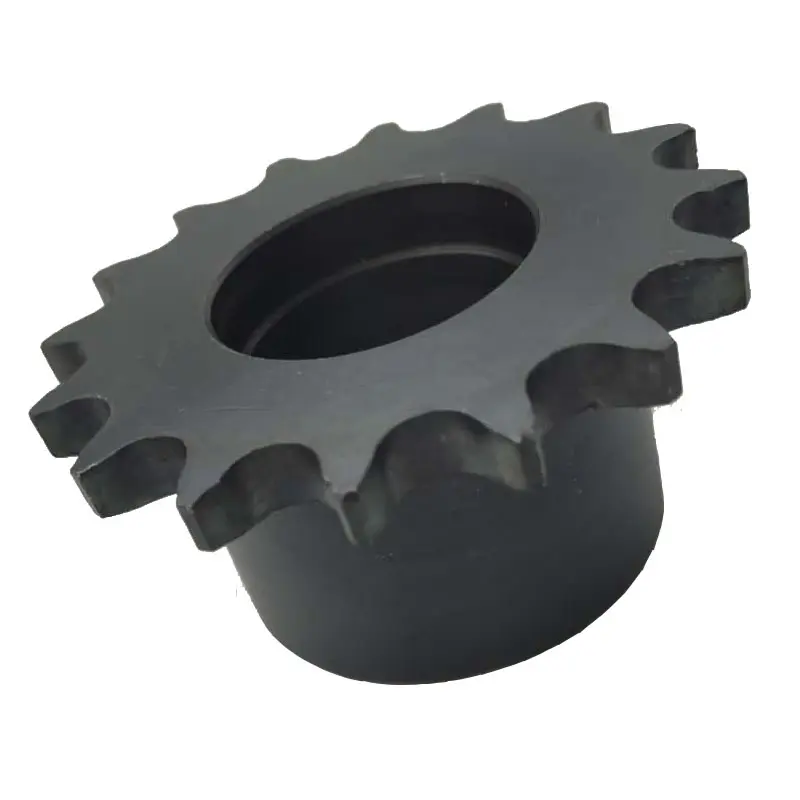
Role of a wheel sprocket in a Mechanical System
In a mechanical system, a wheel sprocket play a crucial role in transferring motion and power from one component to another. They are essential elements of various machines and mechanisms, such as bicycles, conveyor systems, automobiles, and industrial machinery. Let’s explore their functions in more detail:
1. Wheel:
The wheel is a circular component with a central shaft (axle) that allows it to rotate freely around the axle’s axis. Its primary functions include:
- Motion Transmission: When a force is applied to the wheel’s outer edge, it rotates around the axle, enabling the transfer of linear motion into rotational motion.
- Load Bearing: The wheel’s structure and material are designed to support and distribute the load placed on it, allowing smooth movement over various surfaces.
- Reduction of Friction: By using wheels, the friction between the moving object and the ground is significantly reduced, making it easier to move heavy loads with less effort.
- Directional Control: Wheels can be attached to steering mechanisms to control the direction of movement in vehicles and other equipment.
2. Sprocket:
A sprocket is a toothed wheel designed to mesh with a chain or a belt, facilitating motion transfer between the sprocket and the chain/belt. Its key functions include:
- Power Transmission: When rotational force (torque) is applied to the sprocket, the teeth engage with the links of the chain or belt, transferring motion and power from one sprocket to another.
- Speed and Torque Conversion: Different-sized sprockets can be used to adjust the speed and torque of the driven component in a mechanical system.
- Positive Drive: The teeth on the sprocket and the links on the chain/belt create a positive drive system, reducing the likelihood of slippage or loss of power during operation.
- Chain/Belt Tensioning: Sprockets help maintain proper tension in the chain or belt, ensuring optimal performance and longevity of the power transmission system.
Together, wheels and sprockets form a vital part of mechanical systems, enabling efficient motion transmission, power transfer, and control in a wide range of applications across various industries.


editor by CX 2023-10-08