Mô tả sản phẩm
Mô tả sản phẩm
Standard China Factory Industrial 08A-1 Chain Sprocket Wheel
We provide different types of stock bore sprockets: Flat sprocket, single hub, both hubs, single dual.
And we also have finished bore sprocket, ASA sprocket, taper bore sprocket, double simplex sprocket, etc.
Please contact us for the details.
| Item | Nhông xích |
| Tiêu chuẩn | DIN, KANA, ANSI, ISO, etc |
| Vật liệu | C45, stainless steel, cast iron, etc |
| Xử lý bề mặt | Teeth hardened, black oxide, zinc plated, electrophoresis, etc |
| Đánh dấu | Based on customer’s requirement |
| Process | Forging, Cutting, Hobbing, lathe machining |
Product Parameters
Production Line
Installation Instructions
All items are checked and tested thoroughly during every working procedure and after the product is finally manufactured to ensure that best quality product goes out in the market.
Packaging & Shipping
Standard export case (Details according to customer’s requirement)
The export of plywood case does not need fumigation, and has good structural strength and high stability.
It has the advantages of light material, high strength, good elasticity and toughness, shock resistance and vibration resistance, easy coating, insulation, etc.Recyclable, conducive to environmental protection.
Company Profile
The company has featuring complete equipment, advanced technology and excellent quality control and testing system, excellent product quality, reasonable price.
Its main products are: Standard Sprockets, Taper Bore Sprockets, Special Sprockets, Couplings, Shafts, Gears, Timing Pulleys,V-belt Pulleys,Taper Lock Bush,Gear Racks and so on.
The factory also has the ability to make special items according to customer’s design.
Has its own export company named: HangZhou DELONG IMP.AND EXP.CO.,LTD.
Add:NO.211,ChuangXin Rd,ChengNan Industrail Zone,HuZhou,ZheJiang ,China 313000
| Tiêu chuẩn hay không tiêu chuẩn: | Tiêu chuẩn |
|---|---|
| Ứng dụng: | Motor, Machinery, Agricultural Machinery, Transmission |
| Độ cứng: | Bề mặt răng được tôi cứng |
| Phương pháp sản xuất: | Cast Gear |
| Hình dạng phần răng cưa: | Spur Gear |
| Vật liệu: | Steel |
| Tùy chỉnh: |
Có sẵn
| Yêu cầu tùy chỉnh |
|---|
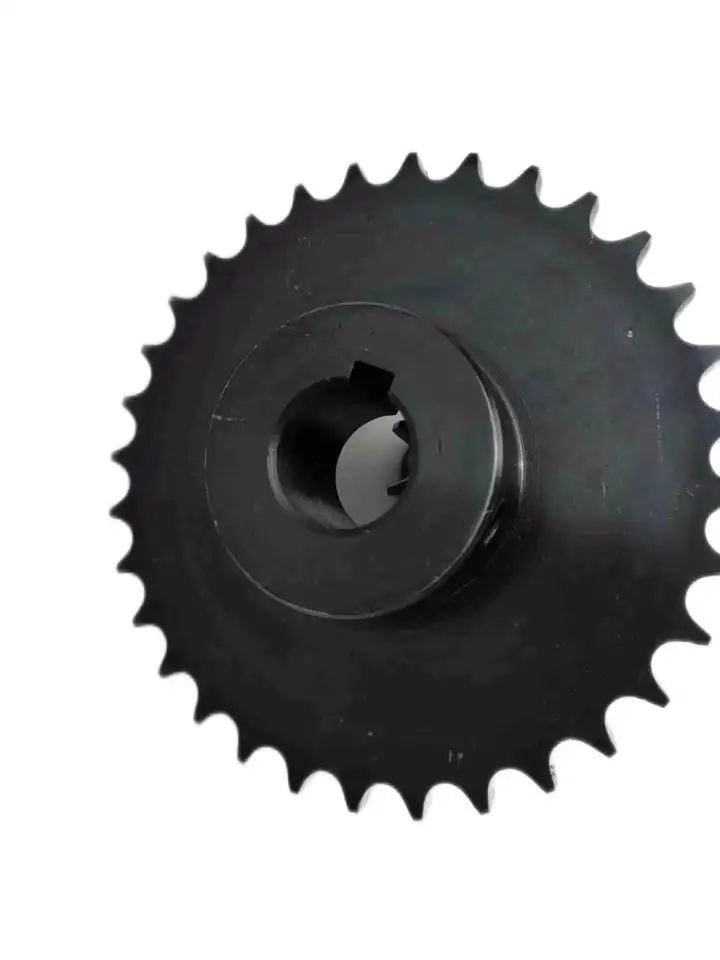
Tính toán mô-men xoắn cần thiết cho cụm nhông bánh răng
Việc tính toán mô-men xoắn cần thiết cho cụm nhông xích bánh răng liên quan đến việc xem xét nhiều yếu tố góp phần tạo nên tải trọng mô-men xoắn. Mô-men xoắn cần thiết rất quan trọng để lựa chọn động cơ hoặc nguồn điện phù hợp nhằm vận hành hệ thống một cách hiệu quả. Dưới đây là hướng dẫn từng bước:
- 1. Xác định mô-men xoắn tải: Xác định mômen xoắn cần thiết để khắc phục lực cản hoặc tải trọng trong hệ thống. Điều này bao gồm mômen xoắn cần thiết để di chuyển tải trọng, khắc phục ma sát và gia tốc tải trọng (nếu có).
- 2. Xác định bán kính đĩa xích: Đo bán kính của đĩa xích (khoảng cách từ tâm đĩa xích đến điểm tiếp xúc với xích hoặc dây đai).
- 3. Tính toán lực căng trong dây xích hoặc dây đai: Nếu sử dụng hệ truyền động bằng xích hoặc dây đai, hãy tính toán lực căng của xích hoặc dây đai. Lực căng ảnh hưởng đến mô-men xoắn cần thiết để truyền lực.
- 4. Tính đến các tổn thất hiệu quả: Hãy xem xét hiệu suất của hệ thống. Không phải toàn bộ công suất đầu vào sẽ được chuyển đổi thành công suất đầu ra do ma sát và các tổn thất khác. Hãy tính đến hiệu suất này trong các phép tính của bạn.
- 5. Sử dụng phương trình mômen xoắn: Mômen xoắn (T) có thể được tính bằng phương trình sau:
T = (Mô-men xoắn tải × Bán kính đĩa xích) ÷ (Hiệu suất × Lực căng)
Điều cần thiết là phải sử dụng các đơn vị đo lường nhất quán (ví dụ: Newton mét hoặc foot-pound) cho tất cả các giá trị trong phương trình.
Hãy nhớ rằng điều kiện thực tế có thể khác nhau, và tốt nhất là nên thêm hệ số an toàn vào yêu cầu mô-men xoắn đã tính toán để đảm bảo hệ thống có thể xử lý các tải trọng đỉnh bất ngờ hoặc sự thay đổi trong điều kiện hoạt động.
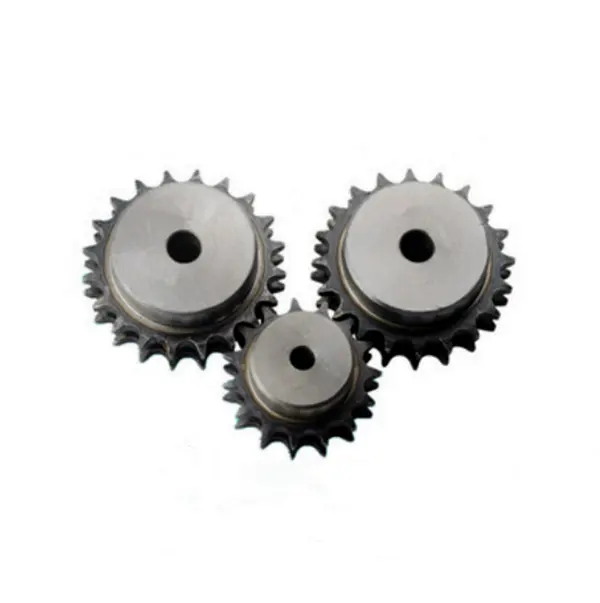
Special Considerations for Using a wheel sprocket System in Off-Road Vehicles
Off-road vehicles operate in rugged and challenging environments, which can put additional stress on the wheel sprocket system. Here are some special considerations to keep in mind when using a wheel sprocket system in off-road vehicles:
- Material Selection: Choose high-quality materials for the wheel sprocket that can withstand rough terrains, impacts, and exposure to elements. Materials like hardened steel or alloys with good impact resistance are commonly used.
- Sealing and Protection: Ensure that the wheel bearings and sprocket teeth are adequately sealed to prevent dirt, mud, water, and other debris from entering. Proper sealing helps to maintain smooth operation and prolong the lifespan of components.
- Reinforcement: Consider reinforcing the wheel sprocket assembly if the vehicle will encounter heavy loads or extreme conditions. Reinforcements can add strength and durability to handle challenging off-road conditions.
- Bôi trơn: Use a high-quality lubricant suitable for off-road conditions. Frequent lubrication is crucial to reduce friction, prevent corrosion, and protect components from wear and tear.
- Regular Inspection: Off-road vehicles experience higher vibrations and shocks, leading to accelerated wear. Perform regular inspections to detect any signs of damage, misalignment, or wear. Address issues promptly to avoid further problems.
- Shock Absorption: Consider incorporating shock-absorbing features or suspension systems to mitigate the impact on the wheel sprocket system during off-road driving. This helps to protect the components and improve overall vehicle performance.
- Environmental Considerations: Off-road environments often expose the wheel sprocket system to dirt, sand, water, and other harsh elements. Choose coatings or treatments that offer corrosion resistance to protect against environmental damage.
- Weight Consideration: Off-road vehicles may need to be lightweight to navigate difficult terrains effectively. Ensure the wheel sprocket components strike a balance between durability and weight to optimize vehicle performance.
- Service and Maintenance: Establish a regular maintenance schedule and perform necessary servicing after each off-road trip. Cleaning, inspection, and replacement of worn parts are vital to ensure the system’s reliability.
By taking these special considerations into account, the wheel sprocket system in off-road vehicles can withstand the demands of rough terrains and provide reliable performance in challenging environments.

Choosing the Right Size of Sprocket to Match a Wheel
Choosing the correct size of sprocket to match a wheel is essential for ensuring efficient power transmission and proper functionality of a mechanical system. Here are the steps to help you choose the right size of sprocket:
1. Determine the Pitch Diameter of the Wheel:
Measure the diameter of the wheel from the center to the point where the teeth of the sprocket will engage with the wheel. This measurement is known as the pitch diameter of the wheel.
2. Identify the Desired Gear Ratio:
Determine the gear ratio you want to achieve for your application. The gear ratio is the ratio of the number of teeth on the sprocket to the number of teeth on the wheel and determines the speed and torque output.
3. Calculate the Number of Teeth on the Sprocket:
Once you have the pitch diameter of the wheel and the desired gear ratio, you can calculate the number of teeth on the sprocket using the formula:
Number of Teeth on Sprocket = (Desired Gear Ratio) * (Number of Teeth on Wheel)
4. Select a Standard Sprocket Size:
Based on the calculated number of teeth on the sprocket, choose a standard sprocket size that comes closest to the calculated value. Sprockets are available in various tooth counts, and you may need to choose the nearest size available.
5. Consider Chain Compatibility:
If you are using a chain drive system, ensure that the selected sprocket is compatible with the chain you plan to use. The chain pitch (distance between the centers of adjacent roller pins) should match the pitch of the sprocket.
6. Verify Center Distance:
Check that the center distance between the wheel and the sprocket is appropriate for your application. The center distance is the distance between the centers of the wheel and the sprocket and should be set to achieve the desired tension and alignment of the chain or belt.
7. Consider the Material and Tooth Profile:
Select a sprocket material suitable for your application, such as steel, stainless steel, or plastic, based on factors like load, environment, and operating conditions. Additionally, consider the tooth profile (standard or custom) to ensure smooth engagement with the chain or belt.
By following these steps and considering the specific requirements of your machinery and mechanical system, you can choose the right size of sprocket to match your wheel and achieve optimal performance and longevity of the system.


editor by CX 2023-08-05