Mô tả sản phẩm
DIN 8187 Industry Sprocket Made to Order Stainless Steel Sprocket for Roller Chain & Agriculture Chain & Food Machinery (DIN, ANSI Standard)(06B20T)
Mô tả sản phẩm
1. Produce strictly in accordance with ANSI or DIN standard dimension
2. Material: C45 steel / Stainless Steel 304 & 316
3. Standard: ANSI, DIN, JINS, ISO, Standard America or customer drawing
4. Pilot bore, finished bore, taper bore and special bore.
5. Bright surface and high precision
6. Advanced heat treatment and surface treatment craft
7. Best quality and competitive price.
8. Welcome OEM / ODM
9. Application: Sprocket is mainly used in agricultural machinery, conveying machinery, mine mining machinery, construction machinery, mechanical transmission equipment of oil and so on.
10. Processing equipment: Hobbing machine, Slotting machine, CNC lathes and other equipment.
11. Sprocket models: Contains special sprocket (custom) according to customer’s drawings, standard sprocket (American standard and metric).
Features:Sprocket / Gear / CZPT / Steel CZPT / Lost wax casting and accessories / Investment casting
Materials: Carbon steel, alloy steel, stainless steel, ductile iron, gray iron, high chromium iron
| Product name | DIN 8187 Industry Sprocket (06B20T) |
| Materials Available | 1. Stainless Steel: SS304, SS316, etc |
| 2. Alloy Steel: C45, 45Mn, 42CrMo, 20CrMo, etc | |
| 3. OEM according to your request | |
| Xử lý bề mặt | Heat treatment, Quenching treatment, High frequency normalizing treatment, Polishing, Electrophoresis paint processing, Anodic oxidation treatment, etc |
| Characteristic | Fire resistant, Oil resistant, Heat resistant, CZPT resistance, Oxidative resistance, Corrosion resistance, etc |
| Design criterion | ISO DIN ANSI & Customer’s Drawing |
| Size | Customer’s Drawing & ISO standard |
| Ứng dụng | Industrial transmission equipment |
| Bưu kiện | Wooden Case / Container and pallet, or made-to-order |
| Giấy chứng nhận | ISO9001: 2008 |
| Advantage | Quality first, Service first, Competitive price, Fast delivery |
| Thời gian giao hàng | 20 days for samples. 45 days for official order. |
Ảnh chi tiết
View more products,please click here…
Company Profile
| Tiêu chuẩn hay không tiêu chuẩn: | Tiêu chuẩn |
|---|---|
| Ứng dụng: | Ngành công nghiệp |
| Độ cứng: | Bề mặt răng được tôi cứng |
| Vật liệu: | Alloy Steel/Stainless Steel |
| Kiểu: | Nhông xích |
| Sample: | for Free |
| Mẫu: |
US$ 0/Piece
1 chiếc (Số lượng đặt tối thiểu) | |
|---|
| Tùy chỉnh: |
Có sẵn
| Yêu cầu tùy chỉnh |
|---|
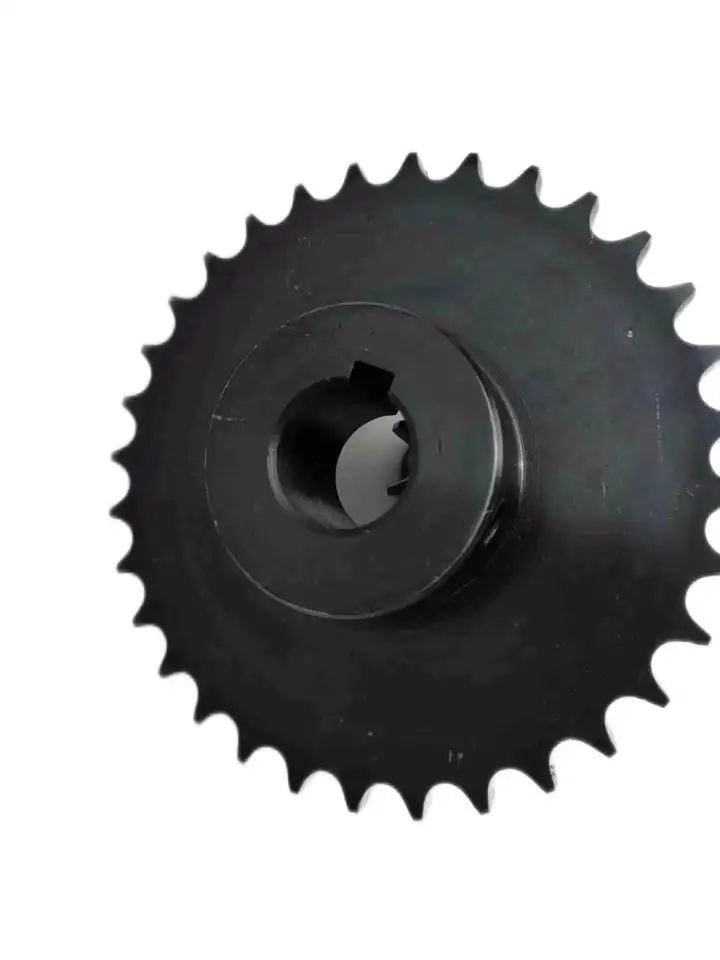
Tính toán mô-men xoắn cần thiết cho cụm nhông bánh răng
Việc tính toán mô-men xoắn cần thiết cho cụm nhông xích bánh răng liên quan đến việc xem xét nhiều yếu tố góp phần tạo nên tải trọng mô-men xoắn. Mô-men xoắn cần thiết rất quan trọng để lựa chọn động cơ hoặc nguồn điện phù hợp nhằm vận hành hệ thống một cách hiệu quả. Dưới đây là hướng dẫn từng bước:
- 1. Xác định mô-men xoắn tải: Xác định mômen xoắn cần thiết để khắc phục lực cản hoặc tải trọng trong hệ thống. Điều này bao gồm mômen xoắn cần thiết để di chuyển tải trọng, khắc phục ma sát và gia tốc tải trọng (nếu có).
- 2. Xác định bán kính đĩa xích: Đo bán kính của đĩa xích (khoảng cách từ tâm đĩa xích đến điểm tiếp xúc với xích hoặc dây đai).
- 3. Tính toán lực căng trong dây xích hoặc dây đai: Nếu sử dụng hệ truyền động bằng xích hoặc dây đai, hãy tính toán lực căng của xích hoặc dây đai. Lực căng ảnh hưởng đến mô-men xoắn cần thiết để truyền lực.
- 4. Tính đến các tổn thất hiệu quả: Hãy xem xét hiệu suất của hệ thống. Không phải toàn bộ công suất đầu vào sẽ được chuyển đổi thành công suất đầu ra do ma sát và các tổn thất khác. Hãy tính đến hiệu suất này trong các phép tính của bạn.
- 5. Sử dụng phương trình mômen xoắn: Mômen xoắn (T) có thể được tính bằng phương trình sau:
T = (Mô-men xoắn tải × Bán kính đĩa xích) ÷ (Hiệu suất × Lực căng)
Điều cần thiết là phải sử dụng các đơn vị đo lường nhất quán (ví dụ: Newton mét hoặc foot-pound) cho tất cả các giá trị trong phương trình.
Hãy nhớ rằng điều kiện thực tế có thể khác nhau, và tốt nhất là nên thêm hệ số an toàn vào yêu cầu mô-men xoắn đã tính toán để đảm bảo hệ thống có thể xử lý các tải trọng đỉnh bất ngờ hoặc sự thay đổi trong điều kiện hoạt động.
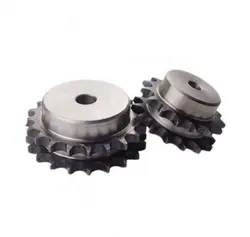
Inspecting a wheel sprocket for Wear and Tear
Regular inspection of the wheel sprocket is essential to ensure their proper functioning and to identify any signs of wear and tear. Here are the steps to inspect a wheel sprocket:
- Visual Inspection: Start by visually examining the wheel sprocket for any visible signs of wear, damage, or deformation. Look for cracks, chips, dents, or any irregularities on the surface of both components.
- Check for Misalignment: Verify that the wheel sprocket are properly aligned with each other. Misalignment can lead to accelerated wear and affect the overall performance of the system.
- Measure Wear: Use calipers or a wear gauge to measure the sprocket’s tooth profile and the wheel’s rolling surface. Compare these measurements with the original specifications to determine if significant wear has occurred.
- Inspect Teeth and Chain Engagement: If the wheel sprocket are part of a chain drive system, closely examine the sprocket teeth and chain engagement. Worn or elongated teeth can cause poor chain engagement and lead to premature failure.
- Bôi trơn: Check the lubrication of the wheel sprocket. Insufficient or excessive lubrication can cause increased friction, leading to wear and reduced efficiency.
- Bearing Condition: If the wheel is mounted on a shaft with bearings, inspect the bearings for any signs of wear, noise, or rough movement. Properly functioning bearings are crucial for the smooth operation of the system.
- Inspect Mounting Hardware: Ensure that all nuts, bolts, and other mounting hardware are securely tightened. Loose fasteners can cause vibration and misalignment issues.
- Check for Contaminants: Remove any debris, dirt, or foreign particles that may have accumulated on the wheel or sprocket. Contaminants can accelerate wear and damage the components.
- Replacement or Maintenance: Based on the inspection results, determine if any parts need replacement or if maintenance is required. Address any issues promptly to prevent further damage and maintain the system’s performance.
Regularly scheduled inspections and maintenance can help prolong the lifespan of the wheel sprocket assembly, optimize performance, and ensure the safety of the mechanical system.
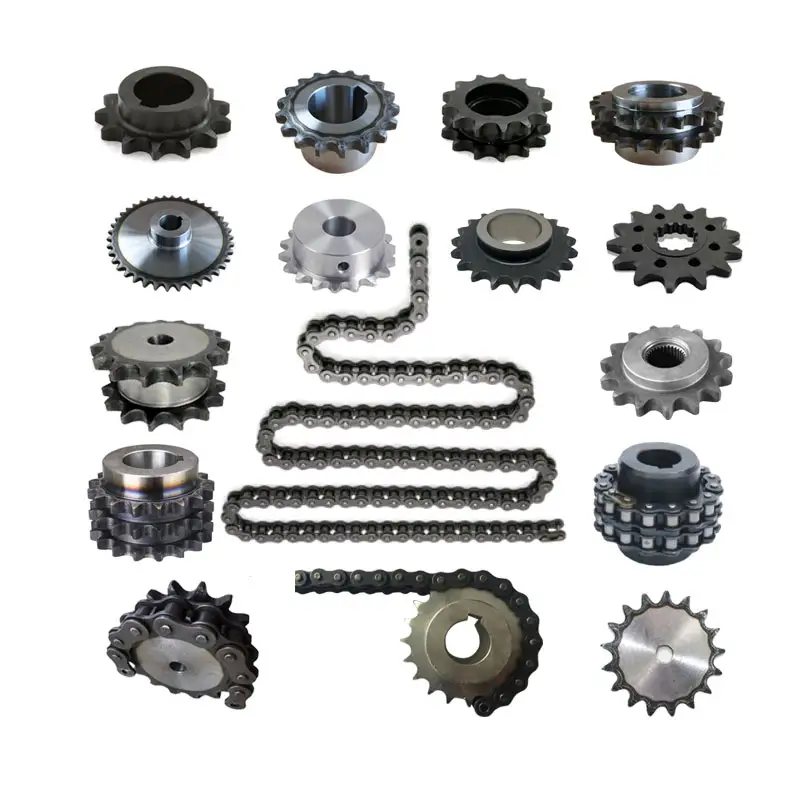
Calculating Gear Ratio for a wheel sprocket Setup
In a wheel sprocket system, the gear ratio represents the relationship between the number of teeth on the sprocket and the number of teeth on the wheel. The gear ratio determines the speed and torque relationship between the two components. To calculate the gear ratio, use the following formula:
Gear Ratio = Number of Teeth on Sprocket ÷ Number of Teeth on Wheel
For example, if the sprocket has 20 teeth and the wheel has 60 teeth, the gear ratio would be:
Gear Ratio = 20 ÷ 60 = 1/3
The gear ratio can also be expressed as a decimal or percentage. In the above example, the gear ratio can be expressed as 0.3333 or 33.33%.
It’s important to note that the gear ratio affects the rotational speed and torque of the wheel sprocket. A gear ratio greater than 1 indicates that the sprocket’s speed is higher than the wheel’s speed, resulting in increased rotational speed and reduced torque at the wheel. Conversely, a gear ratio less than 1 indicates that the sprocket’s speed is lower than the wheel’s speed, resulting in decreased rotational speed and increased torque at the wheel.
The gear ratio is crucial in various applications where precise control of speed and torque is required, such as bicycles, automobiles, and industrial machinery.


editor by CX 2023-07-27