مصنوعات کی تفصیل
DIN 8187 Industry Sprocket Made to Order Stainless Steel Sprocket for Roller Chain & Agriculture Chain & Food Machinery (DIN, ANSI Standard)(06B20T)
مصنوعات کی تفصیل
1. Produce strictly in accordance with ANSI or DIN standard dimension
2. Material: C45 steel / Stainless Steel 304 & 316
3. Standard: ANSI, DIN, JINS, ISO, Standard America or customer drawing
4. Pilot bore, finished bore, taper bore and special bore.
5. Bright surface and high precision
6. Advanced heat treatment and surface treatment craft
7. Best quality and competitive price.
8. Welcome OEM / ODM
9. Application: Sprocket is mainly used in agricultural machinery, conveying machinery, mine mining machinery, construction machinery, mechanical transmission equipment of oil and so on.
10. Processing equipment: Hobbing machine, Slotting machine, CNC lathes and other equipment.
11. Sprocket models: Contains special sprocket (custom) according to customer’s drawings, standard sprocket (American standard and metric).
Features:Sprocket / Gear / CZPT / Steel CZPT / Lost wax casting and accessories / Investment casting
Materials: Carbon steel, alloy steel, stainless steel, ductile iron, gray iron, high chromium iron
| Product name | DIN 8187 Industry Sprocket (06B20T) |
| Materials Available | 1. Stainless Steel: SS304, SS316, etc |
| 2. Alloy Steel: C45, 45Mn, 42CrMo, 20CrMo, etc | |
| 3. OEM according to your request | |
| سطح کا علاج | Heat treatment, Quenching treatment, High frequency normalizing treatment, Polishing, Electrophoresis paint processing, Anodic oxidation treatment, etc |
| Characteristic | Fire resistant, Oil resistant, Heat resistant, CZPT resistance, Oxidative resistance, Corrosion resistance, etc |
| Design criterion | ISO DIN ANSI & Customer’s Drawing |
| Size | Customer’s Drawing & ISO standard |
| درخواست | Industrial transmission equipment |
| Package | Wooden Case / Container and pallet, or made-to-order |
| Certificate | ISO9001: 2008 |
| فائدہ | Quality first, Service first, Competitive price, Fast delivery |
| Delivery Time | 20 days for samples. 45 days for official order. |
تفصیلی تصاویر
View more products,please click here…
Company Profile
| معیاری یا غیر معیاری: | معیاری |
|---|---|
| درخواست: | صنعت |
| سختی: | سخت دانت کی سطح |
| مواد: | Alloy Steel/Stainless Steel |
| Type: | سپروکیٹ |
| Sample: | for Free |
| نمونے: |
US$ 0/Piece
1 ٹکڑا (کم سے کم آرڈر) | |
|---|
| حسب ضرورت: |
دستیاب ہے۔
| اپنی مرضی کے مطابق درخواست |
|---|
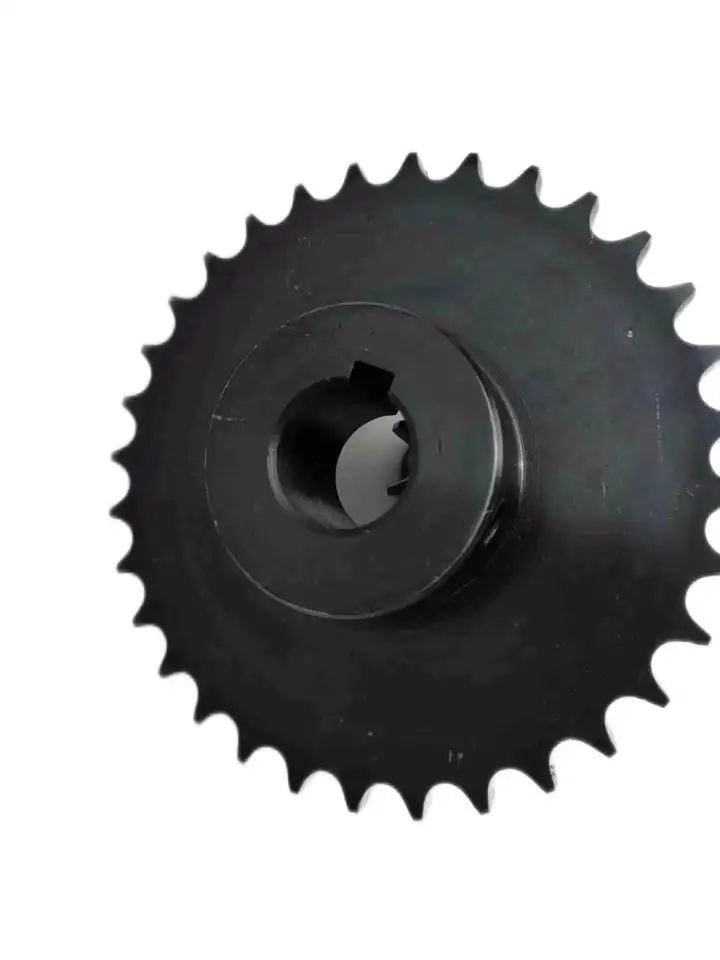
Calculating Torque Requirements for a wheel sprocket Assembly
Calculating the torque requirements for a wheel sprocket assembly involves considering various factors that contribute to the torque load. The torque requirement is crucial for selecting the appropriate motor or power source to drive the system effectively. Here’s a step-by-step guide:
- 1. Determine the Load Torque: Identify the torque required to overcome the resistance or load in the system. This includes the torque needed to move the load, overcome friction, and accelerate the load if applicable.
- 2. Identify the Sprocket Radius: Measure the radius of the sprocket (distance from the center of the sprocket to the point of contact with the chain or belt).
- 3. Calculate the Tension in the Chain or Belt: If using a chain or belt drive, calculate the tension in the chain or belt. Tension affects the torque required for power transmission.
- 4. Account for Efficiency Losses: Consider the efficiency of the system. Not all the input power will be converted into output power due to friction and other losses. Account for this efficiency in your calculations.
- 5. Use the Torque Equation: The torque (T) can be calculated using the following equation:
T = (Load Torque × Sprocket Radius) ÷ (Efficiency × Tension)
It’s essential to use consistent units of measurement (e.g., Newton meters or foot-pounds) for all values in the equation.
Remember that real-world conditions may vary, and it’s advisable to add a safety factor to your calculated torque requirements to ensure the system can handle unexpected peak loads or variations in operating conditions.
پہننے اور آنسو کے لیے وہیل سپروکیٹ کا معائنہ کرنا
وہیل سپروکیٹ کا باقاعدہ معائنہ ضروری ہے تاکہ ان کے مناسب کام کو یقینی بنایا جا سکے اور ٹوٹ پھوٹ کی علامات کی نشاندہی کی جا سکے۔ وہیل سپروکیٹ کا معائنہ کرنے کے اقدامات یہ ہیں:
- بصری معائنہ: پہننے، نقصان، یا خرابی کی کسی بھی نظر آنے والی علامات کے لیے وہیل سپروکیٹ کو بصری طور پر جانچ کر شروع کریں۔ دونوں اجزاء کی سطح پر دراڑیں، چپس، ڈینٹ، یا کوئی بے ضابطگی تلاش کریں۔
- غلط ترتیب کی جانچ کریں: اس بات کی توثیق کریں کہ وہیل سپروکیٹ ایک دوسرے کے ساتھ صحیح طریقے سے منسلک ہیں۔ غلط ترتیب سے پہننے میں تیزی آ سکتی ہے اور سسٹم کی مجموعی کارکردگی متاثر ہو سکتی ہے۔
- پہننے کی پیمائش کریں: سپروکیٹ کے ٹوتھ پروفائل اور وہیل کی رولنگ سطح کی پیمائش کرنے کے لیے کیلیپرز یا پہننے کے گیج کا استعمال کریں۔ ان پیمائشوں کا اصل تصریحات کے ساتھ موازنہ کریں تاکہ یہ معلوم کیا جا سکے کہ آیا اہم پہناوا ہوا ہے۔
- دانتوں اور زنجیر کی مصروفیت کا معائنہ کریں: اگر وہیل سپروکیٹ چین ڈرائیو سسٹم کا حصہ ہیں، تو سپروکیٹ کے دانتوں اور زنجیر کی مصروفیت کا بغور جائزہ لیں۔ گھسے ہوئے یا لمبے دانت زنجیر کی خراب مصروفیت کا سبب بن سکتے ہیں اور قبل از وقت ناکامی کا باعث بن سکتے ہیں۔
- چکنا: وہیل سپروکیٹ کی چکنا چیک کریں۔ ناکافی یا ضرورت سے زیادہ چکنا رگڑ بڑھنے کا سبب بن سکتا ہے، جس سے پہننے اور کارکردگی میں کمی واقع ہوتی ہے۔
- بیئرنگ کی حالت: اگر وہیل بیرنگ کے ساتھ شافٹ پر نصب ہے تو، پہننے، شور، یا کھردری حرکت کی کسی بھی علامت کے لیے بیرنگ کا معائنہ کریں۔ مناسب طریقے سے کام کرنے والے بیرنگ سسٹم کے ہموار آپریشن کے لیے اہم ہیں۔
- بڑھتے ہوئے ہارڈ ویئر کا معائنہ کریں: اس بات کو یقینی بنائیں کہ تمام گری دار میوے، بولٹ، اور دیگر بڑھتے ہوئے ہارڈویئر کو محفوظ طریقے سے سخت کیا گیا ہے۔ ڈھیلے بندھن کمپن اور غلط ترتیب کے مسائل کا سبب بن سکتے ہیں۔
- آلودگی کے لیے چیک کریں: کسی بھی ملبے، گندگی، یا غیر ملکی ذرات کو ہٹا دیں جو وہیل یا سپروکیٹ پر جمع ہوسکتے ہیں. آلودہ اشیاء پہننے کو تیز کر سکتے ہیں اور اجزاء کو نقصان پہنچا سکتے ہیں۔
- تبدیلی یا دیکھ بھال: معائنہ کے نتائج کی بنیاد پر، اس بات کا تعین کریں کہ آیا کسی حصے کو تبدیل کرنے کی ضرورت ہے یا اگر دیکھ بھال کی ضرورت ہے۔ مزید نقصان کو روکنے اور سسٹم کی کارکردگی کو برقرار رکھنے کے لیے کسی بھی مسئلے کو فوری طور پر حل کریں۔
باقاعدگی سے طے شدہ معائنہ اور دیکھ بھال وہیل سپروکیٹ اسمبلی کی عمر کو طول دینے، کارکردگی کو بہتر بنانے اور مکینیکل سسٹم کی حفاظت کو یقینی بنانے میں مدد کر سکتی ہے۔
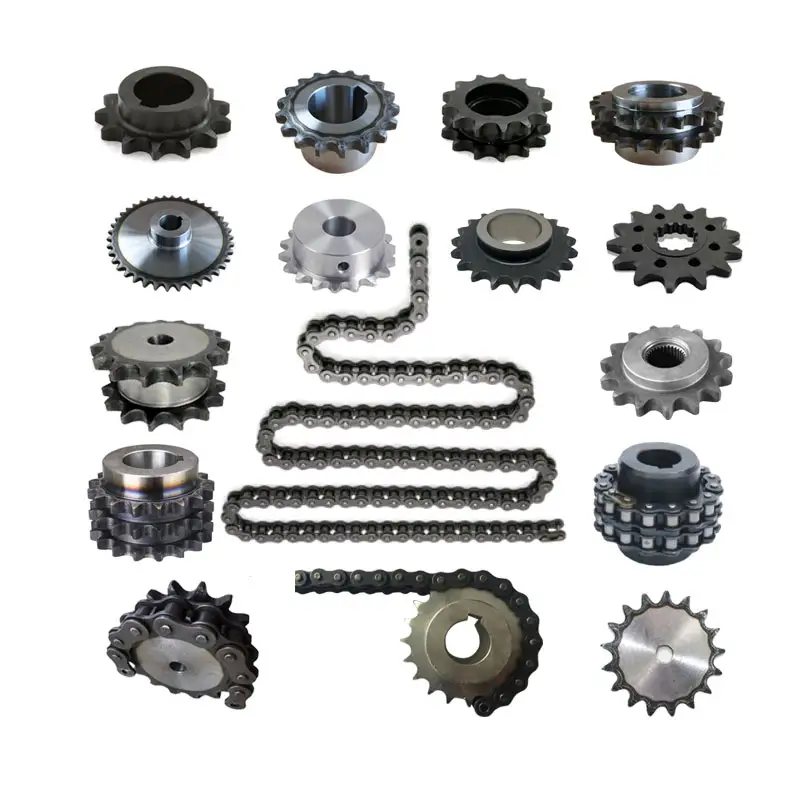
Calculating Gear Ratio for a wheel sprocket Setup
In a wheel sprocket system, the gear ratio represents the relationship between the number of teeth on the sprocket and the number of teeth on the wheel. The gear ratio determines the speed and torque relationship between the two components. To calculate the gear ratio, use the following formula:
Gear Ratio = Number of Teeth on Sprocket ÷ Number of Teeth on Wheel
For example, if the sprocket has 20 teeth and the wheel has 60 teeth, the gear ratio would be:
Gear Ratio = 20 ÷ 60 = 1/3
The gear ratio can also be expressed as a decimal or percentage. In the above example, the gear ratio can be expressed as 0.3333 or 33.33%.
It’s important to note that the gear ratio affects the rotational speed and torque of the wheel sprocket. A gear ratio greater than 1 indicates that the sprocket’s speed is higher than the wheel’s speed, resulting in increased rotational speed and reduced torque at the wheel. Conversely, a gear ratio less than 1 indicates that the sprocket’s speed is lower than the wheel’s speed, resulting in decreased rotational speed and increased torque at the wheel.
The gear ratio is crucial in various applications where precise control of speed and torque is required, such as bicycles, automobiles, and industrial machinery.


editor by CX 2023-07-27