مصنوعات کی تفصیل
Welded Metric Roller Drive Conveyor Chain CZPT Plastic Stainless Steel Duplex Cast Iron Plate Flat Top Finished Bore Idler Bushed Taper Lock Qd Sprocket
Standard sprockets:
|
||||||||||||||||||||||||||||||||||||||||||||||||||||||||
Customization process :
1.Provide documentation: CAD, DWG, DXF, PDF,3D model ,STEP, IGS, PRT
2.Quote: We will give you the best price within 24 hours
3.Place an order: Confirm the cooperation details and CZPT the contract, and provide the labeling service
4.Processing and customization: Short delivery time
Related products:
Our Factory
If you need to customize transmission products,
please click here to contact us!
Chain Sprockets:
Company Information:
| معیاری یا غیر معیاری: | معیاری |
|---|---|
| درخواست: | Motor, Electric Cars, Motorcycle, Machinery, Marine, Agricultural Machinery, Car |
| سختی: | سخت دانت کی سطح |
| مینوفیکچرنگ کا طریقہ: | کٹ گیئر |
| دانت والے حصے کی شکل: | Spur Gear |
| مواد: | Custom Made |
| نمونے: |
US$ 9999/Piece
1 ٹکڑا (کم سے کم آرڈر) | |
|---|
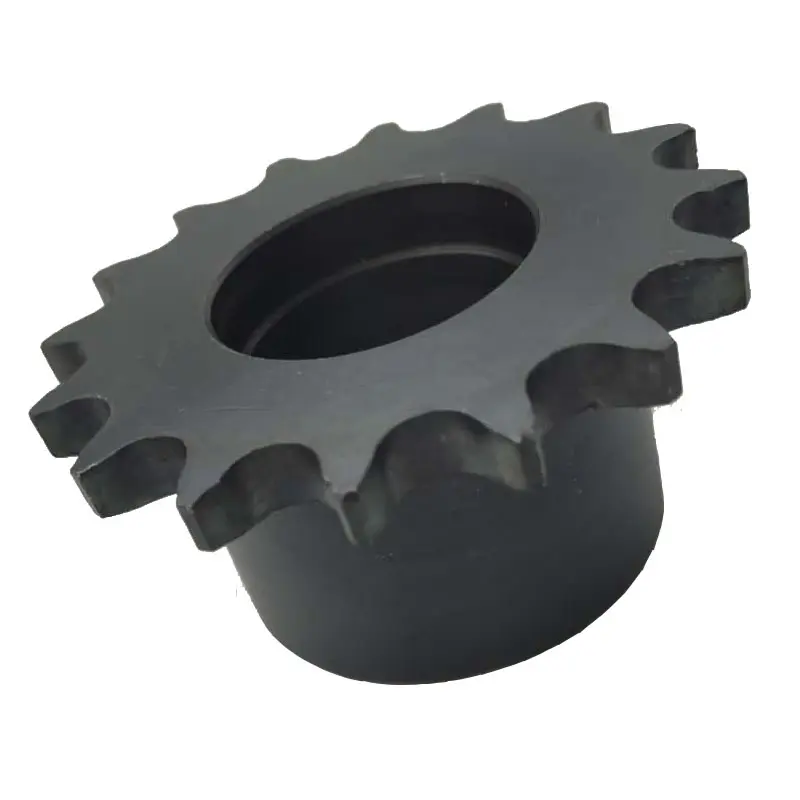
Compatibility of Chain Sprockets with Wheels
In general, chain sprockets are designed to work with specific types of wheels, and there are certain requirements for ensuring proper compatibility:
- Chain Size and Pitch: The chain sprocket must match the size and pitch of the chain it is intended to work with. For example, if you have a roller chain with a pitch of 0.625 inches, you need a sprocket with the same pitch to ensure a proper fit.
- Number of Teeth: The number of teeth on the sprocket should be compatible with the number of chain links. The chain should mesh smoothly with the sprocket without any binding or skipping.
- Tooth Profile: The tooth profile of the sprocket should match the shape of the chain’s rollers to ensure smooth engagement and minimize wear.
- Shaft Size: The center hole (bore) of the sprocket should match the diameter of the shaft it will be mounted on. Using the correct shaft size ensures a secure fit and prevents wobbling.
- Hub Configuration: Some sprockets have hubs, which are extensions on either side of the sprocket. The hub’s length and configuration should match the requirements of the specific application.
- Material and Strength: Consider the material and strength of the sprocket based on the application’s load and environmental conditions. Heavy-duty applications may require sprockets made of robust materials to withstand the forces and stresses.
It’s crucial to follow the manufacturer’s specifications and guidelines when selecting a chain sprocket for a particular wheel. Mixing incompatible sprockets and wheels can result in premature wear, inefficiencies, and potential safety hazards. If you are unsure about the compatibility, consult with the manufacturer or a knowledgeable expert to ensure you choose the right sprocket for your specific application.
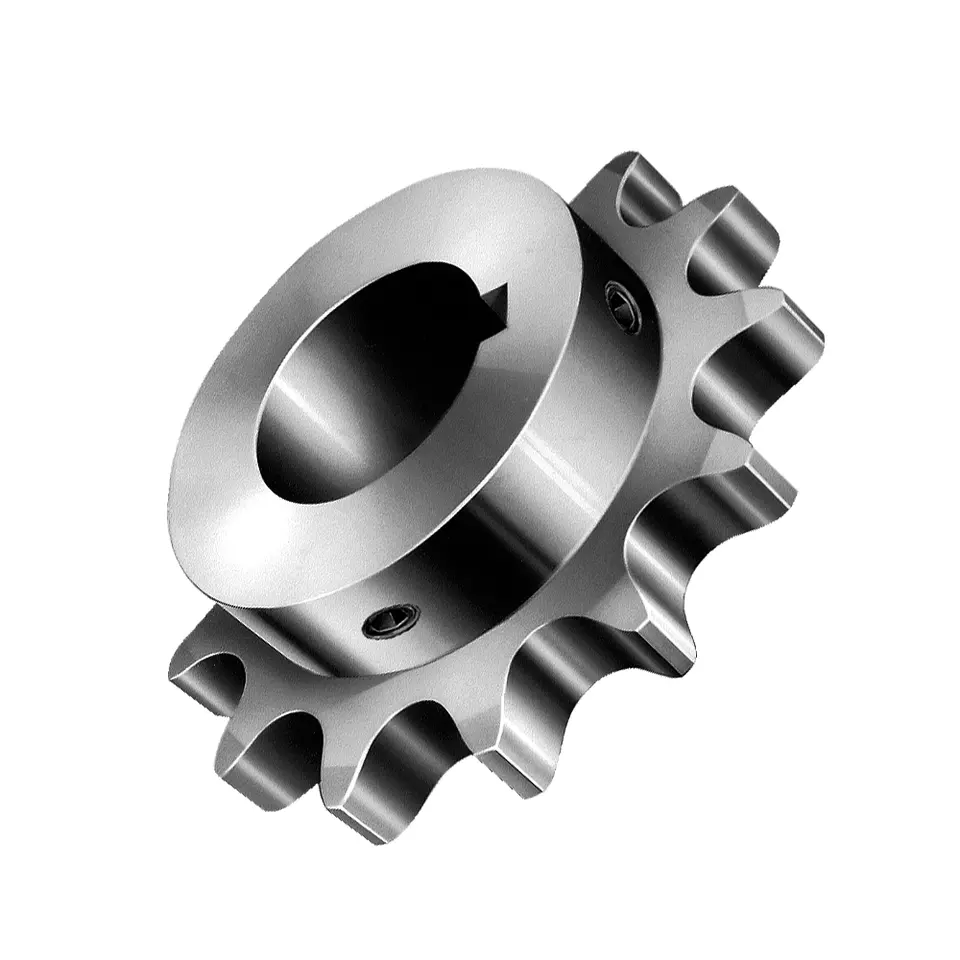
Choosing the Right Material for a Sprocket to Ensure Longevity
Choosing the right material for a sprocket is crucial to ensure its longevity and reliable performance in a given application. The material selection depends on various factors such as load, speed, operating environment, and budget. Here are some common materials used for sprockets and their considerations:
- Steel: Steel sprockets are widely used in a wide range of applications due to their excellent strength, durability, and wear resistance. They are suitable for heavy-duty and high-speed operations. Different grades of steel, such as carbon steel or alloy steel, offer varying levels of hardness and strength.
- Stainless Steel: Stainless steel sprockets are preferred when corrosion resistance is essential, making them suitable for applications where the sprocket is exposed to moisture, chemicals, or outdoor elements. They are commonly used in food processing, pharmaceutical, and marine industries.
- Cast Iron: Cast iron sprockets offer good wear resistance and are often used in low to medium-speed applications. They are cost-effective and provide excellent performance in less demanding conditions.
- Plastics: Plastic sprockets are lightweight and corrosion-resistant. They are commonly used in applications where low noise, self-lubrication, and resistance to chemicals or moisture are required. However, they have limited load-carrying capacity and may not be suitable for heavy-duty applications.
- Aluminum: Aluminum sprockets are lightweight and commonly used in applications where weight reduction is critical, such as aerospace and certain machinery. However, they are not as durable as steel sprockets and are not suitable for high loads or harsh environments.
When choosing the right material for a sprocket, consider the following:
- Load Capacity: Select a material that can handle the expected loads in the application without deforming or wearing excessively.
- Speed: Higher speeds may require materials with better heat dissipation and wear resistance.
- Environment: Consider factors such as moisture, chemicals, temperature, and outdoor exposure. Choose a material with suitable corrosion resistance and resilience to environmental conditions.
- Maintenance: Some materials may require more frequent maintenance or lubrication to ensure longevity.
- Cost: Balance the material’s performance with the budget constraints of the project.
It’s essential to consult with sprocket manufacturers or material experts to determine the most appropriate material for your specific application. They can provide valuable insights and recommendations based on your requirements, helping to ensure the longevity and optimal performance of the sprocket in your machinery or equipment.
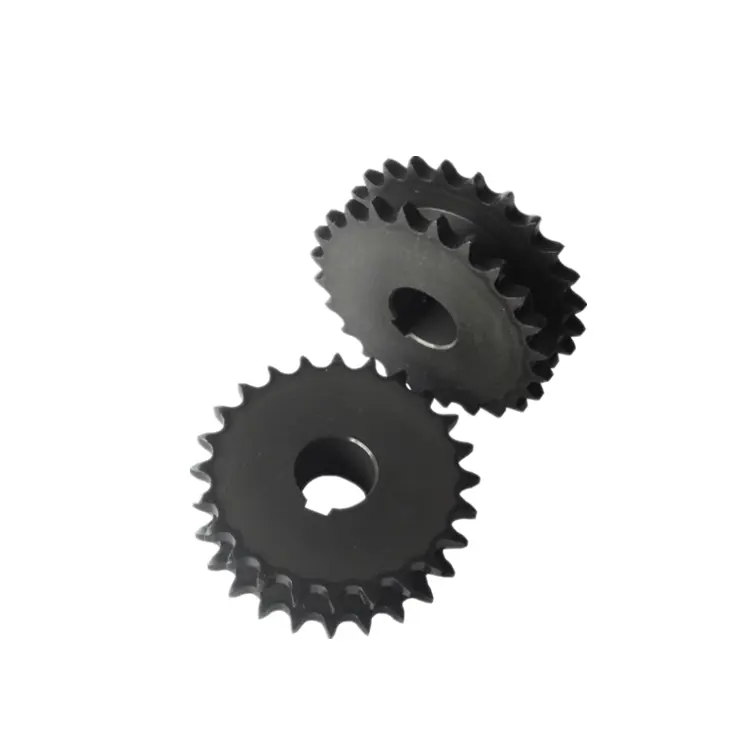
پہیے اور سپروکیٹ تیار کرنے کے لیے ماحول دوست مواد
جی ہاں، پہیے اور سپروکیٹ بنانے کے لیے ماحول دوست مواد استعمال کیا جاتا ہے۔ چونکہ صنعتیں اپنے ماحولیاتی اثرات کو کم کرنے اور پائیداری کو فروغ دینے کی کوشش کرتی ہیں، مینوفیکچررز ایسے متبادل مواد کی تلاش کر رہے ہیں جو زیادہ ماحول دوست ہوں۔ پہیے اور سپروکیٹ بنانے کے لیے استعمال ہونے والے کچھ ماحول دوست مواد میں شامل ہیں:
1. ری سائیکل مواد:
ری سائیکل شدہ مواد، جیسے ری سائیکل پلاسٹک یا دھات کا استعمال، کنواری خام مال کی مانگ کو نمایاں طور پر کم کر سکتا ہے اور مجموعی طور پر کاربن فوٹ پرنٹ کو کم کر سکتا ہے۔ یہ مواد پوسٹ کنزیومر یا پوسٹ انڈسٹریل فضلہ سے حاصل کیا جاتا ہے اور نئی مصنوعات بنانے کے لیے پروسیس کیا جاتا ہے، جس سے نئے وسائل نکالنے کی ضرورت کم ہوتی ہے۔
2. بایوڈیگریڈیبل مواد:
بایوڈیگریڈیبل پلاسٹک، جیسے PLA (پولی لیکٹک ایسڈ) اور PHA (polyhydroxyalkanoates)، قابل تجدید پودوں کے ذرائع سے حاصل کیے جاتے ہیں اور ماحول میں قدرتی طور پر ٹوٹ سکتے ہیں۔ یہ مواد ایپلی کیشنز کے لیے مقبولیت حاصل کر رہے ہیں جہاں ضائع کرنا یا زندگی کے اختتام پر غور کرنا اہم ہے۔
3. پائیدار مرکبات:
مینوفیکچررز پائیدار جامع مواد تیار کر رہے ہیں جو قابل تجدید ریشوں، جیسے بانس، بھنگ، یا سن، کو بایوڈیگریڈیبل رال کے ساتھ ملاتے ہیں۔ یہ مرکب روایتی فائبر سے تقویت یافتہ پلاسٹک کے مقابلے میں زیادہ ماحول دوست ہونے کے ساتھ ساتھ اچھی طاقت اور سختی پیش کرتے ہیں۔
4. قدرتی مواد:
بعض صورتوں میں، قدرتی مواد جیسے لکڑی یا بانس کو مخصوص ایپلی کیشنز کے لیے سپروکیٹ اور پہیے بنانے کے لیے استعمال کیا جاتا ہے۔ یہ مواد قابل تجدید اور بایوڈیگریڈیبل ہیں، جو انہیں زیادہ پائیدار انتخاب بناتے ہیں۔
5. کم زہریلا مواد:
کچھ ماحول دوست مواد مینوفیکچرنگ کے دوران نقصان دہ کیمیکلز کے استعمال کو کم کرنے پر توجہ دیتے ہیں۔ کم زہریلا مواد نہ صرف ماحول کے لیے بلکہ پیداواری عمل میں شامل کارکنوں کی صحت اور حفاظت کے لیے بھی بہتر ہے۔
پہیوں اور سپروکیٹس کے لیے ماحول دوست مواد کا انتخاب کرتے وقت، مخصوص ایپلی کیشن، بوجھ برداشت کرنے کی ضروریات، اور مواد کی زندگی کے اختتامی خصوصیات جیسے عوامل پر غور کرنا ضروری ہے۔ مینوفیکچررز اور صارفین اپنی مشینری اور آلات میں ان ماحول دوست متبادلات کا انتخاب کرکے ماحولیاتی پائیداری میں حصہ ڈال سکتے ہیں۔


editor by CX 2023-09-26