توضیحات محصول
Welded Metric Roller Drive Conveyor Chain CZPT Plastic Stainless Steel Duplex Cast Iron Plate Flat Top Finished Bore Idler Bushed Taper Lock Qd Sprocket
Standard sprockets:
|
||||||||||||||||||||||||||||||||||||||||||||||||||||||||
Customization process :
1.Provide documentation: CAD, DWG, DXF, PDF,3D model ,STEP, IGS, PRT
2.Quote: We will give you the best price within 24 hours
3.Place an order: Confirm the cooperation details and CZPT the contract, and provide the labeling service
4.Processing and customization: Short delivery time
Related products:
Our Factory
If you need to customize transmission products,
please click here to contact us!
Chain Sprockets:
Company Information:
| استاندارد یا غیر استاندارد: | استاندارد |
|---|---|
| کاربرد: | Motor, Electric Cars, Motorcycle, Machinery, Marine, Agricultural Machinery, Car |
| سختی: | سطح دندانه سخت شده |
| روش تولید: | دنده برش |
| شکل قسمت دندانه دار: | Spur Gear |
| مواد: | Custom Made |
| Samples: |
US$ 9999/Piece
1 Piece(Min.Order) | |
|---|
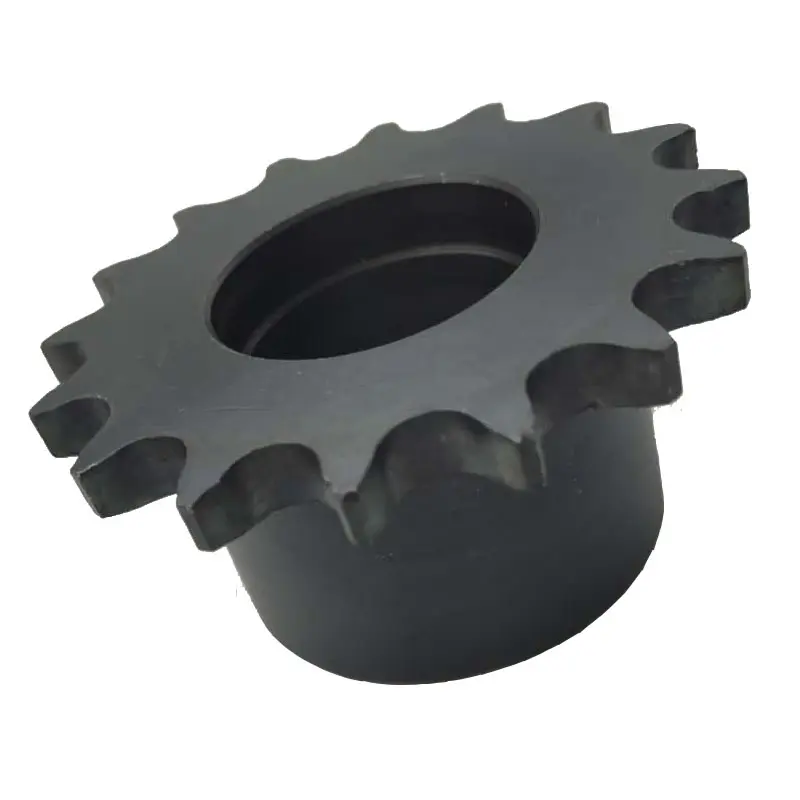
Compatibility of Chain Sprockets with Wheels
In general, chain sprockets are designed to work with specific types of wheels, and there are certain requirements for ensuring proper compatibility:
- Chain Size and Pitch: The chain sprocket must match the size and pitch of the chain it is intended to work with. For example, if you have a roller chain with a pitch of 0.625 inches, you need a sprocket with the same pitch to ensure a proper fit.
- Number of Teeth: The number of teeth on the sprocket should be compatible with the number of chain links. The chain should mesh smoothly with the sprocket without any binding or skipping.
- Tooth Profile: The tooth profile of the sprocket should match the shape of the chain’s rollers to ensure smooth engagement and minimize wear.
- Shaft Size: The center hole (bore) of the sprocket should match the diameter of the shaft it will be mounted on. Using the correct shaft size ensures a secure fit and prevents wobbling.
- Hub Configuration: Some sprockets have hubs, which are extensions on either side of the sprocket. The hub’s length and configuration should match the requirements of the specific application.
- Material and Strength: Consider the material and strength of the sprocket based on the application’s load and environmental conditions. Heavy-duty applications may require sprockets made of robust materials to withstand the forces and stresses.
It’s crucial to follow the manufacturer’s specifications and guidelines when selecting a chain sprocket for a particular wheel. Mixing incompatible sprockets and wheels can result in premature wear, inefficiencies, and potential safety hazards. If you are unsure about the compatibility, consult with the manufacturer or a knowledgeable expert to ensure you choose the right sprocket for your specific application.
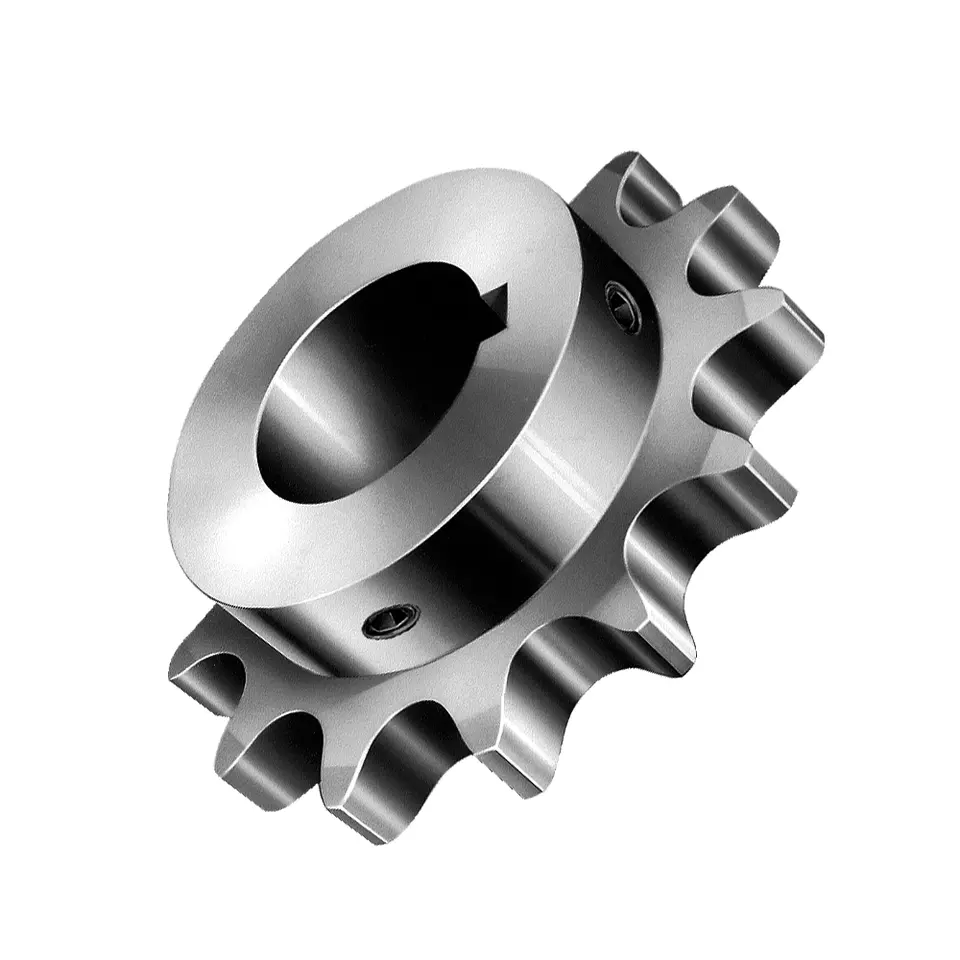
Choosing the Right Material for a Sprocket to Ensure Longevity
Choosing the right material for a sprocket is crucial to ensure its longevity and reliable performance in a given application. The material selection depends on various factors such as load, speed, operating environment, and budget. Here are some common materials used for sprockets and their considerations:
- Steel: Steel sprockets are widely used in a wide range of applications due to their excellent strength, durability, and wear resistance. They are suitable for heavy-duty and high-speed operations. Different grades of steel, such as carbon steel or alloy steel, offer varying levels of hardness and strength.
- Stainless Steel: Stainless steel sprockets are preferred when corrosion resistance is essential, making them suitable for applications where the sprocket is exposed to moisture, chemicals, or outdoor elements. They are commonly used in food processing, pharmaceutical, and marine industries.
- Cast Iron: Cast iron sprockets offer good wear resistance and are often used in low to medium-speed applications. They are cost-effective and provide excellent performance in less demanding conditions.
- Plastics: Plastic sprockets are lightweight and corrosion-resistant. They are commonly used in applications where low noise, self-lubrication, and resistance to chemicals or moisture are required. However, they have limited load-carrying capacity and may not be suitable for heavy-duty applications.
- Aluminum: Aluminum sprockets are lightweight and commonly used in applications where weight reduction is critical, such as aerospace and certain machinery. However, they are not as durable as steel sprockets and are not suitable for high loads or harsh environments.
When choosing the right material for a sprocket, consider the following:
- Load Capacity: Select a material that can handle the expected loads in the application without deforming or wearing excessively.
- Speed: Higher speeds may require materials with better heat dissipation and wear resistance.
- Environment: Consider factors such as moisture, chemicals, temperature, and outdoor exposure. Choose a material with suitable corrosion resistance and resilience to environmental conditions.
- Maintenance: Some materials may require more frequent maintenance or lubrication to ensure longevity.
- Cost: Balance the material’s performance with the budget constraints of the project.
It’s essential to consult with sprocket manufacturers or material experts to determine the most appropriate material for your specific application. They can provide valuable insights and recommendations based on your requirements, helping to ensure the longevity and optimal performance of the sprocket in your machinery or equipment.
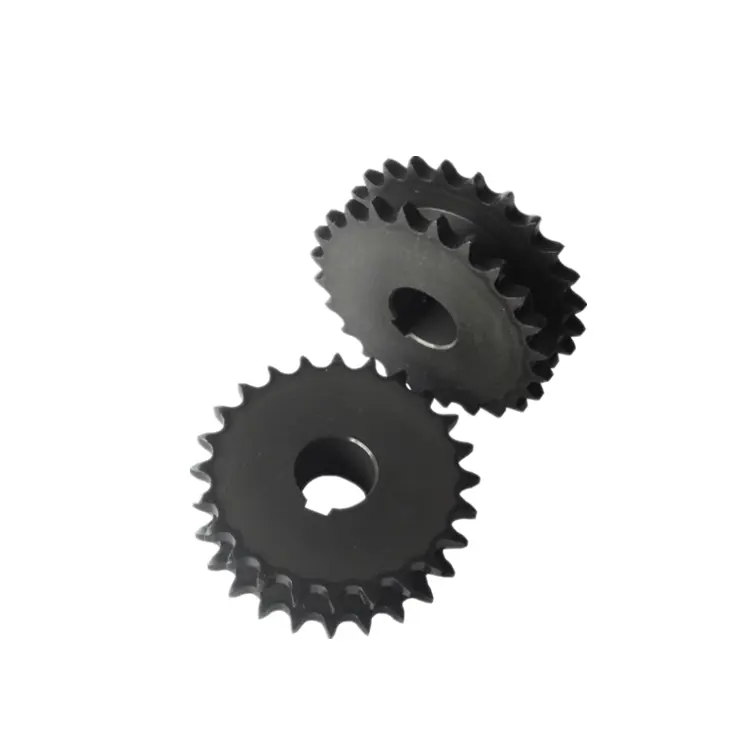
مواد سازگار با محیط زیست برای ساخت چرخ و چرخ دنده
بله، مواد سازگار با محیط زیست برای ساخت چرخ و چرخدنده استفاده میشوند. از آنجایی که صنایع در تلاش برای کاهش اثرات زیستمحیطی و ترویج پایداری هستند، تولیدکنندگان در حال بررسی مواد جایگزینی هستند که سازگارتر با محیط زیست باشند. برخی از مواد سازگار با محیط زیست که برای ساخت چرخ و چرخدنده استفاده میشوند عبارتند از:
۱. مواد بازیافتی:
استفاده از مواد بازیافتی، مانند پلاستیک یا فلز بازیافتی، میتواند تقاضا برای مواد اولیه بکر را به میزان قابل توجهی کاهش داده و ردپای کلی کربن را پایین بیاورد. این مواد از زبالههای پس از مصرف یا پس از صنعت به دست میآیند و برای تولید محصولات جدید فرآوری میشوند و نیاز به استخراج منابع جدید را کاهش میدهند.
۲. مواد زیست تخریبپذیر:
پلاستیکهای زیستتخریبپذیر، مانند PLA (پلیلاکتیک اسید) و PHA (پلیهیدروکسیآلکانوئاتها)، از منابع گیاهی تجدیدپذیر مشتق میشوند و میتوانند به طور طبیعی در محیط تجزیه شوند. این مواد برای کاربردهایی که در آنها ملاحظات مربوط به دفع یا پایان عمر حیاتی است، محبوبیت بیشتری پیدا میکنند.
۳. کامپوزیتهای پایدار:
تولیدکنندگان در حال توسعه مواد کامپوزیتی پایداری هستند که الیاف تجدیدپذیر مانند بامبو، کنف یا کتان را با رزینهای زیستتخریبپذیر ترکیب میکنند. این کامپوزیتها در مقایسه با پلاستیکهای تقویتشده با الیاف سنتی، استحکام و سختی خوبی دارند و در عین حال سازگارتر با محیط زیست هستند.
۴. مواد طبیعی:
در برخی موارد، از مواد طبیعی مانند چوب یا بامبو برای ساخت چرخدندهها و چرخها برای کاربردهای خاص استفاده میشود. این مواد تجدیدپذیر و زیستتخریبپذیر هستند و آنها را به انتخابی پایدارتر تبدیل میکنند.
۵. مواد با سمیت کم:
برخی از مواد سازگار با محیط زیست بر کاهش استفاده از مواد شیمیایی مضر در طول تولید تمرکز دارند. مواد کم سمیت نه تنها برای محیط زیست بهتر هستند، بلکه برای سلامت و ایمنی کارگران درگیر در فرآیند تولید نیز مفیدند.
هنگام انتخاب مواد سازگار با محیط زیست برای چرخها و چرخدندهها، در نظر گرفتن عواملی مانند کاربرد خاص، الزامات تحمل بار و ویژگیهای پایان عمر مواد ضروری است. تولیدکنندگان و کاربران میتوانند با انتخاب این جایگزینهای سازگار با محیط زیست در ماشینآلات و تجهیزات خود، به پایداری محیط زیست کمک کنند.


editor by CX 2023-09-26