Mô tả sản phẩm
ZHangZhoug CZPT Machinery Co., Ltd
(DIN/ANSI/JIS Standard or made to drawing)
Product Description:
ZHangZhoug CZPT Machinery Co., Ltd. Is the vice chairman of chain Transmission Branch of China Machinery General parts Industry Association and a member of China chain Transmission Standardization Technical Committee.
Founded in 1954, mainly engaged in sprocket, gear, timing belt pulley, coupling production and sales, It is a large sprocket manufacturing enterprise in China, and it is also 1 of the largest standard sprocket manufacturers in the world at present. The product structure of the company has been developed from the single pattern of standard sprocket to non-standard transmission parts. Products are mainly sold in North America, South America, Europe, Africa and Japan, South Korea, the Middle East, Russia and Southeast Asia and other countries and regions, sales network all over the world.
The company has passed ISO 9002 quality assurance system certification for the first time in 1999, ISO9001: 2000 quality management system certification in 2003, ISO/TS16949 quality management system certification for the first time in 2009, ISO14001: 2004 environmental management system certification for the first time in 2571, ISO14001: 2015 environmental management system certification for 2017, and ISO9001: 2015 and IATF16949: 2016 quality management system certification for 2018. It lays a CZPT foundation for perfecting the internal management of the enterprise and opening up the external market.
The company adheres to the business philosophy of “Quality is life, technology is physique, delivery is moral, quantity is credit, service is kindred, cost is lifetime”, implementing “innovation-driven, twinning integration” upgrading strategy, promoting chain transmission products to excellence, and making every effort to create “harmonious cenfit, good quality cenfit, hundred years of cenfit”
| Tiêu chuẩn hay không tiêu chuẩn: | Tiêu chuẩn |
|---|---|
| Ứng dụng: | Motor, Machinery, Agricultural Machinery, Car |
| Độ cứng: | Soft Tooth Surface |
| Phương pháp sản xuất: | Rolling Gear |
| Hình dạng phần răng cưa: | Spur Gear |
| Vật liệu: | C45 |
| Tùy chỉnh: |
Có sẵn
| Yêu cầu tùy chỉnh |
|---|
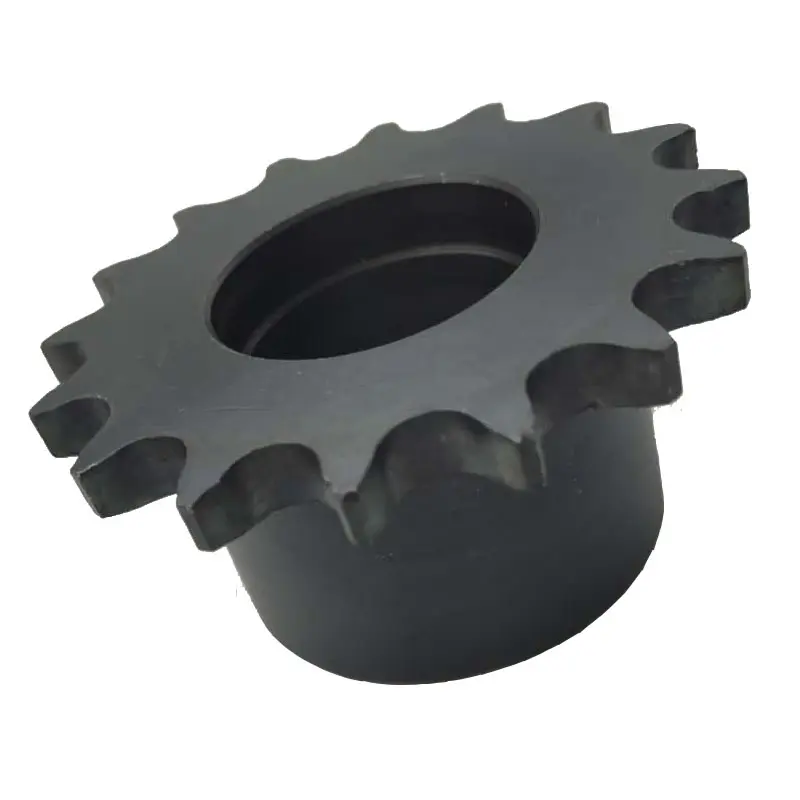
Compatibility of Chain Sprockets with Wheels
In general, chain sprockets are designed to work with specific types of wheels, and there are certain requirements for ensuring proper compatibility:
- Chain Size and Pitch: The chain sprocket must match the size and pitch of the chain it is intended to work with. For example, if you have a roller chain with a pitch of 0.625 inches, you need a sprocket with the same pitch to ensure a proper fit.
- Number of Teeth: The number of teeth on the sprocket should be compatible with the number of chain links. The chain should mesh smoothly with the sprocket without any binding or skipping.
- Tooth Profile: The tooth profile of the sprocket should match the shape of the chain’s rollers to ensure smooth engagement and minimize wear.
- Shaft Size: The center hole (bore) of the sprocket should match the diameter of the shaft it will be mounted on. Using the correct shaft size ensures a secure fit and prevents wobbling.
- Hub Configuration: Some sprockets have hubs, which are extensions on either side of the sprocket. The hub’s length and configuration should match the requirements of the specific application.
- Material and Strength: Consider the material and strength of the sprocket based on the application’s load and environmental conditions. Heavy-duty applications may require sprockets made of robust materials to withstand the forces and stresses.
It’s crucial to follow the manufacturer’s specifications and guidelines when selecting a chain sprocket for a particular wheel. Mixing incompatible sprockets and wheels can result in premature wear, inefficiencies, and potential safety hazards. If you are unsure about the compatibility, consult with the manufacturer or a knowledgeable expert to ensure you choose the right sprocket for your specific application.
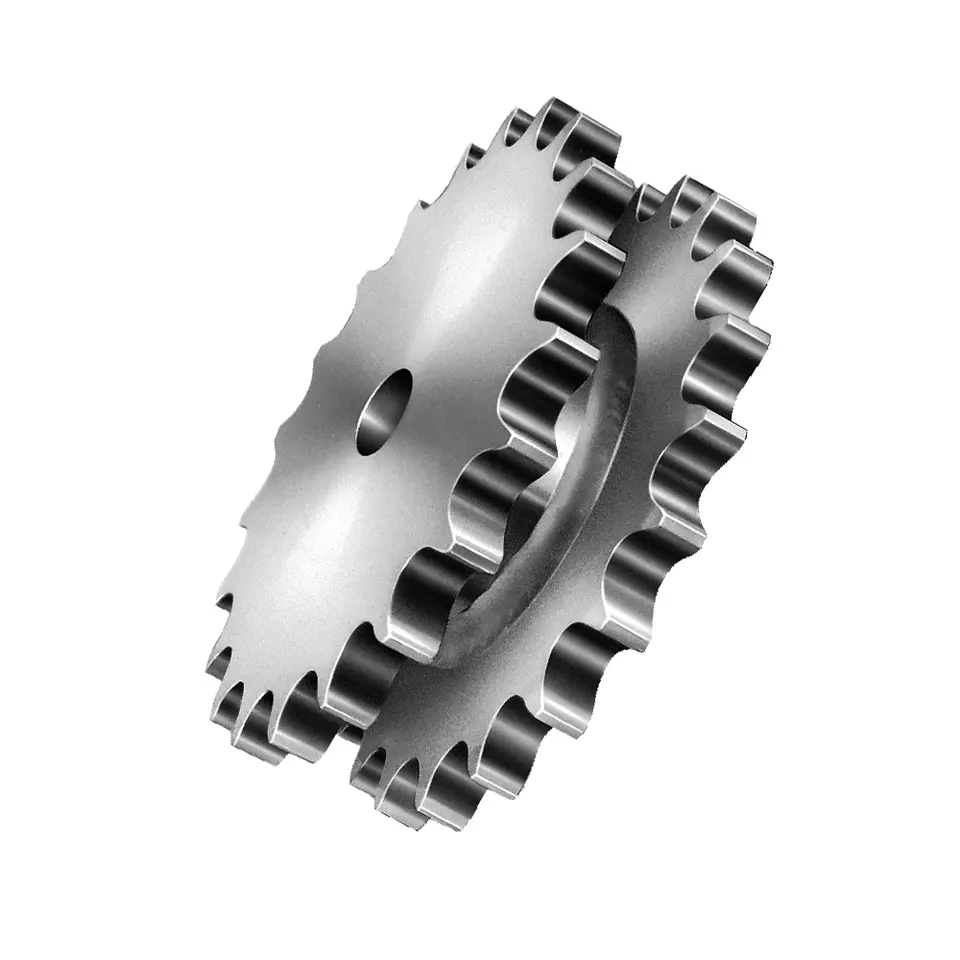
Temperature Limits for wheel sprocket System’s Operation
The temperature limits for a wheel sprocket system’s operation depend on the materials used in the construction of the components. Different materials have varying temperature tolerances, and exceeding these limits can lead to reduced performance, premature wear, and even system failure.
Here are some common materials used in wheel sprocket systems and their general temperature limits:
- Steel: Steel sprockets and wheels, which are widely used in many applications, typically have a temperature limit ranging from -40°C to 500°C (-40°F to 932°F). However, the specific temperature range may vary based on the grade of steel and any coatings or treatments applied.
- Stainless Steel: Stainless steel sprockets and wheels offer improved corrosion resistance and can withstand higher temperatures than regular steel. Their temperature limit is typically between -100°C to 600°C (-148°F to 1112°F).
- Plastics: Plastic sprockets and wheels are commonly used in low-load and low-speed applications. The temperature limit for plastic components varies widely depending on the type of plastic used. In general, it can range from -40°C to 150°C (-40°F to 302°F).
- Aluminum: Aluminum sprockets and wheels have a temperature limit of approximately -40°C to 250°C (-40°F to 482°F). They are often used in applications where weight reduction is critical.
It’s essential to consult the manufacturer’s specifications and material data sheets for the specific components used in the wheel sprocket system to determine their temperature limits accurately. Factors such as load, speed, and environmental conditions can also influence the actual temperature tolerance of the system.
When operating a wheel sprocket system near its temperature limits, regular monitoring and maintenance are necessary to ensure the components’ integrity and overall system performance. If the application involves extreme temperatures beyond the typical limits of the materials, specialized high-temperature materials or cooling measures may be required to maintain reliable operation.
Các loại đĩa xích được sử dụng với bánh xe
Trong các hệ thống cơ khí, đĩa xích là những bánh răng có răng ăn khớp với xích hoặc dây đai để truyền chuyển động quay và công suất. Có nhiều loại đĩa xích được sử dụng với bánh xe, mỗi loại được thiết kế cho các ứng dụng cụ thể:
1. Nhông xích con lăn:
Đây là loại đĩa xích phổ biến nhất được sử dụng với bánh xe và được thiết kế để hoạt động với xích con lăn. Đĩa xích con lăn có răng khớp với hình dạng của các con lăn trên xích, đảm bảo sự ăn khớp trơn tru và giảm mài mòn cho cả đĩa xích và xích. Chúng được sử dụng rộng rãi trong xe đạp, xe máy và máy móc công nghiệp.
2. Nhông xích giảm tiếng ồn:
Còn được gọi là nhông xích răng ngược, những nhông xích này được thiết kế để hoạt động với xích giảm tiếng ồn. Xích giảm tiếng ồn là loại xích có răng chạy êm ái và trơn tru, lý tưởng cho các ứng dụng cần giảm tiếng ồn, chẳng hạn như hệ thống truyền động định thời trong động cơ và hệ thống ô tô.
3. Bánh răng truyền động đai cam:
Các bánh răng truyền động đai cam được sử dụng cùng với đai cam để đảm bảo sự đồng bộ chính xác giữa trục khuỷu và trục cam trong động cơ đốt trong. Chúng có các răng được thiết kế đặc biệt để phù hợp với hình dạng của đai cam, cho phép định thời chính xác và chuyển động trơn tru.
4. Bánh răng dẫn hướng:
Các bánh răng dẫn hướng được sử dụng để dẫn hướng và căng xích hoặc dây đai trong một hệ thống. Chúng không tự truyền lực nhưng đóng vai trò quan trọng trong việc duy trì độ căng và sự thẳng hàng thích hợp, điều cần thiết cho việc truyền tải năng lượng hiệu quả và ngăn ngừa hiện tượng chùng xích hoặc dây đai.
5. Nhông xích hàn:
Các loại nhông hàn được thiết kế để hàn trực tiếp vào moay ốc hoặc trục bánh xe, tạo ra sự gắn kết chắc chắn và vĩnh viễn. Chúng thường được sử dụng trong máy móc và thiết bị công nghiệp.
6. Nhông đơn kép:
Nhông kép đơn, còn được gọi là nhông đôi, có hai bộ răng trên cùng một thân nhông. Chúng được sử dụng khi cần dẫn động hai xích riêng biệt với cùng tốc độ và cùng tỷ số truyền nhông, thường thấy trong các ứng dụng tải nặng và hệ thống băng tải.
7. Nhông xích kiểu Taper-Lock:
Các bánh răng côn khóa được thiết kế với hình dạng côn và rãnh then để tạo ra kết nối chắc chắn và dễ dàng lắp đặt với trục. Chúng được sử dụng rộng rãi trong các hệ thống truyền động, nơi việc định vị và tháo bánh răng diễn ra thường xuyên.
Mỗi loại nhông xích được lựa chọn dựa trên các yêu cầu cụ thể của ứng dụng, loại xích hoặc dây đai, và các đặc tính hiệu suất mong muốn. Việc lựa chọn và bảo dưỡng nhông xích đúng cách là rất cần thiết để đảm bảo truyền tải điện năng hiệu quả và kéo dài tuổi thọ của toàn bộ hệ thống.


editor by CX 2023-10-06