Descrizione del prodotto
ZHangZhoug CZPT Machinery Co., Ltd
(DIN/ANSI/JIS Standard or made to drawing)
Product Description:
ZHangZhoug CZPT Machinery Co., Ltd. Is the vice chairman of chain Transmission Branch of China Machinery General parts Industry Association and a member of China chain Transmission Standardization Technical Committee.
Founded in 1954, mainly engaged in sprocket, gear, timing belt pulley, coupling production and sales, It is a large sprocket manufacturing enterprise in China, and it is also 1 of the largest standard sprocket manufacturers in the world at present. The product structure of the company has been developed from the single pattern of standard sprocket to non-standard transmission parts. Products are mainly sold in North America, South America, Europe, Africa and Japan, South Korea, the Middle East, Russia and Southeast Asia and other countries and regions, sales network all over the world.
The company has passed ISO 9002 quality assurance system certification for the first time in 1999, ISO9001: 2000 quality management system certification in 2003, ISO/TS16949 quality management system certification for the first time in 2009, ISO14001: 2004 environmental management system certification for the first time in 2571, ISO14001: 2015 environmental management system certification for 2017, and ISO9001: 2015 and IATF16949: 2016 quality management system certification for 2018. It lays a CZPT foundation for perfecting the internal management of the enterprise and opening up the external market.
The company adheres to the business philosophy of “Quality is life, technology is physique, delivery is moral, quantity is credit, service is kindred, cost is lifetime”, implementing “innovation-driven, twinning integration” upgrading strategy, promoting chain transmission products to excellence, and making every effort to create “harmonious cenfit, good quality cenfit, hundred years of cenfit”
| Standard Or Nonstandard: | Standard |
|---|---|
| Applicazione: | Motor, Machinery, Agricultural Machinery, Car |
| Hardness: | Soft Tooth Surface |
| Manufacturing Method: | Rolling Gear |
| Toothed Portion Shape: | Spur Gear |
| Materiale: | C45 |
| Personalizzazione: |
Disponibile
| Richiesta personalizzata |
|---|
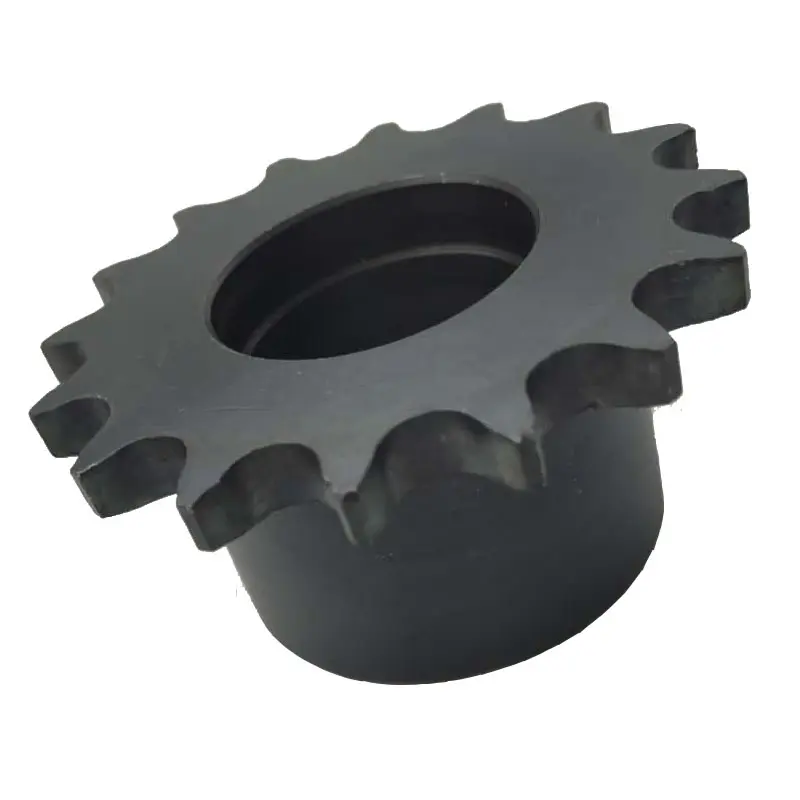
Compatibility of Chain Sprockets with Wheels
In general, chain sprockets are designed to work with specific types of wheels, and there are certain requirements for ensuring proper compatibility:
- Chain Size and Pitch: The chain sprocket must match the size and pitch of the chain it is intended to work with. For example, if you have a roller chain with a pitch of 0.625 inches, you need a sprocket with the same pitch to ensure a proper fit.
- Number of Teeth: The number of teeth on the sprocket should be compatible with the number of chain links. The chain should mesh smoothly with the sprocket without any binding or skipping.
- Tooth Profile: The tooth profile of the sprocket should match the shape of the chain’s rollers to ensure smooth engagement and minimize wear.
- Shaft Size: The center hole (bore) of the sprocket should match the diameter of the shaft it will be mounted on. Using the correct shaft size ensures a secure fit and prevents wobbling.
- Hub Configuration: Some sprockets have hubs, which are extensions on either side of the sprocket. The hub’s length and configuration should match the requirements of the specific application.
- Material and Strength: Consider the material and strength of the sprocket based on the application’s load and environmental conditions. Heavy-duty applications may require sprockets made of robust materials to withstand the forces and stresses.
It’s crucial to follow the manufacturer’s specifications and guidelines when selecting a chain sprocket for a particular wheel. Mixing incompatible sprockets and wheels can result in premature wear, inefficiencies, and potential safety hazards. If you are unsure about the compatibility, consult with the manufacturer or a knowledgeable expert to ensure you choose the right sprocket for your specific application.
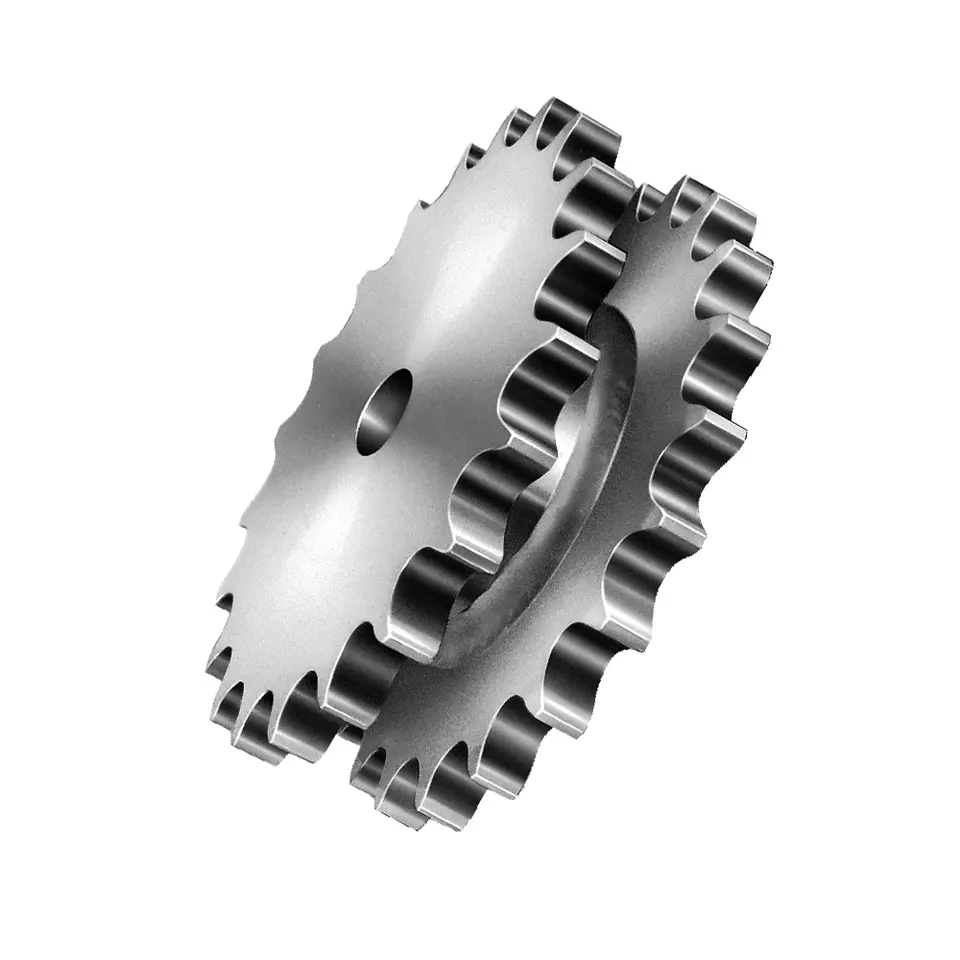
Temperature Limits for wheel sprocket System’s Operation
The temperature limits for a wheel sprocket system’s operation depend on the materials used in the construction of the components. Different materials have varying temperature tolerances, and exceeding these limits can lead to reduced performance, premature wear, and even system failure.
Here are some common materials used in wheel sprocket systems and their general temperature limits:
- Steel: Steel sprockets and wheels, which are widely used in many applications, typically have a temperature limit ranging from -40°C to 500°C (-40°F to 932°F). However, the specific temperature range may vary based on the grade of steel and any coatings or treatments applied.
- Stainless Steel: Stainless steel sprockets and wheels offer improved corrosion resistance and can withstand higher temperatures than regular steel. Their temperature limit is typically between -100°C to 600°C (-148°F to 1112°F).
- Plastics: Plastic sprockets and wheels are commonly used in low-load and low-speed applications. The temperature limit for plastic components varies widely depending on the type of plastic used. In general, it can range from -40°C to 150°C (-40°F to 302°F).
- Aluminum: Aluminum sprockets and wheels have a temperature limit of approximately -40°C to 250°C (-40°F to 482°F). They are often used in applications where weight reduction is critical.
It’s essential to consult the manufacturer’s specifications and material data sheets for the specific components used in the wheel sprocket system to determine their temperature limits accurately. Factors such as load, speed, and environmental conditions can also influence the actual temperature tolerance of the system.
When operating a wheel sprocket system near its temperature limits, regular monitoring and maintenance are necessary to ensure the components’ integrity and overall system performance. If the application involves extreme temperatures beyond the typical limits of the materials, specialized high-temperature materials or cooling measures may be required to maintain reliable operation.
Tipi di pignoni utilizzati con le ruote
Nei sistemi meccanici, le ruote dentate sono ingranaggi che si ingranano con una catena o una cinghia per trasmettere il movimento rotatorio e la potenza. Esistono diversi tipi di ruote dentate utilizzate con le ruote, ciascuna progettata per applicazioni specifiche:
1. Pignoni a catena a rulli:
Questi sono i tipi più comuni di pignoni utilizzati con le ruote e sono progettati per funzionare con catene a rulli. I pignoni per catene a rulli hanno denti che corrispondono al profilo dei rulli della catena, garantendo un innesto fluido e riducendo l'usura sia del pignone che della catena. Sono ampiamente utilizzati in biciclette, motociclette e macchinari industriali.
2. Pignoni a catena silenziosi:
Conosciute anche come ruote dentate a denti invertiti, queste ruote sono progettate per funzionare con catene silenziose. Le catene silenziose sono catene dentate che funzionano in modo silenzioso e fluido, risultando ideali per applicazioni in cui la riduzione del rumore è essenziale, come ad esempio nei sistemi di distribuzione di motori e automobili.
3. Pignoni della cinghia di distribuzione:
Le ruote dentate della cinghia di distribuzione vengono utilizzate con le cinghie di distribuzione per garantire una precisa sincronizzazione tra l'albero motore e l'albero a camme nei motori a combustione interna. Sono dotate di denti appositamente progettati per adattarsi al profilo della cinghia di distribuzione, consentendo una fasatura precisa e un movimento fluido.
4. Pignoni folli:
Le ruote folli vengono utilizzate per guidare e tendere catene o cinghie in un sistema. Non trasmettono direttamente potenza, ma svolgono un ruolo cruciale nel mantenere la corretta tensione e l'allineamento, elementi essenziali per una trasmissione efficiente della potenza e per evitare l'allentamento di catene o cinghie.
5. Pignoni da saldare:
Le ruote dentate da saldare sono progettate per essere saldate direttamente sul mozzo o sull'albero di una ruota, garantendo un fissaggio sicuro e permanente. Sono comunemente utilizzate in macchinari e attrezzature industriali.
6. Pignoni doppi-singoli:
Le ruote dentate doppie, note anche come ruote dentate duplex, presentano due serie di denti su un unico corpo. Vengono utilizzate quando è necessario azionare due catene separate alla stessa velocità e con lo stesso rapporto di trasmissione, come spesso accade nelle applicazioni gravose e nei sistemi di trasporto.
7. Pignoni conici:
Le ruote dentate coniche sono progettate con una conicità e una scanalatura per chiavetta che garantiscono un collegamento sicuro e facile da installare all'albero. Sono ampiamente utilizzate nei sistemi di trasmissione di potenza, dove il posizionamento e la rimozione delle ruote dentate sono frequenti.
Ogni tipo di pignone viene selezionato in base ai requisiti specifici dell'applicazione, al tipo di catena o cinghia e alle caratteristiche prestazionali desiderate. Una corretta selezione e manutenzione dei pignoni è essenziale per garantire un'efficiente trasmissione di potenza e prolungare la durata dell'intero sistema.


editor by CX 2023-10-06