مصنوعات کی تفصیل
Customized chain sprocket for agricultural machinery by China manufacturer
20 سال سے زیادہ کے تجربے، اعلیٰ درستگی کے آلات اور سخت انتظامی نظام کے ساتھ، CZPT آپ کو مستحکم معیار اور بہترین سروس کے ساتھ سپروکیٹس، گیئرز، شافٹ، فلینجز اور متعلقہ ٹرانسمیشن پارٹس فراہم کر سکتا ہے۔
Q1: کوٹیشن کے لئے کون سی معلومات کی بہت تعریف کی جائے گی؟
A: اس کو ترجیح دی جائے گی اگر آپ ہمیں ڈرائنگ، ہیٹ ٹریٹمنٹ اور سطح کے علاج کی ضروریات، مطلوبہ مقدار، حوالہ شدہ کرنسی (USD یا EUR) یا نمونے پیش کر سکتے ہیں۔
Q2: کیا آپ تجارتی کمپنی یا فیکٹری ہیں؟
A: CZPT ایک فیکٹری ہے جو HangZhou، ZheJiang میں واقع ہے۔
Q3: آپ کی ادائیگی کی شرائط کیا ہیں؟
A: T/T 50% پیشگی، اور 50% شپمنٹ سے پہلے۔ بیلنس کی ادائیگی سے پہلے ہم آپ کو پروڈکٹس اور پیکجز کی تصاویر دکھائیں گے۔
Q4: کیا آپ ترسیل سے پہلے اپنے تمام سامان کی جانچ کرتے ہیں؟
A: جی ہاں، CZPT نے کوالٹی مینجمنٹ کا سخت نظام اپنایا ہے اور تمام اشیاء کا معائنہ انسپکشن ہدایات کے مطابق کیا جائے گا جس کے اچھے انسپکشن ریکارڈ ہیں۔
Q5: کیا کوئی ایسا صارف ہے جس نے آپ کے کوالٹی مینجمنٹ سسٹم کا اندازہ لگایا ہو؟
A:جی ہاں، CZPT نے بہت سے صارفین کا آڈٹ پاس کیا ہے، جیسے مٹسوبشی، CLAAS، Kardex وغیرہ۔
Q6: آپ کی کمپنی خام مال کے معیار کو کیسے یقینی بناتی ہے؟
A: سٹیل ہماری گھریلو CZPT سٹیل ملز سے خریدے جاتے ہیں۔ خام مال حاصل کرنے کے بعد جرمنی سے درآمد شدہ سپیکٹروگراف کے ذریعے سٹیل کا معائنہ کیا جائے گا۔ اس کے علاوہ، اسٹیل کے CZPT نمبر کو ہمارے ERP سسٹم میں اچھی طرح سے منظم کیا جائے گا تاکہ ہماری مصنوعات کی شناخت کو یقینی بنایا جا سکے۔
Q7: آپ مصنوعات کے اعلی معیار کو کیسے یقینی بناتے ہیں؟
A: انٹیگرل مینوفیکچرنگ کے عمل، سخت کوالٹی کنٹرول سسٹم اور درآمد شدہ مشینوں کے ساتھ، ہم اعلیٰ معیار کی مصنوعات تیار کر سکتے ہیں۔
Q8: آپ کی ترسیل کی شرائط کیا ہیں؟
A: EXW، FOB ZheJiang.
Q9: آپ کے لیڈ ٹائم کے بارے میں کیا خیال ہے؟
A: عام طور پر آپ کی پیشگی ادائیگی حاصل کرنے کے بعد 45 دن لگیں گے۔ مخصوص لیڈ ٹائم آئٹمز اور آپ کے آرڈر کی مقدار پر منحصر ہے۔
/* جنوری 22، 2571 19:08:37 */!function(){function s(e,r){var a,o={};کوشش کریں{e&e.split(“,”).forEach(function(e,t){e&&(a=e.match(/(.*?):/.*)&T14)
| معیاری یا غیر معیاری: | معیاری |
|---|---|
| درخواست: | موٹر، موٹر سائیکل، مشینری، زرعی مشینری، کار |
| سختی: | سخت دانت کی سطح |
| مینوفیکچرنگ کا طریقہ: | جعل سازی کے حصے |
| مواد: | Carbon Steel |
| Teeth: | 9t-120t |
| نمونے: |
US$ 9.99/ٹکڑا
1 ٹکڑا (کم سے کم آرڈر) | |
|---|
| حسب ضرورت: |
دستیاب ہے۔
| اپنی مرضی کے مطابق درخواست |
|---|

وہیل سپروکیٹ سیٹ اپ کی کارکردگی کو متاثر کرنے والے عوامل
پاور ٹرانسمیشن اور موشن کنٹرول ایپلی کیشنز میں وہیل سپروکیٹ سسٹم کی کارکردگی کو کئی عوامل متاثر کر سکتے ہیں۔ نظام کی مجموعی تاثیر اور کارکردگی کو یقینی بنانے کے لیے ان عوامل پر غور و فکر اور اصلاح کی جانی چاہیے:
- 1. رگڑ: وہیل، سپروکیٹ، اور چین یا بیلٹ کے درمیان رگڑ توانائی کے نقصان کا باعث بن سکتی ہے۔ اعلیٰ معیار کے مواد اور چکنا کرنے سے رگڑ کو کم کرنے اور کارکردگی کو بہتر بنانے میں مدد مل سکتی ہے۔
- 2. صف بندی: وہیل اور سپروکیٹ کے درمیان مناسب سیدھ بہت اہم ہے۔ غلط ترتیب پہننے، شور اور کارکردگی میں کمی کا سبب بن سکتی ہے۔ باقاعدگی سے دیکھ بھال اور سیدھ کی جانچ ضروری ہے۔
- 3. تناؤ: چین یا بیلٹ میں درست تناؤ موثر پاور ٹرانسمیشن کے لیے بہت ضروری ہے۔ بہت زیادہ ڈھیلا یا بہت تنگ تناؤ کارکردگی کے مسائل اور وقت سے پہلے پہننے کا باعث بن سکتا ہے۔
- 4. مواد اور ڈیزائن: وہیل سپروکیٹ کے لیے مواد کا انتخاب، نیز ان کا ڈیزائن، کارکردگی کو متاثر کر سکتا ہے۔ اعلیٰ معیار کا مواد اور اچھی طرح سے انجنیئر شدہ اجزاء لباس کو کم کرتے ہیں اور نظام کی مجموعی کارکردگی کو بہتر بناتے ہیں۔
- 5. لوڈ کی تقسیم: وہیل سپروکیٹ میں لوڈ کی غیر مساوی تقسیم مقامی لباس اور کارکردگی میں کمی کا باعث بن سکتی ہے۔ لوڈ کی مناسب تقسیم کو یقینی بنانے سے یکساں لباس اور بجلی کی ترسیل کو برقرار رکھنے میں مدد ملتی ہے۔
- 6. ماحولیاتی عوامل: سخت ماحولیاتی حالات، جیسے دھول، نمی، اور انتہائی درجہ حرارت، نظام کی کارکردگی کو متاثر کر سکتے ہیں۔ مناسب مواد کا انتخاب اور حفاظتی اقدامات کو نافذ کرنا ان اثرات کو کم کر سکتا ہے۔
- 7. دیکھ بھال: باقاعدگی سے دیکھ بھال، بشمول چکنا، معائنہ، اور پہنے ہوئے اجزاء کی بروقت تبدیلی، نظام کی طویل مدتی کارکردگی کے لیے بہت ضروری ہے۔
- 8. رفتار اور ٹارک: مناسب وہیل سپروکیٹ سائز اور تصریحات کا انتخاب کرتے وقت ایپلی کیشن کی آپریٹنگ رفتار اور ٹارک کی ضروریات پر غور کیا جانا چاہیے۔
- 9. چین یا بیلٹ کی قسم: مختلف قسم کی زنجیریں یا بیلٹ، جیسے رولر زنجیریں، خاموش زنجیریں، یا دانت والی بیلٹ، کی مختلف افادیت ہوتی ہے۔ مخصوص درخواست کے لیے صحیح قسم کا انتخاب بہت ضروری ہے۔
- 10. سسٹم انٹیگریشن: وہیل سپروکیٹ سسٹم کو مشینری کے دیگر اجزاء کے ساتھ درست طریقے سے مربوط کیا جانا چاہیے تاکہ ہموار آپریشن اور توانائی کے کم سے کم نقصانات کو یقینی بنایا جا سکے۔
ان عوامل پر غور کرنے اور بہتر بنانے سے، وہیل سپروکیٹ سسٹم کی کارکردگی کو بہتر بنانا ممکن ہے، جس سے توانائی کی کھپت میں کمی، ٹوٹ پھوٹ اور مجموعی طور پر بہتر کارکردگی ہوتی ہے۔
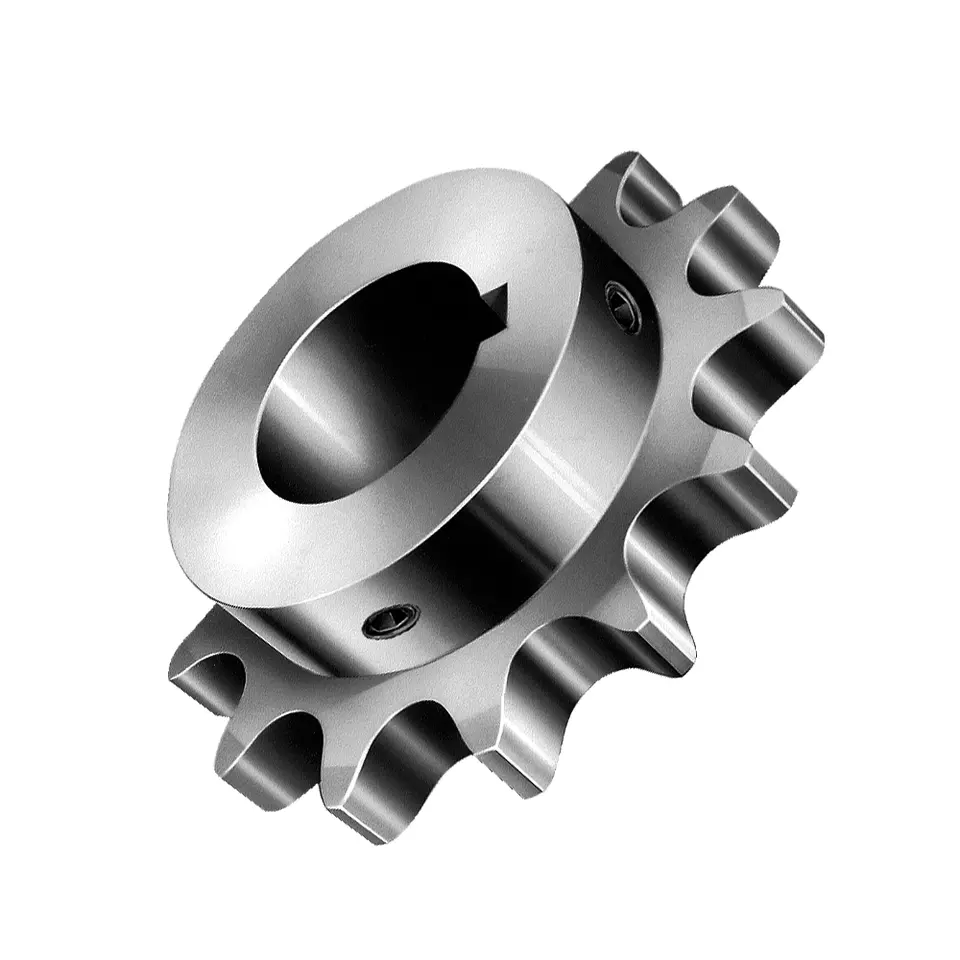
Choosing the Right Material for a Sprocket to Ensure Longevity
Choosing the right material for a sprocket is crucial to ensure its longevity and reliable performance in a given application. The material selection depends on various factors such as load, speed, operating environment, and budget. Here are some common materials used for sprockets and their considerations:
- Steel: Steel sprockets are widely used in a wide range of applications due to their excellent strength, durability, and wear resistance. They are suitable for heavy-duty and high-speed operations. Different grades of steel, such as carbon steel or alloy steel, offer varying levels of hardness and strength.
- Stainless Steel: Stainless steel sprockets are preferred when corrosion resistance is essential, making them suitable for applications where the sprocket is exposed to moisture, chemicals, or outdoor elements. They are commonly used in food processing, pharmaceutical, and marine industries.
- Cast Iron: Cast iron sprockets offer good wear resistance and are often used in low to medium-speed applications. They are cost-effective and provide excellent performance in less demanding conditions.
- Plastics: Plastic sprockets are lightweight and corrosion-resistant. They are commonly used in applications where low noise, self-lubrication, and resistance to chemicals or moisture are required. However, they have limited load-carrying capacity and may not be suitable for heavy-duty applications.
- Aluminum: Aluminum sprockets are lightweight and commonly used in applications where weight reduction is critical, such as aerospace and certain machinery. However, they are not as durable as steel sprockets and are not suitable for high loads or harsh environments.
When choosing the right material for a sprocket, consider the following:
- Load Capacity: Select a material that can handle the expected loads in the application without deforming or wearing excessively.
- Speed: Higher speeds may require materials with better heat dissipation and wear resistance.
- Environment: Consider factors such as moisture, chemicals, temperature, and outdoor exposure. Choose a material with suitable corrosion resistance and resilience to environmental conditions.
- Maintenance: Some materials may require more frequent maintenance or lubrication to ensure longevity.
- Cost: Balance the material’s performance with the budget constraints of the project.
It’s essential to consult with sprocket manufacturers or material experts to determine the most appropriate material for your specific application. They can provide valuable insights and recommendations based on your requirements, helping to ensure the longevity and optimal performance of the sprocket in your machinery or equipment.
Choosing the Right Size of Sprocket to Match a Wheel
Choosing the correct size of sprocket to match a wheel is essential for ensuring efficient power transmission and proper functionality of a mechanical system. Here are the steps to help you choose the right size of sprocket:
1. Determine the Pitch Diameter of the Wheel:
Measure the diameter of the wheel from the center to the point where the teeth of the sprocket will engage with the wheel. This measurement is known as the pitch diameter of the wheel.
2. Identify the Desired Gear Ratio:
Determine the gear ratio you want to achieve for your application. The gear ratio is the ratio of the number of teeth on the sprocket to the number of teeth on the wheel and determines the speed and torque output.
3. Calculate the Number of Teeth on the Sprocket:
Once you have the pitch diameter of the wheel and the desired gear ratio, you can calculate the number of teeth on the sprocket using the formula:
Number of Teeth on Sprocket = (Desired Gear Ratio) * (Number of Teeth on Wheel)
4. Select a Standard Sprocket Size:
Based on the calculated number of teeth on the sprocket, choose a standard sprocket size that comes closest to the calculated value. Sprockets are available in various tooth counts, and you may need to choose the nearest size available.
5. Consider Chain Compatibility:
If you are using a chain drive system, ensure that the selected sprocket is compatible with the chain you plan to use. The chain pitch (distance between the centers of adjacent roller pins) should match the pitch of the sprocket.
6. Verify Center Distance:
Check that the center distance between the wheel and the sprocket is appropriate for your application. The center distance is the distance between the centers of the wheel and the sprocket and should be set to achieve the desired tension and alignment of the chain or belt.
7. Consider the Material and Tooth Profile:
Select a sprocket material suitable for your application, such as steel, stainless steel, or plastic, based on factors like load, environment, and operating conditions. Additionally, consider the tooth profile (standard or custom) to ensure smooth engagement with the chain or belt.
By following these steps and considering the specific requirements of your machinery and mechanical system, you can choose the right size of sprocket to match your wheel and achieve optimal performance and longevity of the system.


editor by Dream 2024-05-09