Opis produktu
Roller Chain Sprocket For Motorcycle Kit With Without Key ANSI 1/4 Pitch Lightweight Metric Idler Tooth 8speed Bike Freewheel Conveyor Electric Scooter Sprocket
Manufacturer of Sprocket, Chain sprockets, wheel and sprocket, drive sprocket, sprocket wheel, taper lock sprocket, gear sprocket, idle sprocket, motorcycle sprocket and stainless steel sprocket, can interchange and replace with martin size sprocket, jt size sprockets, did size chain sprocket and so on.
/* 22 stycznia 2571 19:08:37 */!function(){function s(e,r){var a,o={};try{e&&e.split(„”,).forEach(function(e,t){e&&(a=e.match(/(.*?):(.*)$/))&&1
| Standard Or Nonstandard: | Standard |
|---|---|
| Application: | Motor, Motorcycle, Machinery, Agricultural Machinery, Car |
| Hardness: | Hardened Tooth Surface |
| Manufacturing Method: | Rolling Gear |
| Toothed Portion Shape: | Spur Gear |
| Tworzywo: | Stainless Steel |
| Próbki: |
US$ 9999/Piece
1 sztuka (minimalne zamówienie) | |
|---|
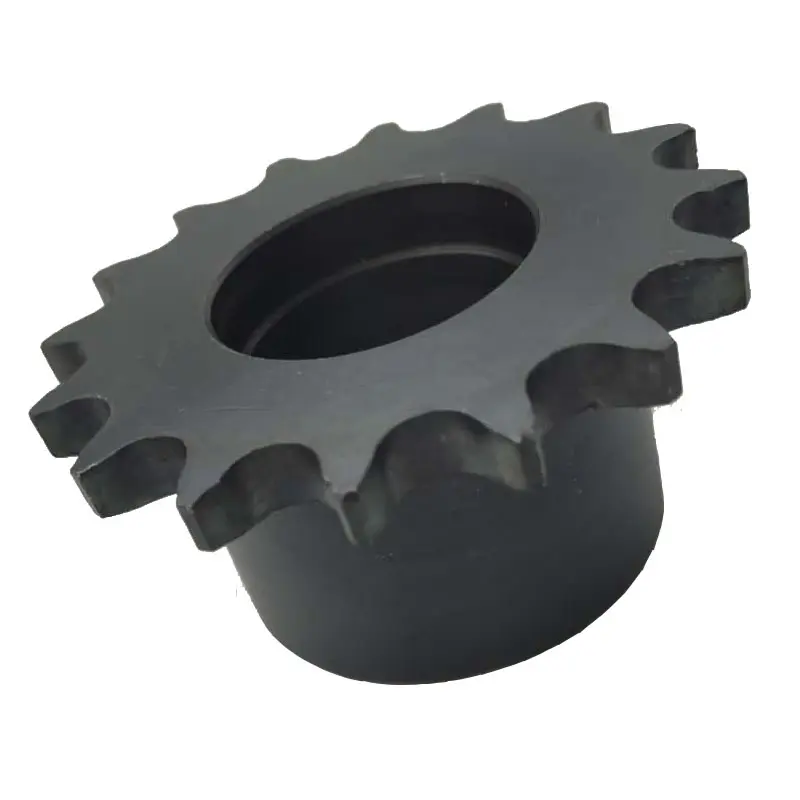
Compatibility of Chain Sprockets with Wheels
In general, chain sprockets are designed to work with specific types of wheels, and there are certain requirements for ensuring proper compatibility:
- Chain Size and Pitch: The chain sprocket must match the size and pitch of the chain it is intended to work with. For example, if you have a roller chain with a pitch of 0.625 inches, you need a sprocket with the same pitch to ensure a proper fit.
- Number of Teeth: The number of teeth on the sprocket should be compatible with the number of chain links. The chain should mesh smoothly with the sprocket without any binding or skipping.
- Tooth Profile: The tooth profile of the sprocket should match the shape of the chain’s rollers to ensure smooth engagement and minimize wear.
- Shaft Size: The center hole (bore) of the sprocket should match the diameter of the shaft it will be mounted on. Using the correct shaft size ensures a secure fit and prevents wobbling.
- Hub Configuration: Some sprockets have hubs, which are extensions on either side of the sprocket. The hub’s length and configuration should match the requirements of the specific application.
- Material and Strength: Consider the material and strength of the sprocket based on the application’s load and environmental conditions. Heavy-duty applications may require sprockets made of robust materials to withstand the forces and stresses.
It’s crucial to follow the manufacturer’s specifications and guidelines when selecting a chain sprocket for a particular wheel. Mixing incompatible sprockets and wheels can result in premature wear, inefficiencies, and potential safety hazards. If you are unsure about the compatibility, consult with the manufacturer or a knowledgeable expert to ensure you choose the right sprocket for your specific application.
Sprawdzanie zużycia koła zębatego
Regularna kontrola zębatki koła jest niezbędna, aby zapewnić jej prawidłowe działanie i zidentyfikować wszelkie oznaki zużycia. Oto kroki kontroli zębatki koła:
- Kontrola wizualna: Zacznij od wizualnej oceny zębatki koła zębatego pod kątem widocznych śladów zużycia, uszkodzeń lub odkształceń. Poszukaj pęknięć, odprysków, wgnieceń lub innych nierówności na powierzchni obu elementów.
- Sprawdź, czy nie ma rozbieżności: Sprawdź, czy koła zębate są prawidłowo ustawione względem siebie. Nieprawidłowe ustawienie może prowadzić do przyspieszonego zużycia i wpłynąć na ogólną wydajność układu.
- Zmierz zużycie: Za pomocą suwmiarki lub miernika zużycia zmierz profil zęba zębatki i powierzchnię toczną koła. Porównaj te pomiary z oryginalnymi specyfikacjami, aby określić, czy nastąpiło znaczne zużycie.
- Kontrola zębów i zazębienia łańcucha: Jeśli koło zębate jest częścią układu napędowego łańcucha, należy dokładnie sprawdzić zęby koła zębatego i zazębienie łańcucha. Zużyte lub wydłużone zęby mogą powodować słabe zazębienie łańcucha i prowadzić do jego przedwczesnej awarii.
- Smarowanie: Sprawdź smarowanie koła zębatego. Niedostateczne lub nadmierne smarowanie może powodować zwiększone tarcie, co prowadzi do zużycia i obniżenia wydajności.
- Stan łożyska: Jeśli koło jest zamontowane na wale z łożyskami, sprawdź łożyska pod kątem oznak zużycia, hałasu lub nierównego ruchu. Prawidłowo działające łożyska są kluczowe dla płynnej pracy układu.
- Sprawdź elementy montażowe: Upewnij się, że wszystkie nakrętki, śruby i inne elementy montażowe są solidnie dokręcone. Luźne elementy złączne mogą powodować wibracje i problemy z ustawieniem współosiowości.
- Sprawdź, czy nie ma zanieczyszczeń: Usuń wszelkie zanieczyszczenia, brud i ciała obce, które mogły nagromadzić się na kole lub zębatce. Zanieczyszczenia mogą przyspieszyć zużycie i uszkodzić podzespoły.
- Wymiana lub konserwacja: Na podstawie wyników inspekcji określ, czy jakiekolwiek części wymagają wymiany lub konserwacji. Niezwłocznie rozwiąż wszelkie problemy, aby zapobiec dalszym uszkodzeniom i utrzymać wydajność systemu.
Regularne kontrole i konserwacje mogą pomóc przedłużyć żywotność zespołu kół zębatych, zoptymalizować wydajność i zagwarantować bezpieczeństwo układu mechanicznego.
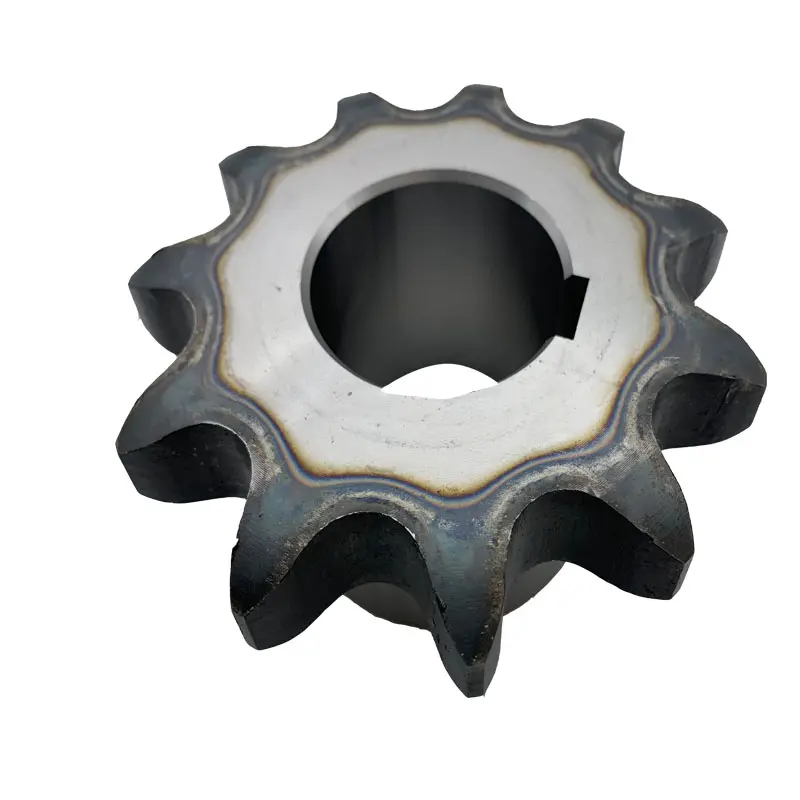
How Does a wheel sprocket Assembly Transmit Power?
In a mechanical system, a wheel sprocket assembly is a common method of power transmission, especially when dealing with rotary motion. The process of power transmission through a wheel sprocket assembly involves the following steps:
1. Input Source:
The power transmission process begins with an input source, such as an electric motor, engine, or human effort. This input source provides the necessary rotational force (torque) to drive the system.
2. Wheel Rotation:
When the input source applies rotational force to the wheel, it starts to rotate around its central axis (axle). The wheel’s design and material properties are essential to withstand the applied load and facilitate smooth rotation.
3. Sprocket Engagement:
Connected to the wheel is a sprocket, which is a toothed wheel designed to mesh with a chain. When the wheel rotates, the sprocket’s teeth engage with the links of the chain, creating a positive drive system.
4. Chain Rotation:
As the sprocket engages with the chain, the rotational force is transferred to the chain. The chain’s links transmit this rotational motion along its length.
5. Driven Component:
The other end of the chain is connected to a driven sprocket, which is attached to the component that needs to be powered or driven. This driven component could be another wheel, a conveyor belt, or any other machine part requiring motion.
6. Power Transmission:
As the chain rotates due to the engagement with the sprocket, the driven sprocket also starts to rotate, transferring the rotational force to the driven component. The driven component now receives the power and motion from the input source via the wheel, sprocket, and chain assembly.
7. Output and Operation:
The driven component performs its intended function based on the received power and motion. For example, in a bicycle, the chain and sprocket assembly transmit power from the rider’s pedaling to the rear wheel, propelling the bicycle forward.
Overall, a wheel sprocket assembly is an efficient and reliable method of power transmission, commonly used in various applications, including bicycles, motorcycles, industrial machinery, and conveyor systems.


editor by Dream 2024-05-03