Produktbeschreibung
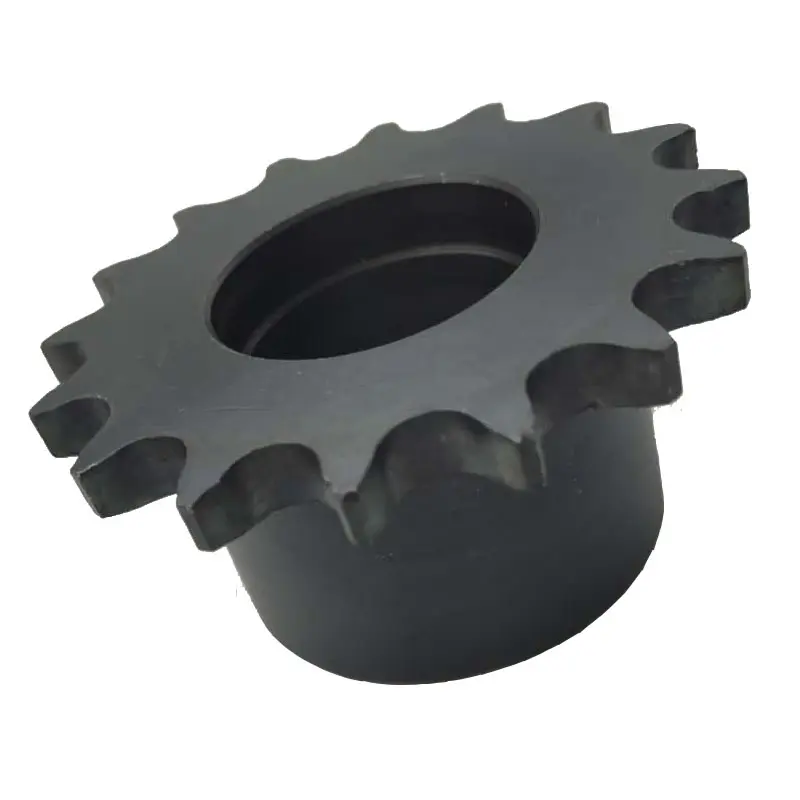
Roller Chain Sprocket For Motorcycle Kit With Without Key ANSI 1/4 Pitch Lightweight Metric Idler Tooth 8speed Bike Freewheel Conveyor Electric Scooter Sprocket
Manufacturer of Sprocket, Chain sprockets, wheel and sprocket, drive sprocket, sprocket wheel, taper lock sprocket, gear sprocket, idle sprocket, motorcycle sprocket and stainless steel sprocket, can interchange and replace with martin size sprocket, jt size sprockets, did size chain sprocket and so on.
/* 22. Januar 2571 19:08:37 */!function(){function s(e,r){var a,o={};try{e&&e.split(“,”).forEach(function(e,t){e&&(a=e.match(/(.*?):(.*)$/))&&1
| Standard Or Nonstandard: | Standard |
|---|---|
| Anwendung: | Motor, Motorcycle, Machinery, Agricultural Machinery, Car |
| Hardness: | Hardened Tooth Surface |
| Manufacturing Method: | Rolling Gear |
| Toothed Portion Shape: | Spur Gear |
| Material: | Stainless Steel |
| Proben: |
US$ 9999/Piece
1 Stück (Mindestbestellmenge) | |
|---|
Kompatibilität von Kettenrädern mit Rädern
Im Allgemeinen sind Kettenräder für bestimmte Radtypen ausgelegt, und es gelten bestimmte Anforderungen, um die korrekte Kompatibilität zu gewährleisten:
- Kettengröße und Teilung: Das Kettenrad muss in Größe und Teilung zur Kette passen, mit der es verwendet werden soll. Beispielsweise benötigt man für eine Rollenkette mit einer Teilung von 0,625 Zoll ein Kettenrad mit derselben Teilung, um einen korrekten Sitz zu gewährleisten.
- Anzahl der Zähne: Die Zähnezahl des Kettenrads muss mit der Anzahl der Kettenglieder übereinstimmen. Die Kette muss reibungslos und ohne zu klemmen oder zu überspringen mit dem Kettenrad kämmen.
- Zahnprofil: Das Zahnprofil des Kettenrads sollte der Form der Kettenrollen entsprechen, um einen reibungslosen Eingriff zu gewährleisten und den Verschleiß zu minimieren.
- Schaftgröße: Die Mittelbohrung des Kettenrads muss dem Durchmesser der Welle entsprechen, auf der es montiert wird. Die Verwendung der richtigen Wellengröße gewährleistet einen sicheren Sitz und verhindert ein Wackeln.
- Hub-Konfiguration: Manche Kettenräder besitzen Naben, die als Verlängerungen an beiden Seiten des Kettenrads angebracht sind. Länge und Form der Nabe sollten den Anforderungen der jeweiligen Anwendung entsprechen.
- Material und Festigkeit: Berücksichtigen Sie Material und Festigkeit des Kettenrads entsprechend der Belastung und den Umgebungsbedingungen der Anwendung. Für Anwendungen mit hoher Beanspruchung können Kettenräder aus robusten Materialien erforderlich sein, um den auftretenden Kräften und Belastungen standzuhalten.
Bei der Auswahl eines Kettenrads für ein bestimmtes Rad ist es unerlässlich, die Spezifikationen und Richtlinien des Herstellers zu beachten. Die Kombination inkompatibler Kettenräder und Räder kann zu vorzeitigem Verschleiß, Leistungseinbußen und potenziellen Sicherheitsrisiken führen. Im Zweifelsfall bezüglich der Kompatibilität wenden Sie sich bitte an den Hersteller oder einen sachkundigen Experten, um das richtige Kettenrad für Ihre Anwendung auszuwählen.
Inspecting a wheel sprocket for Wear and Tear
Regular inspection of the wheel sprocket is essential to ensure their proper functioning and to identify any signs of wear and tear. Here are the steps to inspect a wheel sprocket:
- Visual Inspection: Start by visually examining the wheel sprocket for any visible signs of wear, damage, or deformation. Look for cracks, chips, dents, or any irregularities on the surface of both components.
- Check for Misalignment: Verify that the wheel sprocket are properly aligned with each other. Misalignment can lead to accelerated wear and affect the overall performance of the system.
- Measure Wear: Use calipers or a wear gauge to measure the sprocket’s tooth profile and the wheel’s rolling surface. Compare these measurements with the original specifications to determine if significant wear has occurred.
- Inspect Teeth and Chain Engagement: If the wheel sprocket are part of a chain drive system, closely examine the sprocket teeth and chain engagement. Worn or elongated teeth can cause poor chain engagement and lead to premature failure.
- Schmierung: Check the lubrication of the wheel sprocket. Insufficient or excessive lubrication can cause increased friction, leading to wear and reduced efficiency.
- Bearing Condition: If the wheel is mounted on a shaft with bearings, inspect the bearings for any signs of wear, noise, or rough movement. Properly functioning bearings are crucial for the smooth operation of the system.
- Inspect Mounting Hardware: Ensure that all nuts, bolts, and other mounting hardware are securely tightened. Loose fasteners can cause vibration and misalignment issues.
- Check for Contaminants: Remove any debris, dirt, or foreign particles that may have accumulated on the wheel or sprocket. Contaminants can accelerate wear and damage the components.
- Replacement or Maintenance: Based on the inspection results, determine if any parts need replacement or if maintenance is required. Address any issues promptly to prevent further damage and maintain the system’s performance.
Regularly scheduled inspections and maintenance can help prolong the lifespan of the wheel sprocket assembly, optimize performance, and ensure the safety of the mechanical system.
How Does a wheel sprocket Assembly Transmit Power?
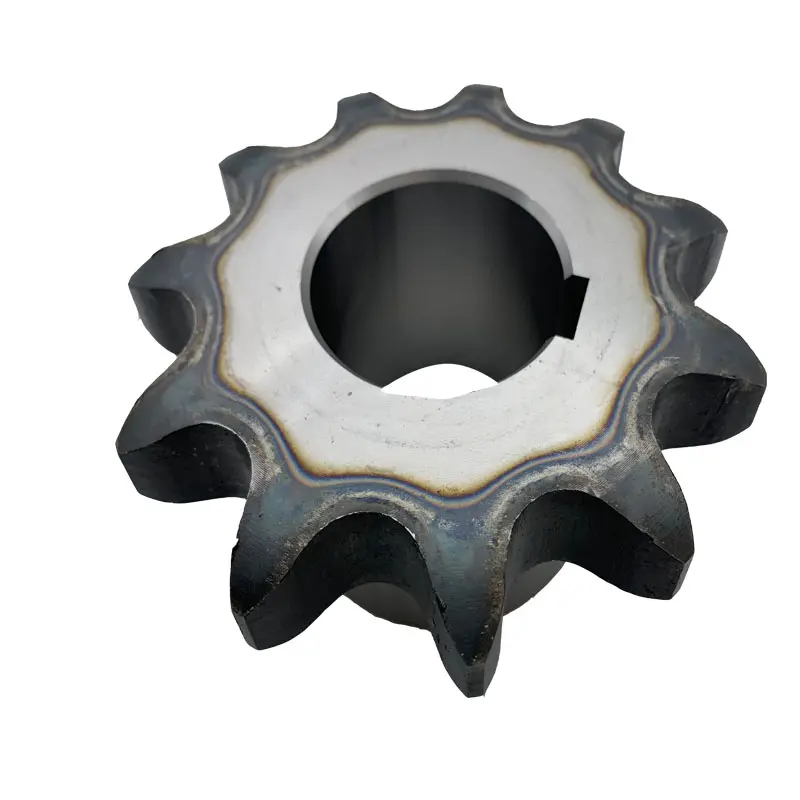
In a mechanical system, a wheel sprocket assembly is a common method of power transmission, especially when dealing with rotary motion. The process of power transmission through a wheel sprocket assembly involves the following steps:
1. Input Source:
The power transmission process begins with an input source, such as an electric motor, engine, or human effort. This input source provides the necessary rotational force (torque) to drive the system.
2. Wheel Rotation:
When the input source applies rotational force to the wheel, it starts to rotate around its central axis (axle). The wheel’s design and material properties are essential to withstand the applied load and facilitate smooth rotation.
3. Sprocket Engagement:
Connected to the wheel is a sprocket, which is a toothed wheel designed to mesh with a chain. When the wheel rotates, the sprocket’s teeth engage with the links of the chain, creating a positive drive system.
4. Chain Rotation:
As the sprocket engages with the chain, the rotational force is transferred to the chain. The chain’s links transmit this rotational motion along its length.
5. Driven Component:
The other end of the chain is connected to a driven sprocket, which is attached to the component that needs to be powered or driven. This driven component could be another wheel, a conveyor belt, or any other machine part requiring motion.
6. Power Transmission:
As the chain rotates due to the engagement with the sprocket, the driven sprocket also starts to rotate, transferring the rotational force to the driven component. The driven component now receives the power and motion from the input source via the wheel, sprocket, and chain assembly.
7. Output and Operation:
The driven component performs its intended function based on the received power and motion. For example, in a bicycle, the chain and sprocket assembly transmit power from the rider’s pedaling to the rear wheel, propelling the bicycle forward.
Overall, a wheel sprocket assembly is an efficient and reliable method of power transmission, commonly used in various applications, including bicycles, motorcycles, industrial machinery, and conveyor systems.


editor by Dream 2024-05-03