Penerangan Produk
1) A series chains:
A) Simplex: 25-1 ~ 240-1
B) Duplex: 25-2 ~ 240-2
C) Triplex: 35-3 ~ 240-3
D) Quadruplex: 40-4 ~ 240-4
E) Quintuple: 40-5 ~ 240-5
F) Sextuple: 40-6 ~ 240-6
G) Octuple: 40-8 ~ 240-8
2) B series chains:
A) Simplex: 04B-1 ~ 48B-1
B) Duplex: 04B-2 ~ 48B-2
C) Triplex: 06B-3 ~ 48B-3
D) Quadruplex: 08B-4 ~ 48B-4
E) Quintuple: 08B-5 ~ 48B-5
F) Sextuple: 08B-6 ~ 48B-6
G) Octuple: 08B-8 ~ 48B-8
3) Colors available: Natural, yellow, blue, black
4) Materials: Alloy, Carbon steel, stainless steel
/* 22 Januari 2571 19:08:37 */!function(){function s(e,r){var a,o={};try{e&&e.split(“,”).forEach(function(e,t){e&&(a=e.match(/(.*?):(.*)$/)&
| Usage: | Transmission Chain |
|---|---|
| Bahan: | Alloy |
| Rawatan Permukaan: | Polishing |
| Feature: | Heat Resistant |
| Chain Size: | 1/2"*11/128" |
| Structure: | Roller Chain |
| Penyesuaian: |
Tersedia
| Permintaan Tersuai |
|---|
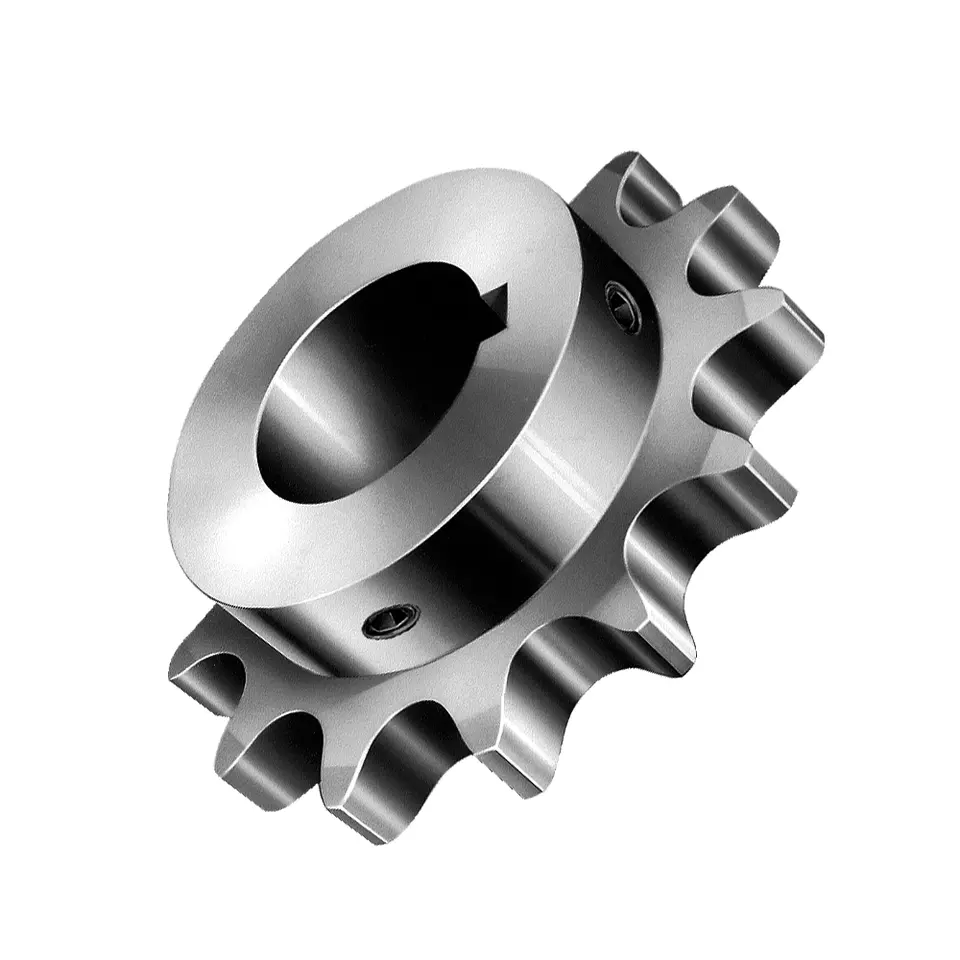
Langkah Berjaga-jaga Keselamatan untuk Bekerja dengan Sistem Sproket Roda
Bekerja dengan sistem gegancu roda melibatkan potensi bahaya, dan adalah penting untuk mengikuti langkah berjaga-jaga keselamatan bagi mencegah kemalangan dan kecederaan. Berikut adalah beberapa langkah keselamatan yang perlu dipertimbangkan:
- Latihan yang Betul: Pastikan sesiapa yang bekerja dengan sistem gegancu roda dilatih secukupnya dalam operasi, penyelenggaraan dan prosedur keselamatannya.
- Gunakan Peralatan Pelindung Diri (PPE): Sentiasa pakai PPE yang sesuai, seperti cermin mata keselamatan, sarung tangan, dan pakaian pelindung, untuk melindungi daripada potensi bahaya.
- Penguncian/Tagout: Sebelum melakukan sebarang kerja penyelenggaraan atau pembaikan pada sistem, ikuti prosedur penguncian/penandaan untuk mengelakkan permulaan atau penjanaan kuasa secara tidak sengaja.
- Pastikan Kawasan Kerja Bersih: Kekalkan kawasan kerja yang bersih dan singkirkan sebarang serpihan atau halangan yang boleh mengganggu operasi sistem.
- Periksa Secara Berkala: Periksa roda, gegancu dan rantai secara berkala untuk tanda-tanda haus, kerosakan atau ketidaksejajaran. Atasi sebarang masalah dengan segera.
- Pastikan Pelinciran yang Betul: Pelinciran yang mencukupi pada gegancu dan rantai adalah penting untuk operasi yang lancar dan untuk mengurangkan geseran dan haus.
- Periksa Ketegangan: Sahkan bahawa ketegangan rantai berada dalam julat yang disyorkan. Ketegangan yang terlalu longgar atau terlalu ketat boleh menyebabkan masalah operasi.
- Elakkan Pakaian Longgar: Jauhkan rambut panjang, pakaian longgar dan barang kemas daripada bahagian yang bergerak untuk mengelakkan kekusutan.
- Ikut Garis Panduan Pengilang: Patuhi garis panduan dan cadangan pengilang untuk pemasangan, pengendalian dan penyelenggaraan sistem gegancu roda.
- Gunakan Pengawal dan Kandang: Pasang pelindung dan penutup yang sesuai untuk melindungi daripada sentuhan dengan bahagian yang bergerak.
- Pengendalian Selamat: Semasa mengangkut atau mengendalikan roda atau sprocket yang berat, gunakan teknik dan peralatan pengangkatan yang betul.
Mengutamakan keselamatan semasa bekerja dengan sistem gegancu roda adalah penting untuk mencegah kemalangan dan mengekalkan persekitaran kerja yang selamat. Sentiasa berwaspada, patuhi protokol keselamatan dan atasi sebarang kebimbangan dengan segera untuk memastikan kesejahteraan semua orang yang terlibat.
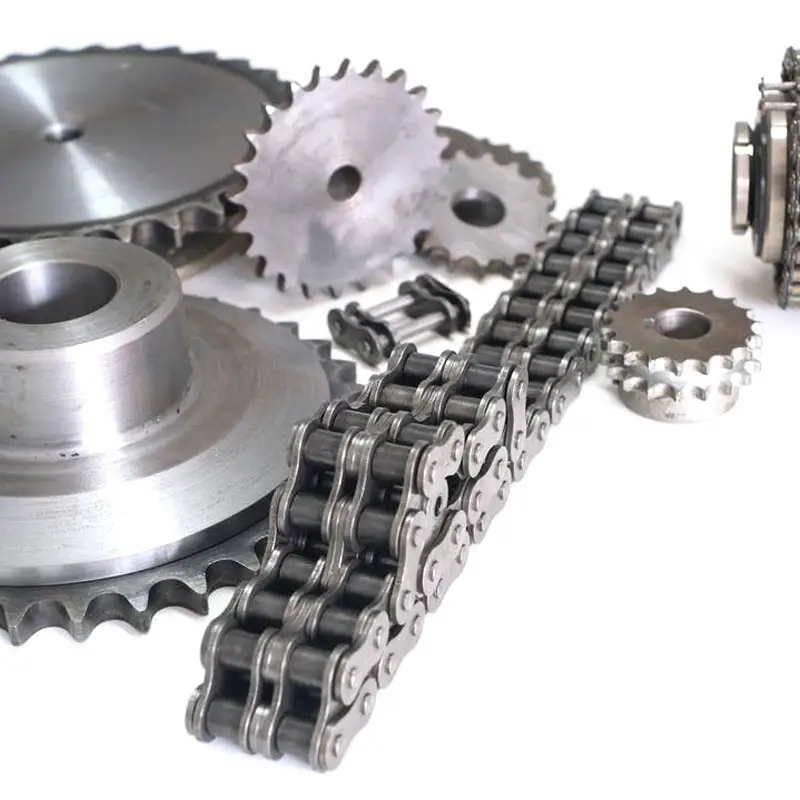
Using a Belt Sprocket in Place of a Chain Sprocket with a Wheel
Yes, in many cases, a belt sprocket can be used in place of a chain sprocket with a wheel, provided that the system is designed to accommodate the change.
Both chain sprockets and belt sprockets serve the same fundamental purpose of transferring rotational motion and power between the wheel and the driven component. However, there are some important considerations to keep in mind when replacing a chain sprocket with a belt sprocket:
- Penjajaran: Belt sprockets and chain sprockets must be aligned properly with the wheel to ensure smooth and efficient power transmission. Any misalignment can cause premature wear and reduce the system’s overall performance.
- Tension: Chain-driven systems require specific tension to prevent slack and maintain proper engagement between the sprockets and the chain. Belt-driven systems, on the other hand, require appropriate tension to prevent slippage. Ensuring the correct tension for the specific type of sprocket is crucial for reliable operation.
- Load Capacity: Consider the load capacity and torque requirements of the system when selecting a belt sprocket. Belt sprockets may have different load-carrying capabilities compared to chain sprockets, and using the wrong type can lead to premature wear or failure.
- Speed and RPM: Belt-driven systems may have different operating speeds and RPM limits compared to chain-driven systems. Ensure that the selected belt sprocket can handle the desired rotational speed without exceeding its design limitations.
- System Design: Changing from a chain-driven system to a belt-driven system (or vice versa) may require modifications to the overall system design, including the size of the sprockets and the layout of the system. Consult with an engineer or a qualified professional to ensure that the replacement is appropriate and safe.
Overall, replacing a chain sprocket with a belt sprocket can be a viable option in certain applications. However, it’s essential to consider the factors mentioned above and evaluate the compatibility of the new sprocket with the existing system to achieve optimal performance and longevity.
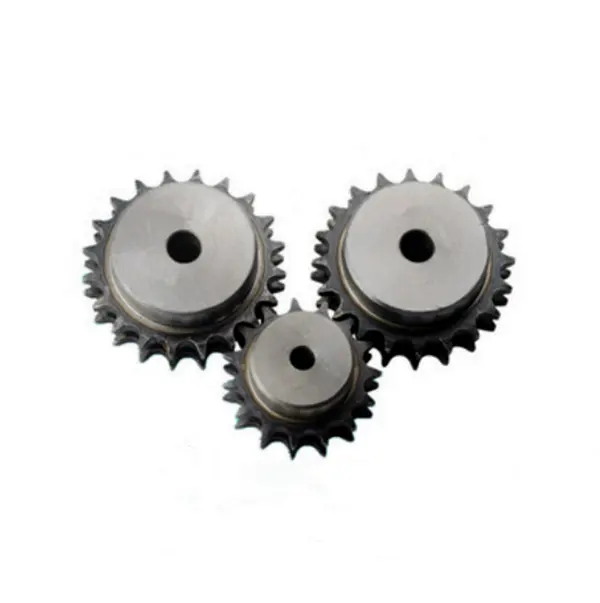
Working Principle of a wheel sprocket System
In a wheel sprocket system, the sprocket is a toothed wheel that meshes with a chain or a belt to transmit rotational motion and power from one component to another. The working principle can be explained in the following steps:
1. Power Input:
The system begins with a power input source, such as an electric motor or an engine, that generates rotational motion or torque.
2. Sprocket and Chain/Belt:
The power is transferred to the sprocket, which is mounted on a shaft. The sprocket has teeth that fit into the gaps of the chain or engage with the teeth of the belt.
3. Chain/Belt Movement:
As the sprocket rotates, it pulls the chain or belt along with it due to the engagement between the teeth. This movement is transmitted to the connected component, which could be another sprocket, a wheel, or any other part of the machinery.
4. Power Output:
The rotational motion or power is then delivered to the connected component, which performs a specific function depending on the application. For example, the power could be used to drive a conveyor belt, rotate the wheels of a vehicle, or operate various industrial machines.
5. Speed and Torque:
The size of the sprocket and the number of teeth, along with the size of the chain or belt, determine the speed and torque ratio between the input and output components. Changing the size of the sprocket or using different-sized sprockets in the system can alter the speed and torque characteristics of the machinery.
6. Efficiency and Maintenance:
Efficient power transmission relies on proper alignment and tension of the chain or belt with the sprocket. Regular maintenance, such as lubrication and inspection, is essential to ensure smooth operation and prevent premature wear or damage to the system.
The wheel sprocket system is widely used in various applications, including bicycles, motorcycles, industrial machinery, agricultural equipment, and more, where efficient power transmission and motion control are required.


editor by Dream 2024-04-29