Descripción del Producto
1) A series chains:
A) Simplex: 25-1 ~ 240-1
B) Duplex: 25-2 ~ 240-2
C) Triplex: 35-3 ~ 240-3
D) Quadruplex: 40-4 ~ 240-4
E) Quintuple: 40-5 ~ 240-5
F) Sextuple: 40-6 ~ 240-6
G) Octuple: 40-8 ~ 240-8
2) B series chains:
A) Simplex: 04B-1 ~ 48B-1
B) Duplex: 04B-2 ~ 48B-2
C) Triplex: 06B-3 ~ 48B-3
D) Quadruplex: 08B-4 ~ 48B-4
E) Quintuple: 08B-5 ~ 48B-5
F) Sextuple: 08B-6 ~ 48B-6
G) Octuple: 08B-8 ~ 48B-8
3) Colors available: Natural, yellow, blue, black
4) Materials: Alloy, Carbon steel, stainless steel
/* 22 de enero de 2571 19:08:37 */!function(){function s(e,r){var a,o={};try{e&&e.split(“”,).forEach(function(e,t){e&&(a=e.match(/(.*?):(.*)$/))&&1
| Usage: | Transmission Chain |
|---|---|
| Material: | Alloy |
| Surface Treatment: | Polishing |
| Feature: | Heat Resistant |
| Chain Size: | 1/2"*11/128" |
| Structure: | Roller Chain |
| Personalización: |
Disponible
| Solicitud personalizada |
|---|
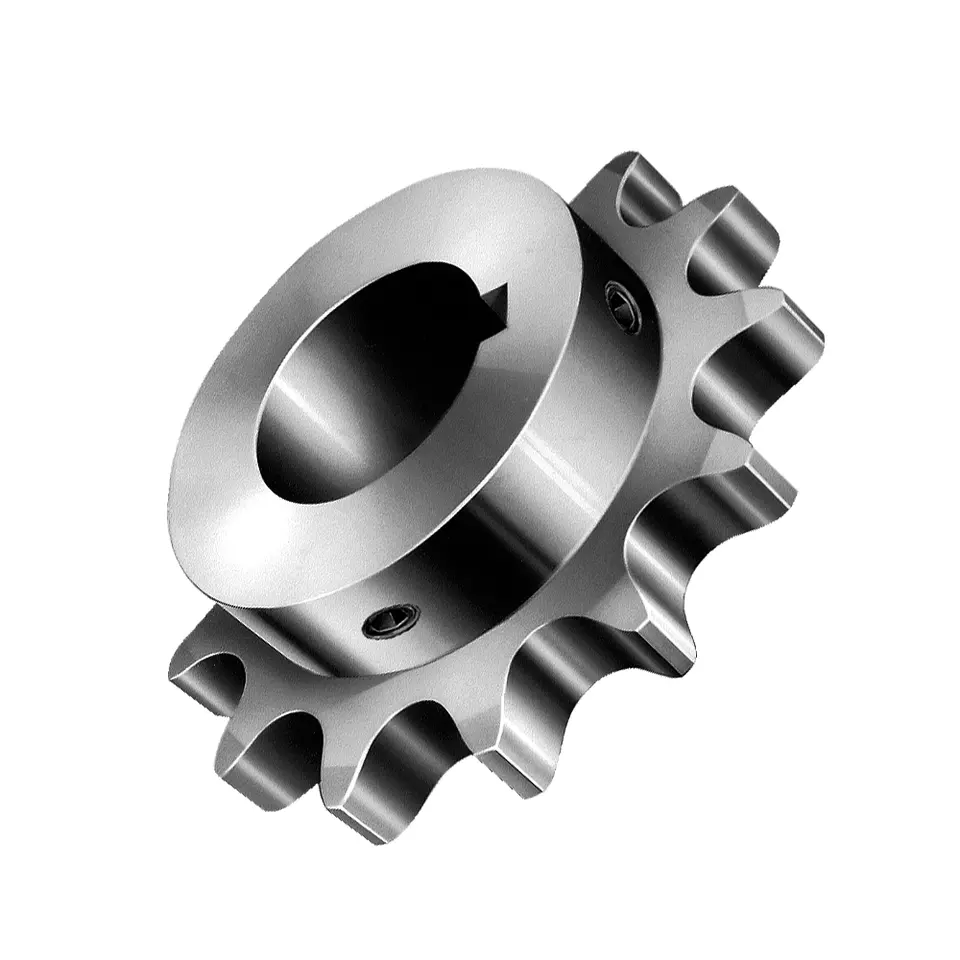
Safety Precautions for Working with wheel sprocket Systems
Working with wheel sprocket systems involves potential hazards, and it’s essential to follow safety precautions to prevent accidents and injuries. Here are some safety measures to consider:
- Proper Training: Ensure that anyone working with the wheel sprocket systems is adequately trained in their operation, maintenance, and safety procedures.
- Use Personal Protective Equipment (PPE): Always wear appropriate PPE, such as safety glasses, gloves, and protective clothing, to protect against potential hazards.
- Lockout/Tagout: Before performing any maintenance or repair work on the system, follow lockout/tagout procedures to prevent accidental startup or energization.
- Keep Work Area Clean: Maintain a clean work area and remove any debris or obstacles that could interfere with the operation of the system.
- Inspect Regularly: Regularly inspect the wheels, sprockets, and chains for signs of wear, damage, or misalignment. Address any issues promptly.
- Ensure Proper Lubrication: Adequate lubrication of the sprockets and chains is crucial for smooth operation and to reduce friction and wear.
- Check Tension: Verify that the chain tension is within the recommended range. Too loose or too tight tension can lead to operational problems.
- Avoid Loose Clothing: Keep long hair, loose clothing, and jewelry away from moving parts to avoid entanglement.
- Follow Manufacturer’s Guidelines: Adhere to the manufacturer’s guidelines and recommendations for installation, operation, and maintenance of the wheel sprocket system.
- Use Guards and Enclosures: Install appropriate guards and enclosures to protect against contact with moving parts.
- Safe Handling: When transporting or handling heavy wheels or sprockets, use proper lifting techniques and equipment.
Prioritizing safety when working with wheel sprocket systems is essential to prevent accidents and maintain a safe working environment. Always be vigilant, follow safety protocols, and address any concerns promptly to ensure the well-being of everyone involved.
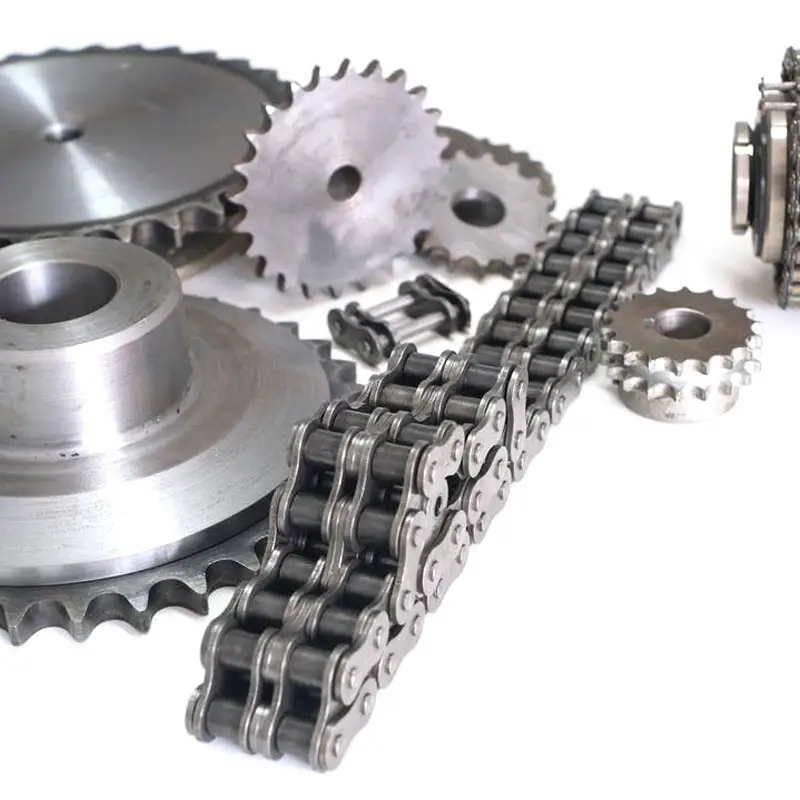
Uso de una rueda dentada de correa en lugar de una rueda dentada de cadena con una rueda
Sí, en muchos casos, se puede utilizar un piñón de correa en lugar de un piñón de cadena con una rueda, siempre que el sistema esté diseñado para adaptarse a dicho cambio.
Tanto los piñones de cadena como los de correa cumplen la misma función fundamental: transferir el movimiento de rotación y la potencia entre la rueda y el componente accionado. Sin embargo, existen algunas consideraciones importantes que se deben tener en cuenta al reemplazar un piñón de cadena por uno de correa:
- Alineación: Los piñones de correa y de cadena deben estar correctamente alineados con la rueda para garantizar una transmisión de potencia fluida y eficiente. Cualquier desalineación puede provocar un desgaste prematuro y reducir el rendimiento general del sistema.
- Tensión: Los sistemas de transmisión por cadena requieren una tensión específica para evitar holgura y mantener un acoplamiento adecuado entre los piñones y la cadena. Los sistemas de transmisión por correa, por otro lado, requieren la tensión apropiada para evitar deslizamientos. Asegurar la tensión correcta para cada tipo de piñón es fundamental para un funcionamiento fiable.
- Capacidad de carga: Al seleccionar un piñón de correa, tenga en cuenta la capacidad de carga y los requisitos de par del sistema. Los piñones de correa pueden tener capacidades de carga diferentes a las de los piñones de cadena, y usar el tipo incorrecto puede provocar un desgaste prematuro o una falla.
- Velocidad y RPM: Los sistemas de transmisión por correa pueden tener velocidades de funcionamiento y límites de RPM diferentes a los de los sistemas de transmisión por cadena. Asegúrese de que la rueda dentada seleccionada pueda soportar la velocidad de rotación deseada sin exceder sus límites de diseño.
- Diseño del sistema: El cambio de un sistema de transmisión por cadena a uno por correa (o viceversa) puede requerir modificaciones en el diseño general del sistema, incluyendo el tamaño de los piñones y la disposición del sistema. Consulte con un ingeniero o un profesional cualificado para garantizar que el reemplazo sea adecuado y seguro.
En general, sustituir un piñón de cadena por uno de correa puede ser una opción viable en ciertas aplicaciones. Sin embargo, es fundamental tener en cuenta los factores mencionados anteriormente y evaluar la compatibilidad del nuevo piñón con el sistema existente para lograr un rendimiento y una durabilidad óptimos.
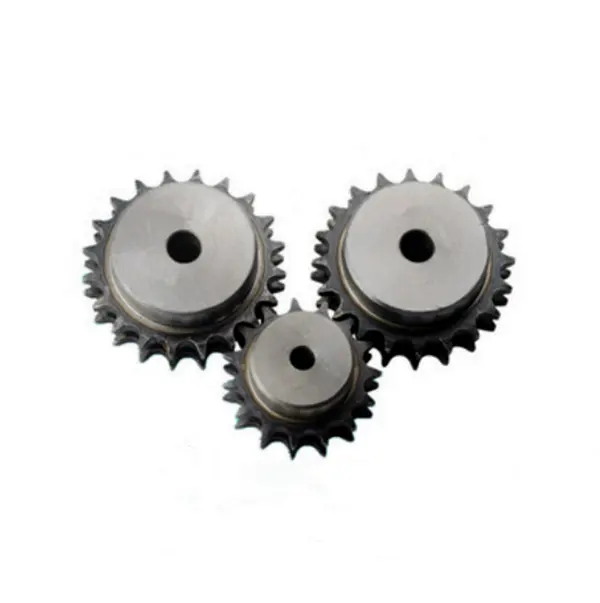
Working Principle of a wheel sprocket System
In a wheel sprocket system, the sprocket is a toothed wheel that meshes with a chain or a belt to transmit rotational motion and power from one component to another. The working principle can be explained in the following steps:
1. Power Input:
The system begins with a power input source, such as an electric motor or an engine, that generates rotational motion or torque.
2. Sprocket and Chain/Belt:
The power is transferred to the sprocket, which is mounted on a shaft. The sprocket has teeth that fit into the gaps of the chain or engage with the teeth of the belt.
3. Chain/Belt Movement:
As the sprocket rotates, it pulls the chain or belt along with it due to the engagement between the teeth. This movement is transmitted to the connected component, which could be another sprocket, a wheel, or any other part of the machinery.
4. Power Output:
The rotational motion or power is then delivered to the connected component, which performs a specific function depending on the application. For example, the power could be used to drive a conveyor belt, rotate the wheels of a vehicle, or operate various industrial machines.
5. Speed and Torque:
The size of the sprocket and the number of teeth, along with the size of the chain or belt, determine the speed and torque ratio between the input and output components. Changing the size of the sprocket or using different-sized sprockets in the system can alter the speed and torque characteristics of the machinery.
6. Efficiency and Maintenance:
Efficient power transmission relies on proper alignment and tension of the chain or belt with the sprocket. Regular maintenance, such as lubrication and inspection, is essential to ensure smooth operation and prevent premature wear or damage to the system.
The wheel sprocket system is widely used in various applications, including bicycles, motorcycles, industrial machinery, agricultural equipment, and more, where efficient power transmission and motion control are required.


editor by Dream 2024-04-29