Descrizione del prodotto
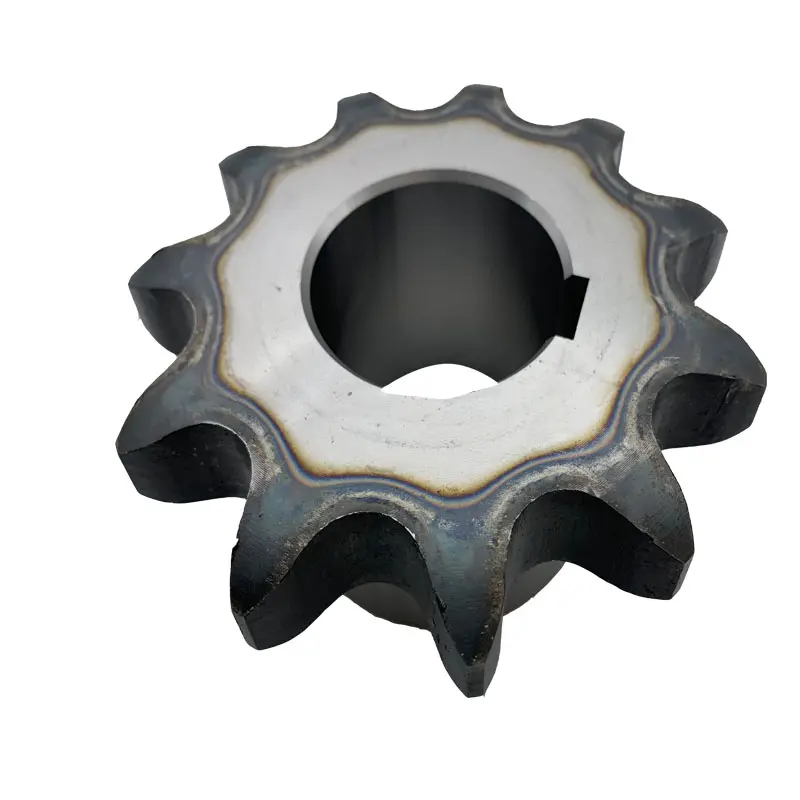
PC200 20y-27-11581 Excavator Parts Sprocket Wheel Chain Sprocket
|
Materiale |
40SiMnTi |
|
Finish |
Smooth |
|
Colors |
Black or yellow |
|
Technique |
Forging casting |
|
Durezza superficiale |
HRC52-58 |
|
Warranty time |
2000 hour |
|
Certification |
ISO9001-9002 |
|
FOB Price |
FOB HangZhou USD 200-2000/Piece |
|
MOQ |
2 piece |
|
Delivery Time |
Within 30 days after contract established |
| For ktsu | ||||||||
| PC20-7 | PC30 | PC30-3 | PC30-5 | PC30-6 | PC40-7 | PC45 | PC45-2 | PC55 |
| PC120-6 | PC130 | PC130-7 | PC200 | PC200-1 | PC200-3 | PC200-5 | PC200-6 | PC200-7 |
| PC200-8 | PC210-6 | PC220-1 | PC220-3 | PC220-6 | PC220-7 | PC220-8 | PC270-7 | PC202B |
| PC220LC-6 | PC220LC-8 | PC240 | PC300 | PC300-3 | PC300-5 | PC300-6 | PC300-7 | PC300-7K |
| PC300LC-7 | PC350-6/7 | PC400 | PC400-3 | PC400-5 | PC400-6 | PC400lc-7 | PC450-6 | PC450-7 |
| PC600 | PC650 | PC750 | PC800 | PC1100 | PC1250 | PC2000 | ||
| D20 | D31 | D50 | D60 | D61 | D61PX | D65A | D65P | D64P-12 |
| D80 | D85 | D155 | D275 | D355 | ||||
| For HITACHI | ||||||||
| EX40-1 | EX40-2 | EX55 | EX60 | EX60-2 | EX60-3 | EX60-5 | EX70 | EX75 |
| EX100 | EX110 | EX120 | EX120-1 | EX120-2 | EX120-3 | EX120-5 | EX130-1 | EX200-1 |
| EX200-2 | EX200-3 | EX200-5 | EX220-3 | EX220-5 | EX270 | EX300 | EX300-1 | EX300-2 |
| EX300-3 | EX300-5 | EX300A | EX330 | EX370 | EX400-1 | EX400-2 | EX400-3 | EX400-5 |
| EX450 | ZAX30 | ZAX55 | ZAX200 | ZAX200-2 | ZAX330 | ZAX450-1 | ZAX450-3 | ZAX450-5 |
| ZX110 | ZX120 | ZX200 | ZX200 | ZX200-1 | ZX200-3 | ZX200-5g | ZX200LC-3 | ZX210 |
| ZX210-3 | ZX210-3 | ZX210-5 | ZX225 | ZX240 | ZX250 | ZX270 | ZX30 | ZX330 |
| ZX330 | ZX350 | ZX330C | ZX450 | ZX50 | ||||
| For CAT | ||||||||
| E200B | E200-5 | E320D | E215 | E320DL | E324D | E324DL | E329DL | E300L |
| E320S | E320 | E320DL | E240 | E120-1 | E311 | E312B | E320BL | E345 |
| E324 | E140 | E300B | E330C | E120 | E70 | E322C | E322B | E325 |
| E325L | E330 | E450 | CAT225 | CAT312B | CAT315 | CAT320 | CAT320C | CAT320BL |
| CAT330 | CAT322 | CAT245 | CAT325 | CAT320L | CAT973 | |||
| D3 | D3C | D4 | D4D | D4H | D5M | D5H | D6 | D6D |
| D6M | D6R | D6T | D7 | D7H | D7R | D8 | D8N | D8R |
| D9R | D9N | D9G | D10 | |||||
| For Sumitomo | ||||||||
| SH120 | SH120-3 | SH200 | SH210-5 | SH200 | SH220-3 | SH220-5/7 | SH290-3 | SH350-5/7 |
| SH220 | SH280 | SH290-7 | SH260 | SH300 | SH300-3 | SH300-5 | SH350 | SH60 |
| SH430 | ||||||||
| For KOBELCO | ||||||||
| SK120-6 | SK120-5 | SK210-8 | SK210LC-8 | SK220 | SK220-1 | SK220-3 | SK220-5/6 | SK200 |
| SK200 | SK200 | SK200-3 | SK200-6 | SK200-8 | SK200-5/6 | SK60 | SK290 | SK100 |
| SK230 | SK250 | SK250-8 | SK260LC-8 | SK300 | SK300-2 | SK300-4 | SK310 | SK320 |
| SK330-8 | SK330 | SK350LC-8 | SK235SR | SK450 | SK480 | SK30-6 | ||
| For DAEWOO | ||||||||
| DH200 | DH220-3 | DH220 | DH220S | DH280-2 | DH280-3 | DH55 | DH258 | DH130 |
| DH370 | DH80 | DH500 | DH450 | /DH225 | ||||
| For HYUNDAI | ||||||||
| R60-5 | R60-7 | R60-7 | R80-7 | R200 | R200-3 | R210 | R210 | R210-9 |
| R210LC | R210LC-7 | R225 | R225-3 | R225-7 | R250 | R250-7 | R290 | R290LC |
| R290LC-7 | R320 | R360 | R954 | |||||
| For KATO | ||||||||
| HD512 | HD1430 | HD 512III | HD 820III | HD820R | HD1430III | HD700VII | HD 1250VII | HD250SE |
| HD400SE | HD550SE | HD1880 | ||||||
| For DOOSAN | ||||||||
| DX225 | DX225LCA | DX258 | DX300 | DX300LCA | DX420 | DX430 | ||
| For VOLVO | ||||||||
| EC160C | EC160D | EC180B | EC180C | EC180D | EC210 | EC210 | EC210B | EC240B |
| EC290 | EC290B | EC240 | EC55 | EC360 | EC360B | EC380D | EC460 | EC460B |
| EC460C | EC700 | EC140 | EC140B | EC160B | ||||
| After-sales Service: | Online Service |
|---|---|
| Warranty: | 12 Momths |
| Tipo: | Undercarriage Parts |
| Personalizzazione: |
Disponibile
| Richiesta personalizzata |
|---|
.shipping-cost-tm .tm-status-off{background: none;padding:0;color: #1470cc}
|
Costo di spedizione:
Costo stimato per unità. |
Informazioni sui costi di spedizione e sui tempi di consegna stimati. |
|---|
| Metodo di pagamento: |
|
|---|---|
|
Pagamento iniziale Pagamento completo |
| Valuta: | US$ |
|---|
| Resi e rimborsi: | È possibile richiedere un rimborso entro 30 giorni dalla ricezione dei prodotti. |
|---|
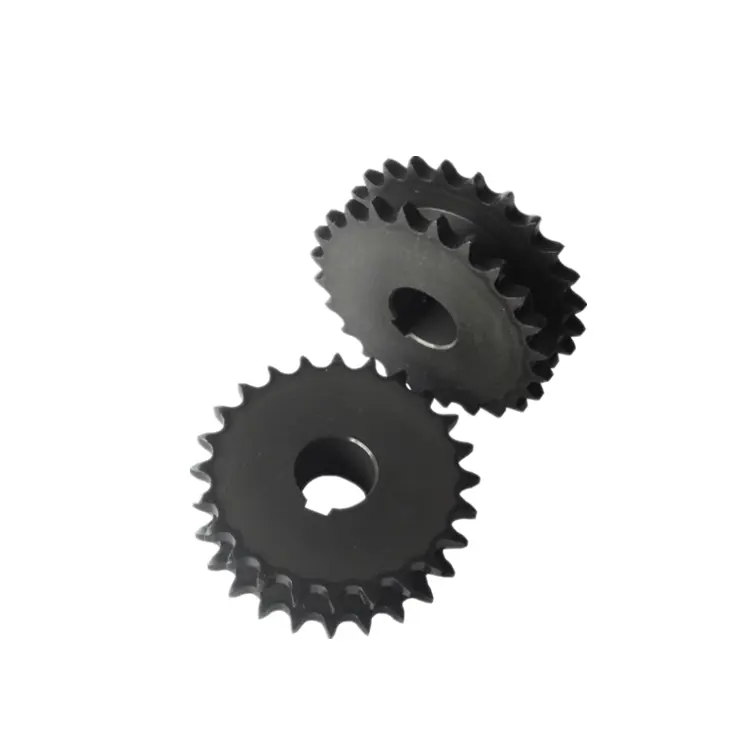
Alternatives to Chain Sprockets in wheel sprocket Configuration
While chain sprockets are commonly used in wheel sprocket configurations, there are alternative methods for power transmission in various applications:
- Gear and Gear Rack: Gears are toothed wheels that mesh with each other to transmit power. Instead of using a chain and sprocket, gears can directly engage with each other, offering a smooth and efficient power transfer. Gear racks, which are linear gears, can be used in place of wheels for linear motion applications.
- Belt and Pulley: Belts and pulleys offer a flexible and quiet means of power transmission. They work similarly to chain and sprocket systems but use belts instead of chains. Pulleys have grooves that grip the belt, allowing power to be transferred between the pulleys.
- Gear Train: A gear train consists of multiple gears meshed together to achieve specific speed and torque ratios. Gear trains are often used in complex machinery and mechanical systems where precise power transmission is required.
- Direct Drive: In some applications, direct drive mechanisms can be used, where the motor or power source is directly connected to the wheel or load without any intermediate components like sprockets or gears.
- Friction Drive: Friction drive systems use the friction between two surfaces to transfer power. One surface, such as a rubber wheel, is pressed against another surface to achieve power transmission.
The choice of alternative power transmission methods depends on various factors, including the application requirements, available space, speed, torque, and efficiency considerations. Each alternative method has its advantages and limitations, and the selection should be based on the specific needs of the mechanical system.
When considering alternatives to chain sprockets, it is essential to analyze the requirements of your application and consult with engineering experts or manufacturers to determine the most suitable method of power transmission for optimal performance and longevity.
Trasmissione verticale di potenza con sistema di pignoni
Sì, un sistema ruota-pignone può essere utilizzato per la trasmissione verticale di potenza. In questi casi, il sistema è progettato per trasmettere potenza e movimento tra alberi allineati verticalmente. La trasmissione verticale di potenza tramite un gruppo ruota-pignone segue principi simili alla trasmissione orizzontale, ma ci sono alcuni fattori da considerare:
- Carico e coppia: Nella trasmissione verticale di potenza, il peso del carico può influire significativamente sui requisiti di coppia. La coppia deve essere sufficiente a sollevare il carico vincendo la forza di gravità, tenendo conto dell'attrito e di altre forze resistive.
- Selezione del pignone: La scelta del pignone giusto è fondamentale per la trasmissione verticale. I denti del pignone devono essere progettati per ingranare efficacemente con la catena o la cinghia e prevenire lo slittamento, soprattutto durante il sollevamento di carichi pesanti.
- Lubrificazione: Una lubrificazione adeguata è essenziale per ridurre l'attrito e l'usura del sistema. Le applicazioni verticali possono richiedere lubrificanti specifici per garantire un funzionamento regolare e prevenire guasti prematuri.
- Tensione: Mantenere la corretta tensione della catena o della cinghia è fondamentale per la trasmissione verticale della potenza. Una tensione adeguata previene l'allentamento e garantisce un corretto innesto tra la catena e il pignone della ruota.
- Carico a sbalzo: Nelle configurazioni verticali, il peso del gruppo pignone-albero può imporre un carico a sbalzo sui cuscinetti. Un supporto adeguato e la corretta selezione dei cuscinetti sono necessari per gestire tale carico.
La trasmissione verticale di potenza tramite un sistema ruota-pignone è comunemente utilizzata in diverse applicazioni, tra cui sistemi di trasporto, ascensori e alcuni macchinari industriali. Una progettazione, un'installazione e una manutenzione adeguate sono essenziali per garantire un funzionamento sicuro ed efficiente nelle configurazioni verticali.
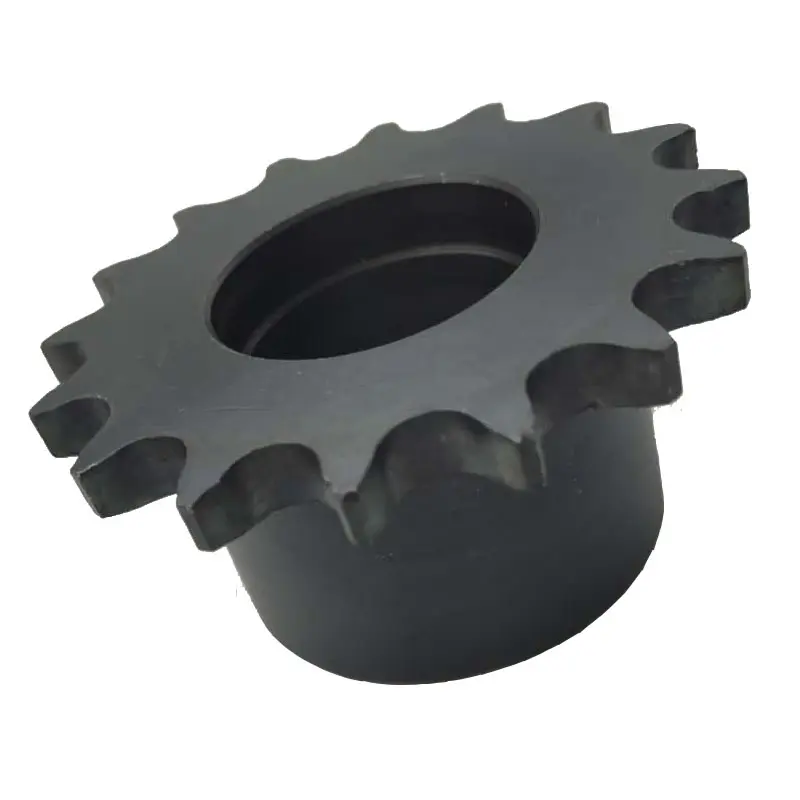
Role of a wheel sprocket in a Mechanical System
In a mechanical system, a wheel sprocket play a crucial role in transferring motion and power from one component to another. They are essential elements of various machines and mechanisms, such as bicycles, conveyor systems, automobiles, and industrial machinery. Let’s explore their functions in more detail:
1. Wheel:
The wheel is a circular component with a central shaft (axle) that allows it to rotate freely around the axle’s axis. Its primary functions include:
- Motion Transmission: When a force is applied to the wheel’s outer edge, it rotates around the axle, enabling the transfer of linear motion into rotational motion.
- Load Bearing: The wheel’s structure and material are designed to support and distribute the load placed on it, allowing smooth movement over various surfaces.
- Reduction of Friction: By using wheels, the friction between the moving object and the ground is significantly reduced, making it easier to move heavy loads with less effort.
- Directional Control: Wheels can be attached to steering mechanisms to control the direction of movement in vehicles and other equipment.
2. Sprocket:
A sprocket is a toothed wheel designed to mesh with a chain or a belt, facilitating motion transfer between the sprocket and the chain/belt. Its key functions include:
- Power Transmission: When rotational force (torque) is applied to the sprocket, the teeth engage with the links of the chain or belt, transferring motion and power from one sprocket to another.
- Speed and Torque Conversion: Different-sized sprockets can be used to adjust the speed and torque of the driven component in a mechanical system.
- Positive Drive: The teeth on the sprocket and the links on the chain/belt create a positive drive system, reducing the likelihood of slippage or loss of power during operation.
- Chain/Belt Tensioning: Sprockets help maintain proper tension in the chain or belt, ensuring optimal performance and longevity of the power transmission system.
Together, wheels and sprockets form a vital part of mechanical systems, enabling efficient motion transmission, power transfer, and control in a wide range of applications across various industries.


editor by CX 2023-11-16