Descrizione del prodotto
Nonstandard Industry MADE-TO-ORDER Or PLW Plywood Case Chain Sprocket Motorcycle Parts
Descrizione del prodotto
1. Produce strictly in accordance with ANSI or DIN standard dimension
2. Material: 1045 steel / Stainless Steel 304 & 316
3. Standard: ANSI, DIN, JINS, ISO, Standard America or customer drawing
4. Pilot bore, finished bore, taper bore and special bore
5. Bright surface and high precision
6. Advanced heat treatment and surface treatment craft
7. Best quality and competitive price
8. Welcome OEM / ODM
9. Processing equipment: Hobbing machine, Slotting machine, CNC lathes and other equipment.
10. Sprocket models: Contains special sprocket according to customer’s drawings, standard sprocket (American standard and metric).
| Product name | Zinc-Plated Driving Sprocket From China (05B16T-1) |
| Materials Available | 1. Stainless Steel: SS304, SS316, etc |
| 2. Alloy Steel: C45, 45Mn, 42CrMo, 20CrMo, etc | |
| 3. OEM according to your request | |
| Trattamento superficiale | Heat treatment, Quenching treatment, High frequency normalizing treatment, Polishing, Electrophoresis paint processing, Anodic oxidation treatment, etc |
| Characteristic | Fire resistant, Oil resistant, Heat resistant, CZPT resistance, Oxidative resistance, Corrosion resistance, etc |
| Design criterion | ISO DIN ANSI & Customer’s Drawing |
| Size | Customer’s Drawing & ISO standard |
| Applicazione | Industrial transmission equipment |
| Package | Wooden Case / Container and pallet, or made-to-order |
| Certificate | ISO9001: 2008 |
| Vantaggio | Quality first, Service first, Competitive price, Fast delivery |
| Delivery Time | 20 days for samples. 45 days for official order. |
View more products,please click here…
Foto dettagliate
Profilo Aziendale
| Standard Or Nonstandard: | Nonstandard |
|---|---|
| Applicazione: | Motorcycle, Machinery, Marine, Agricultural Machinery, Car, Industry |
| Hardness: | Hardened Tooth Surface |
| Materiale: | Alloy Steel/Stainless Steel |
| Tipo: | Pignone |
| Sample: | for Free |
| Esempi: |
US$ 0/Piece
1 pezzo (ordine minimo) | |
|---|
| Personalizzazione: |
Disponibile
| Richiesta personalizzata |
|---|
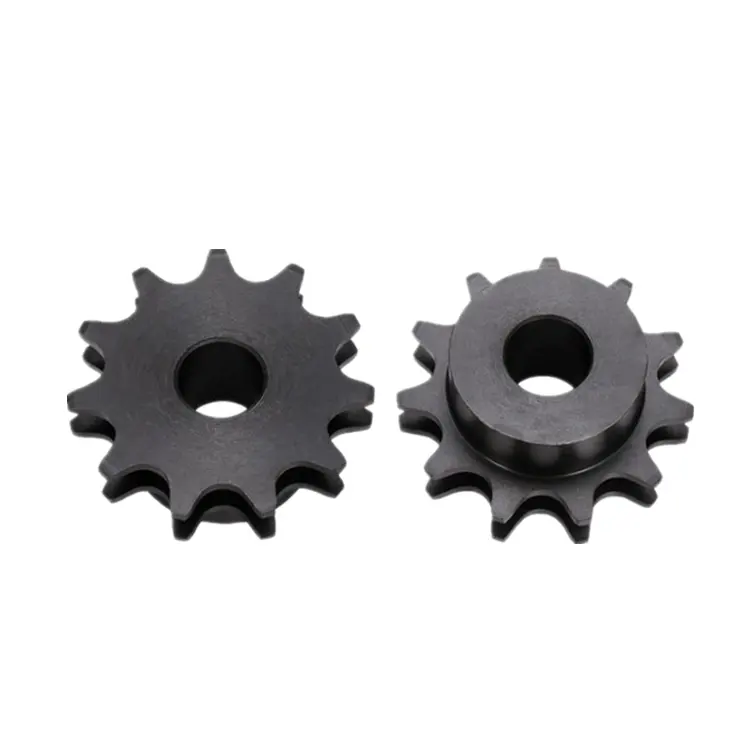
Sistema di pignoni per ruote in macchinari pesanti e attrezzature industriali
Sì, il sistema ruota-pignone è comunemente utilizzato nei macchinari pesanti e nelle attrezzature industriali per la trasmissione di potenza e il controllo del movimento. La configurazione ruota-pignone è un metodo versatile ed efficiente per trasmettere la forza di rotazione tra due alberi.
Nei macchinari pesanti e nelle attrezzature industriali, la ruota è tipicamente fissata a un albero, mentre la ruota dentata è montata su un altro albero. Una catena o una cinghia dentata è avvolta attorno alla ruota dentata, collegandoli. Quando la ruota ruota, la catena o la cinghia si innesta sulla ruota dentata, provocandone la rotazione e quella dell'albero a cui è collegata. Questo meccanismo consente il trasferimento di potenza da un albero all'altro, permettendo il funzionamento di vari componenti e parti del macchinario.
Le applicazioni più comuni del sistema ruota-pignone nei macchinari pesanti includono:
- Macchinari edili: Pale gommate, escavatori, gru e altre macchine edili utilizzano spesso sistemi di pignoni per una trasmissione efficiente della potenza nelle varie parti in movimento.
- Attrezzature per la movimentazione dei materiali: I carrelli elevatori, i sistemi di trasporto a nastro e altre attrezzature per la movimentazione dei materiali utilizzano configurazioni di ruote dentate per spostare merci e materiali in modo fluido e affidabile.
- Attrezzature minerarie: I macchinari minerari, come le perforatrici e i nastri trasportatori, spesso incorporano gruppi di ruote dentate per la trasmissione di potenza in ambienti difficili.
- Macchinari agricoli: Trattori, mietitrebbie e altre attrezzature agricole utilizzano sistemi di pignoni per azionare vari componenti come ruote e meccanismi di raccolta.
- Robotica industriale: Nei processi produttivi, robot e sistemi automatizzati utilizzano spesso sistemi di ruote dentate per un controllo preciso del movimento e una trasmissione efficiente della potenza.
Uno dei principali vantaggi del sistema ruota-pignone è la sua capacità di gestire carichi pesanti e trasmettere potenza su lunghe distanze. Si tratta di un metodo di trasmissione di potenza affidabile ed economico in diversi contesti industriali. Tuttavia, una corretta manutenzione e un allineamento adeguato sono fondamentali per garantire prestazioni ottimali e una lunga durata del sistema.
Nel complesso, il sistema ruota-pignone è una soluzione di trasmissione di potenza ampiamente utilizzata ed efficace nei macchinari pesanti e nelle attrezzature industriali, offrendo versatilità ed efficienza in una vasta gamma di applicazioni.
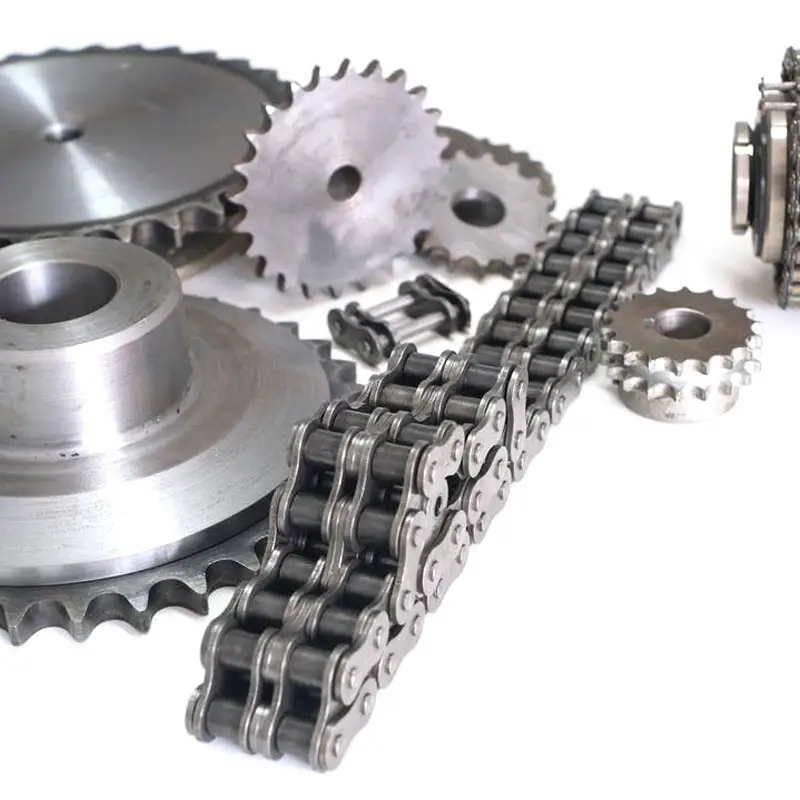
Using a Belt Sprocket in Place of a Chain Sprocket with a Wheel
Yes, in many cases, a belt sprocket can be used in place of a chain sprocket with a wheel, provided that the system is designed to accommodate the change.
Both chain sprockets and belt sprockets serve the same fundamental purpose of transferring rotational motion and power between the wheel and the driven component. However, there are some important considerations to keep in mind when replacing a chain sprocket with a belt sprocket:
- Allineamento: Belt sprockets and chain sprockets must be aligned properly with the wheel to ensure smooth and efficient power transmission. Any misalignment can cause premature wear and reduce the system’s overall performance.
- Tension: Chain-driven systems require specific tension to prevent slack and maintain proper engagement between the sprockets and the chain. Belt-driven systems, on the other hand, require appropriate tension to prevent slippage. Ensuring the correct tension for the specific type of sprocket is crucial for reliable operation.
- Load Capacity: Consider the load capacity and torque requirements of the system when selecting a belt sprocket. Belt sprockets may have different load-carrying capabilities compared to chain sprockets, and using the wrong type can lead to premature wear or failure.
- Speed and RPM: Belt-driven systems may have different operating speeds and RPM limits compared to chain-driven systems. Ensure that the selected belt sprocket can handle the desired rotational speed without exceeding its design limitations.
- System Design: Changing from a chain-driven system to a belt-driven system (or vice versa) may require modifications to the overall system design, including the size of the sprockets and the layout of the system. Consult with an engineer or a qualified professional to ensure that the replacement is appropriate and safe.
Overall, replacing a chain sprocket with a belt sprocket can be a viable option in certain applications. However, it’s essential to consider the factors mentioned above and evaluate the compatibility of the new sprocket with the existing system to achieve optimal performance and longevity.
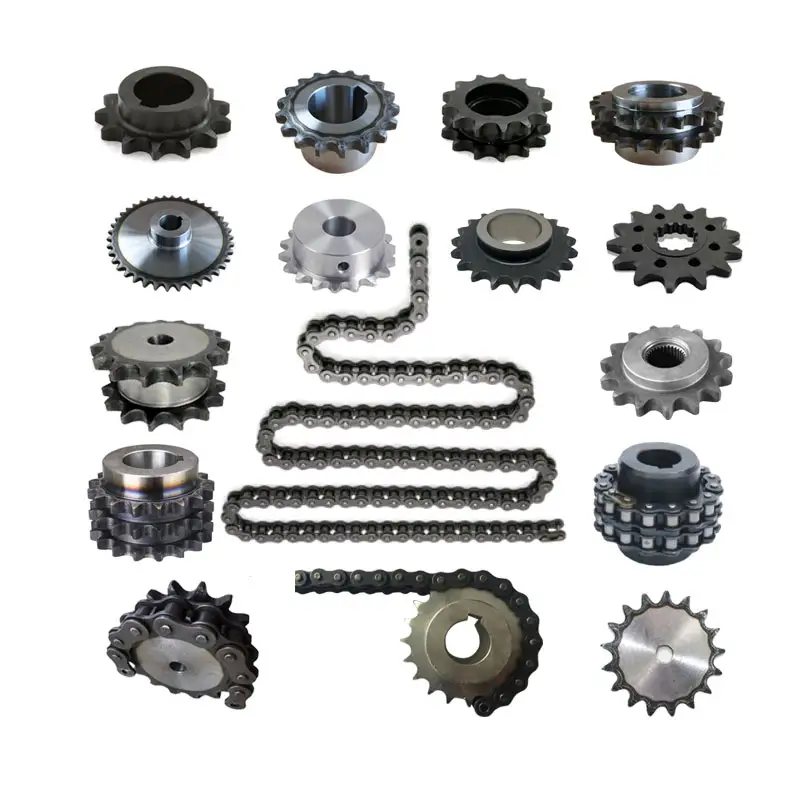
Calculating Gear Ratio for a wheel sprocket Setup
In a wheel sprocket system, the gear ratio represents the relationship between the number of teeth on the sprocket and the number of teeth on the wheel. The gear ratio determines the speed and torque relationship between the two components. To calculate the gear ratio, use the following formula:
Gear Ratio = Number of Teeth on Sprocket ÷ Number of Teeth on Wheel
For example, if the sprocket has 20 teeth and the wheel has 60 teeth, the gear ratio would be:
Gear Ratio = 20 ÷ 60 = 1/3
The gear ratio can also be expressed as a decimal or percentage. In the above example, the gear ratio can be expressed as 0.3333 or 33.33%.
It’s important to note that the gear ratio affects the rotational speed and torque of the wheel sprocket. A gear ratio greater than 1 indicates that the sprocket’s speed is higher than the wheel’s speed, resulting in increased rotational speed and reduced torque at the wheel. Conversely, a gear ratio less than 1 indicates that the sprocket’s speed is lower than the wheel’s speed, resulting in decreased rotational speed and increased torque at the wheel.
The gear ratio is crucial in various applications where precise control of speed and torque is required, such as bicycles, automobiles, and industrial machinery.


editor by CX 2023-08-01