Descrizione del prodotto
Customized Special Lost Wax Casting and Accessories Roller Chain Sprocket
Descrizione del prodotto
1. Produce strictly in accordance with ANSI or DIN standard dimension
2. Material: C45 steel / Stainless Steel 304 & 316
3. Standard: ANSI, DIN, JINS, ISO, Standard America or customer drawing
4. Pilot bore, finished bore, taper bore and special bore.
5. Bright surface and high precision
6. Advanced heat treatment and surface treatment craft
7. Best quality and competitive price.
8. Welcome OEM / ODM
9. Application: Products are mainly used in food processing machinery, textile machinery, instrument and other mechanical equipment.
10. Processing equipment: Hobbing machine, Slotting machine, CNC lathes and other equipment.
11. Sprocket models: Contains special sprocket according to customer’s drawings, standard sprocket (American standard and metric).
Features: Sprocket / Gear / CZPT / Steel CZPT / Lost wax casting and accessories / Investment casting
Materials: Carbon steel, alloy steel, stainless steel, ductile iron, gray iron, high chromium iron
| Materials Available | 1. Stainless Steel: SS304, SS316, etc |
| 2. Alloy Steel: C45, 45Mn, 42CrMo, 20CrMo, etc | |
| 3. OEM according to your request | |
| Trattamento superficiale | Heat treatment, Quenching treatment, High frequency normalizing treatment, Polishing, Electrophoresis paint processing, Anodic oxidation treatment, etc |
| Characteristic | Fire Resistant, Oil Resistant, Heat Resistant, CZPT resistance, Oxidative resistance, Corrosion resistance, etc |
| Design criterion | ISO DIN ANSI & Customer Drawings |
| Size | Customer Drawings & ISO standard |
| Applicazione | Industrial transmission equipment |
| Package | Wooden Case / Container and pallet, or made-to-order |
| Certificate | ISO9001: 2008 |
| Vantaggio | Quality first, Service first, Competitive price, Fast delivery |
| Delivery Time | 20 days for samples. 45 days for official order. |
Foto dettagliate
View more products,please click here…
Profilo Aziendale
| Standard Or Nonstandard: | Standard |
|---|---|
| Applicazione: | Marine, Agricultural Machinery, Industry |
| Hardness: | Hardened Tooth Surface |
| Materiale: | Alloy Steel/Stainless Steel |
| Tipo: | Pignone |
| Sample: | for Free |
| Esempi: |
US$ 0/Piece
1 pezzo (ordine minimo) | |
|---|
| Personalizzazione: |
Disponibile
| Richiesta personalizzata |
|---|
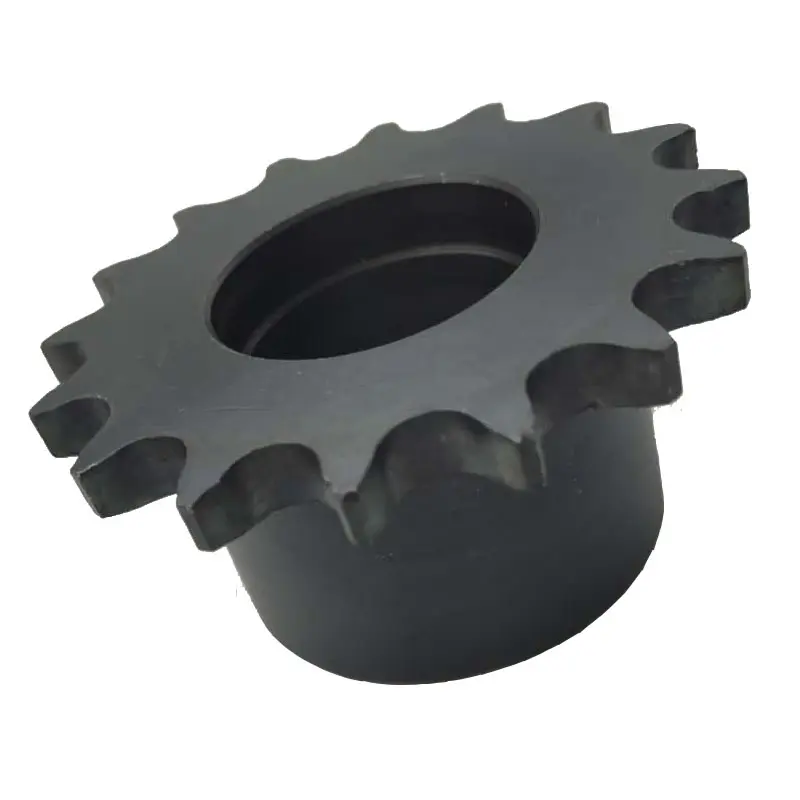
Compatibility of Chain Sprockets with Wheels
In general, chain sprockets are designed to work with specific types of wheels, and there are certain requirements for ensuring proper compatibility:
- Chain Size and Pitch: The chain sprocket must match the size and pitch of the chain it is intended to work with. For example, if you have a roller chain with a pitch of 0.625 inches, you need a sprocket with the same pitch to ensure a proper fit.
- Number of Teeth: The number of teeth on the sprocket should be compatible with the number of chain links. The chain should mesh smoothly with the sprocket without any binding or skipping.
- Tooth Profile: The tooth profile of the sprocket should match the shape of the chain’s rollers to ensure smooth engagement and minimize wear.
- Shaft Size: The center hole (bore) of the sprocket should match the diameter of the shaft it will be mounted on. Using the correct shaft size ensures a secure fit and prevents wobbling.
- Hub Configuration: Some sprockets have hubs, which are extensions on either side of the sprocket. The hub’s length and configuration should match the requirements of the specific application.
- Material and Strength: Consider the material and strength of the sprocket based on the application’s load and environmental conditions. Heavy-duty applications may require sprockets made of robust materials to withstand the forces and stresses.
It’s crucial to follow the manufacturer’s specifications and guidelines when selecting a chain sprocket for a particular wheel. Mixing incompatible sprockets and wheels can result in premature wear, inefficiencies, and potential safety hazards. If you are unsure about the compatibility, consult with the manufacturer or a knowledgeable expert to ensure you choose the right sprocket for your specific application.
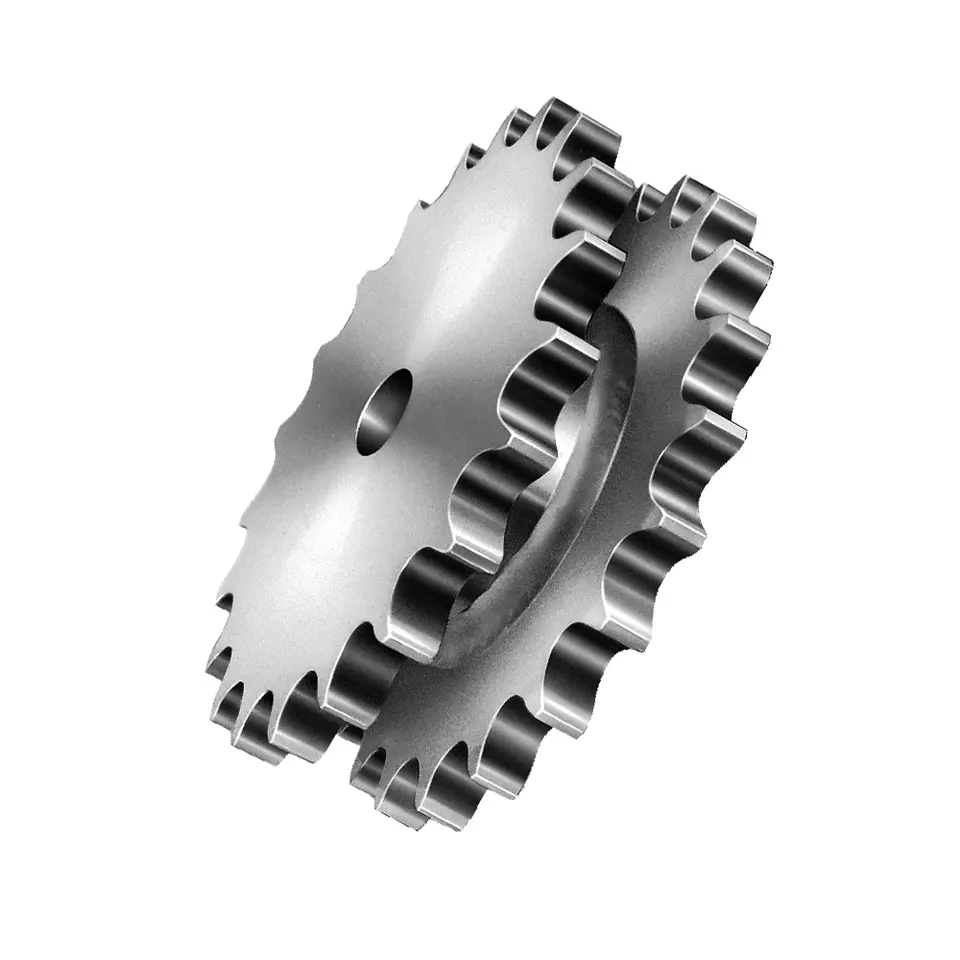
Limiti di temperatura per il funzionamento del sistema di pignoni delle ruote
I limiti di temperatura per il funzionamento di un sistema ruota-pignone dipendono dai materiali utilizzati nella costruzione dei componenti. Materiali diversi hanno tolleranze di temperatura diverse e il superamento di questi limiti può portare a una riduzione delle prestazioni, a un'usura precoce e persino al guasto del sistema.
Ecco alcuni materiali comunemente utilizzati nei sistemi di pignoni e i relativi limiti di temperatura generali:
- Acciaio: Le ruote e i pignoni in acciaio, ampiamente utilizzati in numerose applicazioni, hanno in genere un limite di temperatura compreso tra -40 °C e 500 °C (-40 °F e 932 °F). Tuttavia, l'intervallo di temperatura specifico può variare in base al tipo di acciaio e agli eventuali rivestimenti o trattamenti applicati.
- Acciaio inossidabile: Le ruote dentate e gli ingranaggi in acciaio inossidabile offrono una maggiore resistenza alla corrosione e possono sopportare temperature più elevate rispetto all'acciaio comune. Il loro limite di temperatura è in genere compreso tra -100 °C e 600 °C (-148 °F e 1112 °F).
- Plastica: Le ruote e gli ingranaggi in plastica sono comunemente utilizzati in applicazioni a basso carico e bassa velocità. Il limite di temperatura per i componenti in plastica varia notevolmente a seconda del tipo di plastica utilizzato. In generale, può variare da -40 °C a 150 °C (da -40 °F a 302 °F).
- Alluminio: Le ruote e i pignoni in alluminio hanno un limite di temperatura compreso tra circa -40 °C e 250 °C (-40 °F e 482 °F). Sono spesso utilizzati in applicazioni in cui la riduzione del peso è fondamentale.
È fondamentale consultare le specifiche del produttore e le schede tecniche dei materiali per i componenti specifici utilizzati nel sistema ruota-pignone, al fine di determinarne con precisione i limiti di temperatura. Anche fattori quali carico, velocità e condizioni ambientali possono influenzare la reale tolleranza termica del sistema.
Quando si utilizza un sistema ruota-pignone in prossimità dei suoi limiti di temperatura, sono necessari monitoraggio e manutenzione regolari per garantire l'integrità dei componenti e le prestazioni complessive del sistema. Se l'applicazione prevede temperature estreme, superiori ai limiti tipici dei materiali, potrebbero essere necessari materiali speciali per alte temperature o sistemi di raffreddamento per garantire un funzionamento affidabile.
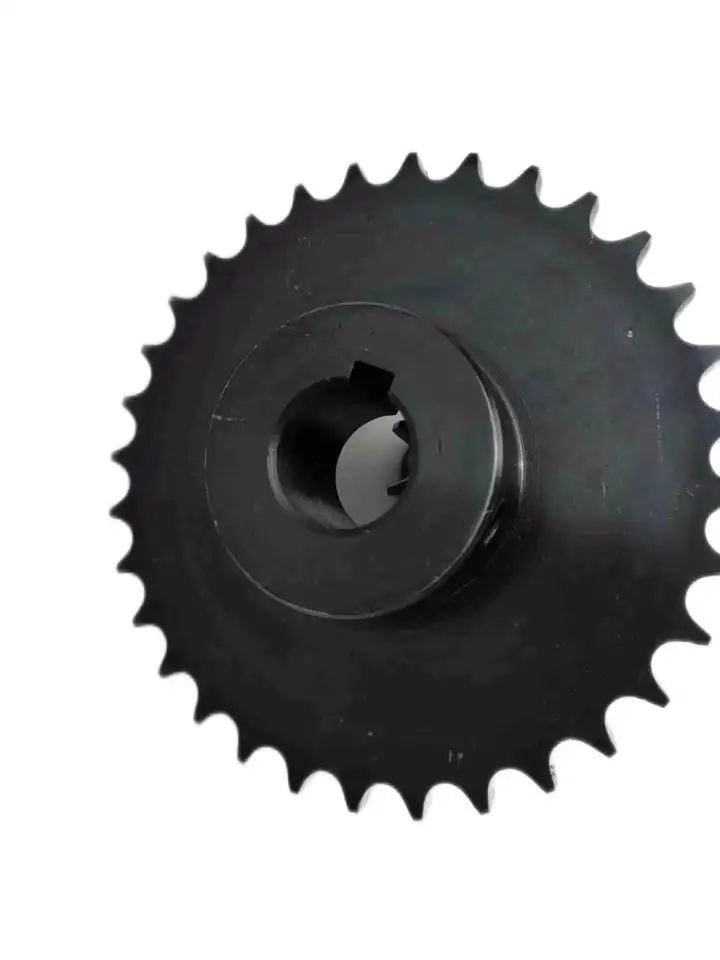
Advantages of Using a wheel sprocket Configuration
Using a wheel sprocket configuration for power transmission offers several advantages over other methods. Here are some key benefits:
1. Efficient Power Transmission:
The wheel sprocket assembly provide a highly efficient method of transmitting power between shafts with minimal energy loss. The teeth of the sprocket mesh with the links of the chain or the teeth of another sprocket, ensuring a positive engagement that reduces slippage and maximizes power transfer.
2. Versatility:
Wheels and sprockets are available in various sizes, configurations, and materials, making them highly versatile components for different applications. They can accommodate a wide range of speed and torque requirements, making them suitable for various mechanical systems.
3. Compact Design:
The compact design of wheel sprocket assemblies allows for space-saving installations in machinery. The concentric arrangement of the components minimizes the overall footprint, making it ideal for applications with limited space.
4. Precise Speed Control:
By selecting sprockets with different numbers of teeth, the gear ratio can be easily adjusted to achieve precise speed control in the driven shaft. This level of control is essential for many applications, such as conveyor systems, where different speeds are required for different processes.
5. High Torque Capacity:
wheel sprocket systems can handle high torque loads, making them suitable for heavy-duty applications. This high torque capacity is especially beneficial in industrial settings where large loads need to be moved or lifted.
6. Smooth and Quiet Operation:
When properly lubricated and maintained, the interaction between the sprocket and the chain or other sprockets results in smooth and quiet operation. This makes wheel sprocket systems preferable in applications where noise reduction is important.
7. Easy Installation and Maintenance:
Installing a wheel sprocket assembly is relatively straightforward, and they require minimal maintenance when used correctly. Periodic lubrication and tension adjustments are typically all that is needed to keep the system running smoothly.
8. Suitable for High-Speed Applications:
wheel sprocket configurations are well-suited for high-speed applications where belts or gears may not be as practical due to limitations in speed capabilities.
In summary, the wheel sprocket configuration offers efficient power transmission, versatility, compactness, precise speed control, high torque capacity, smooth operation, and ease of installation and maintenance. These advantages make it a popular choice in a wide range of mechanical systems and industrial applications.


editor by CX 2023-10-09