Descrizione del prodotto
1. Descrizione:
| Codice articolo: | 8E9805 |
| Numero di macchina: | 320 |
| Descrizione: | Pignone |
| Logo: | Benefici |
| Durezza superficiale | 52 ~ 58 |
| Colore: | Giallo o altri |
| Metodo di produzione: | Fusione / Forgiatura |
| Materiale: | 40 milioni |
Altri prodotti:
Dente della benna: product/jJArxYWdhhks/China-Spare-Parts-Track-Bushing-Excavator-Pin-40cr-42CrMo-Bucket-Link-Pin-Link-Pin-Replacement-Bucket-Tooth-Locking-Pins-Forged-Bucket-Tooth-Pin-K170-Pin-2320170.html
Cingoli in gomma: product/yQLRiCgPvAVJ/China-Mini-Excavator-Rubber-Track-Undercarriage-Dx340LC-Machinery-Lubricated-Dry-Track-Link-Shoe-Assy-Track-Chain.html
Rullo cingolato: product/jmWpigyGJLcA/China-246-571-Roller-Gp-Track-Single-Flange-Excavator-Undercarriage-Parts-Down-Upper-Lower-Roller-Idler-Sprocket-Track-Roller.html
Lama livellatrice: product/XZlfQcLdlFhi/China-Construction-Machinery-Parts-Grader-Blade-Motor-Grader-Carbon-Steel-Boron-Steel-Dbf-Cutting-Edge-Bulldozer-4t6694.html
Catena a maglie per cingoli: product/yQLRiCgPvAVJ/China-Mini-Excavator-Rubber-Track-Undercarriage-Dx340LC-Machinery-Lubricated-Dry-Track-Link-Shoe-Assy-Track-Chain.html
Secchio: prodotto/UdMAiYuwXGhW/Cina-Cina-Attrezzature-pesanti-Secchi-Wh60c-Q345b-3-4cx-12-Secchi.html
Barra di protezione: prodotto/kyPmTlxusBhU/China-Excavator-Bucket-Protection-Spare-Parts-CB1-Teeth-Pins-Retainer-Bushing-Locker-80-125r.html
2. La nostra gamma di prodotti
3. La nostra linea di produzione:
4.Di seguito alcuni articoli popolari a titolo di esempio:
| Marca | Modello | |||
| Rullo cingolo, Rullo superiore, Pignone, Ruota folle, Maglia cingolo, Pattini cingolo | ||||
| PC18-2 | PC20-5/7 | PC30-5/6/7/8 | PC40-5/6/7 | |
| PC50/PC55 | PC60-5/6/7 | PC100-5/6/7 | PC120-5-6-7 | |
| PC200-3/5/6/7/8 | PC220-3/5/6/7/8 | PC200LC-3/5/6/7/8 | PC220-3/5/6/7/8 | |
| PC300-5-6-7 | PC300LC-/5-6-7 | PC350-5/6/7 | PC350LC-5/6/7 | |
| PC360-5/6/7 | PC360LC-5/6/7 | PC400-1/3/5/6/7 | PC400LC-1/3/5/6/7 | |
| PC450-5/6/7 | PC450LC-5/6/7 | PC600 | PC800 | |
| EX30 | EX40 | EX55 | EX60-2/3/5 | |
| EX70 | EX100-1/3/5/ | EX120-1/3/5 | EX150 | |
| EX200-1/2/3/5 | EX200LC-1/2/3/5 | EX220-1/2/3/5 | EX220LC-1/2/3/5 | |
| EX270-1/2/5 | EX270LC-1/2/5 | EX300-1/2/3/5 | EX300LC-1/2/3/5 | |
| EX330 | EX330LC | EX400-1/2/3/5 | EX400LC-1/2/3/5 | |
| EX450-1/2/3/5 | EX450LC-1/2/3/5 | UH07-7 | UH081 | |
| UH083 | UH045 | UH571 | ||
| ZAX55 | ZAX70 | ZAX120 | ZAX200 | |
| ZAX210 | ZAX230 | ZAX240 | ZAX330 | |
| ZAX450 | ||||
| DH55 | DH80 | DH130 | DH150 | |
| DH220 | DH258 | DH280 | DH300 | |
| DH320 | DH360 | DH370 | DH400 | |
| DH420 | DH500 | |||
| DX300 | DX370 | DX380 | ||
| SK035 | SK035SR | SK30 | SK35 | |
| SK45 | SK50-1 | SK50-6 | SK55 | |
| SK60-3 | SK60-1/2/5 | SK60-8 | SK100 | |
| SK120 | SK130-8 | SK200-3/5/8 | SK210 | |
| SK230 | SK250 | SK300 | SK320 | |
| SK330 | SK350 | SK07N2 | ||
| SH35 | SH55 | SH60 | SH65 | |
| SH75 | SH100 | SH120 | SH120A3 | |
| SH200 | SH220 | SH265 | SH280 | |
| SH300 | SH320 | SH340 | SH350 | |
| SH430 | LS2800 | |||
| HD250 | HD400 | HD450 | HD700 | |
| HD770 | HD820 | HD1571 | HD1250 | |
| HD1430 | ||||
| R55 | R60-5/7/8 | R80 | R130 | |
| R150LC-7 | R200 | R210-3 | R220-5 | |
| R225-7 | R275 | R290 | R300 | |
| R320 | R305 | R360 | R450 | |
| R914 | R924 | R934C | R944C | |
| CX35 | CX45 | CX55 | CX240 | |
| KX35 | KX50 | KX55 | KX80 | |
| KX185 | ||||
| SWE35 | SWE40 | SWE50 | SWE55 | |
| SWE60 | SWE70 | SWE85 | SWE330 | |
| IHI30 | IHI35 | IHI80 | IHI85 | |
| TB150 | TB175 | |||
| FR65 | FR85 | |||
| SY65 | SY200 | SY215 | SY330 | |
| YC13 | YC35 | YC45 | YC60 | |
| YC85 | YC135 | |||
| VIO30 YM30 | VIO35 YM35 | VIO40 YM40 | VIO55 YM55 | |
| VIO75 YM75 | ||||
| D3B D3C | D4 | D4D | D4E | |
| D4H | D5 | D5B | D5C | |
| D5H | D5M | D5N | D6 | |
| D6C | D6D | D6R | D6H | |
| D6T | D7G | D7R | D7H | |
| D8N | D8L | D8T | D8R | |
| D8H | D8K | D9L | D9N | |
| D9R | D9T | D10N | D10R | |
| D10T | D11N | D11R | ||
| D20 | D31 | D37EX-21 | D40 | |
| D41P-6 | D41E-6 | D50 | D53 | |
| D51EX-22 | D60 | D65 | D65-12 | |
| D61EX-12 | D65EX-12 | D65PX-12 | D80 | |
| D85 | D85EX-15 | D85-21 | D155 | |
| D155A-1 | D155A-2 | D155A-3 | D155A-5 | |
| D155-6 | D275 | D355A-3 | D375-5 | |
| BD2G | ||||
5. Il nostro magazzino:
6. Informazioni sull'azienda
HangZhou CZPT Machinery co., Ltd, in qualità di fornitore affidabile di ricambi per sottocarri, offre una gamma completa di ricambi adatti a tutti i tipi di macchine movimento terra utilizzate in miniere, costruzioni, agricoltura, ecc., come escavatori, bulldozer, pale caricatrici, terne, scraper, frantoi e così via. I ricambi che forniamo includono componenti fusi come ruote folli, pignoni, rulli superiori, maglie del cingolo, rulli del cingolo, pattini del cingolo, ecc. e componenti forgiati come ruote folli, pignoni, rulli superiori, maglie del cingolo, rulli del cingolo, pattini del cingolo, ecc.
Beneparts vanta un team di vendita molto solido e una collaborazione stabile con un produttore all'avanguardia, focalizzato sulla qualità e con oltre 28 anni di esperienza.
I nostri vantaggi sono quadruplici:
1. Disponiamo di un team tecnico altamente qualificato e siamo in grado di formulare materiali che soddisfino le esigenze specifiche dei progetti dei nostri clienti.
2. Sistema di monitoraggio della qualità impeccabile e gamma completa di attrezzature all'avanguardia, come macchina per l'analisi dei componenti, macchina per prove d'urto, macchina per prove di trazione, ecc.
3. Vasta esperienza nel settore OEM/ODM: possiamo sviluppare articoli in base a disegni e campioni, qualora abbiate esigenze specifiche.
4. Grazie a una gestione efficiente, possiamo ridurre i tempi di consegna e offriamo un ottimo servizio post-vendita, che ci permette di instaurare una collaborazione commerciale duratura con i nostri clienti.
Il nostro impegno nei vostri confronti è quello di fornirvi sempre un servizio clienti rapido, comodo ed efficace.
Non vedo l'ora di incontrarti!
| Tipo: | Pignone |
|---|---|
| Applicazione: | Escavatore |
| Certificazione: | CE |
| Personalizzazione: |
Disponibile
| Richiesta personalizzata |
|---|
.shipping-cost-tm .tm-status-off{background: none;padding:0;color: #1470cc}
|
Costo di spedizione:
Costo stimato per unità. |
Informazioni sui costi di spedizione e sui tempi di consegna stimati. |
|---|
| Metodo di pagamento: |
|
|---|---|
|
Pagamento iniziale Pagamento completo |
| Valuta: | US$ |
|---|
| Resi e rimborsi: | È possibile richiedere un rimborso entro 30 giorni dalla ricezione dei prodotti. |
|---|
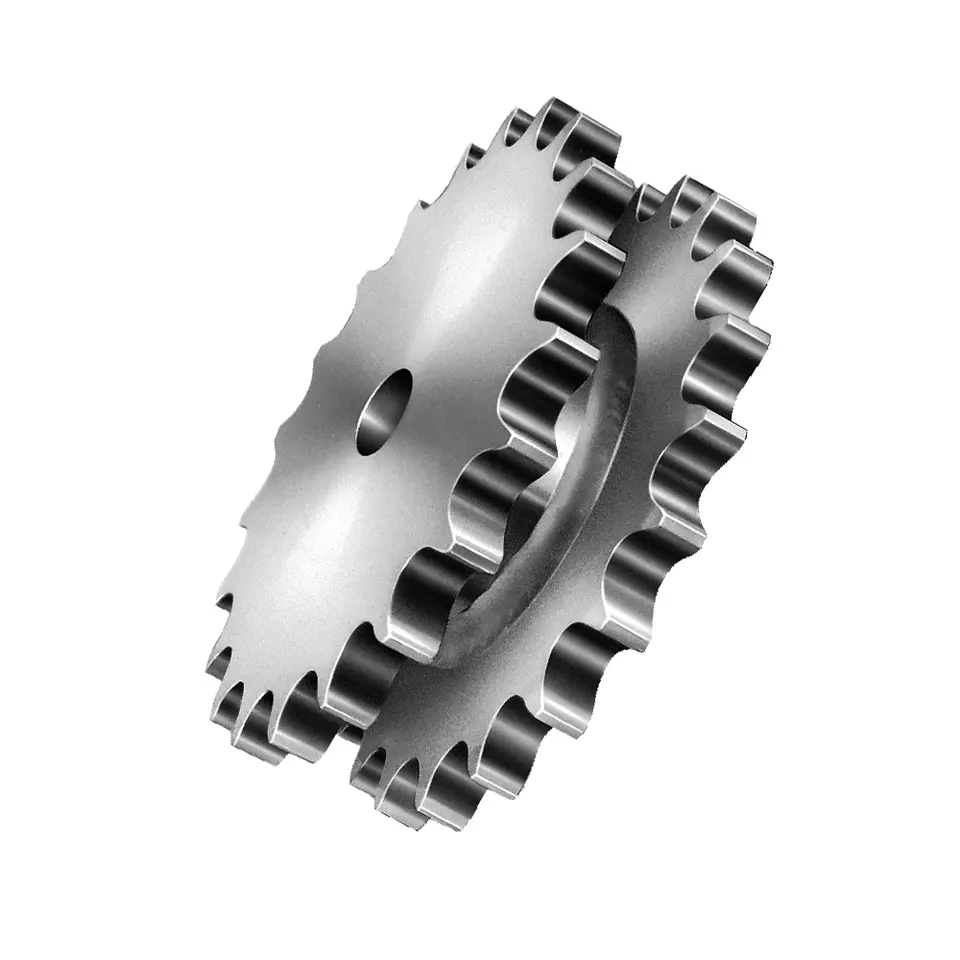
How to Identify and Troubleshoot Common Issues with Wheels and Sprockets
Identifying and troubleshooting common issues with wheels and sprockets can help you maintain their proper functioning and prevent potential problems. Here are some steps to follow:
- Abnormal Noise: If you notice unusual noise during operation, it could indicate misalignment, worn sprockets, or a loose chain. Check for any loose bolts or fasteners and ensure proper alignment of the sprockets.
- Chain Slippage: Chain slippage can occur due to insufficient tension or worn-out sprocket teeth. Check the chain tension and adjust it to the recommended level. Inspect the sprocket teeth for signs of wear and replace them if necessary.
- Uneven Wear: Uneven wear on the sprocket teeth can be a result of misalignment or a worn-out chain. Check the alignment of the sprockets and adjust as needed. If the chain is stretched or has damaged links, replace it with a new one.
- Excessive Vibration: Excessive vibration may be caused by imbalanced wheels or misaligned sprockets. Check for any bent or damaged wheels and ensure proper alignment of the sprockets.
- Chain Skipping: If the chain skips over the sprocket teeth during operation, it could be due to worn sprocket teeth or a loose chain. Inspect the sprocket teeth for signs of wear and replace them if necessary. Adjust the chain tension to the proper level.
- Chain Jamming: Chain jamming can occur if there is debris or dirt between the chain and sprockets. Clean the chain and sprockets thoroughly to remove any obstructions.
- Excessive Chain Wear: Regularly inspect the chain for signs of wear, such as elongation, damaged links, or rust. Replace the chain if it is significantly worn to avoid damage to the sprockets.
- Overheating: Overheating can be caused by high friction between the chain and sprockets or improper lubrication. Ensure proper lubrication and check for any misalignment or tight spots in the system.
By identifying these common issues and performing regular inspections, you can troubleshoot problems early on and take appropriate corrective measures, ensuring the smooth operation and longevity of the wheel sprocket assembly.
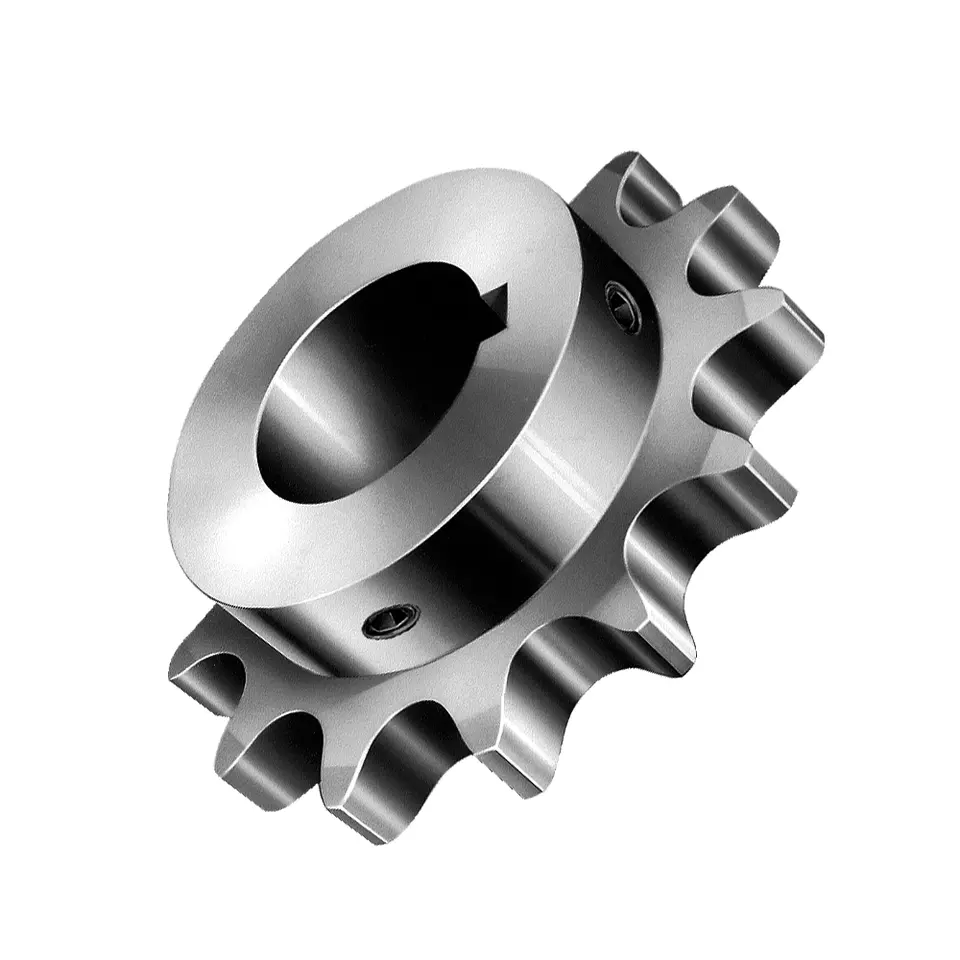
Choosing the Right Material for a Sprocket to Ensure Longevity
Choosing the right material for a sprocket is crucial to ensure its longevity and reliable performance in a given application. The material selection depends on various factors such as load, speed, operating environment, and budget. Here are some common materials used for sprockets and their considerations:
- Acciaio: Steel sprockets are widely used in a wide range of applications due to their excellent strength, durability, and wear resistance. They are suitable for heavy-duty and high-speed operations. Different grades of steel, such as carbon steel or alloy steel, offer varying levels of hardness and strength.
- Acciaio inossidabile: Stainless steel sprockets are preferred when corrosion resistance is essential, making them suitable for applications where the sprocket is exposed to moisture, chemicals, or outdoor elements. They are commonly used in food processing, pharmaceutical, and marine industries.
- Cast Iron: Cast iron sprockets offer good wear resistance and are often used in low to medium-speed applications. They are cost-effective and provide excellent performance in less demanding conditions.
- Plastica: Plastic sprockets are lightweight and corrosion-resistant. They are commonly used in applications where low noise, self-lubrication, and resistance to chemicals or moisture are required. However, they have limited load-carrying capacity and may not be suitable for heavy-duty applications.
- Alluminio: Aluminum sprockets are lightweight and commonly used in applications where weight reduction is critical, such as aerospace and certain machinery. However, they are not as durable as steel sprockets and are not suitable for high loads or harsh environments.
When choosing the right material for a sprocket, consider the following:
- Load Capacity: Select a material that can handle the expected loads in the application without deforming or wearing excessively.
- Speed: Higher speeds may require materials with better heat dissipation and wear resistance.
- Environment: Consider factors such as moisture, chemicals, temperature, and outdoor exposure. Choose a material with suitable corrosion resistance and resilience to environmental conditions.
- Maintenance: Some materials may require more frequent maintenance or lubrication to ensure longevity.
- Cost: Balance the material’s performance with the budget constraints of the project.
It’s essential to consult with sprocket manufacturers or material experts to determine the most appropriate material for your specific application. They can provide valuable insights and recommendations based on your requirements, helping to ensure the longevity and optimal performance of the sprocket in your machinery or equipment.
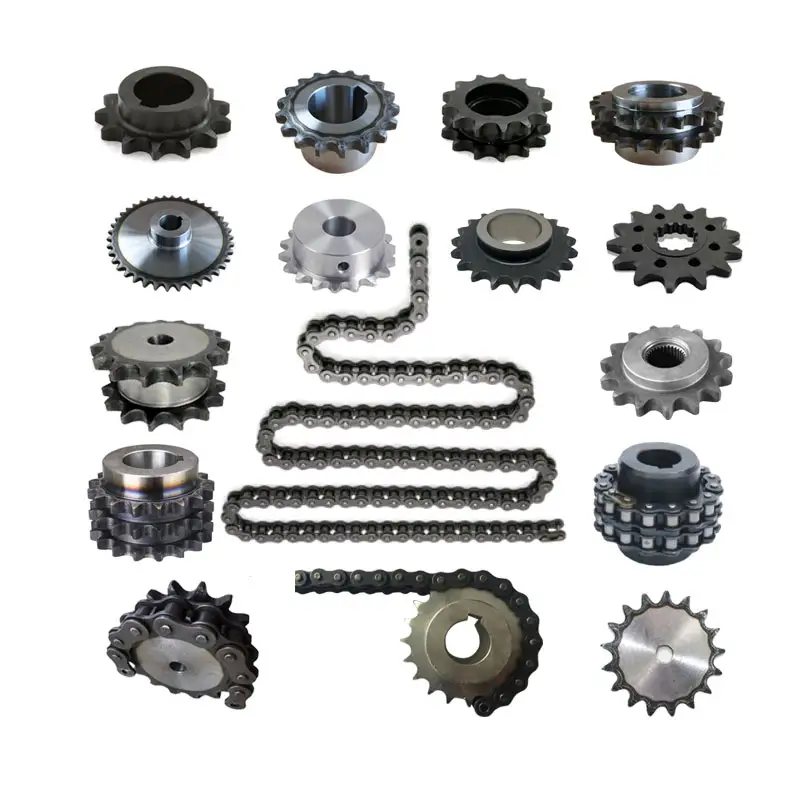
Calculating Gear Ratio for a wheel sprocket Setup
In a wheel sprocket system, the gear ratio represents the relationship between the number of teeth on the sprocket and the number of teeth on the wheel. The gear ratio determines the speed and torque relationship between the two components. To calculate the gear ratio, use the following formula:
Gear Ratio = Number of Teeth on Sprocket ÷ Number of Teeth on Wheel
For example, if the sprocket has 20 teeth and the wheel has 60 teeth, the gear ratio would be:
Gear Ratio = 20 ÷ 60 = 1/3
The gear ratio can also be expressed as a decimal or percentage. In the above example, the gear ratio can be expressed as 0.3333 or 33.33%.
It’s important to note that the gear ratio affects the rotational speed and torque of the wheel sprocket. A gear ratio greater than 1 indicates that the sprocket’s speed is higher than the wheel’s speed, resulting in increased rotational speed and reduced torque at the wheel. Conversely, a gear ratio less than 1 indicates that the sprocket’s speed is lower than the wheel’s speed, resulting in decreased rotational speed and increased torque at the wheel.
The gear ratio is crucial in various applications where precise control of speed and torque is required, such as bicycles, automobiles, and industrial machinery.


editor by CX 2023-10-17