Descrizione del prodotto
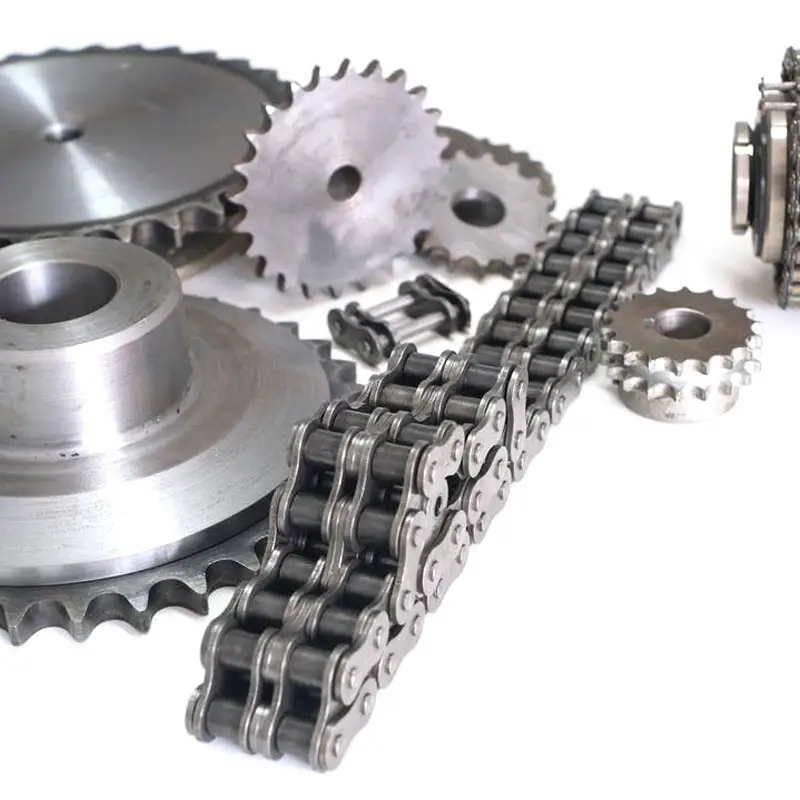
Product Details:
1. Material : Steel, stainless steel , alloy, aluminum, nylon etc.
2. Size: 10mm- 800mm
3. Standard: DIN ANSI ISO JIS BS
4. Surface treatment: Blacken, case harden, painted, zinc platec ect.
|
Product Name |
Pignone |
|
Materiale |
stainless steel ,steel, alloy,aluminum ,nylon ect |
|
Color |
Black, natural, yellow, blue, white |
|
Standard |
DIN ANSI JIS BS ISO |
|
Grade |
6 7 8 9 |
|
Packing: |
case |
|
Heat treatment |
HRC 40-55 |
|
Used |
machinery |
Related products:
ABOUT AGS:
HangZhou CZPT Machinery Co., Ltd manufacture and export conveyor parts in China.
Our Business:screw conveyor, chain conveyor, belt conveyor, bucket elevator, Roller mill, Purifier Bin Filter, spout pipe, sieve cleaner, chain ,all kind of machines and components for flour mill ,feed mill, rice mill , and other bulk material handling industry.
Exported country:South Asia, South Africa, West Africa, South American and Russia and the Philippines.
QC standard:All the products are tested before delivery according to relevant International Standard or customers’ requirements.
OEM service: Besides the international standard products, we can also design and manufacture new products according to drawings or requirements.
Our purpose:With more than 20 years experience in the bulk material handling industry, we hope to become one-stop suppliers for all the different machines and components
Contact Details:
HangZhou CZPT Machinery Co., Ltd
Website: agsmachinery
| Standard Or Nonstandard: | Standard |
|---|---|
| Applicazione: | Motor, Motorcycle, Machinery |
| Hardness: | Hardened Tooth Surface |
| Manufacturing Method: | Cast Gear |
| Toothed Portion Shape: | Curved Gear |
| Materiale: | Stainless Steel |
| Esempi: |
US$ 99/Piece
1 pezzo (ordine minimo) | |
|---|
| Personalizzazione: |
Disponibile
| Richiesta personalizzata |
|---|
What are the Maintenance Requirements for a wheel sprocket Assembly?
Proper maintenance of the wheel sprocket assembly is essential to ensure its optimal performance and longevity. Here are some maintenance tips:
- Regular Cleaning: Keep the wheel sprocket assembly clean from dirt, debris, and grime. Regularly wipe down the sprockets and chain to prevent buildup, which can lead to accelerated wear.
- Lubrificazione: Apply a suitable lubricant to the chain and sprockets to reduce friction and wear. Lubrication also helps in maintaining smooth operation and preventing corrosion. However, avoid over-lubrication, as excessive grease can attract more dirt.
- Chain Tension: Check the tension of the chain regularly. A loose chain can result in slippage and damage to the sprockets, while an overly tight chain can increase wear and strain on the components. Adjust the chain tension as per the manufacturer’s guidelines.
- Inspection: Periodically inspect the sprockets and chain for signs of wear, damage, or elongation. Replace any worn-out or damaged components promptly to avoid further issues.
- Allineamento: Ensure proper alignment of the sprockets and wheels. Misalignment can lead to uneven wear and reduced efficiency. Adjust the alignment as needed to maintain smooth power transmission.
- Replace Worn Parts: Over time, sprockets and chains will wear out due to regular use. Replace worn sprockets or chains with new ones from reputable suppliers to maintain optimal performance.
- Environmental Considerations: In certain applications, exposure to harsh environments or extreme temperatures may require more frequent maintenance and inspection.
By following these maintenance practices, you can extend the lifespan of the wheel sprocket assembly and ensure reliable operation in various applications.
Using a Belt Sprocket in Place of a Chain Sprocket with a Wheel
Yes, in many cases, a belt sprocket can be used in place of a chain sprocket with a wheel, provided that the system is designed to accommodate the change.
Both chain sprockets and belt sprockets serve the same fundamental purpose of transferring rotational motion and power between the wheel and the driven component. However, there are some important considerations to keep in mind when replacing a chain sprocket with a belt sprocket:
- Allineamento: Belt sprockets and chain sprockets must be aligned properly with the wheel to ensure smooth and efficient power transmission. Any misalignment can cause premature wear and reduce the system’s overall performance.
- Tension: Chain-driven systems require specific tension to prevent slack and maintain proper engagement between the sprockets and the chain. Belt-driven systems, on the other hand, require appropriate tension to prevent slippage. Ensuring the correct tension for the specific type of sprocket is crucial for reliable operation.
- Load Capacity: Consider the load capacity and torque requirements of the system when selecting a belt sprocket. Belt sprockets may have different load-carrying capabilities compared to chain sprockets, and using the wrong type can lead to premature wear or failure.
- Speed and RPM: Belt-driven systems may have different operating speeds and RPM limits compared to chain-driven systems. Ensure that the selected belt sprocket can handle the desired rotational speed without exceeding its design limitations.
- System Design: Changing from a chain-driven system to a belt-driven system (or vice versa) may require modifications to the overall system design, including the size of the sprockets and the layout of the system. Consult with an engineer or a qualified professional to ensure that the replacement is appropriate and safe.
Overall, replacing a chain sprocket with a belt sprocket can be a viable option in certain applications. However, it’s essential to consider the factors mentioned above and evaluate the compatibility of the new sprocket with the existing system to achieve optimal performance and longevity.

Scegliere la giusta dimensione del pignone per adattarlo alla ruota
Scegliere la dimensione corretta del pignone da abbinare alla ruota è fondamentale per garantire un'efficiente trasmissione della potenza e il corretto funzionamento di un sistema meccanico. Ecco i passaggi che ti aiuteranno a scegliere la dimensione giusta del pignone:
1. Determinare il diametro primitivo della ruota:
Misurare il diametro della ruota dal centro al punto in cui i denti del pignone si innestano sulla ruota. Questa misura è nota come diametro primitivo della ruota.
2. Individuare il rapporto di trasmissione desiderato:
Determina il rapporto di trasmissione desiderato per la tua applicazione. Il rapporto di trasmissione è il rapporto tra il numero di denti del pignone e il numero di denti della ruota e determina la velocità e la coppia erogata.
3. Calcola il numero di denti della ruota dentata:
Una volta noti il diametro primitivo della ruota e il rapporto di trasmissione desiderato, è possibile calcolare il numero di denti del pignone utilizzando la formula:
Numero di denti sulla ruota dentata = (Rapporto di trasmissione desiderato) * (Numero di denti sulla ruota)
4. Selezionare una dimensione standard del pignone:
In base al numero di denti calcolato sulla ruota dentata, scegli una ruota dentata di dimensioni standard che si avvicini il più possibile al valore calcolato. Le ruote dentate sono disponibili con un numero di denti variabile, quindi potrebbe essere necessario scegliere la misura più vicina tra quelle disponibili.
5. Valutare la compatibilità della catena:
Se si utilizza un sistema di trasmissione a catena, assicurarsi che il pignone selezionato sia compatibile con la catena che si intende utilizzare. Il passo della catena (distanza tra i centri dei perni dei rulli adiacenti) deve corrispondere al passo del pignone.
6. Verificare la distanza tra i centri:
Verificate che la distanza tra i centri della ruota e del pignone sia adeguata all'applicazione. La distanza tra i centri è la distanza tra i centri della ruota e del pignone e deve essere regolata in modo da ottenere la tensione e l'allineamento desiderati della catena o della cinghia.
7. Considerare il materiale e il profilo del dente:
Seleziona un materiale per la ruota dentata adatto alla tua applicazione, come acciaio, acciaio inossidabile o plastica, in base a fattori quali carico, ambiente e condizioni operative. Inoltre, considera il profilo del dente (standard o personalizzato) per garantire un innesto fluido con la catena o la cinghia.
Seguendo questi passaggi e tenendo conto dei requisiti specifici dei vostri macchinari e del vostro sistema meccanico, potrete scegliere la dimensione corretta del pignone da abbinare alla ruota e ottenere prestazioni ottimali e una lunga durata del sistema.


editor by CX 2023-10-05