Descripción del Producto
Product Details:
1. Material : Steel, stainless steel , alloy, aluminum, nylon etc.
2. Size: 10mm- 800mm
3. Standard: DIN ANSI ISO JIS BS
4. Surface treatment: Blacken, case harden, painted, zinc platec ect.
|
Product Name |
Rueda de espigas |
|
Material |
stainless steel ,steel, alloy,aluminum ,nylon ect |
|
Color |
Black, natural, yellow, blue, white |
|
Estándar |
DIN ANSI JIS BS ISO |
|
Grade |
6 7 8 9 |
|
Packing: |
case |
|
Heat treatment |
HRC 40-55 |
|
Used |
maquinaria |
Related products:
ABOUT AGS:
HangZhou CZPT Machinery Co., Ltd manufacture and export conveyor parts in China.
Our Business:screw conveyor, chain conveyor, belt conveyor, bucket elevator, Roller mill, Purifier Bin Filter, spout pipe, sieve cleaner, chain ,all kind of machines and components for flour mill ,feed mill, rice mill , and other bulk material handling industry.
Exported country:South Asia, South Africa, West Africa, South American and Russia and the Philippines.
QC standard:All the products are tested before delivery according to relevant International Standard or customers’ requirements.
OEM service: Besides the international standard products, we can also design and manufacture new products according to drawings or requirements.
Our purpose:With more than 20 years experience in the bulk material handling industry, we hope to become one-stop suppliers for all the different machines and components
Contact Details:
HangZhou CZPT Machinery Co., Ltd
Website: agsmachinery
| Estándar o no estándar: | Estándar |
|---|---|
| Solicitud: | Motor, Motorcycle, Machinery |
| Dureza: | Superficie del diente endurecida |
| Método de fabricación: | Cast Gear |
| Forma de la porción dentada: | Curved Gear |
| Material: | Stainless Steel |
| Muestras: |
US$ 99/Piece
1 unidad (pedido mínimo) | |
|---|
| Personalización: |
Disponible
| Solicitud personalizada |
|---|
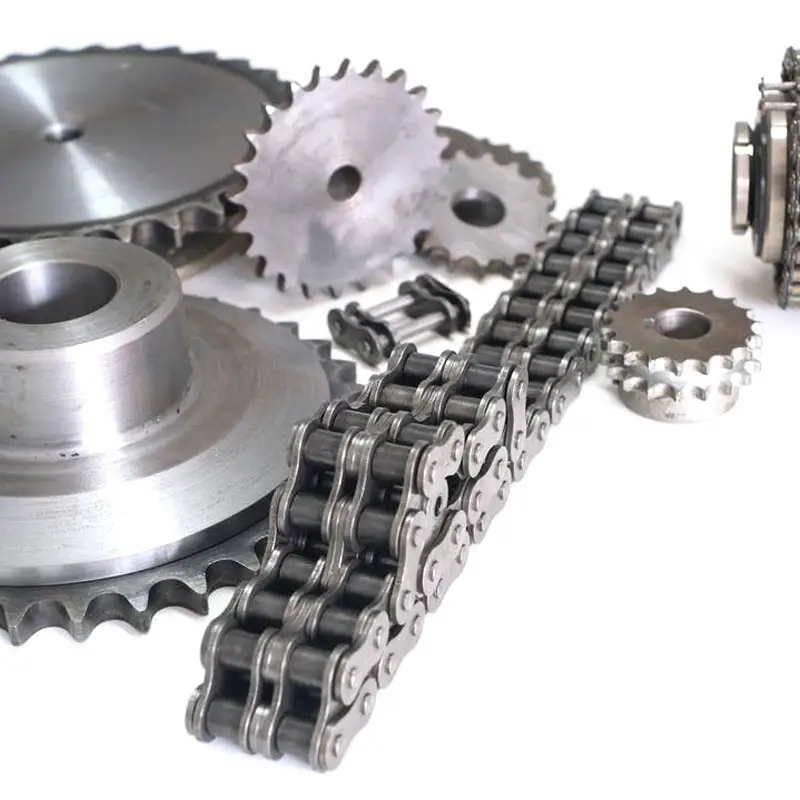
What are the Maintenance Requirements for a wheel sprocket Assembly?
Proper maintenance of the wheel sprocket assembly is essential to ensure its optimal performance and longevity. Here are some maintenance tips:
- Regular Cleaning: Keep the wheel sprocket assembly clean from dirt, debris, and grime. Regularly wipe down the sprockets and chain to prevent buildup, which can lead to accelerated wear.
- Lubricación: Apply a suitable lubricant to the chain and sprockets to reduce friction and wear. Lubrication also helps in maintaining smooth operation and preventing corrosion. However, avoid over-lubrication, as excessive grease can attract more dirt.
- Chain Tension: Check the tension of the chain regularly. A loose chain can result in slippage and damage to the sprockets, while an overly tight chain can increase wear and strain on the components. Adjust the chain tension as per the manufacturer’s guidelines.
- Inspection: Periodically inspect the sprockets and chain for signs of wear, damage, or elongation. Replace any worn-out or damaged components promptly to avoid further issues.
- Alineación: Ensure proper alignment of the sprockets and wheels. Misalignment can lead to uneven wear and reduced efficiency. Adjust the alignment as needed to maintain smooth power transmission.
- Replace Worn Parts: Over time, sprockets and chains will wear out due to regular use. Replace worn sprockets or chains with new ones from reputable suppliers to maintain optimal performance.
- Environmental Considerations: In certain applications, exposure to harsh environments or extreme temperatures may require more frequent maintenance and inspection.
By following these maintenance practices, you can extend the lifespan of the wheel sprocket assembly and ensure reliable operation in various applications.
Uso de una rueda dentada de correa en lugar de una rueda dentada de cadena con una rueda
Sí, en muchos casos, se puede utilizar un piñón de correa en lugar de un piñón de cadena con una rueda, siempre que el sistema esté diseñado para adaptarse a dicho cambio.
Tanto los piñones de cadena como los de correa cumplen la misma función fundamental: transferir el movimiento de rotación y la potencia entre la rueda y el componente accionado. Sin embargo, existen algunas consideraciones importantes que se deben tener en cuenta al reemplazar un piñón de cadena por uno de correa:
- Alineación: Los piñones de correa y de cadena deben estar correctamente alineados con la rueda para garantizar una transmisión de potencia fluida y eficiente. Cualquier desalineación puede provocar un desgaste prematuro y reducir el rendimiento general del sistema.
- Tensión: Los sistemas de transmisión por cadena requieren una tensión específica para evitar holgura y mantener un acoplamiento adecuado entre los piñones y la cadena. Los sistemas de transmisión por correa, por otro lado, requieren la tensión apropiada para evitar deslizamientos. Asegurar la tensión correcta para cada tipo de piñón es fundamental para un funcionamiento fiable.
- Capacidad de carga: Al seleccionar un piñón de correa, tenga en cuenta la capacidad de carga y los requisitos de par del sistema. Los piñones de correa pueden tener capacidades de carga diferentes a las de los piñones de cadena, y usar el tipo incorrecto puede provocar un desgaste prematuro o una falla.
- Velocidad y RPM: Los sistemas de transmisión por correa pueden tener velocidades de funcionamiento y límites de RPM diferentes a los de los sistemas de transmisión por cadena. Asegúrese de que la rueda dentada seleccionada pueda soportar la velocidad de rotación deseada sin exceder sus límites de diseño.
- Diseño del sistema: El cambio de un sistema de transmisión por cadena a uno por correa (o viceversa) puede requerir modificaciones en el diseño general del sistema, incluyendo el tamaño de los piñones y la disposición del sistema. Consulte con un ingeniero o un profesional cualificado para garantizar que el reemplazo sea adecuado y seguro.
En general, sustituir un piñón de cadena por uno de correa puede ser una opción viable en ciertas aplicaciones. Sin embargo, es fundamental tener en cuenta los factores mencionados anteriormente y evaluar la compatibilidad del nuevo piñón con el sistema existente para lograr un rendimiento y una durabilidad óptimos.

Choosing the Right Size of Sprocket to Match a Wheel
Choosing the correct size of sprocket to match a wheel is essential for ensuring efficient power transmission and proper functionality of a mechanical system. Here are the steps to help you choose the right size of sprocket:
1. Determine the Pitch Diameter of the Wheel:
Measure the diameter of the wheel from the center to the point where the teeth of the sprocket will engage with the wheel. This measurement is known as the pitch diameter of the wheel.
2. Identify the Desired Gear Ratio:
Determine the gear ratio you want to achieve for your application. The gear ratio is the ratio of the number of teeth on the sprocket to the number of teeth on the wheel and determines the speed and torque output.
3. Calculate the Number of Teeth on the Sprocket:
Once you have the pitch diameter of the wheel and the desired gear ratio, you can calculate the number of teeth on the sprocket using the formula:
Number of Teeth on Sprocket = (Desired Gear Ratio) * (Number of Teeth on Wheel)
4. Select a Standard Sprocket Size:
Based on the calculated number of teeth on the sprocket, choose a standard sprocket size that comes closest to the calculated value. Sprockets are available in various tooth counts, and you may need to choose the nearest size available.
5. Consider Chain Compatibility:
If you are using a chain drive system, ensure that the selected sprocket is compatible with the chain you plan to use. The chain pitch (distance between the centers of adjacent roller pins) should match the pitch of the sprocket.
6. Verify Center Distance:
Check that the center distance between the wheel and the sprocket is appropriate for your application. The center distance is the distance between the centers of the wheel and the sprocket and should be set to achieve the desired tension and alignment of the chain or belt.
7. Consider the Material and Tooth Profile:
Select a sprocket material suitable for your application, such as steel, stainless steel, or plastic, based on factors like load, environment, and operating conditions. Additionally, consider the tooth profile (standard or custom) to ensure smooth engagement with the chain or belt.
By following these steps and considering the specific requirements of your machinery and mechanical system, you can choose the right size of sprocket to match your wheel and achieve optimal performance and longevity of the system.


editor by CX 2023-10-05