Descripción del Producto
ISO Standard Made to Order & Tooth Surface Hardening Sprockets for Roller Chain
Descripción del Producto
1. Produce strictly in accordance with ANSI or DIN standard dimension
2. Material: C45 steel / Stainless Steel 304 & 316
3. Standard: ANSI, DIN, JINS, ISO, Standard America or customer drawing
4. Pilot bore, finished bore, taper bore and special bore
5. Bright surface and high precision
6. Advanced heat treatment and surface treatment craft
7. Best quality and competitive price.
8. Welcome OEM / ODM
| Product name | ISO Standard Sprocket for Roller Chain |
| Materials Available | 1. Stainless Steel: SS304, SS316, etc |
| 2. Alloy Steel: C45, 45Mn, 42CrMo, 20CrMo, etc | |
| 3. OEM according to your request | |
| Tratamiento de superficies | Heat treatment, Quenching treatment, High frequency normalizing treatment, Polishing, Electrophoresis paint processing, Anodic oxidation treatment, etc |
| Characteristic | Fire resistant, Oil resistant, Heat resistant, CZPT resistance, Oxidative resistance, Corrosion resistance, etc |
| Design criterion | ISO DIN ANSI & Customer Drawings |
| Size | Customer Drawings & ISO standard |
| Application | Industrial transmission equipment |
| Package | Wooden Case / Container and pallet, or made-to-order |
| Certificate | ISO9001: 2008 |
| Advantage | Quality first, Service first, Competitive price, Fast delivery |
| Delivery Time | 20 days for samples. 45 days for official order. |
Detailed Photos
View more products,please click here…
Company Profile
| Standard Or Nonstandard: | Estándar |
|---|---|
| Solicitud: | Machinery, Marine, Agricultural Machinery, Industry |
| Hardness: | Hardened Tooth Surface |
| Material: | Alloy Steel/Stainless Steel |
| Tipo: | Rueda de espigas |
| Sample: | for Free |
| Samples: |
US$ 0/Piece
1 Piece(Min.Order) | |
|---|
| Personalización: |
Disponible
| Solicitud personalizada |
|---|
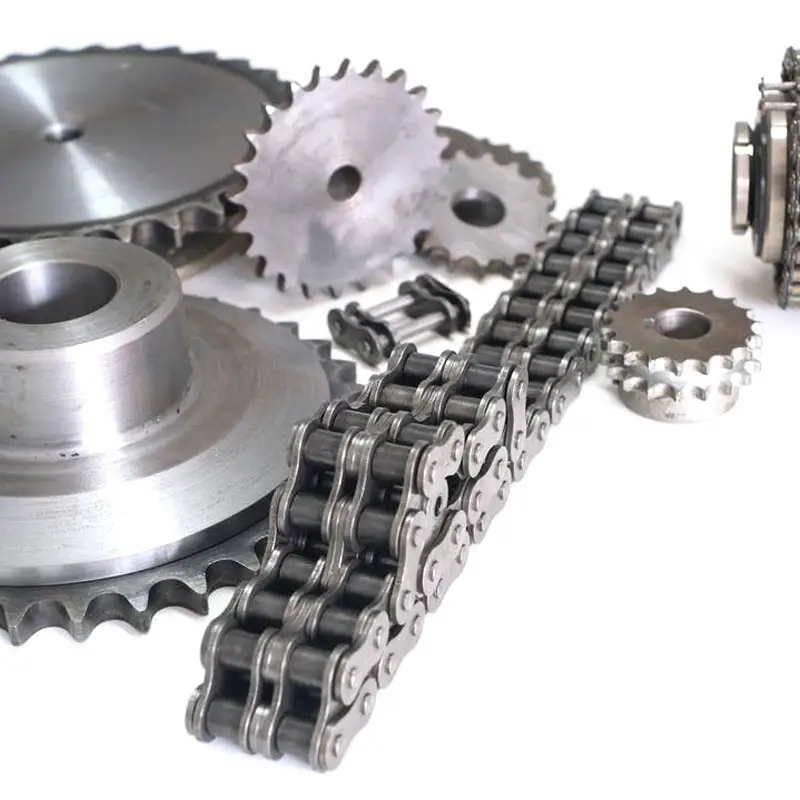
What are the Maintenance Requirements for a wheel sprocket Assembly?
Proper maintenance of the wheel sprocket assembly is essential to ensure its optimal performance and longevity. Here are some maintenance tips:
- Regular Cleaning: Keep the wheel sprocket assembly clean from dirt, debris, and grime. Regularly wipe down the sprockets and chain to prevent buildup, which can lead to accelerated wear.
- Lubricación: Apply a suitable lubricant to the chain and sprockets to reduce friction and wear. Lubrication also helps in maintaining smooth operation and preventing corrosion. However, avoid over-lubrication, as excessive grease can attract more dirt.
- Chain Tension: Check the tension of the chain regularly. A loose chain can result in slippage and damage to the sprockets, while an overly tight chain can increase wear and strain on the components. Adjust the chain tension as per the manufacturer’s guidelines.
- Inspection: Periodically inspect the sprockets and chain for signs of wear, damage, or elongation. Replace any worn-out or damaged components promptly to avoid further issues.
- Alineación: Ensure proper alignment of the sprockets and wheels. Misalignment can lead to uneven wear and reduced efficiency. Adjust the alignment as needed to maintain smooth power transmission.
- Replace Worn Parts: Over time, sprockets and chains will wear out due to regular use. Replace worn sprockets or chains with new ones from reputable suppliers to maintain optimal performance.
- Environmental Considerations: In certain applications, exposure to harsh environments or extreme temperatures may require more frequent maintenance and inspection.
By following these maintenance practices, you can extend the lifespan of the wheel sprocket assembly and ensure reliable operation in various applications.
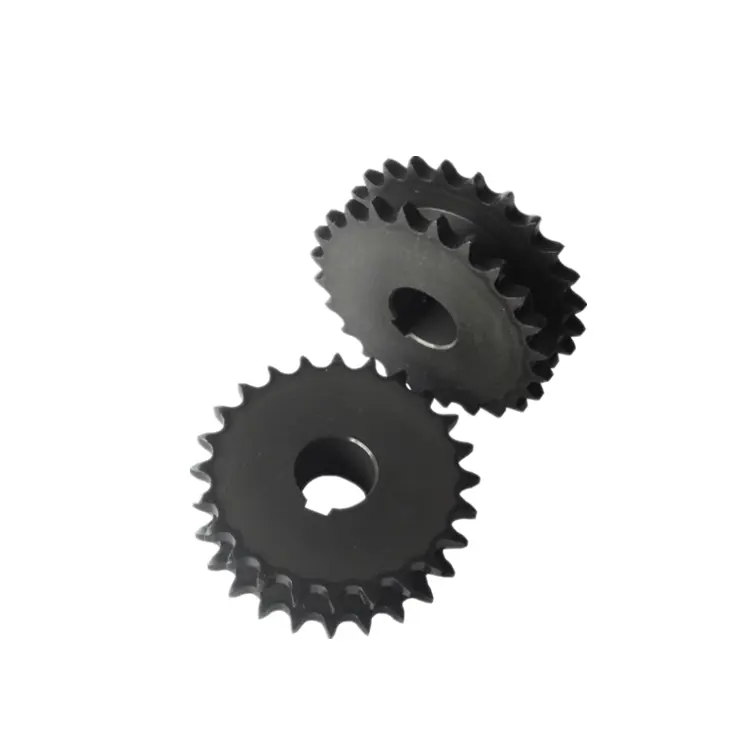
Sistema de transmisión de potencia vertical con piñón de rueda
Sí, un sistema de piñón y rueda puede utilizarse para la transmisión de potencia vertical. En estos casos, el sistema está diseñado para transmitir potencia y movimiento entre ejes alineados verticalmente. La transmisión de potencia vertical mediante un conjunto de piñón y rueda sigue principios similares a la transmisión horizontal, pero hay algunos factores a tener en cuenta:
- Carga y par motor: Al transmitir potencia verticalmente, el peso de la carga puede influir significativamente en los requisitos de par motor. El par debe ser suficiente para levantar la carga contra la gravedad, teniendo en cuenta la fricción y otras fuerzas de resistencia.
- Selección de piñones: Elegir la rueda dentada adecuada es fundamental para la transmisión vertical. Los dientes de la rueda dentada deben estar diseñados para acoplarse eficazmente a la cadena o correa y evitar deslizamientos, especialmente al levantar cargas pesadas.
- Lubricación: Una lubricación adecuada es esencial para reducir la fricción y el desgaste del sistema. Las aplicaciones verticales pueden requerir lubricantes específicos para garantizar un funcionamiento óptimo y prevenir fallos prematuros.
- Tensado: Mantener la tensión correcta en la cadena o correa es fundamental para la transmisión de potencia vertical. Una tensión adecuada evita que la cadena o correa se afloje y garantiza un acoplamiento correcto entre la rueda y el piñón.
- Carga en voladizo: En configuraciones verticales, el peso del conjunto de piñón y eje puede generar una carga en voladizo sobre los cojinetes. Para soportar esta carga, es necesario contar con un soporte adecuado y seleccionar los cojinetes correctos.
La transmisión de potencia vertical mediante un sistema de piñón y rueda se utiliza comúnmente en diversas aplicaciones, como sistemas de transporte, ascensores y cierta maquinaria industrial. Un diseño, instalación y mantenimiento adecuados son esenciales para garantizar un funcionamiento seguro y eficiente en configuraciones verticales.
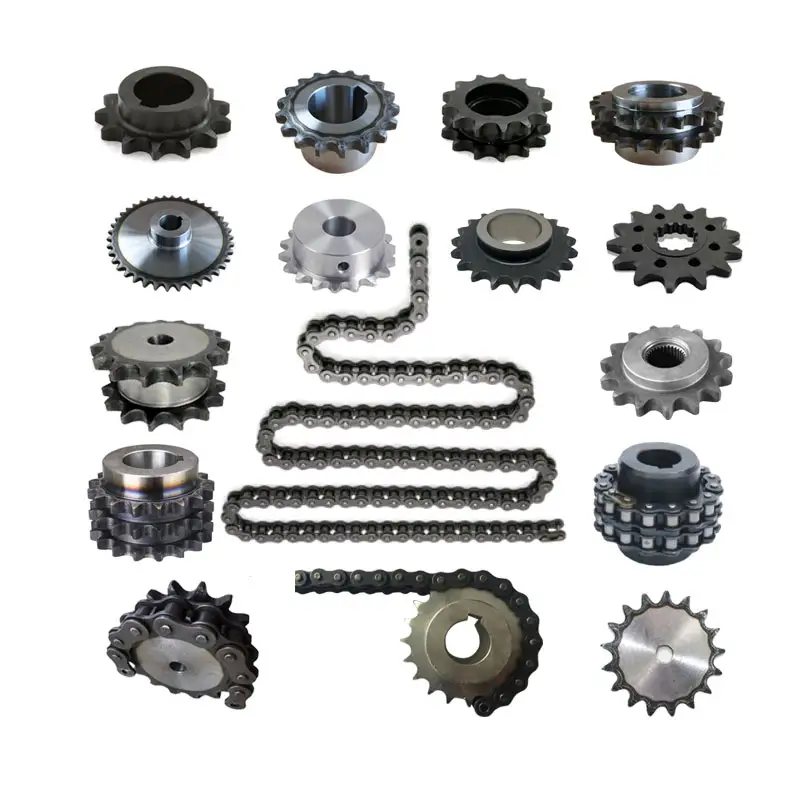
Calculating Gear Ratio for a wheel sprocket Setup
In a wheel sprocket system, the gear ratio represents the relationship between the number of teeth on the sprocket and the number of teeth on the wheel. The gear ratio determines the speed and torque relationship between the two components. To calculate the gear ratio, use the following formula:
Gear Ratio = Number of Teeth on Sprocket ÷ Number of Teeth on Wheel
For example, if the sprocket has 20 teeth and the wheel has 60 teeth, the gear ratio would be:
Gear Ratio = 20 ÷ 60 = 1/3
The gear ratio can also be expressed as a decimal or percentage. In the above example, the gear ratio can be expressed as 0.3333 or 33.33%.
It’s important to note that the gear ratio affects the rotational speed and torque of the wheel sprocket. A gear ratio greater than 1 indicates that the sprocket’s speed is higher than the wheel’s speed, resulting in increased rotational speed and reduced torque at the wheel. Conversely, a gear ratio less than 1 indicates that the sprocket’s speed is lower than the wheel’s speed, resulting in decreased rotational speed and increased torque at the wheel.
The gear ratio is crucial in various applications where precise control of speed and torque is required, such as bicycles, automobiles, and industrial machinery.


editor by CX 2023-08-18