Produktbeschreibung
ISO Standard Made to Order & Tooth Surface Hardening Sprockets for Roller Chain
Produktbeschreibung
1. Produce strictly in accordance with ANSI or DIN standard dimension
2. Material: C45 steel / Stainless Steel 304 & 316
3. Standard: ANSI, DIN, JINS, ISO, Standard America or customer drawing
4. Pilot bore, finished bore, taper bore and special bore
5. Bright surface and high precision
6. Advanced heat treatment and surface treatment craft
7. Best quality and competitive price.
8. Welcome OEM / ODM
| Product name | ISO Standard Sprocket for Roller Chain |
| Materials Available | 1. Stainless Steel: SS304, SS316, etc |
| 2. Alloy Steel: C45, 45Mn, 42CrMo, 20CrMo, etc | |
| 3. OEM according to your request | |
| Oberflächenbehandlung | Heat treatment, Quenching treatment, High frequency normalizing treatment, Polishing, Electrophoresis paint processing, Anodic oxidation treatment, etc |
| Characteristic | Fire resistant, Oil resistant, Heat resistant, CZPT resistance, Oxidative resistance, Corrosion resistance, etc |
| Design criterion | ISO DIN ANSI & Customer Drawings |
| Size | Customer Drawings & ISO standard |
| Anwendung | Industrial transmission equipment |
| Package | Wooden Case / Container and pallet, or made-to-order |
| Certificate | ISO9001: 2008 |
| Advantage | Quality first, Service first, Competitive price, Fast delivery |
| Delivery Time | 20 days for samples. 45 days for official order. |
Detailed Photos
View more products,please click here…
Company Profile
| Standard Or Nonstandard: | Standard |
|---|---|
| Anwendung: | Machinery, Marine, Agricultural Machinery, Industry |
| Hardness: | Hardened Tooth Surface |
| Material: | Alloy Steel/Stainless Steel |
| Typ: | Kettenrad |
| Sample: | for Free |
| Samples: |
US$ 0/Piece
1 Piece(Min.Order) | |
|---|
| Anpassung: |
Verfügbar
| Kundenspezifische Anfrage |
|---|
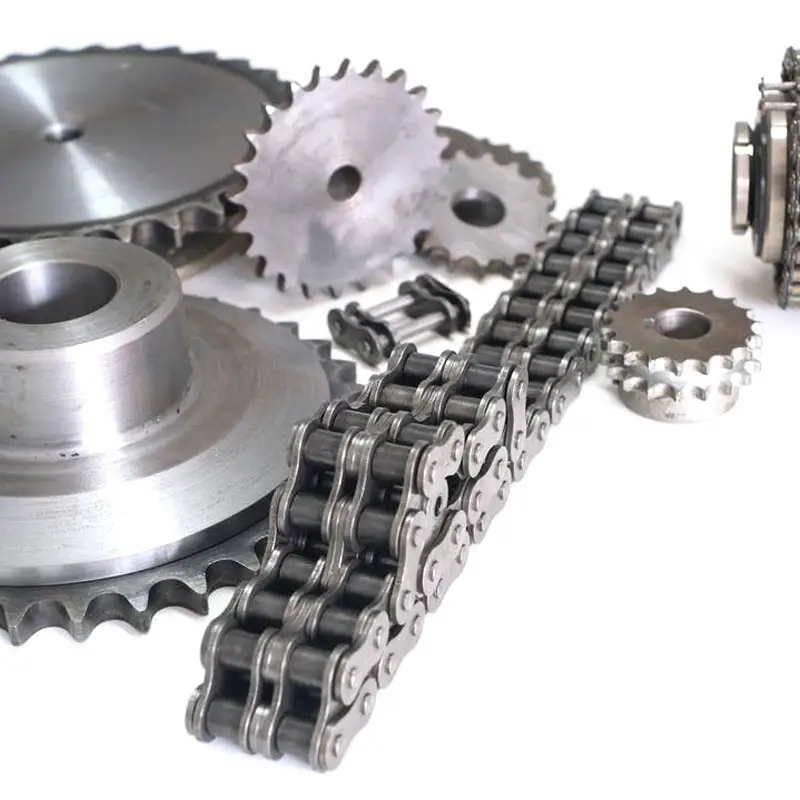
What are the Maintenance Requirements for a wheel sprocket Assembly?
Proper maintenance of the wheel sprocket assembly is essential to ensure its optimal performance and longevity. Here are some maintenance tips:
- Regular Cleaning: Keep the wheel sprocket assembly clean from dirt, debris, and grime. Regularly wipe down the sprockets and chain to prevent buildup, which can lead to accelerated wear.
- Schmierung: Apply a suitable lubricant to the chain and sprockets to reduce friction and wear. Lubrication also helps in maintaining smooth operation and preventing corrosion. However, avoid over-lubrication, as excessive grease can attract more dirt.
- Chain Tension: Check the tension of the chain regularly. A loose chain can result in slippage and damage to the sprockets, while an overly tight chain can increase wear and strain on the components. Adjust the chain tension as per the manufacturer’s guidelines.
- Inspection: Periodically inspect the sprockets and chain for signs of wear, damage, or elongation. Replace any worn-out or damaged components promptly to avoid further issues.
- Alignment: Ensure proper alignment of the sprockets and wheels. Misalignment can lead to uneven wear and reduced efficiency. Adjust the alignment as needed to maintain smooth power transmission.
- Replace Worn Parts: Over time, sprockets and chains will wear out due to regular use. Replace worn sprockets or chains with new ones from reputable suppliers to maintain optimal performance.
- Environmental Considerations: In certain applications, exposure to harsh environments or extreme temperatures may require more frequent maintenance and inspection.
By following these maintenance practices, you can extend the lifespan of the wheel sprocket assembly and ensure reliable operation in various applications.
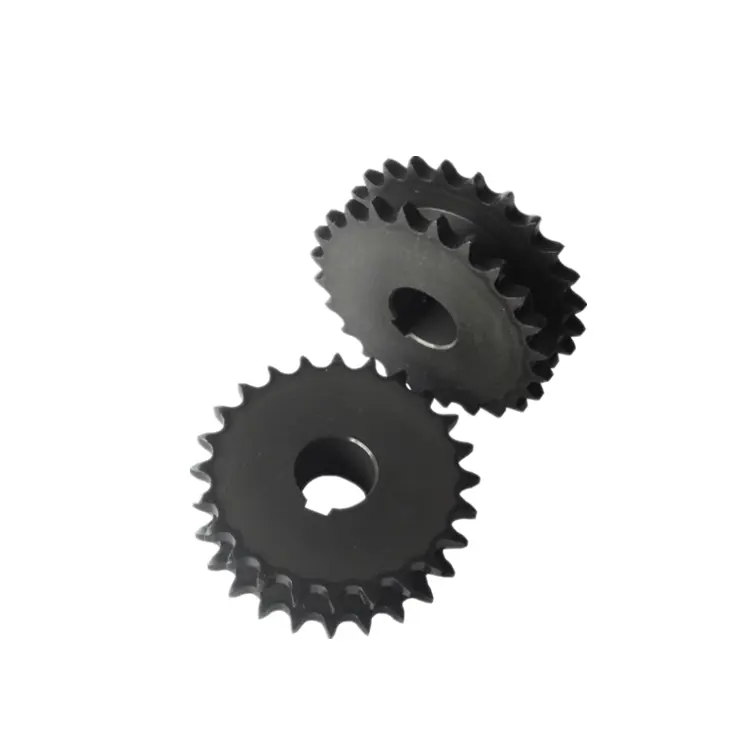
Vertikale Kraftübertragung mit Radkettenradsystem
Ja, ein Rad-Ketten-System kann zur vertikalen Kraftübertragung eingesetzt werden. In solchen Fällen ist das System so konstruiert, dass es Kraft und Bewegung zwischen vertikal ausgerichteten Wellen überträgt. Die vertikale Kraftübertragung mittels Rad-Ketten-System folgt ähnlichen Prinzipien wie die horizontale Übertragung, jedoch sind einige Faktoren zu berücksichtigen:
- Last und Drehmoment: Bei der vertikalen Kraftübertragung kann das Gewicht der Last den Drehmomentbedarf erheblich beeinflussen. Das Drehmoment muss ausreichen, um die Last unter Berücksichtigung von Reibung und anderen Widerstandskräften entgegen der Schwerkraft anzuheben.
- Kettenradauswahl: Die Wahl des richtigen Kettenrads ist für den vertikalen Antrieb entscheidend. Die Zähne des Kettenrads müssen so konstruiert sein, dass sie Kette oder Riemen effektiv in Eingriff bringen und ein Durchrutschen verhindern, insbesondere beim Heben schwerer Lasten.
- Schmierung: Eine sachgemäße Schmierung ist unerlässlich, um Reibung und Verschleiß im System zu reduzieren. Bei vertikalen Anwendungen können spezielle Schmierstoffe erforderlich sein, um einen reibungslosen Betrieb zu gewährleisten und vorzeitigen Ausfall zu verhindern.
- Spannung: Die korrekte Spannung von Kette oder Riemen ist für die vertikale Kraftübertragung entscheidend. Richtige Spannung verhindert Durchhängen und gewährleistet den korrekten Eingriff zwischen Rad und Kettenrad.
- Überhängende Last: Bei vertikalen Anordnungen kann das Gewicht der Kettenrad- und Wellenbaugruppe eine zusätzliche Last auf die Lager ausüben. Eine ausreichende Abstützung und die Wahl geeigneter Lager sind erforderlich, um diese Last aufzunehmen.
Vertikale Kraftübertragung mittels Rad-Ketten-System findet in verschiedenen Anwendungen Verwendung, darunter Förderanlagen, Aufzüge und einige Industriemaschinen. Eine fachgerechte Konstruktion, Installation und Wartung sind unerlässlich für einen sicheren und effizienten Betrieb in vertikalen Konfigurationen.
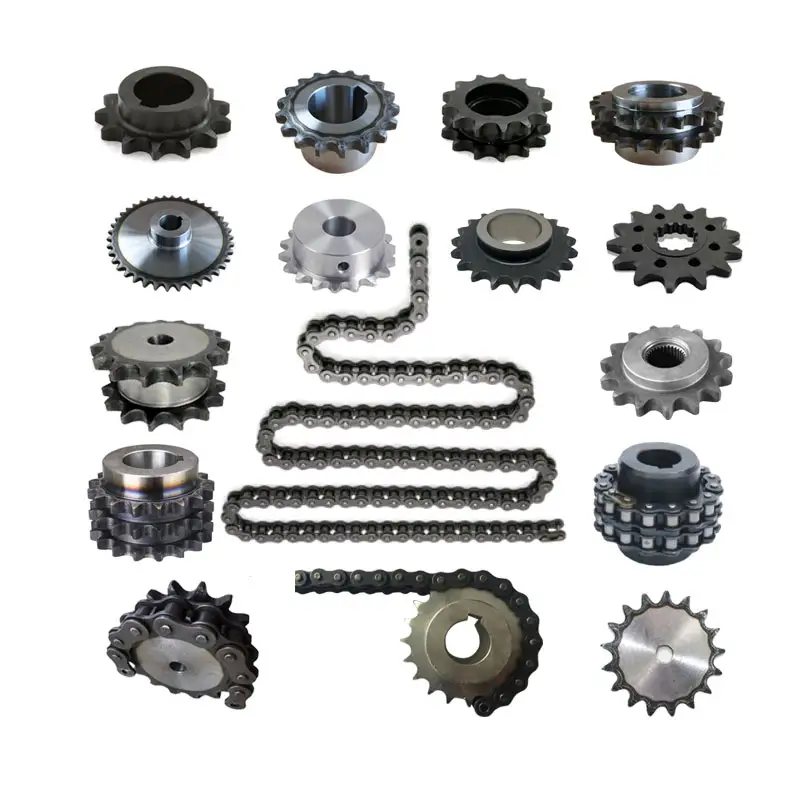
Calculating Gear Ratio for a wheel sprocket Setup
In a wheel sprocket system, the gear ratio represents the relationship between the number of teeth on the sprocket and the number of teeth on the wheel. The gear ratio determines the speed and torque relationship between the two components. To calculate the gear ratio, use the following formula:
Gear Ratio = Number of Teeth on Sprocket ÷ Number of Teeth on Wheel
For example, if the sprocket has 20 teeth and the wheel has 60 teeth, the gear ratio would be:
Gear Ratio = 20 ÷ 60 = 1/3
The gear ratio can also be expressed as a decimal or percentage. In the above example, the gear ratio can be expressed as 0.3333 or 33.33%.
It’s important to note that the gear ratio affects the rotational speed and torque of the wheel sprocket. A gear ratio greater than 1 indicates that the sprocket’s speed is higher than the wheel’s speed, resulting in increased rotational speed and reduced torque at the wheel. Conversely, a gear ratio less than 1 indicates that the sprocket’s speed is lower than the wheel’s speed, resulting in decreased rotational speed and increased torque at the wheel.
The gear ratio is crucial in various applications where precise control of speed and torque is required, such as bicycles, automobiles, and industrial machinery.


editor by CX 2023-08-18