وصف المنتج
|
Business type |
Manufacturer & Exporter |
||
|
Main export market |
Europe, North and South America, Southeast Asia, Oceania, Middle East, Africa |
||
|
مادة |
Alloy Steel, Carbon Steel, Stainless Steel,Aluminum, Copper, Brass |
||
|
Manufacturing method |
Forged and then machined, hobbed, if need can also weld |
||
|
المعالجة الحرارية |
Hardening and Tempering, High Frequency Quenching, Carburizing Quenching |
||
|
Surface treatment |
Oxide black, Galvanized, Nickel plated, Chrome plated,Painted and so on |
||
|
نموذج |
ANSI: 25/35/41/40/50/60/80/100/120/140/160/180/200/240 |
||
|
DIN/ISO:04C/06C/085/08A/10A/12A/16A/20A/24A/28A/32A/36A/40A/48A |
|||
|
DIN/ISO:04B/05B/06B/08B/10B/12B/16B/20B/24B/28B/32B/36B/40B/48B |
|||
|
عملية |
Forging, Hobbing, Precision machining |
||
|
أسنان |
8T-100T |
||
|
Type |
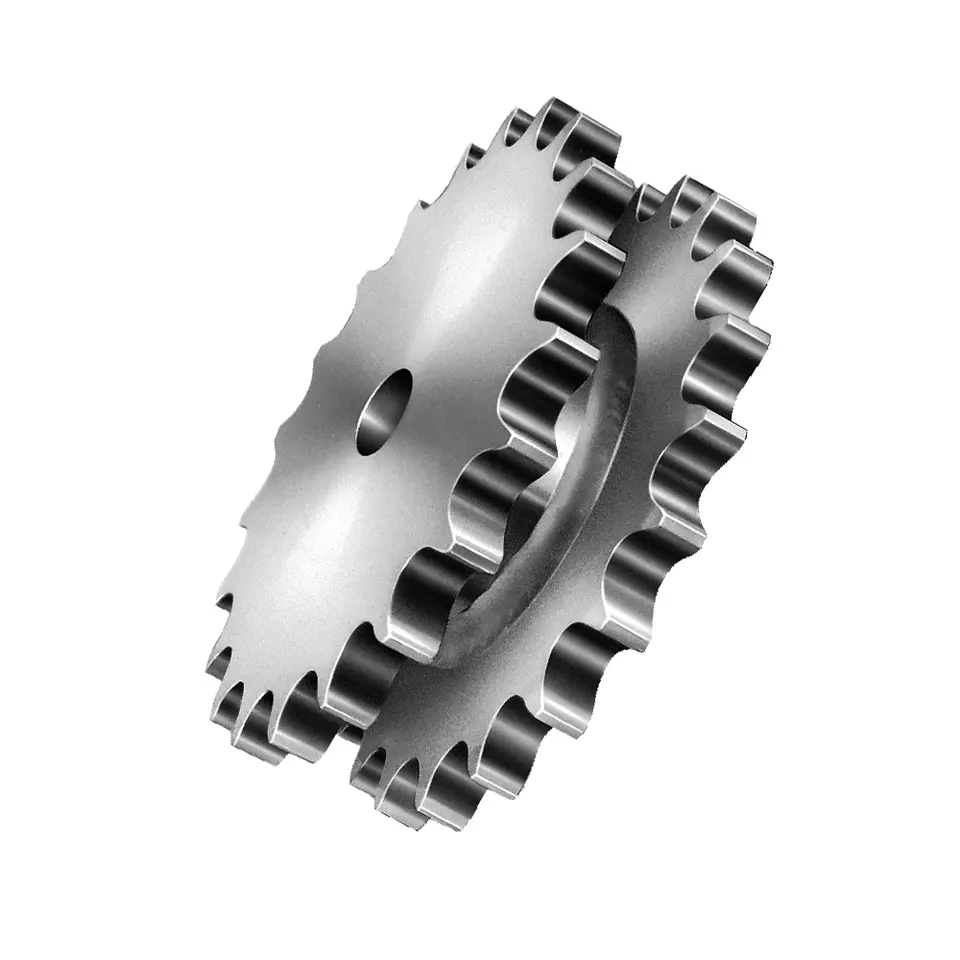
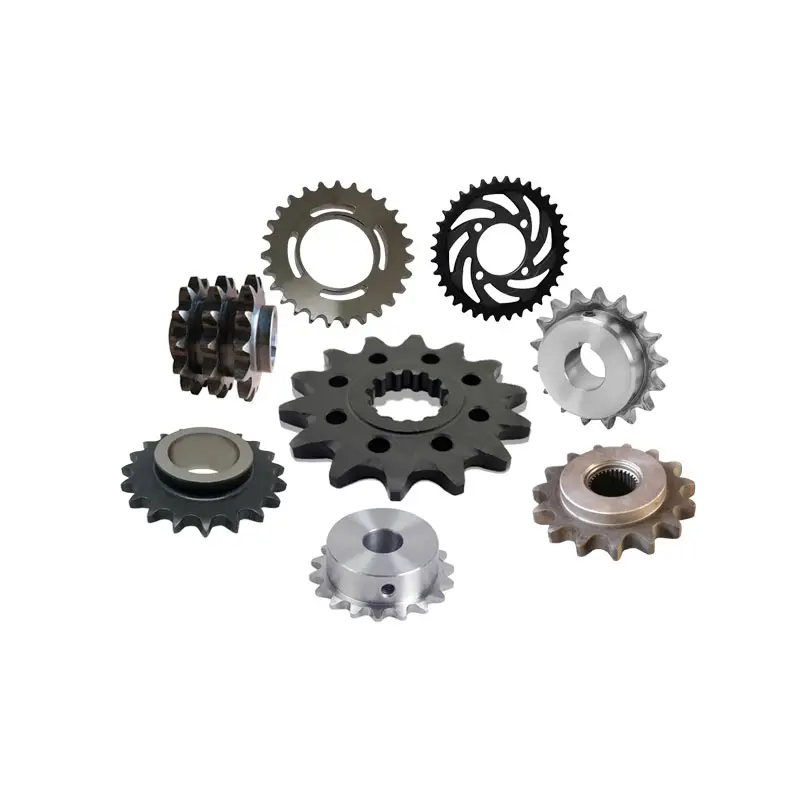
Type A sprockets :Plate (without Hub) |
||
|
Type B sprockets:One side with hub |
|||
|
Type C sprockets: Double side with hub |
|||
|
Finished bore sprockets:With the inner hole ,keyway and screw |
|||
1.Fast delivery: Standard products can be delivered in as fast as 20 days
2.Good service: timely reply, prompt quotation, responsible for the product
3.High cost performance: can maintain price stability for a certain period of time, bringing greater profits to customers
4.Good quality: production and testing have corresponding supervision to ensure product quality and get high praise from customers
5.OEM service: products can be customized according to drawings and requirements
We are responsible for the ordered products. We are very confident in the products we produce. Of course, if you have any problems after receiving the goods, you can contact us directly. We will confirm and negotiate in time to solve your difficulties.
|
تكلفة الشحن:
تكلفة الشحن المقدرة لكل وحدة. |
سيتم التفاوض عليه |
|---|
| قياسي أم غير قياسي: | معيار |
|---|---|
| طلب: | Motor, Motorcycle, Machinery, Agricultural Machinery |
| صلابة: | سطح السن المقوى |
| أمثلة: |
US$ 35/kg
1 kg(Min.Order) | اطلب عينة |
|---|
| التخصيص: |
متاح
| طلب مخصص |
|---|
How to Identify and Troubleshoot Common Issues with Wheels and Sprockets
Identifying and troubleshooting common issues with wheels and sprockets can help you maintain their proper functioning and prevent potential problems. Here are some steps to follow:
- Abnormal Noise: If you notice unusual noise during operation, it could indicate misalignment, worn sprockets, or a loose chain. Check for any loose bolts or fasteners and ensure proper alignment of the sprockets.
- Chain Slippage: Chain slippage can occur due to insufficient tension or worn-out sprocket teeth. Check the chain tension and adjust it to the recommended level. Inspect the sprocket teeth for signs of wear and replace them if necessary.
- Uneven Wear: Uneven wear on the sprocket teeth can be a result of misalignment or a worn-out chain. Check the alignment of the sprockets and adjust as needed. If the chain is stretched or has damaged links, replace it with a new one.
- Excessive Vibration: Excessive vibration may be caused by imbalanced wheels or misaligned sprockets. Check for any bent or damaged wheels and ensure proper alignment of the sprockets.
- Chain Skipping: If the chain skips over the sprocket teeth during operation, it could be due to worn sprocket teeth or a loose chain. Inspect the sprocket teeth for signs of wear and replace them if necessary. Adjust the chain tension to the proper level.
- Chain Jamming: Chain jamming can occur if there is debris or dirt between the chain and sprockets. Clean the chain and sprockets thoroughly to remove any obstructions.
- Excessive Chain Wear: Regularly inspect the chain for signs of wear, such as elongation, damaged links, or rust. Replace the chain if it is significantly worn to avoid damage to the sprockets.
- Overheating: Overheating can be caused by high friction between the chain and sprockets or improper lubrication. Ensure proper lubrication and check for any misalignment or tight spots in the system.
By identifying these common issues and performing regular inspections, you can troubleshoot problems early on and take appropriate corrective measures, ensuring the smooth operation and longevity of the wheel sprocket assembly.
حدود درجة الحرارة لتشغيل نظام تروس العجلات
تعتمد حدود درجة الحرارة اللازمة لتشغيل نظام تروس العجلات على المواد المستخدمة في تصنيع مكوناته. وتختلف المواد المختلفة في مدى تحملها لدرجات الحرارة، وقد يؤدي تجاوز هذه الحدود إلى انخفاض الأداء، والتآكل المبكر، وحتى تعطل النظام.
فيما يلي بعض المواد الشائعة المستخدمة في أنظمة تروس العجلات وحدود درجة حرارتها العامة:
- فُولاَذ: تُستخدم عجلات التروس الفولاذية على نطاق واسع في العديد من التطبيقات، وتتراوح درجة حرارتها القصوى عادةً بين -40 درجة مئوية و500 درجة مئوية (-40 درجة فهرنهايت إلى 932 درجة فهرنهايت). ومع ذلك، قد يختلف نطاق درجة الحرارة المحدد بناءً على نوع الفولاذ وأي طلاءات أو معالجات مُطبقة.
- الفولاذ المقاوم للصدأ: تتميز عجلات ومسننات الفولاذ المقاوم للصدأ بمقاومة محسّنة للتآكل، كما أنها تتحمل درجات حرارة أعلى من الفولاذ العادي. ويتراوح حد درجة حرارتها عادةً بين -100 درجة مئوية و600 درجة مئوية (-148 درجة فهرنهايت إلى 1112 درجة فهرنهايت).
- البلاستيك: تُستخدم العجلات المسننة والبلاستيكية بشكل شائع في التطبيقات ذات الأحمال والسرعات المنخفضة. ويختلف الحد الأقصى لدرجة حرارة المكونات البلاستيكية اختلافًا كبيرًا تبعًا لنوع البلاستيك المستخدم. وبشكل عام، يتراوح هذا الحد بين -40 درجة مئوية و150 درجة مئوية (-40 درجة فهرنهايت إلى 302 درجة فهرنهايت).
- الألومنيوم: تتحمل عجلات ومسننات الألومنيوم درجات حرارة تتراوح بين -40 درجة مئوية و250 درجة مئوية (-40 درجة فهرنهايت إلى 482 درجة فهرنهايت). وتُستخدم عادةً في التطبيقات التي يكون فيها تقليل الوزن أمراً بالغ الأهمية.
من الضروري الرجوع إلى مواصفات الشركة المصنعة وبيانات المواد الخاصة بالمكونات المستخدمة في نظام تروس العجلة لتحديد حدود درجة حرارتها بدقة. كما أن عوامل مثل الحمل والسرعة والظروف البيئية قد تؤثر على مدى تحمل النظام لدرجة الحرارة.
عند تشغيل نظام تروس العجلات بالقرب من حدود درجة حرارته القصوى، يلزم إجراء مراقبة وصيانة دورية لضمان سلامة المكونات وأداء النظام ككل. إذا كان التطبيق يتضمن درجات حرارة قصوى تتجاوز الحدود النموذجية للمواد، فقد يلزم استخدام مواد متخصصة تتحمل درجات الحرارة العالية أو اتخاذ تدابير تبريد للحفاظ على التشغيل الموثوق.
Can a wheel sprocket System be Used in Bicycles and Other Vehicles?
Yes, a wheel sprocket system is commonly used in bicycles and various other vehicles. In bicycles, the wheel sprocket system is a fundamental part of the drivetrain, which transfers power from the rider’s legs to the wheels, propelling the bicycle forward.
The typical bicycle drivetrain consists of a chain, front sprockets (chainrings), rear sprockets (cassette), and the bicycle’s wheels. When the rider pedals the bicycle, the chain engages with the sprockets, and as a result, the rotational motion from the pedaling is transferred to the rear wheel.
The selection of sprocket sizes (number of teeth on chainrings and cassette) can affect the gear ratio, allowing cyclists to adjust their pedaling effort and speed to suit different terrains and riding conditions. Smaller sprockets provide easier pedaling for climbing steep hills, while larger sprockets offer higher speeds on flat or downhill sections.
Beyond bicycles, the wheel sprocket system is widely used in various other vehicles and machinery to transmit power and control speed. It can be found in motorcycles, mopeds, electric scooters, and even some small electric vehicles. Additionally, the wheel sprocket system is prevalent in industrial machinery, where precise speed control and torque transmission are essential.
The efficiency and reliability of the wheel sprocket system make it a versatile and practical choice for many vehicles and mechanical applications.


editor by CX 2023-09-04