وصف المنتج
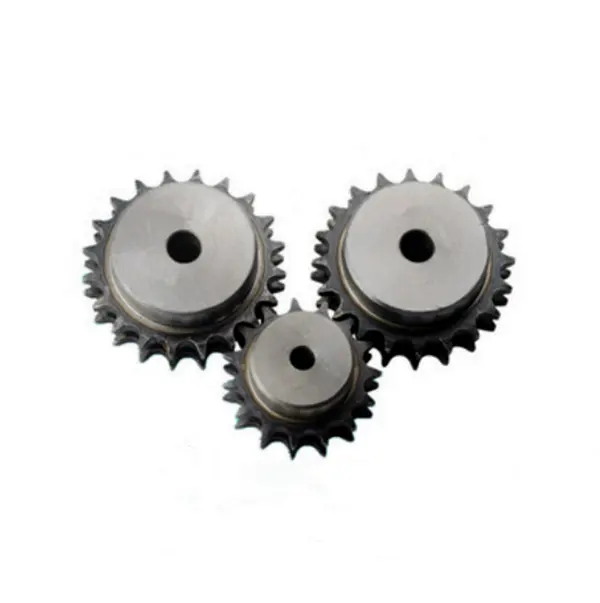
Welded Metric Roller Drive Conveyor Chain CZPT Plastic Stainless Steel Duplex Cast Iron Plate Flat Top Finished Bore Idler Bushed Taper Lock Qd Sprocket
Standard sprockets:
|
||||||||||||||||||||||||||||||||||||||||||||||||||||||||
Customization process :
1.Provide documentation: CAD, DWG, DXF, PDF,3D model ,STEP, IGS, PRT
2.Quote: We will give you the best price within 24 hours
3.Place an order: Confirm the cooperation details and CZPT the contract, and provide the labeling service
4.Processing and customization: Short delivery time
Related products:
Our Factory
If you need to customize transmission products,
please click here to contact us!
Chain Sprockets:
Company Information:
/* 22 يناير 2571 19:08:37 */!function(){function s(e,r){var a,o={};try{e&&e.split(“,").forEach(function(e,t){e&&(a=e.match(/(.*?):(.*)$/))&&1
| قياسي أم غير قياسي: | معيار |
|---|---|
| طلب: | Motor, Electric Cars, Motorcycle, Machinery, Marine, Agricultural Machinery, Car |
| صلابة: | سطح السن المقوى |
| طريقة التصنيع: | قطع التروس |
| شكل الجزء المسنن: | Spur Gear |
| مادة: | Custom Made |
| أمثلة: |
US$ 9999/Piece
قطعة واحدة (الحد الأدنى للطلب) | |
|---|
ضمان المحاذاة الصحيحة بين العجلة والترس المقابل لها
يُعدّ التوافق الصحيح بين العجلة والترس المقابل لها أمرًا بالغ الأهمية لضمان سلاسة وكفاءة عمل نظام العجلة والترس. قد يؤدي عدم التوافق إلى زيادة التآكل والضوضاء وانخفاض الأداء. إليك بعض الخطوات لضمان التوافق الصحيح:
- استخدم مكونات دقيقة: تأكد من أن كلا ترس العجلة مصنوعان من مكونات عالية الجودة ودقيقة التصنيع، وتفيان بالمواصفات المطلوبة. استخدام مكونات مصنعة بدقة عالية سيساعد في تحقيق محاذاة أفضل.
- فحص محاذاة المحور: تأكد من أن المحور أو العمود الذي تُركّب عليه تروس العجلة مستقيم ومُحاذٍ بشكل صحيح. أي خلل في محاذاة المحور قد يؤدي إلى خلل في محاذاة تروس العجلة.
- التركيب الصحيح: تأكد من تثبيت ترس العجلة بإحكام وبشكل صحيح على المحور أو العمود. استخدم أدوات التثبيت المناسبة وتقنيات الربط الصحيحة لمنع أي حركة أو انزلاق أثناء التشغيل.
- تحقق من التوازي: يجب أن تكون محاور ترس العجلة متوازية. قِس المسافة بين المحاور عند نقاط متعددة للتأكد من التوازي.
- استخدم أدوات المحاذاة: يمكن استخدام أدوات المحاذاة، مثل أنظمة المحاذاة بالليزر، لمحاذاة ترس العجلة بدقة. وتساعد هذه الأدوات في تحديد وتصحيح حالات عدم المحاذاة بفعالية.
- فحص الشد ومحاذاة جهاز الشد: إذا تم استخدام جهاز شد في النظام، فتأكد من محاذاته بشكل صحيح وتطبيقه الشد المناسب على السلسلة أو الحزام. قد يؤدي الشد غير الصحيح إلى عدم المحاذاة.
- الصيانة الدورية: قم بتطبيق جدول صيانة دوري لفحص وضبط المحاذاة حسب الحاجة. تساعد عمليات الفحص الدورية في تحديد ومعالجة مشاكل المحاذاة قبل أن تتسبب في مشاكل كبيرة.
- مراقبة الأداء: راقب أداء نظام تروس العجلات. قد تشير الأصوات غير المعتادة أو الاهتزازات أو علامات التآكل إلى وجود خلل في المحاذاة، ويجب فحصها على الفور.
يُعدّ الضبط الصحيح أساسيًا لأداء نظام تروس العجلات وموثوقيته على المدى الطويل. باتباع هذه الخطوات وإجراء الصيانة الدورية، يمكنك ضمان عمل تروس العجلات بتناغم، مما يوفر نقلًا فعالًا للطاقة ويقلل من التآكل.
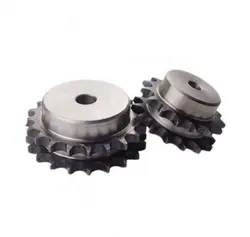
Inspecting a wheel sprocket for Wear and Tear
Regular inspection of the wheel sprocket is essential to ensure their proper functioning and to identify any signs of wear and tear. Here are the steps to inspect a wheel sprocket:
- Visual Inspection: Start by visually examining the wheel sprocket for any visible signs of wear, damage, or deformation. Look for cracks, chips, dents, or any irregularities on the surface of both components.
- Check for Misalignment: Verify that the wheel sprocket are properly aligned with each other. Misalignment can lead to accelerated wear and affect the overall performance of the system.
- Measure Wear: Use calipers or a wear gauge to measure the sprocket’s tooth profile and the wheel’s rolling surface. Compare these measurements with the original specifications to determine if significant wear has occurred.
- Inspect Teeth and Chain Engagement: If the wheel sprocket are part of a chain drive system, closely examine the sprocket teeth and chain engagement. Worn or elongated teeth can cause poor chain engagement and lead to premature failure.
- تشحيم: Check the lubrication of the wheel sprocket. Insufficient or excessive lubrication can cause increased friction, leading to wear and reduced efficiency.
- Bearing Condition: If the wheel is mounted on a shaft with bearings, inspect the bearings for any signs of wear, noise, or rough movement. Properly functioning bearings are crucial for the smooth operation of the system.
- Inspect Mounting Hardware: Ensure that all nuts, bolts, and other mounting hardware are securely tightened. Loose fasteners can cause vibration and misalignment issues.
- Check for Contaminants: Remove any debris, dirt, or foreign particles that may have accumulated on the wheel or sprocket. Contaminants can accelerate wear and damage the components.
- Replacement or Maintenance: Based on the inspection results, determine if any parts need replacement or if maintenance is required. Address any issues promptly to prevent further damage and maintain the system’s performance.
Regularly scheduled inspections and maintenance can help prolong the lifespan of the wheel sprocket assembly, optimize performance, and ensure the safety of the mechanical system.
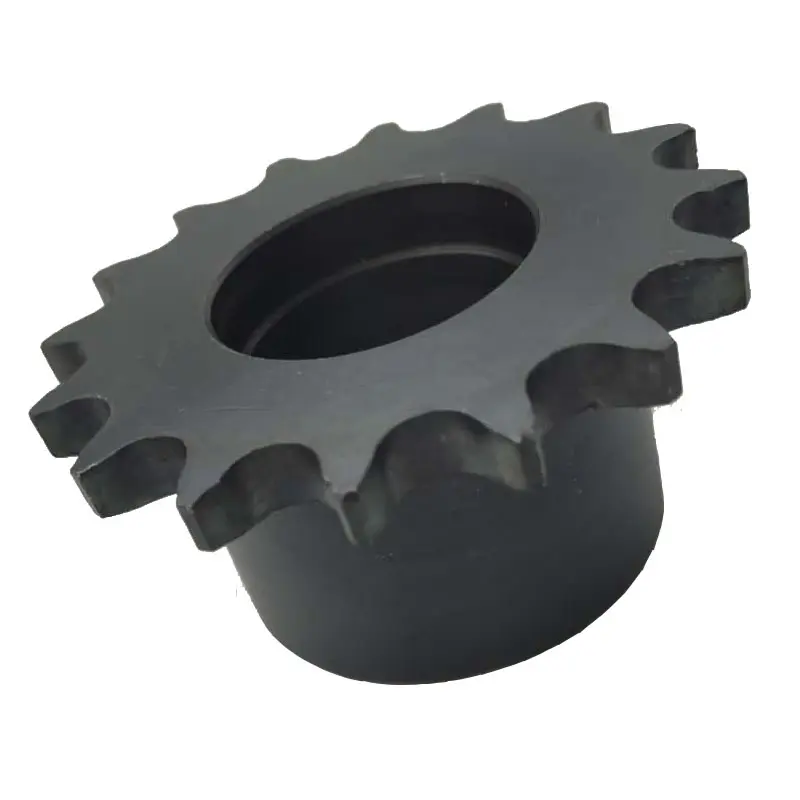
Role of a wheel sprocket in a Mechanical System
In a mechanical system, a wheel sprocket play a crucial role in transferring motion and power from one component to another. They are essential elements of various machines and mechanisms, such as bicycles, conveyor systems, automobiles, and industrial machinery. Let’s explore their functions in more detail:
1. Wheel:
The wheel is a circular component with a central shaft (axle) that allows it to rotate freely around the axle’s axis. Its primary functions include:
- Motion Transmission: When a force is applied to the wheel’s outer edge, it rotates around the axle, enabling the transfer of linear motion into rotational motion.
- Load Bearing: The wheel’s structure and material are designed to support and distribute the load placed on it, allowing smooth movement over various surfaces.
- Reduction of Friction: By using wheels, the friction between the moving object and the ground is significantly reduced, making it easier to move heavy loads with less effort.
- Directional Control: Wheels can be attached to steering mechanisms to control the direction of movement in vehicles and other equipment.
2. Sprocket:
A sprocket is a toothed wheel designed to mesh with a chain or a belt, facilitating motion transfer between the sprocket and the chain/belt. Its key functions include:
- Power Transmission: When rotational force (torque) is applied to the sprocket, the teeth engage with the links of the chain or belt, transferring motion and power from one sprocket to another.
- Speed and Torque Conversion: Different-sized sprockets can be used to adjust the speed and torque of the driven component in a mechanical system.
- Positive Drive: The teeth on the sprocket and the links on the chain/belt create a positive drive system, reducing the likelihood of slippage or loss of power during operation.
- Chain/Belt Tensioning: Sprockets help maintain proper tension in the chain or belt, ensuring optimal performance and longevity of the power transmission system.
Together, wheels and sprockets form a vital part of mechanical systems, enabling efficient motion transmission, power transfer, and control in a wide range of applications across various industries.


editor by Dream 2024-04-22