Mô tả sản phẩm
1. Mô tả:
| Mã số linh kiện: | 8E9805 |
| Số máy: | 320 |
| Sự miêu tả: | Nhông xích |
| Logo: | Phần phúc lợi |
| Độ cứng bề mặt | 52 ~ 58 |
| Màu sắc: | Màu vàng hoặc các màu khác |
| Phương pháp sản xuất: | Đúc / Rèn |
| Vật liệu: | 40 triệu |
Xem thêm sản phẩm:
Răng gầu: product/jJArxYWdhhks/China-Spare-Parts-Track-Bushing-Excavator-Pin-40cr-42CrMo-Bucket-Link-Pin-Link-Pin-Replacement-Bucket-Tooth-Locking-Pins-Forged-Bucket-Tooth-Pin-K170-Pin-2320170.html
Xích cao su: product/yQLRiCgPvAVJ/China-Mini-Excavator-Rubber-Track-Undercarriage-Dx340LC-Machinery-Lubricated-Dry-Track-Link-Shoe-Assy-Track-Chain.html
Con lăn xích: product/jmWpigyGJLcA/China-246-571-Roller-Gp-Track-Single-Flange-Excavator-Undercarriage-Parts-Down-Upper-Lower-Roller-Idler-Sprocket-Track-Roller.html
Lưỡi gạt đất: product/XZlfQcLdlFhi/China-Construction-Machinery-Parts-Grader-Blade-Motor-Grader-Carbon-Steel-Boron-Steel-Dbf-Cutting-Edge-Bulldozer-4t6694.html
Chuỗi mắt xích bánh xích: product/yQLRiCgPvAVJ/China-Mini-Excavator-Rubber-Track-Undercarriage-Dx340LC-Machinery-Lubricated-Dry-Track-Link-Shoe-Assy-Track-Chain.html
Xô: product/UdMAiYuwXGhW/China-China-Heavy-Equipment-Buckets-Wh60c-Q345b-3-4cx-12-Bucket.html
Chocky bar: product/kyPmTlxusBhU/China-Excavator-Bucket-Protection-Spare-Parts-CB1-Teeth-Pins-Retainer-Bushing-Locker-80-125r.html
2. Phạm vi sản phẩm của chúng tôi
3. Dây chuyền sản xuất của chúng tôi:
4.Các mặt hàng phổ biến được liệt kê bên dưới để tham khảo:
| Thương hiệu | Người mẫu | |||
| Con lăn dẫn hướng, con lăn trên, đĩa xích, bánh dẫn hướng, mắt xích, guốc xích | ||||
| PC18-2 | PC20-5/7 | PC30-5/6/7/8 | PC40-5/6/7 | |
| PC50/PC55 | PC60-5/6/7 | PC100-5/6/7 | PC120-5-6-7 | |
| PC200-3/5/6/7/8 | PC220-3/5/6/7/8 | PC200LC-3/5/6/7/8 | PC220-3/5/6/7/8 | |
| PC300-5-6-7 | PC300LC-/5-6-7 | PC350-5/6/7 | PC350LC-5/6/7 | |
| PC360-5/6/7 | PC360LC-5/6/7 | PC400-1/3/5/6/7 | PC400LC-1/3/5/6/7 | |
| PC450-5/6/7 | PC450LC-5/6/7 | PC600 | PC800 | |
| EX30 | EX40 | EX55 | EX60-2/3/5 | |
| EX70 | EX100-1/3/5/ | EX120-1/3/5 | EX150 | |
| EX200-1/2/3/5 | EX200LC-1/2/3/5 | EX220-1/2/3/5 | EX220LC-1/2/3/5 | |
| EX270-1/2/5 | EX270LC-1/2/5 | EX300-1/2/3/5 | EX300LC-1/2/3/5 | |
| EX330 | EX330LC | EX400-1/2/3/5 | EX400LC-1/2/3/5 | |
| EX450-1/2/3/5 | EX450LC-1/2/3/5 | UH07-7 | UH081 | |
| UH083 | UH045 | UH571 | ||
| ZAX55 | ZAX70 | ZAX120 | ZAX200 | |
| ZAX210 | ZAX230 | ZAX240 | ZAX330 | |
| ZAX450 | ||||
| DH55 | DH80 | DH130 | DH150 | |
| DH220 | DH258 | DH280 | DH300 | |
| DH320 | DH360 | DH370 | DH400 | |
| DH420 | DH500 | |||
| DX300 | DX370 | DX380 | ||
| SK035 | SK035SR | SK30 | SK35 | |
| SK45 | SK50-1 | SK50-6 | SK55 | |
| SK60-3 | SK60-1/2/5 | SK60-8 | SK100 | |
| SK120 | SK130-8 | SK200-3/5/8 | SK210 | |
| SK230 | SK250 | SK300 | SK320 | |
| SK330 | SK350 | SK07N2 | ||
| SH35 | SH55 | SH60 | SH65 | |
| SH75 | SH100 | SH120 | SH120A3 | |
| SH200 | SH220 | SH265 | SH280 | |
| SH300 | SH320 | SH340 | SH350 | |
| SH430 | LS2800 | |||
| HD250 | HD400 | HD450 | HD700 | |
| HD770 | HD820 | HD1571 | HD1250 | |
| HD1430 | ||||
| R55 | R60-5/7/8 | R80 | R130 | |
| R150LC-7 | R200 | R210-3 | R220-5 | |
| R225-7 | R275 | R290 | R300 | |
| R320 | R305 | R360 | R450 | |
| R914 | R924 | R934C | R944C | |
| CX35 | CX45 | CX55 | CX240 | |
| KX35 | KX50 | KX55 | KX80 | |
| KX185 | ||||
| SWE35 | SWE40 | SWE50 | SWE55 | |
| SWE60 | SWE70 | SWE85 | SWE330 | |
| IHI30 | IHI35 | IHI80 | IHI85 | |
| TB150 | TB175 | |||
| FR65 | FR85 | |||
| SY65 | SY200 | SY215 | SY330 | |
| YC13 | YC35 | YC45 | YC60 | |
| YC85 | YC135 | |||
| VIO30 YM30 | VIO35 YM35 | VIO40 YM40 | VIO55 YM55 | |
| VIO75 YM75 | ||||
| D3B D3C | D4 | D4D | D4E | |
| D4H | D5 | D5B | D5C | |
| D5H | D5M | D5N | D6 | |
| D6C | D6D | D6R | D6H | |
| D6T | D7G | D7R | D7H | |
| D8N | D8L | D8T | D8R | |
| D8H | D8K | D9L | D9N | |
| D9R | D9T | D10N | D10R | |
| D10T | D11N | D11R | ||
| D20 | D31 | D37EX-21 | D40 | |
| D41P-6 | D41E-6 | D50 | D53 | |
| D51EX-22 | D60 | D65 | D65-12 | |
| D61EX-12 | D65EX-12 | D65PX-12 | D80 | |
| D85 | D85EX-15 | D85-21 | D155 | |
| D155A-1 | D155A-2 | D155A-3 | D155A-5 | |
| D155-6 | D275 | D355A-3 | D375-5 | |
| BD2G | ||||
5. Kho hàng của chúng tôi:
6. Thông tin công ty
Công ty TNHH Máy móc CZPT Hàng Châu, với tư cách là nhà cung cấp phụ tùng gầm xe đáng tin cậy, cung cấp đầy đủ các loại phụ tùng thay thế phù hợp cho tất cả các loại máy móc thi công đất ứng dụng trong khai thác mỏ, xây dựng, nông nghiệp, v.v. Như máy xúc, máy ủi, máy bốc xếp, máy đào, máy cào, máy nghiền, v.v. Các phụ tùng thay thế mà chúng tôi cung cấp bao gồm các bộ phận đúc như con lăn dẫn hướng, bánh răng, con lăn trên, mắt xích, con lăn dẫn hướng, guốc xích, v.v. và các bộ phận rèn như con lăn dẫn hướng rèn, bánh răng, con lăn trên, mắt xích, con lăn dẫn hướng, guốc xích, v.v.
Beneparts sở hữu đội ngũ bán hàng rất mạnh và các nhà sản xuất hợp tác chặt chẽ với công nghệ cao, tập trung vào chất lượng với hơn 28 năm kinh nghiệm.
Ưu điểm của chúng tôi gồm 4 điểm, đó là:
1. Chúng tôi sở hữu đội ngũ kỹ thuật mạnh mẽ và khả năng pha chế vật liệu đáp ứng nhu cầu cụ thể của các dự án khách hàng.
2. Hệ thống giám sát chất lượng hoàn hảo và đầy đủ các trang thiết bị tiên tiến, như máy phân tích linh kiện, máy thử va đập, máy thử độ bền kéo, v.v.
3. Với kinh nghiệm phong phú trong lĩnh vực OEM/ODM, chúng tôi có thể phát triển sản phẩm theo bản vẽ và mẫu nếu quý khách có yêu cầu cụ thể.
4. Nhờ quản lý hiệu quả, chúng tôi có thể rút ngắn thời gian giao hàng và có dịch vụ hậu mãi tốt, giúp duy trì mối quan hệ hợp tác kinh doanh lâu dài với khách hàng.
Cam kết của chúng tôi là luôn cung cấp dịch vụ khách hàng nhanh chóng, tiện lợi và hiệu quả.
CZPT rất mong được gặp bạn!
|
Chi phí vận chuyển:
Cước phí vận chuyển ước tính cho mỗi đơn vị sản phẩm. |
Sẽ được thương lượng. |
|---|
| Kiểu: | Nhông xích |
|---|---|
| Ứng dụng: | Máy xúc |
| Chứng nhận: | CE |
| Tùy chỉnh: |
Có sẵn
| Yêu cầu tùy chỉnh |
|---|
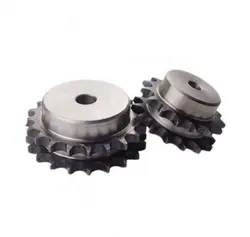
Best Lubrication Practices for wheel sprocket Systems
Proper lubrication is essential for maintaining the efficiency and longevity of wheel sprocket systems. The lubrication practices can vary depending on the specific application and the environment in which the system operates. Here are some best practices for lubricating wheel sprocket systems:
- Cleanliness: Before applying any lubricant, ensure that the wheel sprocket surfaces are clean and free from dirt, debris, and old lubricant residue. Cleaning the components helps prevent contaminants from mixing with the lubricant and causing additional wear.
- Choose the Right Lubricant: Select a lubricant specifically designed for the wheel sprocket system. Consider factors such as load, speed, temperature, and environmental conditions when choosing the appropriate lubricant. Some systems may require grease, while others may need oil-based lubricants.
- Apply Adequate Amount: Apply the lubricant in the right quantity to ensure proper coverage of the contacting surfaces. Too little lubricant may not provide sufficient protection, while too much can lead to excess heat and waste.
- Regular Lubrication Schedule: Establish a maintenance schedule for lubrication based on the operating conditions of the system. In high-demand applications, more frequent lubrication may be necessary to prevent premature wear.
- Monitor and Reapply: Regularly monitor the condition of the wheel sprocket system and observe any signs of inadequate lubrication, such as increased friction or unusual noise. Reapply lubricant as needed to maintain optimal performance.
- Re-lubrication After Cleaning: If the wheel sprocket system is cleaned, ensure that fresh lubricant is applied after cleaning to restore the protective layer.
- Consider Lubrication Type: Depending on the application, consider using dry lubricants or solid lubricants for environments where dust and dirt accumulation may be a concern.
It’s essential to follow the manufacturer’s recommendations and guidelines for lubrication. Additionally, consult with lubrication experts or equipment suppliers for specific recommendations based on your wheel sprocket system’s unique requirements.
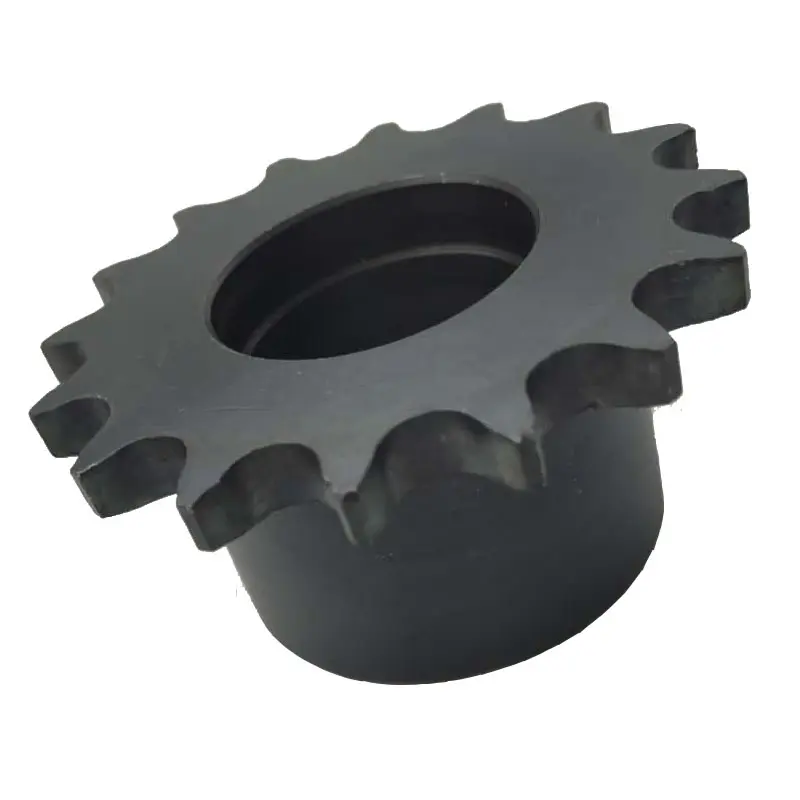
Using wheel sprocket Assembly in Robotics and Automation
Yes, wheel sprocket assemblies are commonly used in robotics and automation systems to transmit power and facilitate movement. These systems offer several advantages for robotic applications:
- Efficiency: wheel sprocket assemblies provide efficient power transmission, ensuring smooth and precise movement of robotic components.
- Compact Design: The compact nature of sprockets and wheels allows for space-saving designs, making them ideal for robotic applications where space is limited.
- Precision: Sprockets and wheels with accurate teeth profiles provide precise motion control, crucial for robotics and automation tasks that require high levels of accuracy.
- Low Noise: Properly lubricated and maintained wheel sprocket systems generate minimal noise during operation, contributing to quieter robotic movements.
- Customizability: wheel sprocket assemblies can be customized to suit specific robotic requirements, such as different gear ratios, sizes, and materials.
- Multiple Configurations: Depending on the robotic application, different configurations like single or multiple sprockets, idler sprockets, or rack and pinion systems can be used.
- High Load Capacity: Sprockets made from durable materials like steel can handle substantial loads, making them suitable for heavy-duty robotic tasks.
Examples of robotics and automation systems that commonly use wheel sprocket assemblies include:
- Robotic Arms: wheel sprocket systems are utilized in robotic arms to control their movement and reach.
- Automated Guided Vehicles (AGVs): AGVs use wheel sprocket assemblies for propulsion and steering, enabling them to navigate autonomously.
- Conveyor Systems: In automated factories, conveyor belts are often driven by sprockets and wheels for efficient material handling.
- Mobile Robots: Wheeled mobile robots use wheel sprocket assemblies to drive their wheels, enabling them to move in various directions.
- Robot Grippers: wheel sprocket mechanisms can be integrated into robot grippers to facilitate gripping and handling objects.
The choice to use wheel sprocket assemblies in robotics and automation depends on the specific application requirements, load capacity, precision, and environmental conditions. By selecting the appropriate sprockets, wheels, and materials, engineers can ensure reliable and efficient robotic performance in a wide range of automated tasks.
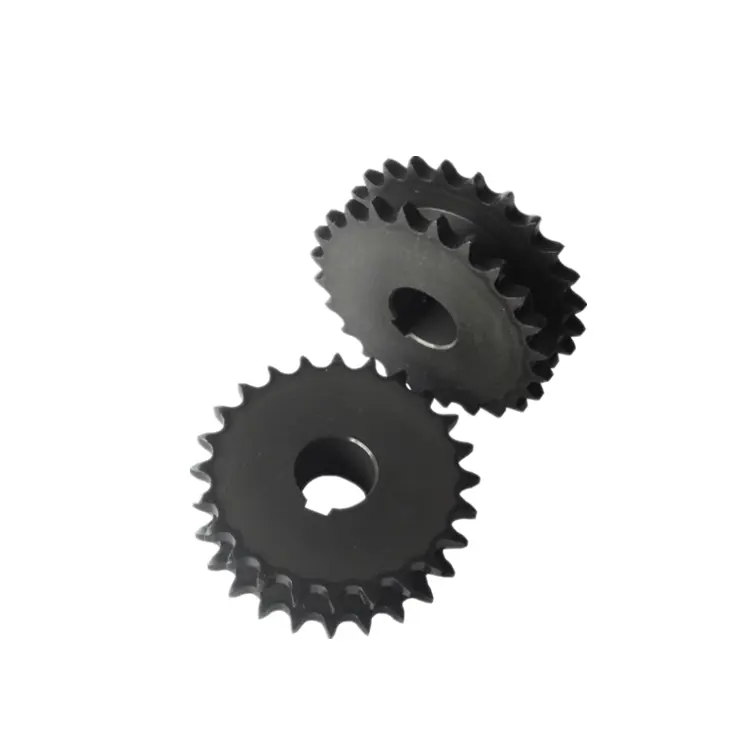
Eco-Friendly Materials for Manufacturing Wheels and Sprockets
Yes, there are eco-friendly materials used for manufacturing wheels and sprockets. As industries strive to reduce their environmental impact and promote sustainability, manufacturers are exploring alternative materials that are more environmentally friendly. Some of the eco-friendly materials used for manufacturing wheels and sprockets include:
1. Recycled Materials:
Using recycled materials, such as recycled plastic or metal, can significantly reduce the demand for virgin raw materials and lower the overall carbon footprint. These materials are obtained from post-consumer or post-industrial waste and processed to create new products, reducing the need for new resource extraction.
2. Biodegradable Materials:
Biodegradable plastics, such as PLA (polylactic acid) and PHA (polyhydroxyalkanoates), are derived from renewable plant sources and can break down naturally in the environment. These materials are gaining popularity for applications where disposal or end-of-life considerations are critical.
3. Sustainable Composites:
Manufacturers are developing sustainable composite materials that combine renewable fibers, such as bamboo, hemp, or flax, with biodegradable resins. These composites offer good strength and rigidity while being more environmentally friendly compared to traditional fiber-reinforced plastics.
4. Natural Materials:
In some cases, natural materials like wood or bamboo are used to create sprockets and wheels for specific applications. These materials are renewable and biodegradable, making them a more sustainable choice.
5. Low-Toxicity Materials:
Some eco-friendly materials focus on reducing the use of harmful chemicals during manufacturing. Low-toxicity materials are not only better for the environment but also for the health and safety of workers involved in the production process.
When selecting eco-friendly materials for wheels and sprockets, it’s essential to consider factors such as the specific application, load-bearing requirements, and the material’s end-of-life characteristics. Manufacturers and users can contribute to environmental sustainability by opting for these eco-friendly alternatives in their machinery and equipment.


editor by CX 2023-10-01