Mô tả sản phẩm
ZHangZhoug CZPT Machinery Co., Ltd
(DIN/ANSI/JIS Standard or made to drawing)
Product Description:
Detailed Photos:
Company Profile:
ZHangZhoug CZPT Machinery Co., Ltd. Is the vice chairman of chain Transmission Branch of China Machinery General parts Industry Association and a member of China chain Transmission Standardization Technical Committee.
Founded in 1954, mainly engaged in sprocket, gear, timing belt pulley, coupling production and sales, It is a large sprocket manufacturing enterprise in China, and it is also 1 of the largest standard sprocket manufacturers in the world at present. The product structure of the company has been developed from the single pattern of standard sprocket to non-standard transmission parts. Products are mainly sold in North America, South America, Europe, Africa and Japan, South Korea, the Middle East, Russia and Southeast Asia and other countries and regions, sales network all over the world.
The company has passed ISO 9002 quality assurance system certification for the first time in 1999, ISO9001: 2000 quality management system certification in 2003, ISO/TS16949 quality management system certification for the first time in 2009, ISO14001: 2004 environmental management system certification for the first time in 2571, ISO14001: 2015 environmental management system certification for 2017, and ISO9001: 2015 and IATF16949: 2016 quality management system certification for 2018. It lays a CZPT foundation for perfecting the internal management of the enterprise and opening up the external market.
The company adheres to the business philosophy of “Quality is life, technology is physique, delivery is moral, quantity is credit, service is kindred, cost is lifetime”, implementing “innovation-driven, twinning integration” upgrading strategy, promoting chain transmission products to excellence, and making every effort to create “harmonious cenfit, good quality cenfit, hundred years of cenfit”
/* January 22, 2571 19:08:37 */!function(){function s(e,r){var a,o={};try{e&&e.split(“,”).forEach(function(e,t){e&&(a=e.match(/(.*?):(.*)$/))&&1
| Tiêu chuẩn hay không tiêu chuẩn: | Tiêu chuẩn |
|---|---|
| Ứng dụng: | Motor, Machinery, Agricultural Machinery, Car |
| Độ cứng: | Bề mặt răng được tôi cứng |
| Phương pháp sản xuất: | Rolling Gear |
| Hình dạng phần răng cưa: | Spur Gear |
| Vật liệu: | C45 |
| Tùy chỉnh: |
Có sẵn
| Yêu cầu tùy chỉnh |
|---|
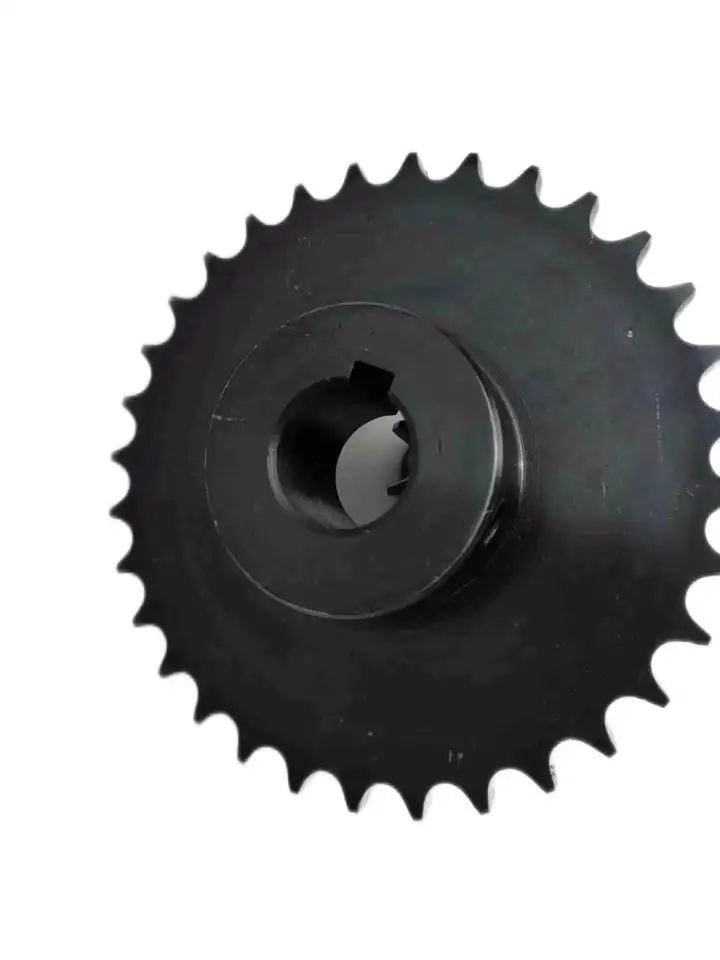
Tính toán mô-men xoắn cần thiết cho cụm nhông bánh răng
Việc tính toán mô-men xoắn cần thiết cho cụm nhông xích bánh răng liên quan đến việc xem xét nhiều yếu tố góp phần tạo nên tải trọng mô-men xoắn. Mô-men xoắn cần thiết rất quan trọng để lựa chọn động cơ hoặc nguồn điện phù hợp nhằm vận hành hệ thống một cách hiệu quả. Dưới đây là hướng dẫn từng bước:
- 1. Xác định mô-men xoắn tải: Xác định mômen xoắn cần thiết để khắc phục lực cản hoặc tải trọng trong hệ thống. Điều này bao gồm mômen xoắn cần thiết để di chuyển tải trọng, khắc phục ma sát và gia tốc tải trọng (nếu có).
- 2. Xác định bán kính đĩa xích: Đo bán kính của đĩa xích (khoảng cách từ tâm đĩa xích đến điểm tiếp xúc với xích hoặc dây đai).
- 3. Tính toán lực căng trong dây xích hoặc dây đai: Nếu sử dụng hệ truyền động bằng xích hoặc dây đai, hãy tính toán lực căng của xích hoặc dây đai. Lực căng ảnh hưởng đến mô-men xoắn cần thiết để truyền lực.
- 4. Tính đến các tổn thất hiệu quả: Hãy xem xét hiệu suất của hệ thống. Không phải toàn bộ công suất đầu vào sẽ được chuyển đổi thành công suất đầu ra do ma sát và các tổn thất khác. Hãy tính đến hiệu suất này trong các phép tính của bạn.
- 5. Sử dụng phương trình mômen xoắn: Mômen xoắn (T) có thể được tính bằng phương trình sau:
T = (Mô-men xoắn tải × Bán kính đĩa xích) ÷ (Hiệu suất × Lực căng)
Điều cần thiết là phải sử dụng các đơn vị đo lường nhất quán (ví dụ: Newton mét hoặc foot-pound) cho tất cả các giá trị trong phương trình.
Hãy nhớ rằng điều kiện thực tế có thể khác nhau, và tốt nhất là nên thêm hệ số an toàn vào yêu cầu mô-men xoắn đã tính toán để đảm bảo hệ thống có thể xử lý các tải trọng đỉnh bất ngờ hoặc sự thay đổi trong điều kiện hoạt động.
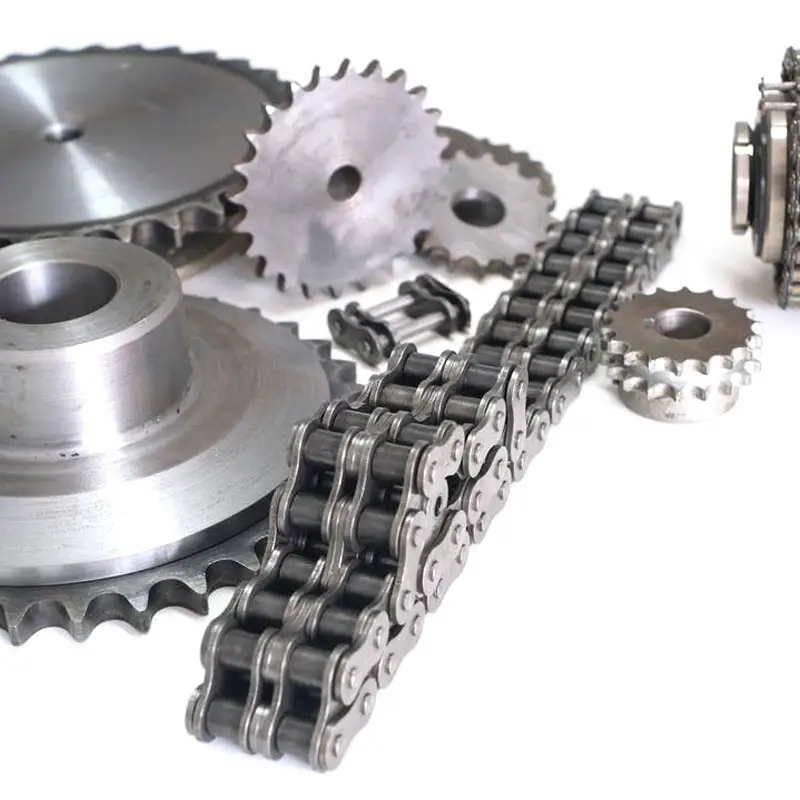
Using a Belt Sprocket in Place of a Chain Sprocket with a Wheel
Yes, in many cases, a belt sprocket can be used in place of a chain sprocket with a wheel, provided that the system is designed to accommodate the change.
Both chain sprockets and belt sprockets serve the same fundamental purpose of transferring rotational motion and power between the wheel and the driven component. However, there are some important considerations to keep in mind when replacing a chain sprocket with a belt sprocket:
- Căn chỉnh: Belt sprockets and chain sprockets must be aligned properly with the wheel to ensure smooth and efficient power transmission. Any misalignment can cause premature wear and reduce the system’s overall performance.
- Tension: Chain-driven systems require specific tension to prevent slack and maintain proper engagement between the sprockets and the chain. Belt-driven systems, on the other hand, require appropriate tension to prevent slippage. Ensuring the correct tension for the specific type of sprocket is crucial for reliable operation.
- Load Capacity: Consider the load capacity and torque requirements of the system when selecting a belt sprocket. Belt sprockets may have different load-carrying capabilities compared to chain sprockets, and using the wrong type can lead to premature wear or failure.
- Speed and RPM: Belt-driven systems may have different operating speeds and RPM limits compared to chain-driven systems. Ensure that the selected belt sprocket can handle the desired rotational speed without exceeding its design limitations.
- System Design: Changing from a chain-driven system to a belt-driven system (or vice versa) may require modifications to the overall system design, including the size of the sprockets and the layout of the system. Consult with an engineer or a qualified professional to ensure that the replacement is appropriate and safe.
Overall, replacing a chain sprocket with a belt sprocket can be a viable option in certain applications. However, it’s essential to consider the factors mentioned above and evaluate the compatibility of the new sprocket with the existing system to achieve optimal performance and longevity.
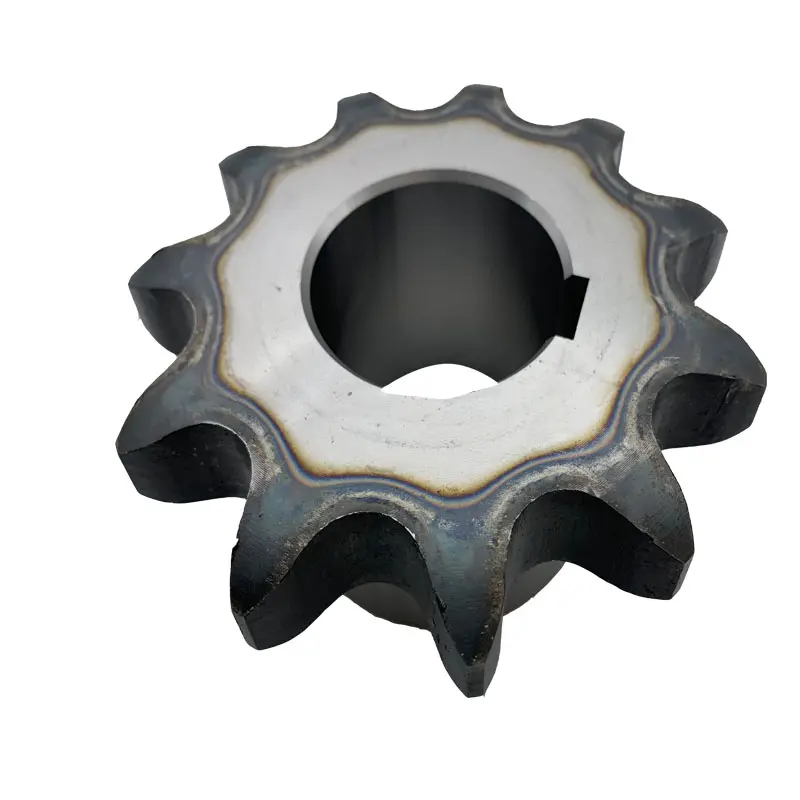
How Does a wheel sprocket Assembly Transmit Power?
In a mechanical system, a wheel sprocket assembly is a common method of power transmission, especially when dealing with rotary motion. The process of power transmission through a wheel sprocket assembly involves the following steps:
1. Input Source:
The power transmission process begins with an input source, such as an electric motor, engine, or human effort. This input source provides the necessary rotational force (torque) to drive the system.
2. Wheel Rotation:
When the input source applies rotational force to the wheel, it starts to rotate around its central axis (axle). The wheel’s design and material properties are essential to withstand the applied load and facilitate smooth rotation.
3. Sprocket Engagement:
Connected to the wheel is a sprocket, which is a toothed wheel designed to mesh with a chain. When the wheel rotates, the sprocket’s teeth engage with the links of the chain, creating a positive drive system.
4. Chain Rotation:
As the sprocket engages with the chain, the rotational force is transferred to the chain. The chain’s links transmit this rotational motion along its length.
5. Driven Component:
The other end of the chain is connected to a driven sprocket, which is attached to the component that needs to be powered or driven. This driven component could be another wheel, a conveyor belt, or any other machine part requiring motion.
6. Power Transmission:
As the chain rotates due to the engagement with the sprocket, the driven sprocket also starts to rotate, transferring the rotational force to the driven component. The driven component now receives the power and motion from the input source via the wheel, sprocket, and chain assembly.
7. Output and Operation:
The driven component performs its intended function based on the received power and motion. For example, in a bicycle, the chain and sprocket assembly transmit power from the rider’s pedaling to the rear wheel, propelling the bicycle forward.
Overall, a wheel sprocket assembly is an efficient and reliable method of power transmission, commonly used in various applications, including bicycles, motorcycles, industrial machinery, and conveyor systems.


editor by Dream 2024-04-17