Ürün Açıklaması
Stainless Steel Roller Chain Sprocket (All Types)
DETAILS ABOUT CZPT CHAIN
Ürün Açıklaması
| Product Name | Chain Sprockets |
| İşlem | Forging, hobbing, precision machining, etc. |
| Sertifikalar | ISO 9001: 2008, GB/T19001-2000IDT, Test Report |
| Standart | GB1244-85, DIN8187,8188, OEM, ANSI or DIN |
| Yüzey İşlemi | Blacken or Galvanized as You Required |
| Malzeme | Stainless steel, carbon steel, aluminum, copper, brass |
| Isıl İşlem | 45 – 55 HRC |
| Ambalajlama | Plastic bag+paper case+wooden pallet |
| Applications | Building Material Shops, Machinery, Industrial, etc. |
More Products
Avantaj
DETAILS ABOUT CZPT CHAIN
Exhibition
Sertifikalar
Atölye
Başvuru
Packaging Details & Shipping
SSS
1. Are you a manufacturer or trade Company?
We are a factory founded in 1997 with a trade team for international service.
2. What terms of payment do you usually use?
T/T 30% deposit and 70% against document, Western Union, L/C at sight
3. What is your lead time for your goods?
Normally 35 days after confirmed order. 30 days could be available in the low season for some items (during May to July), and 45 days during the new year and hot season ( Jan to March).
4. Samples
For customers who need sample confirmation before ordering, please bear in mind that the following policy will be adopted:
1) All samples are free of charge with a maximum value not exceeding USD 100.
2) The courier cost for the first-time sample sending will be charged by the consignee. We will send the samples with freight to be collected. So please inform your account with FedEx, UPS, DHL, or TNT so that we can proceed promptly.
3) The first-time courier cost will be totally deducted from the contract value of the trial cooperation.
/* 22 Ocak 2571 19:08:37 */!function(){function s(e,r){var a,o={};try{e&&e.split(“,”).forEach(function(e,t){e&&(a=e.match(/(.*?):(.*)$/))&&1
| Standart mı, Standart Dışı mı? | Standart |
|---|---|
| Başvuru: | Motor, Electric Cars, Motorcycle, Machinery, Marine, Agricultural Machinery |
| Sertlik: | Sertleştirilmiş Diş Yüzeyi |
| Özelleştirme: |
Mevcut
| Özelleştirilmiş Talep |
|---|
.shipping-cost-tm .tm-status-off{background: none;padding:0;color: #1470cc}
| Nakliye Ücreti:
Birim başına tahmini nakliye ücreti. |
Kargo ücreti ve tahmini teslimat süresi hakkında bilgi. |
|---|
| Ödeme yöntemi: |
|
|---|---|
|
İlk Ödeme Tam Ödeme |
| Para birimi: | US$ |
|---|
| İade ve geri ödemeler: | Ürünleri teslim aldıktan sonraki 30 güne kadar iade talebinde bulunabilirsiniz. |
|---|
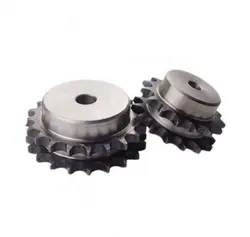
Best Lubrication Practices for wheel sprocket Systems
Proper lubrication is essential for maintaining the efficiency and longevity of wheel sprocket systems. The lubrication practices can vary depending on the specific application and the environment in which the system operates. Here are some best practices for lubricating wheel sprocket systems:
- Cleanliness: Before applying any lubricant, ensure that the wheel sprocket surfaces are clean and free from dirt, debris, and old lubricant residue. Cleaning the components helps prevent contaminants from mixing with the lubricant and causing additional wear.
- Choose the Right Lubricant: Select a lubricant specifically designed for the wheel sprocket system. Consider factors such as load, speed, temperature, and environmental conditions when choosing the appropriate lubricant. Some systems may require grease, while others may need oil-based lubricants.
- Apply Adequate Amount: Apply the lubricant in the right quantity to ensure proper coverage of the contacting surfaces. Too little lubricant may not provide sufficient protection, while too much can lead to excess heat and waste.
- Regular Lubrication Schedule: Establish a maintenance schedule for lubrication based on the operating conditions of the system. In high-demand applications, more frequent lubrication may be necessary to prevent premature wear.
- Monitor and Reapply: Regularly monitor the condition of the wheel sprocket system and observe any signs of inadequate lubrication, such as increased friction or unusual noise. Reapply lubricant as needed to maintain optimal performance.
- Re-lubrication After Cleaning: If the wheel sprocket system is cleaned, ensure that fresh lubricant is applied after cleaning to restore the protective layer.
- Consider Lubrication Type: Depending on the application, consider using dry lubricants or solid lubricants for environments where dust and dirt accumulation may be a concern.
It’s essential to follow the manufacturer’s recommendations and guidelines for lubrication. Additionally, consult with lubrication experts or equipment suppliers for specific recommendations based on your wheel sprocket system’s unique requirements.
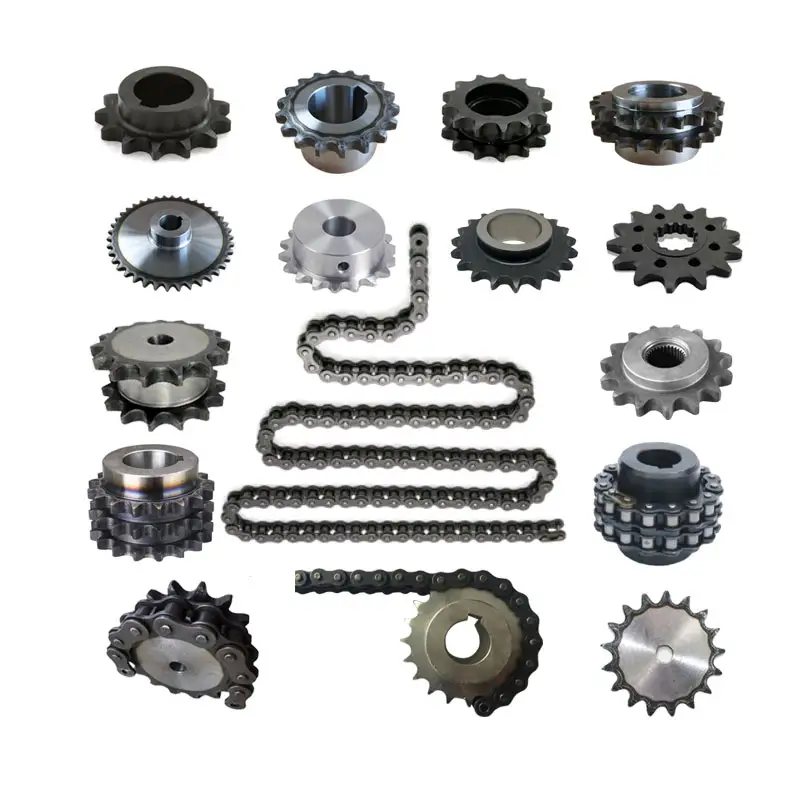
Noise and Vibration in wheel sprocket Configurations
In a wheel sprocket configuration, noise and vibration levels can vary depending on several factors:
- Quality of Components: The quality of the wheel sprocket components can significantly impact noise and vibration. Well-manufactured and precisely engineered components tend to produce less noise and vibration.
- Yağlama: Proper lubrication of the sprocket teeth and chain or belt can reduce friction, which in turn helps minimize noise and vibration.
- Hizalama: Correct alignment between the wheel sprocket is crucial. Misalignment can lead to increased noise and vibration as the components may not mesh smoothly.
- Tension: Maintaining the appropriate tension in the chain or belt is essential. Insufficient tension can cause the chain to slap against the sprocket teeth, resulting in noise and vibration.
- Speed and Load: Higher speeds and heavier loads can lead to increased noise and vibration levels in the system.
- Wear and Damage: Worn-out or damaged components can create irregularities in motion, leading to increased noise and vibration.
To reduce noise and vibration in a wheel sprocket setup:
- Use high-quality components from reputable suppliers.
- Ensure proper lubrication with appropriate lubricants.
- Regularly inspect and maintain the system to detect any misalignment, wear, or damage.
- Follow manufacturer guidelines for chain or belt tensioning.
- Consider using vibration-damping materials or mounting methods if necessary.
Minimizing noise and vibration not only improves the comfort and safety of the machinery but also extends the life of the components by reducing wear and fatigue.
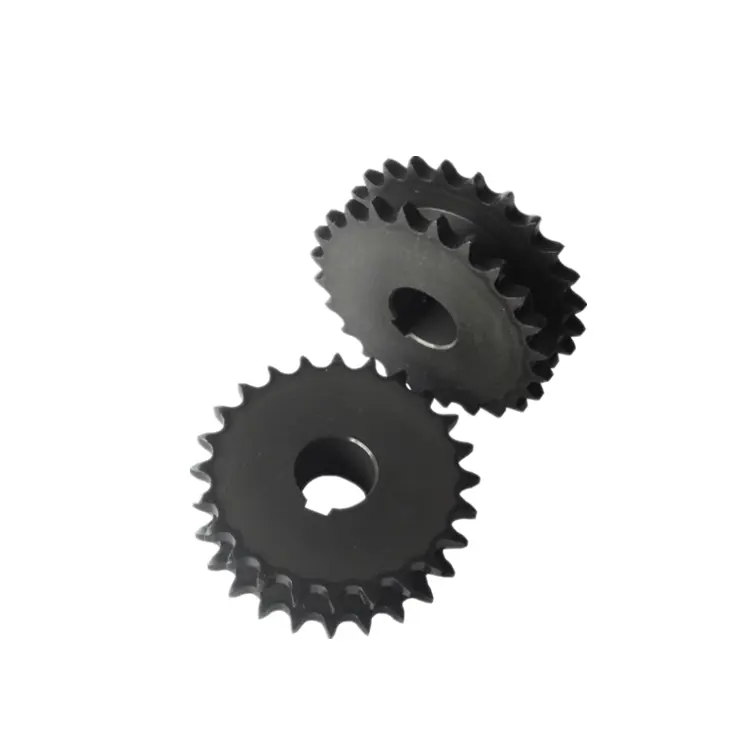
Tekerlek ve Dişli Çark Üretiminde Çevre Dostu Malzemeler
Evet, tekerlek ve dişli çark üretiminde çevre dostu malzemeler kullanılmaktadır. Sanayiler çevresel etkilerini azaltmaya ve sürdürülebilirliği teşvik etmeye çalışırken, üreticiler daha çevre dostu alternatif malzemeler araştırıyorlar. Tekerlek ve dişli çark üretiminde kullanılan çevre dostu malzemelerden bazıları şunlardır:
1. Geri Dönüştürülmüş Malzemeler:
Geri dönüştürülmüş plastik veya metal gibi geri dönüştürülmüş malzemelerin kullanılması, yeni ham madde talebini önemli ölçüde azaltabilir ve genel karbon ayak izini düşürebilir. Bu malzemeler, tüketim sonrası veya endüstriyel atıklardan elde edilir ve yeni ürünler oluşturmak için işlenir, böylece yeni kaynak çıkarımına olan ihtiyaç azalır.
2. Biyolojik Olarak Parçalanabilir Malzemeler:
PLA (polilaktik asit) ve PHA (polihidroksialkanoatlar) gibi biyolojik olarak parçalanabilen plastikler, yenilenebilir bitki kaynaklarından elde edilir ve çevrede doğal olarak parçalanabilir. Bu malzemeler, bertaraf veya kullanım ömrü sonu hususlarının kritik olduğu uygulamalar için giderek daha popüler hale gelmektedir.
3. Sürdürülebilir Kompozitler:
Üreticiler, bambu, kenevir veya keten gibi yenilenebilir lifleri biyolojik olarak parçalanabilir reçinelerle birleştiren sürdürülebilir kompozit malzemeler geliştiriyor. Bu kompozitler, geleneksel lif takviyeli plastiklere kıyasla daha çevre dostu olurken iyi bir mukavemet ve sertlik sunuyor.
4. Doğal Malzemeler:
Bazı durumlarda, belirli uygulamalar için dişli çark ve tekerlek üretmek amacıyla ahşap veya bambu gibi doğal malzemeler kullanılır. Bu malzemeler yenilenebilir ve biyolojik olarak parçalanabilir olduklarından daha sürdürülebilir bir seçimdir.
5. Düşük Toksisiteli Malzemeler:
Bazı çevre dostu malzemeler, üretim sırasında zararlı kimyasalların kullanımını azaltmaya odaklanmaktadır. Düşük toksik maddeler sadece çevre için değil, aynı zamanda üretim sürecinde yer alan işçilerin sağlığı ve güvenliği için de daha iyidir.
Tekerlek ve dişli çarklar için çevre dostu malzemeler seçerken, özel uygulama, yük taşıma gereksinimleri ve malzemenin kullanım ömrünün sonundaki özellikleri gibi faktörleri göz önünde bulundurmak çok önemlidir. Üreticiler ve kullanıcılar, makinelerinde ve ekipmanlarında bu çevre dostu alternatifleri tercih ederek çevresel sürdürülebilirliğe katkıda bulunabilirler.


editor by CX 2024-04-15